The World's Most Expensive Billionaire Homes vs. Sustainable Living
Discover who owns the world's most expensive home and why billionaires are swapping gold-plated mansions for high-end eco-friendly cottages and sustainable living.
Read MoreThinking about a holiday that feels good for you and the planet? Eco friendly cottages deliver cozy comfort while keeping the environment in mind. From tiny houses that last for decades to luxury glamping pods powered by solar panels, there’s a green stay for every taste and budget.
First off, an eco friendly cottage isn’t just a marketing label. It means the building uses sustainable materials, minimizes waste, and runs on clean energy. Look for natural insulation like sheep’s wool or recycled denim, low‑VOC paints, and reclaimed wood for floors or walls. These choices cut down on embodied carbon – the hidden emissions that come from producing and transporting building parts.
Energy efficiency is another key factor. A well‑designed cottage will have passive solar gain, airtight windows, and a heat‑recovery ventilation system. Pair those with a small solar array or a mini‑wind turbine, and you can often power lights, a fridge, and a hot‑water heater without pulling from the grid.
Going green doesn’t have to break the bank. Start by choosing a compact floor plan – a smaller footprint means less material and less heat to keep warm. Many builders use earth‑friendly bricks made from compressed straw or hemp, which are cheaper than traditional masonry and provide excellent insulation.
Water saving is simple too. Install a rain‑water collection tank and a low‑flow faucet. Even a basic grey‑water system that reuses shower water for garden irrigation can cut your usage by half. These upgrades pay for themselves over time as utility bills shrink.
If you’re after a luxury feel, glamping cottages bring the same green principles to a high‑end experience. Look for tents or pods that feature solar‑powered lighting, composting toilets, and biodegradable toiletries. The extra comfort doesn’t have to add waste – many sites use reusable linens and locally sourced food to keep the carbon footprint low.
Another budget‑friendly tip is to buy a pre‑built tiny house kit. These kits come with pre‑cut panels, so you avoid costly on‑site waste. DIY assembly also saves labor costs, and you get to learn the ins and outs of sustainable construction.
Whether you’re planning a weekend escape or a longer stay, the right eco friendly cottage can fit your lifestyle. Pick a spot that’s close to public transport or bike trails, and you’ll cut down on car emissions too. Many rural locations also offer community gardens or forest‑school activities that let you connect with nature without leaving a trace.
In short, eco friendly cottages blend practical green tech with the charm of a countryside retreat. By focusing on smart materials, energy efficiency, and smart water use, you can enjoy a relaxing stay while supporting the planet. Ready to book your next green getaway? Start checking listings for the keywords above, compare amenities, and pick a place that feels right for you.

Discover who owns the world's most expensive home and why billionaires are swapping gold-plated mansions for high-end eco-friendly cottages and sustainable living.
Read More
Make your Airbnb eco-friendly with simple, low-cost changes that reduce waste, save money, and attract more guests. From refillable dispensers to composting, here’s how to build a sustainable rental that stands out.
Read More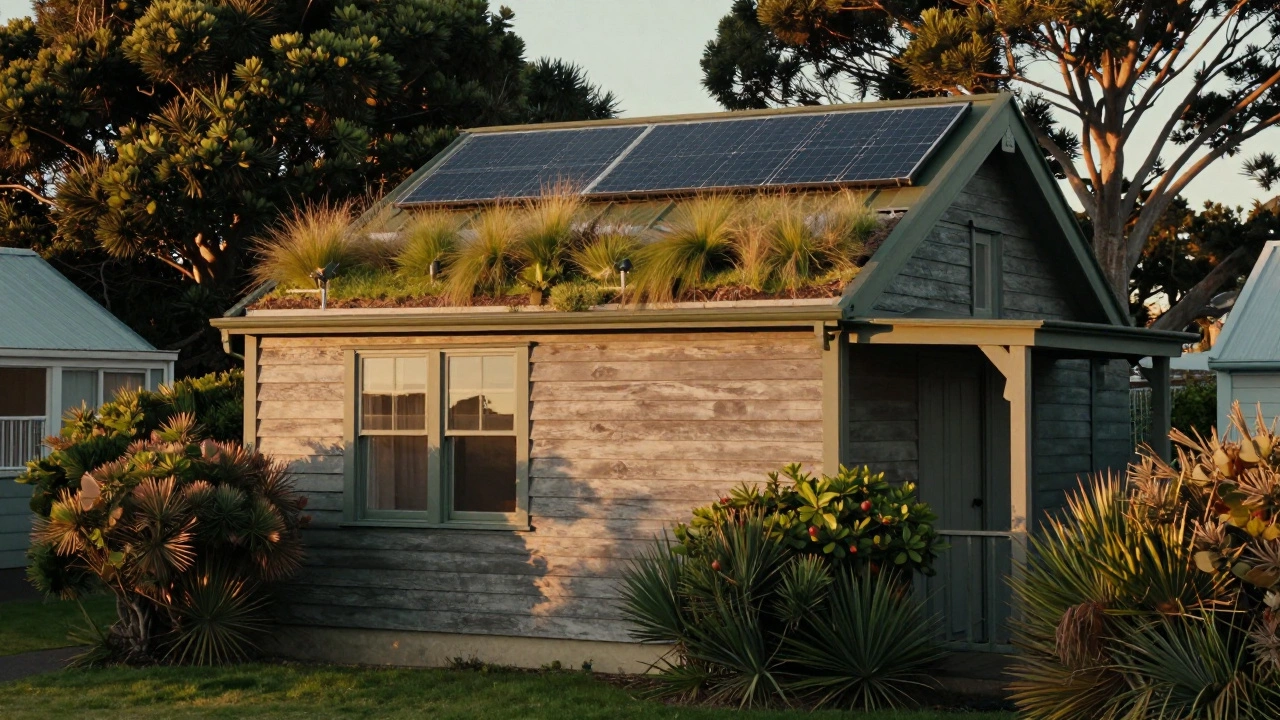
Eco homes aren’t as expensive as you think - especially when you factor in long-term savings on energy, repairs, and health. Real data from New Zealand shows how eco-friendly cottages pay for themselves in just a few years.
Read More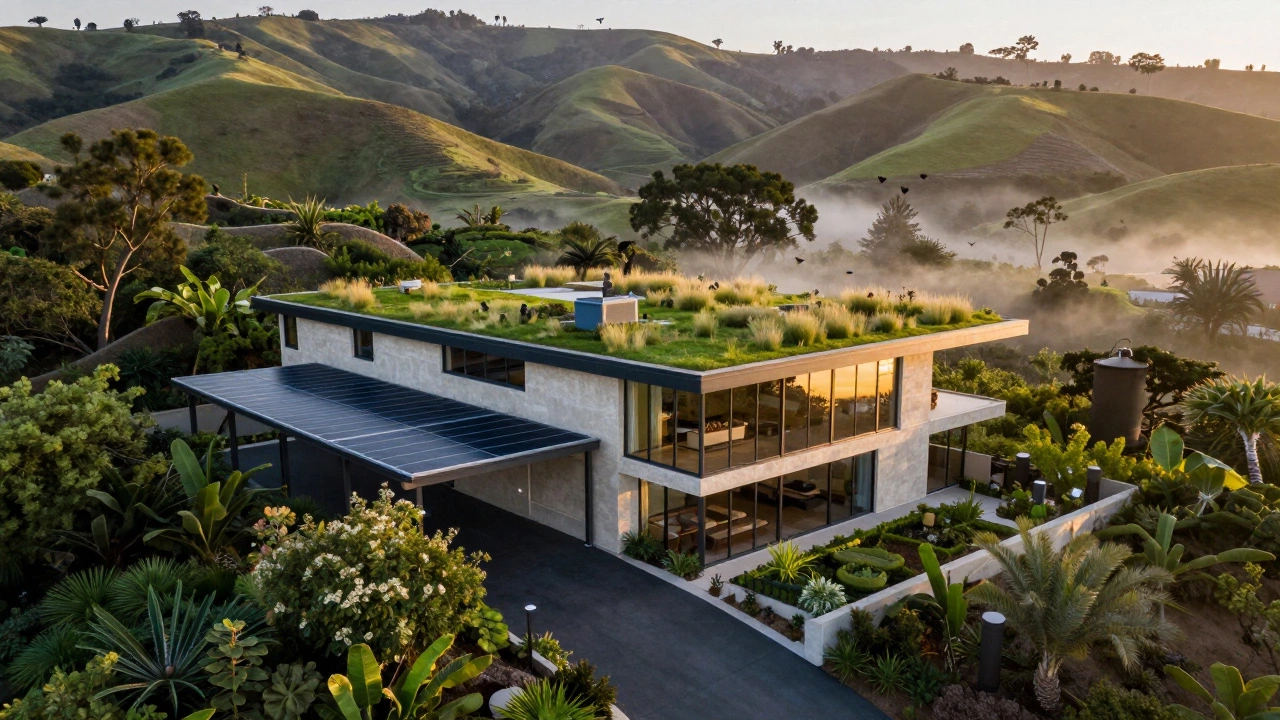
The most expensive eco-friendly house in the world is a $38 million net-zero mansion in California that generates its own energy, captures carbon, and recycles all water. It's not just green-it's restorative.
Read More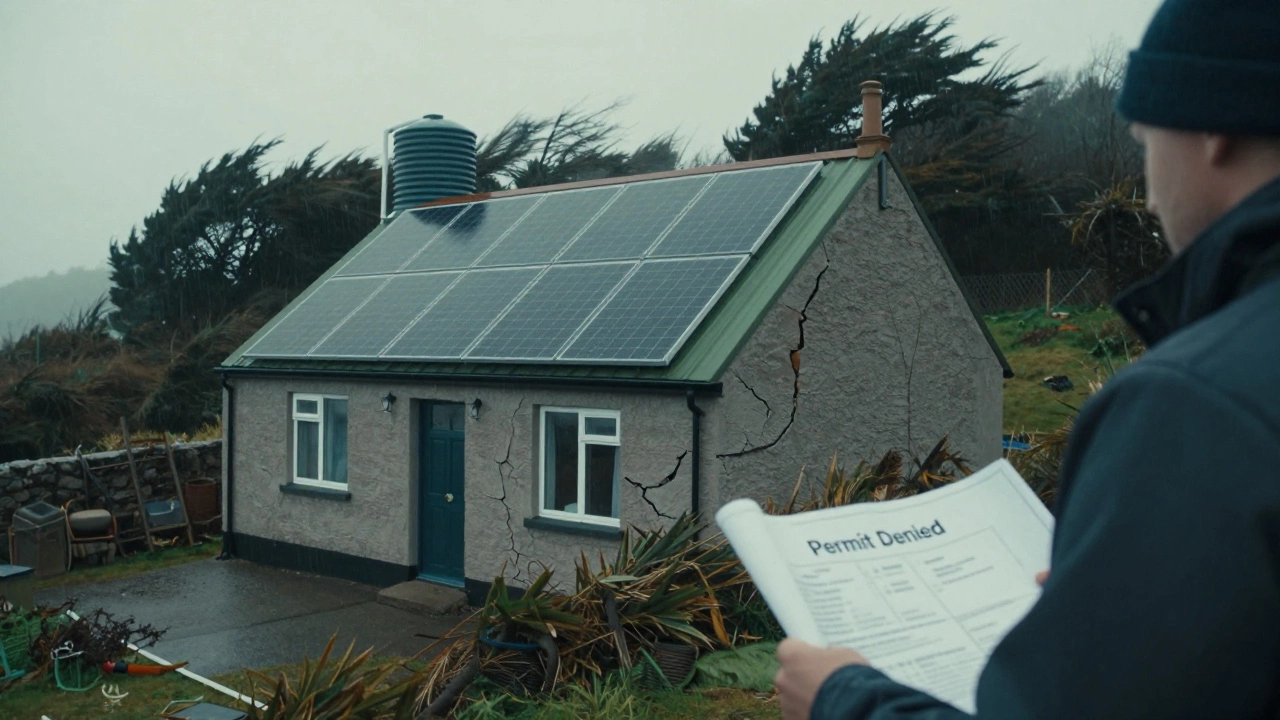
Building an eco-friendly home comes with real challenges: high costs, outdated rules, hard-to-find materials, and unreliable energy systems. Here’s what actually holds people back-and how to work around it.
Read More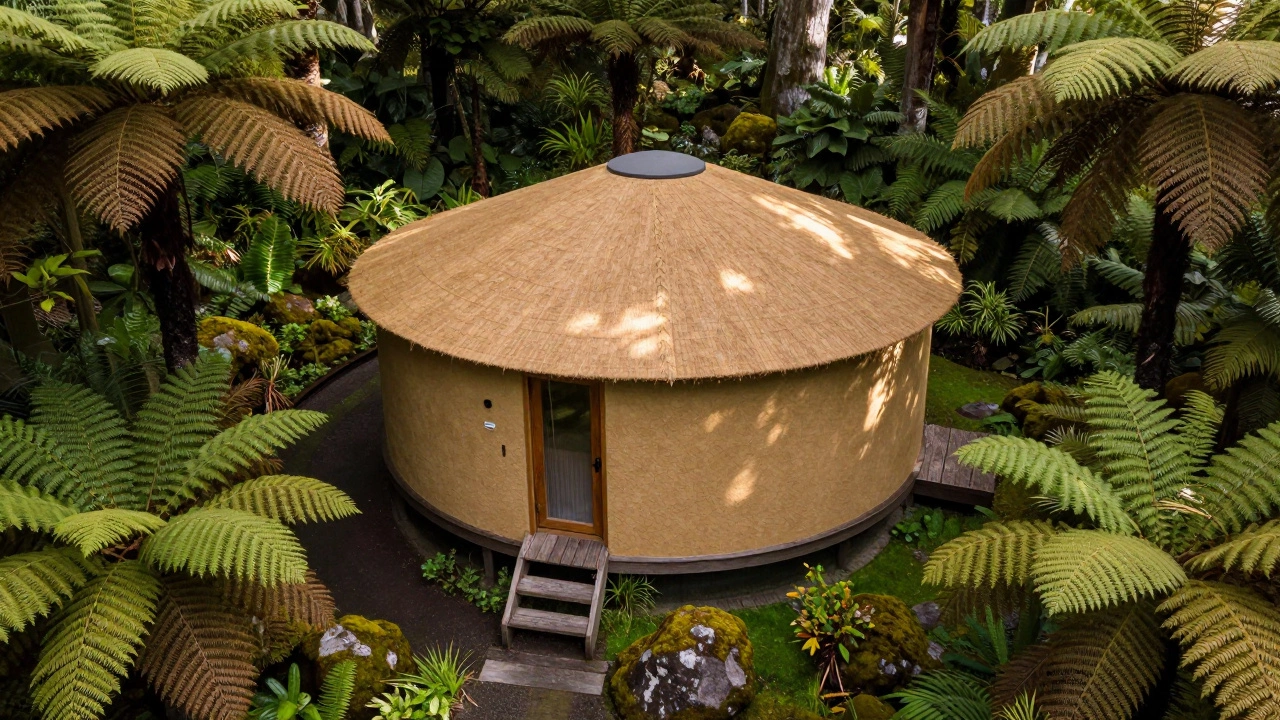
The most economical house shape for eco-friendly cottages is the round or dome design. It uses less material, reduces energy loss, and lowers long-term costs. Learn why circular homes outperform rectangles in efficiency and durability.
Read More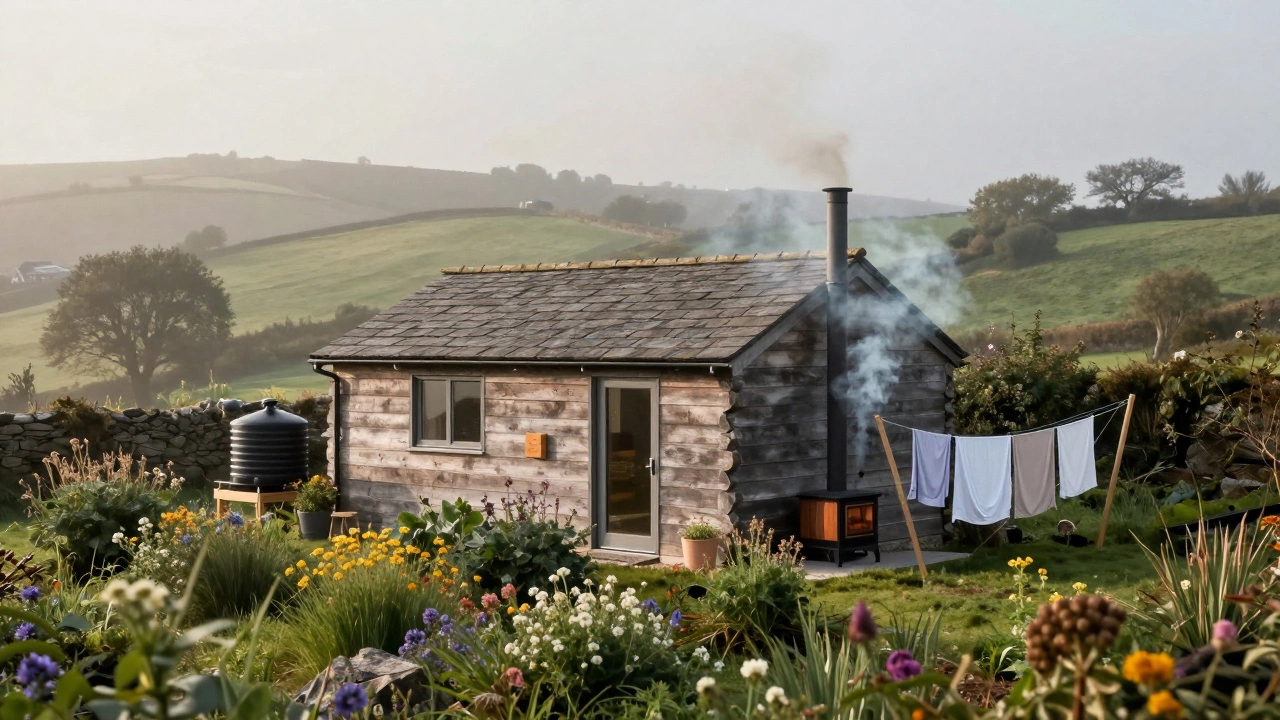
The most sustainable place to live isn't a city or country-it's a well-designed eco-friendly cottage that works with nature, not against it. Discover real examples, key features, and where to find them in 2025.
Read More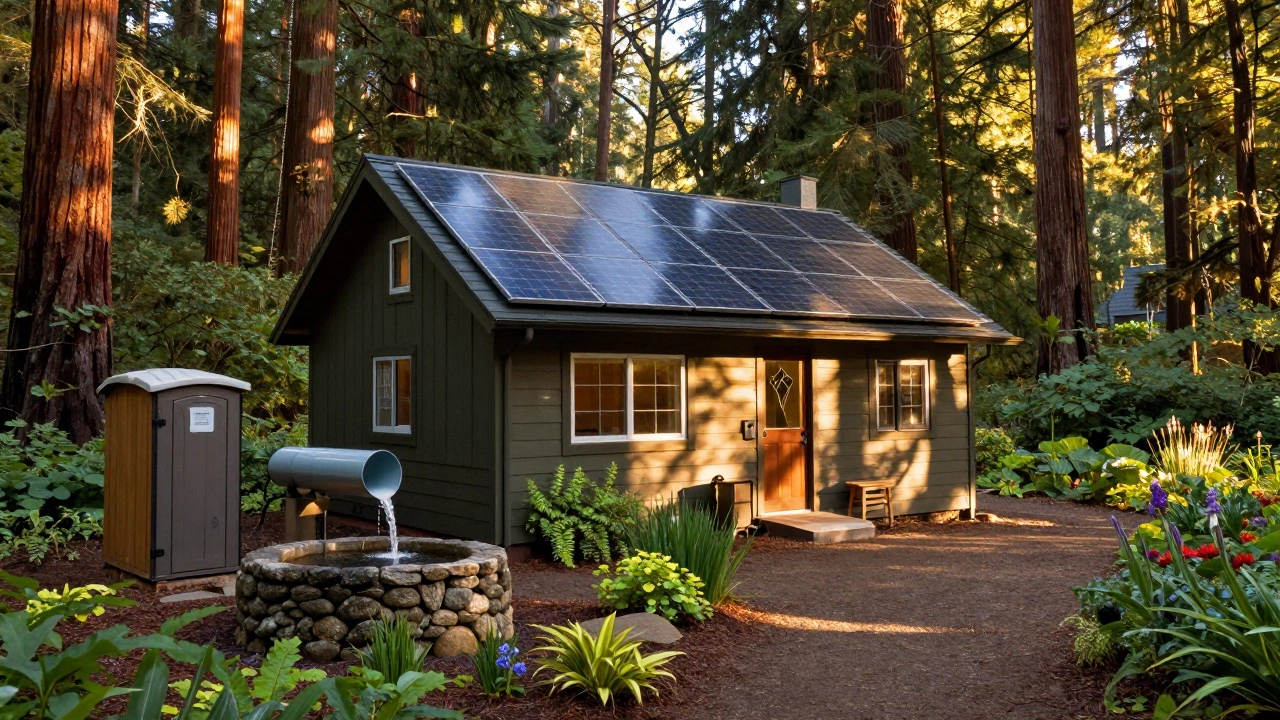
California, Vermont, Oregon, and Washington lead the U.S. in sustainable living, offering strong policies, incentives, and infrastructure for eco-friendly cottages. Learn which state is best for green living.
Read More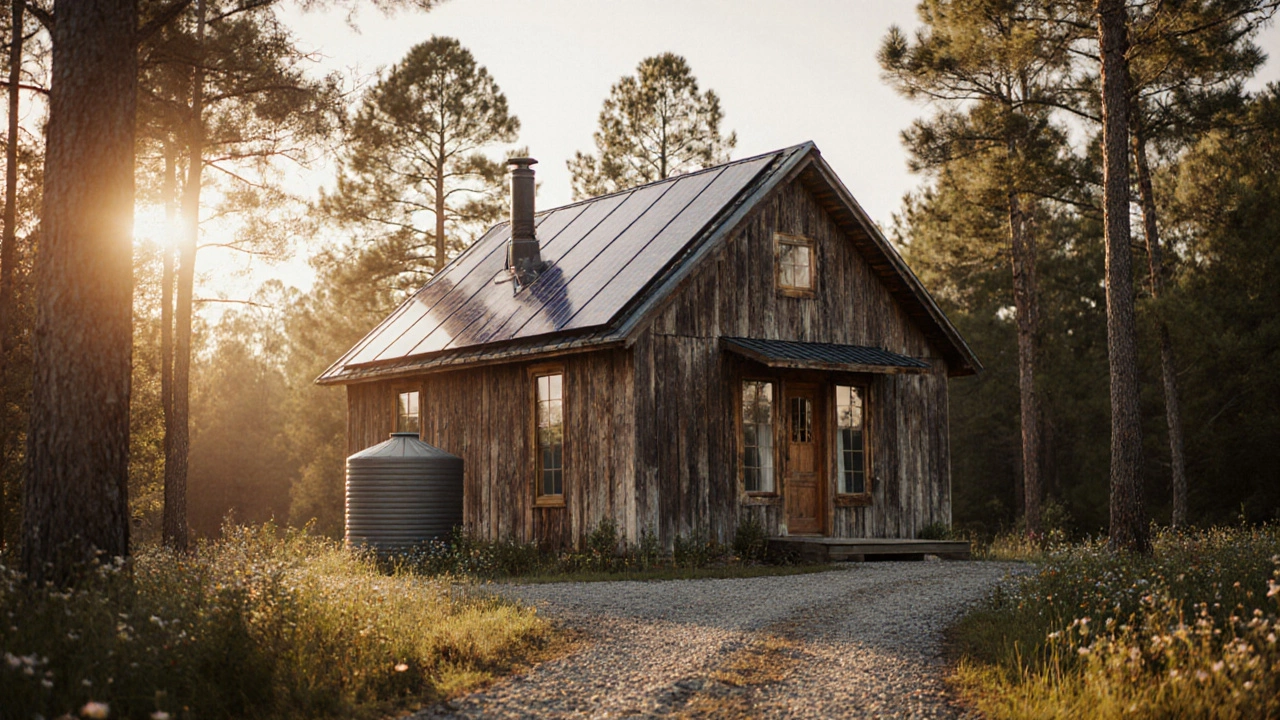
Discover the least expensive states to build an eco-friendly cottage in 2025. Alabama, Mississippi, and Texas offer low land prices, minimal permits, and affordable labor for sustainable homes under $100,000.
Read More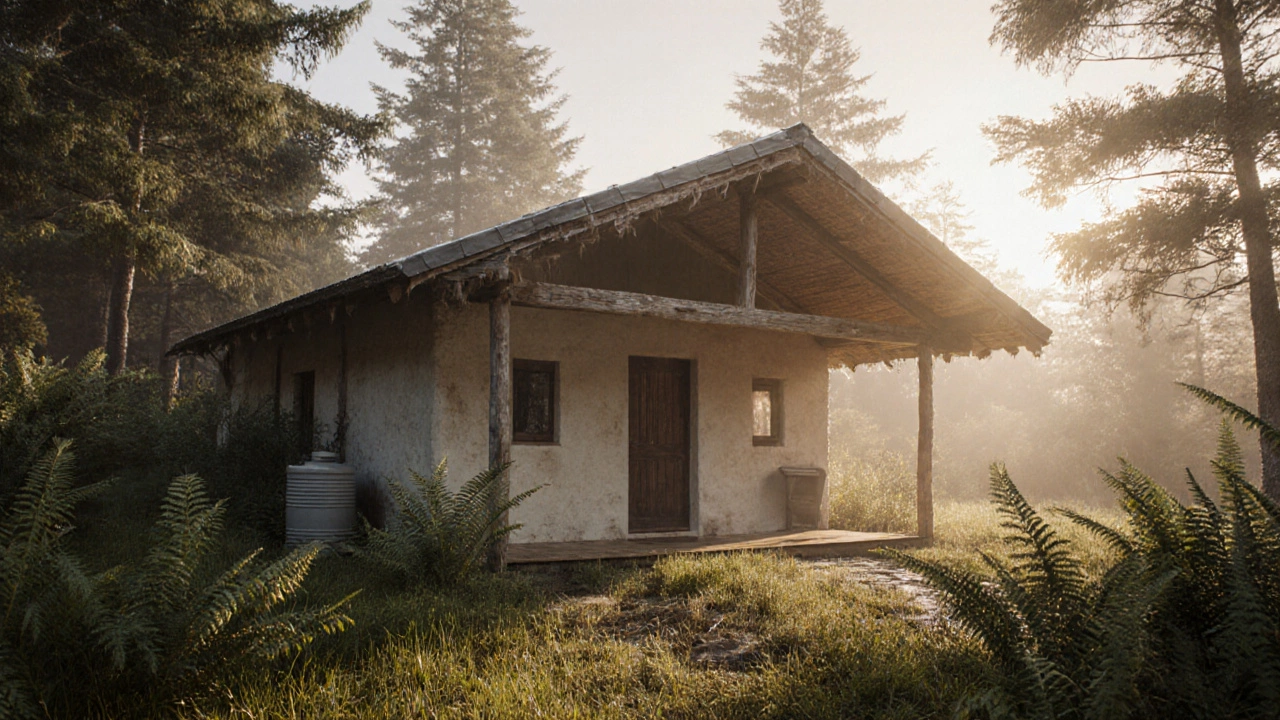
The most environmentally friendly housing uses local materials, passive design, and low energy use. Straw bale, Passive House, and Earthship homes lead the way with real-world results in New Zealand and beyond.
Read More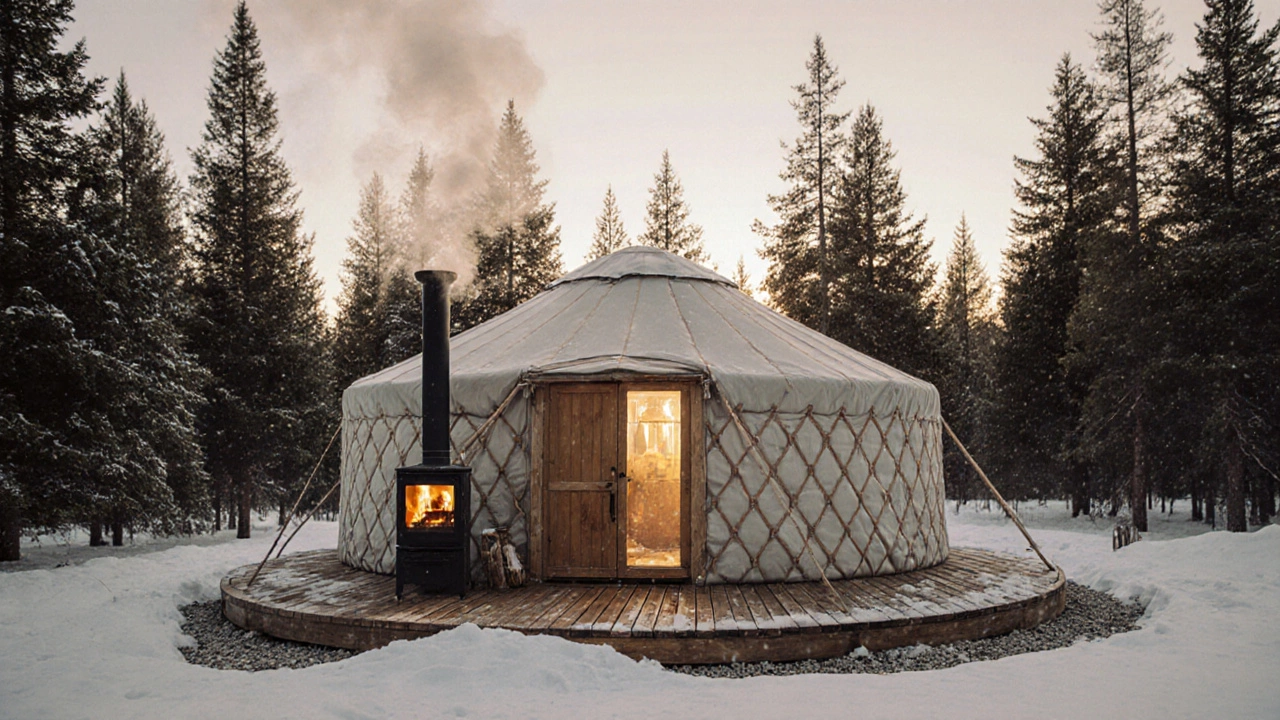
Yurts can be highly eco-friendly when built with natural materials, proper insulation, and off-grid systems. Learn how they compare to traditional cabins, their real energy savings, and what to watch out for when buying one.
Read More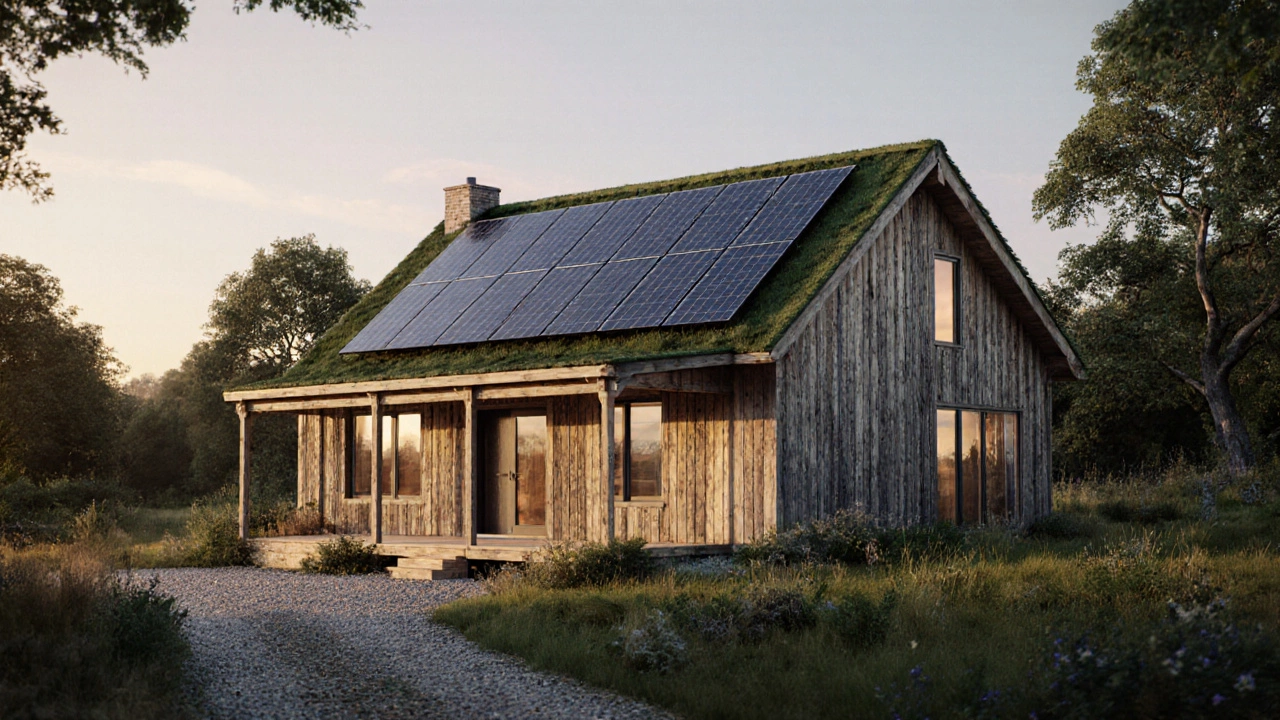
Explore how much eco-friendly houses really cost, the key drivers behind the price, and ways to keep the premium low while enjoying long‑term savings.
Read More