Eco-Cottage Sustainability Score Calculator
How Sustainable Is Your Eco-Cottage?
Assess your cottage's sustainability based on the 5 pillars of sustainable living described in the article.
Built on already-developed land? Proximity to community resources?
Use of natural, local, and sustainable materials?
Passive design, renewable energy, minimal grid dependency?
Rainwater collection, greywater recycling, drought-tolerant landscaping?
Composting systems, zero-waste philosophy, repairable design?
When people ask what the most sustainable place to live is, they’re not just looking for a pretty view or a quiet street. They want to know where they can reduce their carbon footprint, live with less waste, and still have comfort, safety, and connection to nature. The answer isn’t a country or a city-it’s a type of home built with intention, not just materials. And right now, the most proven, practical, and scalable model for sustainable living isn’t a high-rise solar tower or a zero-waste apartment complex. It’s the modern eco-friendly cottage.
Why Eco-Friendly Cottages Lead in Sustainability
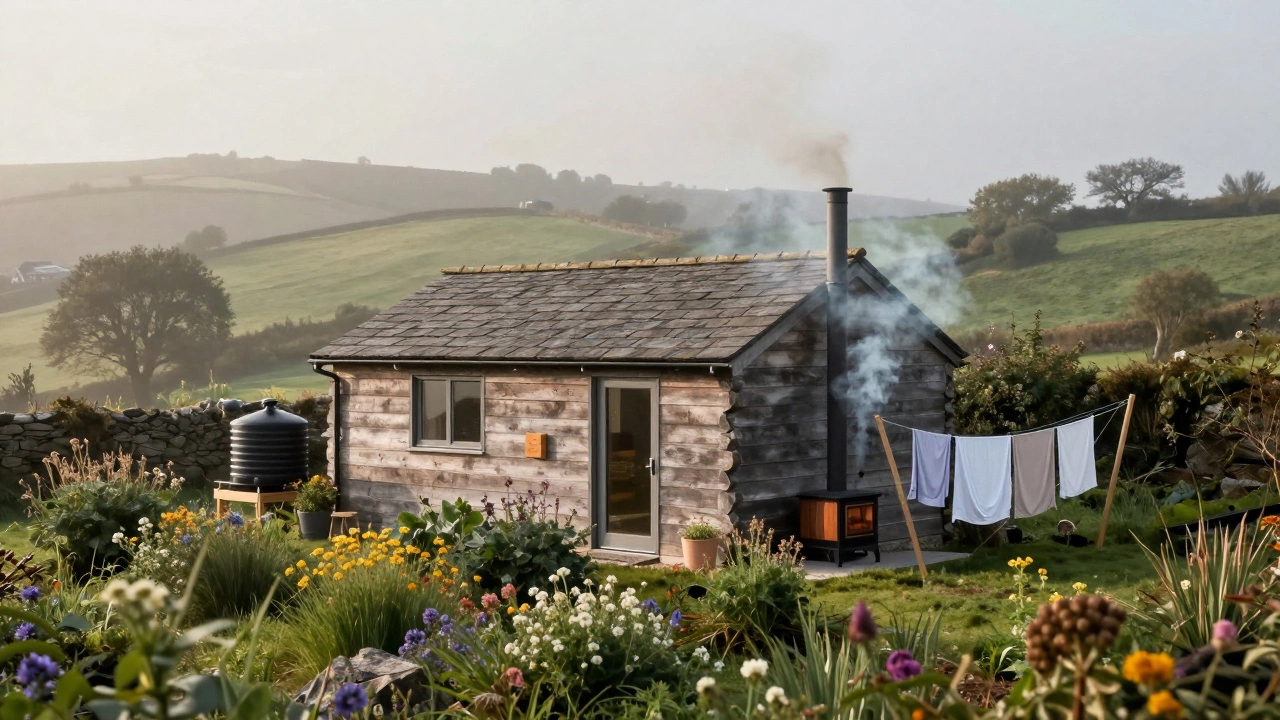
Most green buildings focus on energy efficiency. But eco-friendly cottages go further. They’re designed to work with the land, not against it. A well-built cottage in a rural or coastal setting uses passive solar heating, rainwater harvesting, composting toilets, and local, natural materials like timber, stone, and clay plaster. These aren’t futuristic ideas-they’re tried-and-true methods used for centuries in places like Scandinavia, New Zealand, and the Appalachian region.In 2025, the average eco-friendly cottage in New Zealand, for example, produces 70% less carbon emissions than a standard suburban home. That’s not because of fancy tech. It’s because the design is simple: small footprint, natural insulation, no grid dependency, and locally sourced everything. A cottage built with reclaimed timber from a demolished barn, insulated with sheep’s wool, and heated by a wood stove fed by fallen branches on the property doesn’t just save energy-it rebuilds a relationship with the environment.
What Makes a Cottage Truly Sustainable?
Not every cottage labeled "eco-friendly" deserves the name. Many are just painted green with solar panels slapped on top. Real sustainability has five non-negotiable pillars:- Location: Built on already-developed land, not cleared forest or wetland. Proximity to walking trails, public transport, or community gardens counts.
- Materials: No PVC, no synthetic insulation, no imported steel. Think FSC-certified wood, rammed earth, hempcrete, or recycled metal roofing.
- Energy: Passive design first-south-facing windows, thermal mass walls, overhangs for summer shade. Solar panels are a bonus, not a crutch.
- Water: Rainwater collection, greywater recycling, drought-tolerant native landscaping. No lawn.
- Waste: Composting systems, zero single-use plastics, repairable design. If it breaks, you fix it. You don’t replace it.
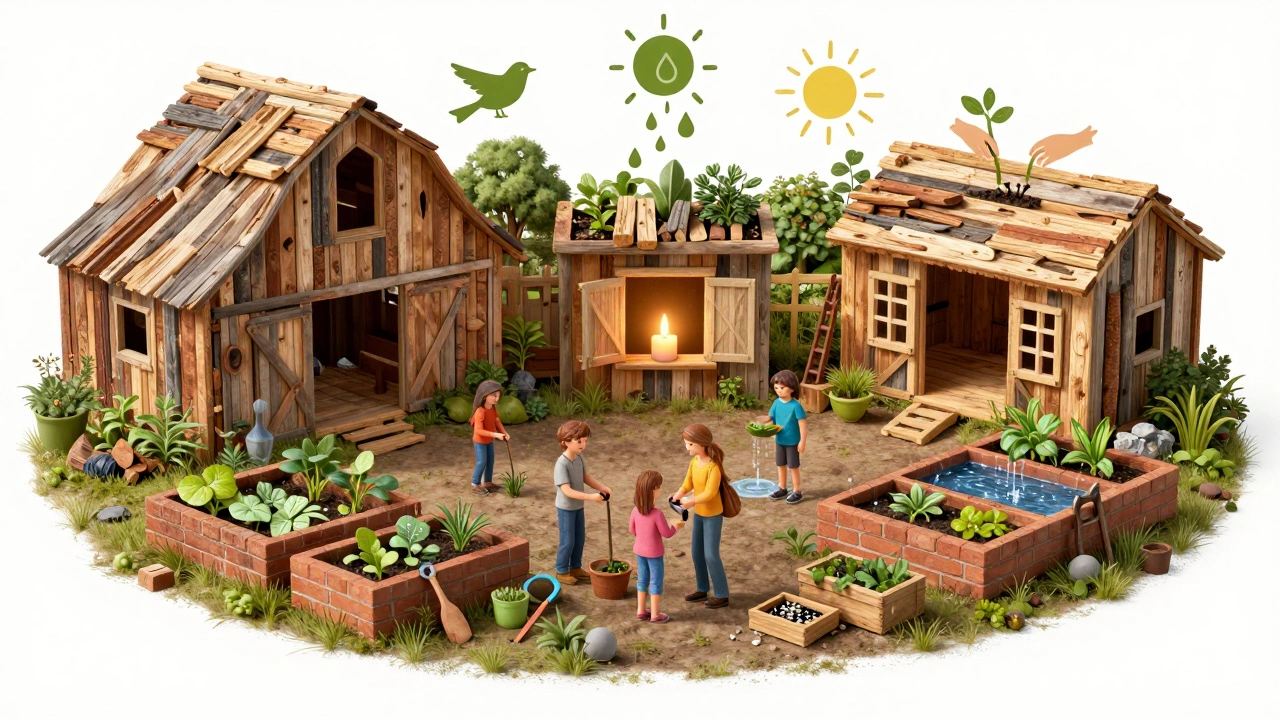
Take the cottage in Devonport, New Zealand, that runs on 100% solar and collects 12,000 liters of rainwater a year. It has no fridge-just a cool room lined with stone. No washing machine-just a hand-cranked tub and line drying. The owner grows 80% of their food in raised beds made from recycled bricks. This isn’t a lifestyle experiment. It’s a functional, year-round home.
Top Regions for Sustainable Cottages in 2025
If you’re looking to move or build, these areas have the best combination of climate, community, and legal support for eco-living:- South Island, New Zealand: Especially Nelson, West Coast, and Otago. Mild winters, strong local recycling programs, and zoning laws that favor small-scale sustainable builds. Many cottages here are off-grid and legally permitted under "low-impact dwelling" rules.
- Western Maine, USA: Long winters mean thick insulation and wood heat are standard. Community co-ops share tools, seeds, and firewood. Property taxes are low for land used for food production.
- Galicia, Spain: Stone cottages with slate roofs, built into hillsides. Rainwater is collected in century-old cisterns. Local laws encourage restoration, not demolition.
- Southern Sweden: Passive House standards are common even for small homes. Forests are managed sustainably, and timber is abundant. Many cottages use wood pellet stoves powered by local sawmill waste.
- Devon, England: Historic stone cottages are being retrofitted with modern insulation and solar thermal systems. The government offers grants for restoring traditional buildings with green upgrades.
Each of these places shares one thing: they don’t reward excess. They reward resourcefulness.
What to Avoid When Choosing a "Sustainable" Cottage
The market is flooded with greenwashed listings. Watch out for these red flags:- "Net-zero" claims without energy use data: If they don’t show your monthly kWh usage, they’re guessing.
- Imported materials: Bamboo from China, cork from Portugal, or "eco" insulation made in a factory 3,000 miles away? That’s not sustainable-it’s just expensive.
- Large solar arrays on rooftops: A 10kW system on a 600-square-foot cottage? That’s overkill. You don’t need to power a whole neighborhood from one roof.
- Landscaping with exotic plants: If it needs watering every week, it’s not native. It’s not sustainable.
- "Luxury" eco-cottages with hot tubs and heated floors: A hot tub uses more energy in one weekend than a sustainable home uses in a month.
The best eco-cottages don’t scream "green." They whisper it. You notice it in the way the wood has aged naturally, the way the garden feeds the kitchen, the way the rain runs off the roof into a cistern instead of a storm drain.
Living in a Sustainable Cottage: Real Daily Life
People think sustainable living means sacrifice. It doesn’t. It means recalibration.Instead of turning on the AC when it hits 28°C, you open the windows at night and let the stone floor absorb the cool air. In the morning, you brew coffee on a wood stove. You check the rain gauge before watering plants. You fix a broken hinge instead of buying a new door. You walk to the local market because the cottage is 200 meters from the road.
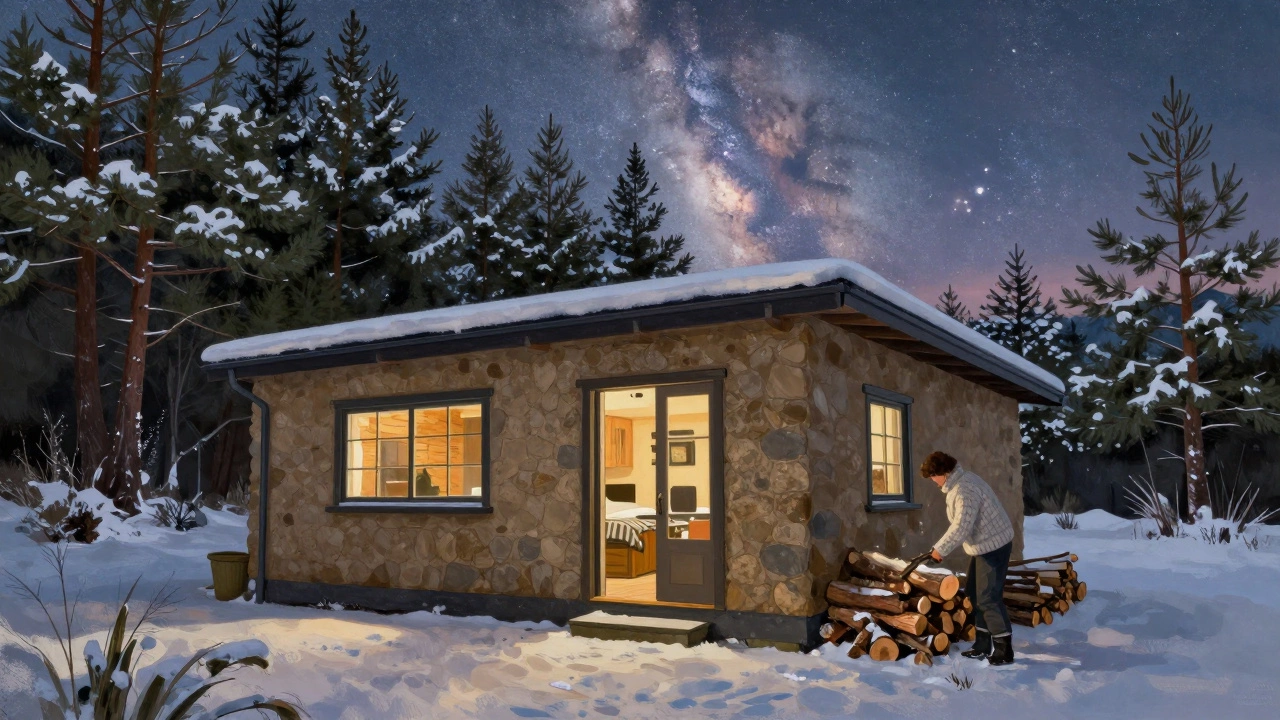
There’s no Wi-Fi in the bathroom. You don’t miss it. You read books by candlelight in winter. You talk to neighbors more. You know where your food comes from because you grew it. You feel more connected-not because of apps or social media, but because your survival depends on the rhythm of the seasons.
A 2024 study by the University of Canterbury tracked 120 households in sustainable cottages across New Zealand. The average resident reported higher life satisfaction than those in conventional homes-even though their income was 20% lower. Why? Less debt. Less noise. Less clutter. More control.
How to Start Your Own Eco-Friendly Cottage
You don’t need to buy land in New Zealand to begin. Start where you are:- Reduce your current home’s footprint by 30%: Unplug idle devices, install low-flow showerheads, switch to LED bulbs.
- Grow something-even if it’s herbs on a windowsill. Learn what grows well in your climate.
- Visit an existing eco-cottage. Many in New Zealand, Sweden, and Maine offer short-term stays through eco-lodging networks.
- Learn basic carpentry or masonry. YouTube isn’t enough. Take a weekend course on natural building.
- Start saving. A truly sustainable cottage costs less to run, but the upfront cost? It’s real. Budget $80,000-$150,000 for a 500-700 sq ft build in a moderate climate.
Don’t rush. The best eco-cottages are built slowly-over years, with salvaged materials, with help from friends. One woman in Nelson spent seven years collecting old windows from demolition sites before she built her cottage. Now it’s her home. And it’s beautiful.
The Bigger Picture
Sustainable living isn’t about being perfect. It’s about being present. The most sustainable place to live isn’t the one with the most solar panels. It’s the one where you feel like you belong-not as a consumer, but as a caretaker.When you wake up and the only sound is birdsong, the only heat comes from the sun, and the only water you use was collected from the sky-you realize something simple: you’re not living in a house. You’re living in a relationship.
Are eco-friendly cottages cheaper to live in than regular homes?
Yes, over time. While the upfront cost can be higher due to materials and design, monthly expenses drop dramatically. Most eco-cottages have no electricity bill, minimal water charges, and no heating fuel costs if designed well. One family in Otago, New Zealand, pays $12 a month in total utilities. That’s 90% less than the national average.
Can you live off-grid in an eco-friendly cottage year-round?
Absolutely. Off-grid living is the norm, not the exception, in places like New Zealand’s South Island, rural Maine, and parts of Sweden. With proper insulation, passive solar design, rainwater collection, and a wood stove, you can stay warm, clean, and fed through winter. Solar panels and battery systems handle lighting and electronics. It’s not about isolation-it’s about independence.
Do eco-cottages require special permits?
It depends on the country and region. In New Zealand, low-impact dwellings under 100 square meters often don’t need full building consent if they meet specific criteria-no septic system, no connection to mains water, and no foundation deeper than 60cm. In the U.S., rules vary by county. Some areas have "tiny home" or "alternative housing" ordinances that favor sustainable builds. Always check local zoning laws before buying land.
What’s the biggest mistake people make when building an eco-cottage?
Trying to do everything at once. People buy land, hire an architect, order imported solar panels, and design a 1,000-square-foot "green dream home." That’s not sustainable-it’s unsustainable. Start small. Build a 300-square-foot cabin first. Live in it for a year. Learn what you really need. Then expand. Most successful eco-cottages grew organically, not from a blueprint.
Is it possible to have modern comforts in an eco-friendly cottage?
Yes-but you redefine "comfort." Hot water? Yes, via solar thermal. Wi-Fi? Yes, if you need it. A washing machine? Possible, but most people use a hand-cranked tub and line dry. The point isn’t to eliminate convenience-it’s to choose convenience that doesn’t cost the planet. A well-designed cottage has LED lighting, a composting toilet, and a wood-fired oven. It’s not a cave. It’s a thoughtful home.
Living sustainably isn’t about perfection. It’s about paying attention. The most sustainable place to live isn’t a place you find. It’s a way of being you choose-every day, in every small decision.