Glamping Cost Estimator (NZD)
Estimated Total
New Zealand Dollars (NZD)
Breakdown
Booking direct may save 10-15%.
You want the romance of sleeping under the stars without the blisters on your feet. That is exactly what glamping promises. But when you start scrolling through booking sites, the numbers can be confusing. One yurt looks like a bargain at $80, while a nearby bell tent asks for $450. Why the massive gap? Is it just marketing hype, or are you paying for something real?
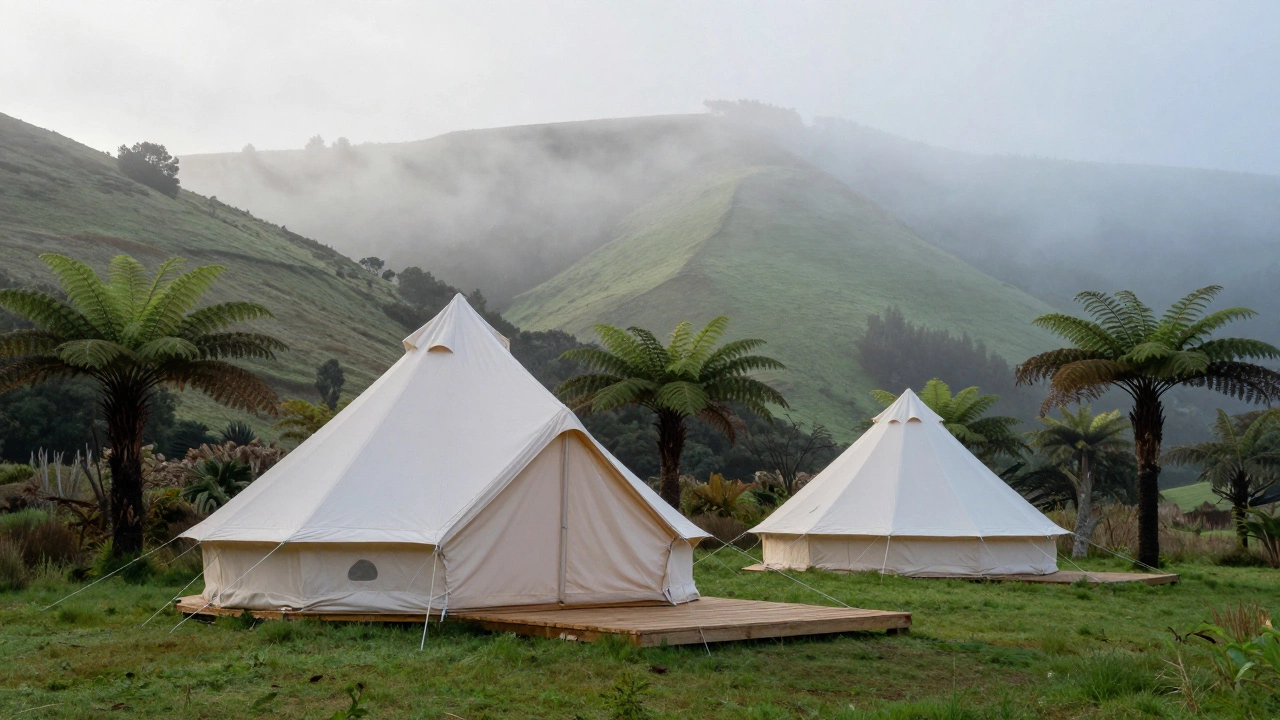
I have spent years tracking down these stays, from the misty hills of Devonport to remote forests further south. The truth is, there is no single price tag for glamping. It depends entirely on what kind of structure you book, where it sits on the map, and whether you want a hot shower or just a bucket of cold water. Let’s break down exactly what you should expect to pay in 2026 so you don’t get blindsided by hidden fees.
The Baseline: What Does 'Standard' Glamping Cost?
If you are looking for a straightforward answer, here is the average range for a standard glamping unit per night in New Zealand and similar markets in 2026:
- Budget Glamping (Tents/Yurts): $100 - $200 NZD
- Mid-Range (Safari Tents/Cabins): $200 - $350 NZD
- Luxury Glamping (Treehouses/Domes): $350 - $600+ NZD
This baseline assumes you are booking a double occupancy room during shoulder season (spring or autumn). If you step into peak summer (December to February) or school holidays, add at least 20% to these figures. The key difference between the tiers isn't just the view; it's the infrastructure. Budget options often require you to bring your own bedding or cook on an open fire. Luxury options include linens, private decks, and sometimes even breakfast delivery.
Structure Type Drives the Price Tag
The physical building you sleep in is the biggest factor in the nightly rate. You are paying for materials, maintenance, and aesthetic appeal. Here is how the most common structures stack up financially.
| Structure Type | Price Range (NZD) | What You Get |
|---|---|---|
| Canvas Bell Tent | $120 - $220 | Wooden floor, basic furniture, shared or external bathroom. |
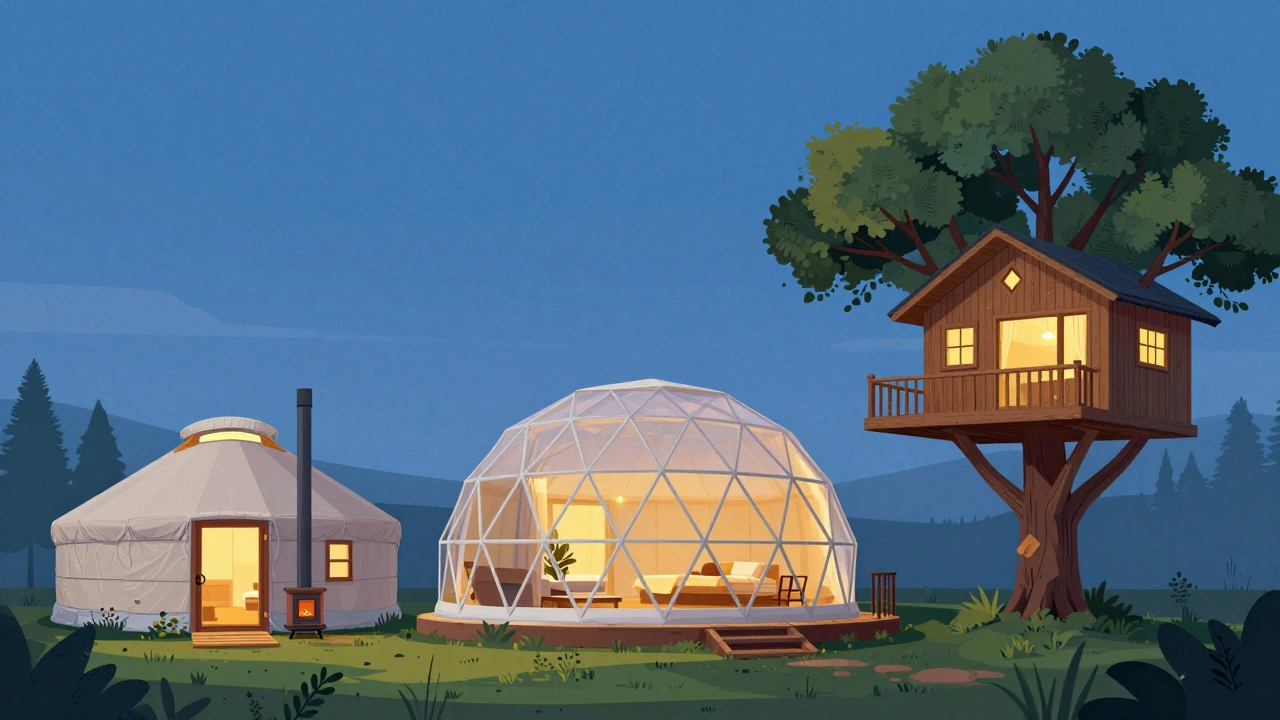
| Yurt | $150 - $280 | Insulated walls, wood stove, more space, often en-suite. |
| Geodesic Dome | $200 - $350 | Stargazing roof, modern interior, private deck, high-end amenities. |
| Treehouse | $250 - $450 | Elevated experience, premium construction, unique views, often all-inclusive meals. |
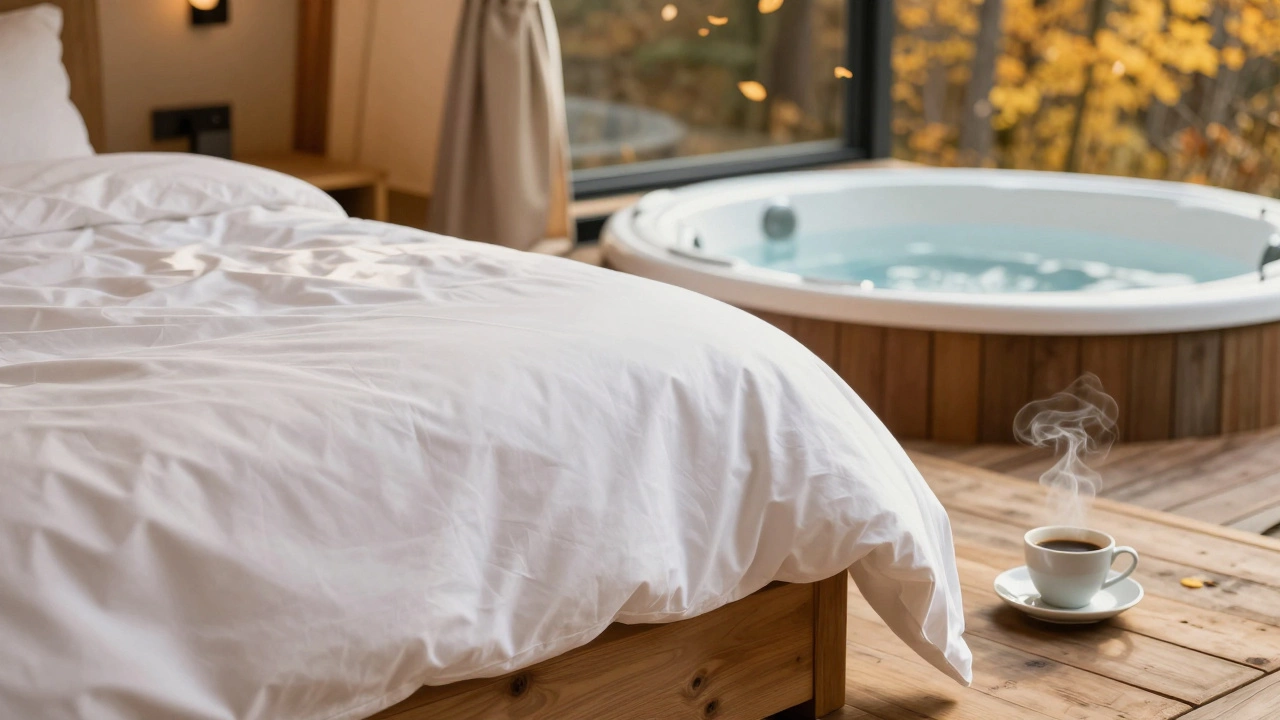
| Luxury Cabin | $300 - $600+ | Solid walls, full kitchen, hot tub, hotel-like service. |
Notice that treehouses and domes command a premium. This is partly due to the engineering complexity involved in building them safely off the ground or with complex curved roofs. When you book a dome, you are also paying for the novelty of the panoramic sky view. If you prioritize comfort over novelty, a well-built yurt with a wood burner offers the best value for money in colder months.
Location, Location, Location
Where the glamping site sits changes the price drastically. A yurt in a quiet rural paddock will cost significantly less than an identical yurt overlooking a pristine beach or a famous national park. In New Zealand, properties within Abel Tasman National Park or near Queenstown often charge double the rates of those in lesser-known regions like Northland or the West Coast.
Accessibility also plays a role. Sites that are easy to reach by car tend to be slightly cheaper because they attract day-trippers and shorter stays. Remote locations that require a four-wheel drive or a boat transfer charge more to cover the logistical difficulty and to limit visitor numbers. Ask yourself: do you want convenience or isolation? Isolation costs extra.
Hidden Fees That Blow Up Your Budget
The nightly rate is rarely the final number you see on your credit card statement. I have seen travelers shocked by additional charges that were buried in the fine print. Here is what to watch out for in 2026:
- Cleaning Fees: Many operators now charge a flat cleaning fee ranging from $30 to $80 per stay, separate from the nightly rate.
- Firewood: If the listing says "wood stove provided," check if fuel is included. Often, you must buy firewood on-site at a markup.
- Tourism Levy: Some councils impose a small tourism tax per person per night. This is usually added at checkout.
- Minimum Stay Requirements: During peak seasons, many glamping sites enforce a two-night minimum. This means you cannot just pop in for one night; you are locked into paying for two.
- Security Deposits: While less common now, some high-end sites still hold a refundable deposit against damage or excessive mess.
Always read the "House Rules" section before booking. A $150-a-night tent can easily become a $250-a-night experience once you add cleaning, firewood, and taxes.
Seasonal Swings: When to Book for Best Value
Timing is everything. Glamping is highly seasonal. In New Zealand, the high season runs from mid-November to early April. During this window, demand spikes, and prices follow suit. If you are flexible, aim for the "shoulder seasons": late April to May (autumn) or September to October (spring).
Autumn is particularly beautiful for glamping. The crowds thin out, the light is golden, and prices drop by 15-20%. Spring brings wildflowers and birdlife, offering great photo opportunities at lower rates. Winter glamping exists too, but it is niche. You need a heated yurt or cabin with good insulation. If you love snow and silence, winter rates can be surprisingly low, but availability is limited because many sites close for maintenance.
Is Glamping Cheaper Than a Hotel?
Let’s compare apples to apples. A budget motel in a tourist town might cost $120 a night. A comparable glamping tent might cost $150. So, glamping is generally not the cheapest option. However, it offers a different value proposition. You are paying for immersion in nature, privacy, and often a larger outdoor space than a hotel room provides.
If you compare glamping to luxury hotels, the math flips. A five-star hotel room in Queenstown can easily exceed $500 a night. A luxury glamping dome in the same region might cost $350, including access to hiking trails and stargazing decks. For couples seeking romance or families wanting a nature connection, glamping often provides better emotional value for the dollar than a sterile hotel room.
How to Save Money on Glamping
You don’t have to break the bank to enjoy a high-quality glamping experience. Here are practical strategies to keep costs down:
- Book Directly: Booking platforms take a commission of 10-15%. Many glamping sites offer a discount if you book through their own website. Send them an email asking for a direct booking rate.
- Stay Longer: Weekly rates often come with a 10-15% discount compared to nightly rates. If you can stretch your trip, do it.
- Choose Off-Peak Dates: Avoid public holiday weekends. Prices skyrocket during these periods.
- Pack Smart: Bring your own bedding if allowed. Some sites charge extra for linen hire. Also, bring your own food and drinks. On-site cafes and bars mark up prices significantly.
- Look for Lesser-Known Regions: Instead of chasing the famous spots, explore emerging glamping destinations. Places like the Catlins or the Marlborough Sounds offer stunning scenery at lower price points than Rotorua or Wanaka.
What Defines 'Luxury' in Glamping?
In 2026, the definition of luxury glamping has evolved. It is no longer just about a pretty tent. True luxury includes:
- Private En-Suite Bathrooms: With hot showers and quality toiletries. No more queuing for communal facilities.
- Climate Control: Efficient heating (wood burners or electric) and cooling options. Comfort is non-negotiable.
- High-Quality Bedding: Thick mattresses, duvets, and pillows that rival a boutique hotel.
- Outdoor Living Spaces: Private decks, hot tubs, or fire pits that allow you to relax outdoors in comfort.
- Service: Options for breakfast delivery, guided tours, or concierge services.
If a glamping site lacks these elements, it is likely positioned as "budget" or "mid-range." Don’t let fancy photos fool you. Check the amenity list carefully.
What is the average cost of glamping per night in New Zealand?
The average cost ranges from $150 to $350 NZD per night for a standard double occupancy. Budget options start around $100, while luxury experiences can exceed $600 per night depending on location and amenities.
Are there hidden fees in glamping bookings?
Yes, common hidden fees include cleaning charges ($30-$80), firewood costs, tourism levies, and security deposits. Always check the total price breakdown before confirming your booking.
When is the cheapest time to go glamping?
Shoulder seasons (April-May and September-October) offer the best value. Prices drop by 15-20% compared to peak summer months. Winter can be cheap but limits available sites due to weather constraints.
Is glamping more expensive than camping?
Yes, glamping is significantly more expensive than traditional camping. However, it eliminates the need for expensive gear, setup effort, and lack of comfort. It is priced closer to boutique hotels than campgrounds.
Can I save money by booking glamping directly?
Yes, booking directly with the operator often saves you 10-15% in platform commissions. Many sites also offer perks like free upgrades or discounts for longer stays when booked directly.