Eco-Friendly Stay Estimator
📋 Customize Your Stay
Select the sustainability features available at your chosen cottage:
📈 Impact Analysis
Eco-Score Rating
Based on selected featuresEstimated Cost Comparison
Environmental Impact Reduction
You’ve probably scrolled past headlines claiming a tiny island or a remote village is the “greenest place on earth.” It’s catchy. But if you’re looking for a real answer-somewhere you can actually go, stay, and sleep without guilt-the truth is messier. There isn’t one single spot that wins every metric. Carbon footprint? Biodiversity protection? Water usage? Waste management? The winner changes depending on what you value most.
However, there are specific regions and types of accommodations that consistently outperform the rest. If you want to minimize your environmental impact while traveling, the secret isn’t just picking a location; it’s picking the right *kind* of stay within that location. This is where eco-friendly cottages come into play. They aren't just marketing fluff; they represent a structural shift in how we build and live in sensitive environments.
Why Location Alone Doesn't Define "Green"
We often think of places like Costa Rica or New Zealand as inherently eco-friendly because they look pristine. But a beautiful landscape doesn't mean low impact. In fact, mass tourism in these areas often strains local resources. The real measure of an eco-friendly place involves three pillars: energy independence, waste circularity, and biodiversity integration.
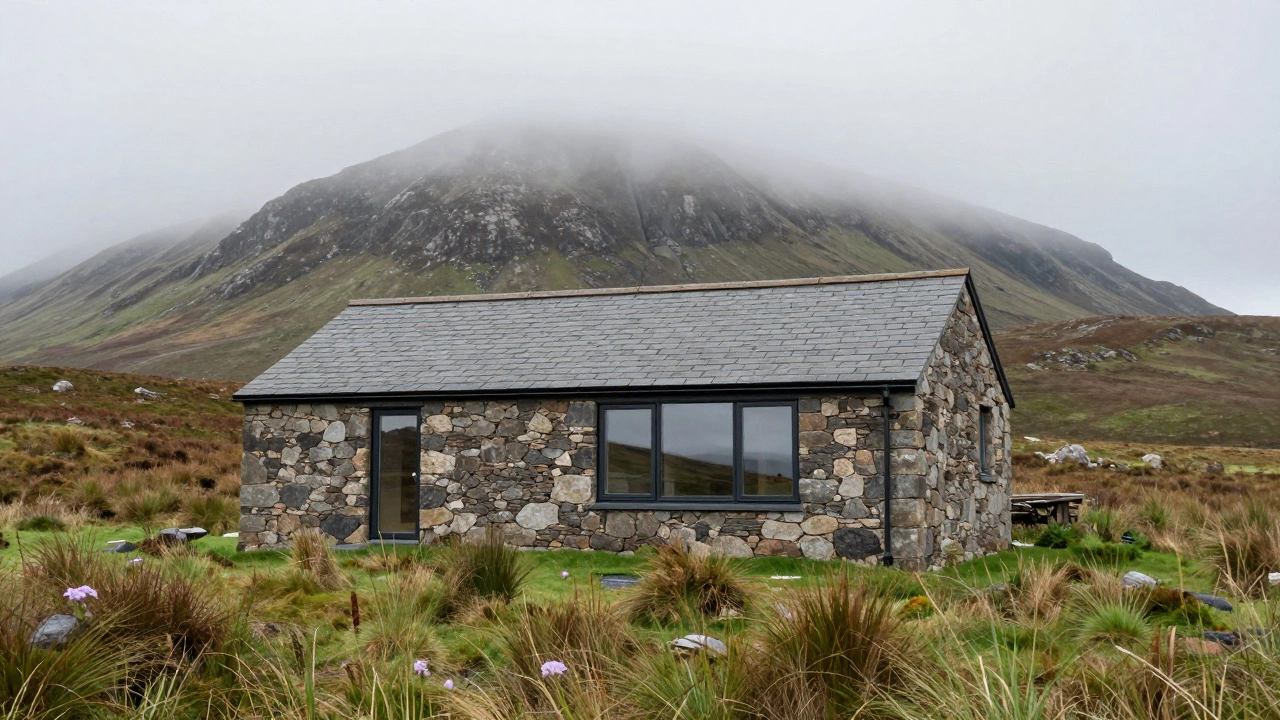
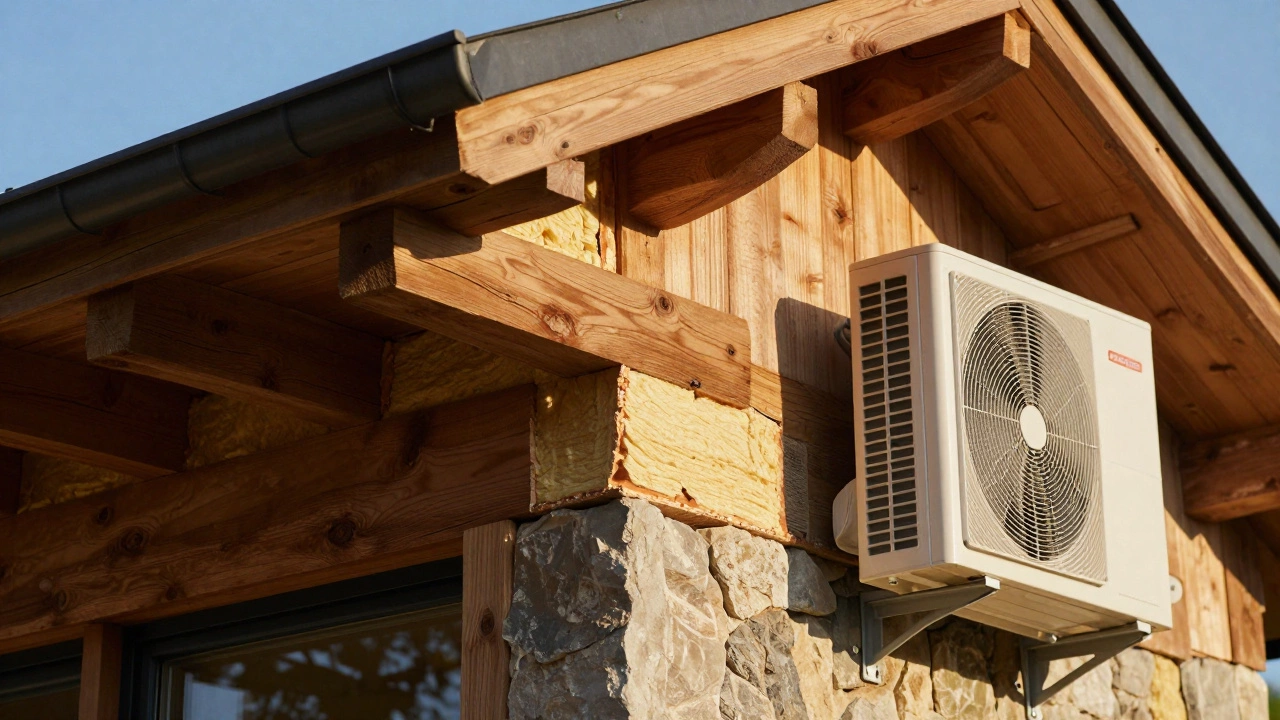
Consider Iceland. It runs almost entirely on geothermal and hydroelectric power. That sounds perfect, right? Yet, the influx of tourists has led to soil erosion from off-road driving and strain on water supplies in small towns. Now compare that to a certified eco-cottage in the Scottish Highlands. It might not have national-scale renewable grids, but the individual structure generates its own heat via air-source heat pumps, treats its own greywater, and blends into the peatland rather than disrupting it.
The "most eco-friendly place" is often a micro-environment created by intelligent design rather than a macro-location blessed by nature. When you choose a stay that operates independently of fragile local infrastructure, you reduce the burden on the community.
The Rise of the Eco-Friendly Cottage
So, what makes a cottage truly eco-friendly? It’s not just having solar panels on the roof. True sustainability requires a holistic approach to the building's lifecycle and daily operation.
Eco-friendly cottages are small-scale residential structures designed to minimize environmental impact through sustainable materials, energy efficiency, and harmony with the local ecosystem. Unlike large hotels that require massive HVAC systems and constant linen washing, cottages offer a lower-carbon alternative.
Here are the non-negotiable features of a genuinely green cottage:
- Passive Design: The orientation of the house maximizes natural light and heat in winter while minimizing it in summer. Think thick insulation, triple-glazed windows, and strategic overhangs. This reduces the need for active heating and cooling.
- Local Materials: Timber sourced within 50 miles, stone from nearby quarries, and reclaimed wood. This cuts down on transportation emissions significantly. For example, using locally harvested oak instead of imported teak reduces carbon footprint by up to 70%.
- Off-Grid Capabilities: Many top-tier eco-cottages operate off-grid. They use rainwater harvesting systems for toilet flushing and garden irrigation, and composting toilets to eliminate blackwater issues entirely.
- Biophilic Integration: The structure doesn't dominate the land. It sits lightly, often on stilts or shallow foundations to allow wildlife corridors to pass underneath and vegetation to grow around it.
These features turn a simple vacation rental into a tool for conservation. You aren't just visiting nature; you're participating in its preservation.
Top Regions for Low-Impact Stays
If you’re ready to book, which regions offer the best concentration of high-quality, verified eco-friendly accommodations? Here are three standout areas where the infrastructure supports genuine sustainability.
| Region | Key Sustainability Feature | Best Accommodation Type | Average Cost Premium |
|---|---|---|---|
| Scottish Highlands, UK | Renewable energy grid + strict planning laws | Stone-built eco-cottages | 10-15% |
| Costa Rica (Osa Peninsula) | Biodiversity protection & reforestation | Rainforest treehouses/cottages | 20-30% |
| Patagonia, Chile/Argentina | Wind power dominance & waste management | Insulated timber lodges | 25-40% |
Scotland is a leader in this space. The government has ambitious net-zero targets, and many rural cottages have been retrofitted with modern insulation and heat pumps. The architecture respects the rugged terrain, using dry-stone walls and slate roofs that last for centuries.
Costa Rica, specifically the Osa Peninsula, offers a different model. Here, the focus is on biodiversity. Many eco-lodges and cottages are built on raised platforms to protect the forest floor. They often partner with local conservation projects, meaning part of your stay directly funds jaguar tracking or sea turtle protection.
Patagonia is harsher. The wind is relentless, so buildings must be incredibly efficient. The best stays here use advanced passive house standards. Because the region relies heavily on wind energy, your electricity usage is nearly carbon-neutral. However, the remoteness means waste management is critical; top operators bring all waste back to cities for proper processing.
How to Spot Greenwashing vs. Genuine Effort
This is the hardest part. Every hotel website now claims to be "green." They might mention towel reuse programs or LED bulbs. That’s not enough. That’s greenwashing. To find the real deal, you need to look for certifications and specific operational details.
Look for these third-party verifications:
- Green Key: An international eco-label for tourism establishments. It covers water, energy, waste, and social responsibility.
- LEED Certification: While more common for commercial buildings, some high-end eco-cottages achieve LEED Platinum status, proving rigorous construction standards.
- B Corp Certification: This indicates the entire company behind the accommodation meets high standards of social and environmental performance.
- EarthCheck: A scientific benchmarking program that measures actual environmental performance against global benchmarks.
Don't just look at the badge. Read the fine print. Does the cottage source food from within 10 miles? Do they have a rainwater collection system? Are their cleaning products biodegradable? If the description is vague, move on. Genuine eco-friendly places are proud of their specifics because those details are expensive and difficult to implement.
The Economic Reality of Sustainable Travel
Let’s address the elephant in the room: cost. Eco-friendly cottages usually cost more than standard Airbnb rentals or chain hotels. Why? Because sustainability is expensive upfront. High-performance insulation, solar battery storage, and organic landscaping require significant investment.
However, consider the long-term value. When you stay in a conventional hotel, much of your money goes to corporate shareholders. When you stay in a locally-owned eco-cottage, especially in regions like the Scottish Highlands or rural Costa Rica, your spending stays in the community. You’re supporting local farmers who supply the breakfast basket, local artisans who made the furniture, and guides who know the trails.
Furthermore, the quality of life is often higher. Better insulation means quieter nights. Fresh air filtration means better sleep. Access to clean, unprocessed food means better health. You’re paying for an experience that restores you, rather than depletes you.
Practical Tips for Your Next Green Stay
You don’t need to wait for a trip to Patagonia to start making greener choices. Here’s how to apply these principles wherever you go:
- Book Directly: Avoid big booking platforms when possible. Booking directly with the cottage owner reduces transaction fees and builds a relationship. Ask them about their sustainability practices before you book.
- Travel Slow: The biggest carbon footprint in travel comes from getting there, not the stay itself. Choose a destination closer to home, or stay longer in one place to offset the travel emissions.
- Bring Reusables: Even eco-friendly places may provide plastic bottles or toiletries. Bring your own water bottle, shampoo bars, and toothbrush. It shows respect for their efforts.
- Respect Local Norms: In many eco-communities, there are unwritten rules about noise, waste, and wildlife. Listen to your host. If they say no drones, don’t fly them. If they say leave no trace, do exactly that.
The most eco-friendly place on earth isn’t a dot on a map. It’s a mindset. It’s choosing a small, well-built cottage that respects its surroundings over a sprawling resort that consumes them. It’s recognizing that our presence can be a force for good, not just extraction.
What is the most eco-friendly country to visit?
While no country is perfect, Iceland, Denmark, and Costa Rica consistently rank highest due to their high percentage of renewable energy usage and strong environmental policies. However, the impact of your stay depends more on the specific accommodation and your behavior than the country itself.
Are eco-friendly cottages more expensive than regular hotels?
Yes, typically by 10-30%. The higher cost reflects sustainable construction materials, renewable energy systems, and fair wages for local staff. However, many guests find the value higher due to better air quality, privacy, and direct support of local communities.
How can I tell if a hotel is genuinely eco-friendly?
Look for third-party certifications like Green Key, LEED, or EarthCheck. Avoid places that only mention "towel reuse" programs. Genuine eco-hotels will detail their energy sources, water treatment methods, and local sourcing practices on their website.
Do eco-friendly cottages work in cold climates?
Absolutely. In fact, cold climates benefit most from eco-design. Passive house standards, superior insulation, and heat pumps make these cottages extremely efficient. Examples in Scotland and Scandinavia show that cozy, warm stays are possible with minimal energy use.
Is flying to an eco-friendly destination worth it?
Flying has a high carbon footprint. To mitigate this, consider staying longer to amortize the travel emissions, or choose train-accessible destinations in Europe or Asia. If you must fly, look into carbon offset programs that invest in verified reforestation or renewable energy projects.