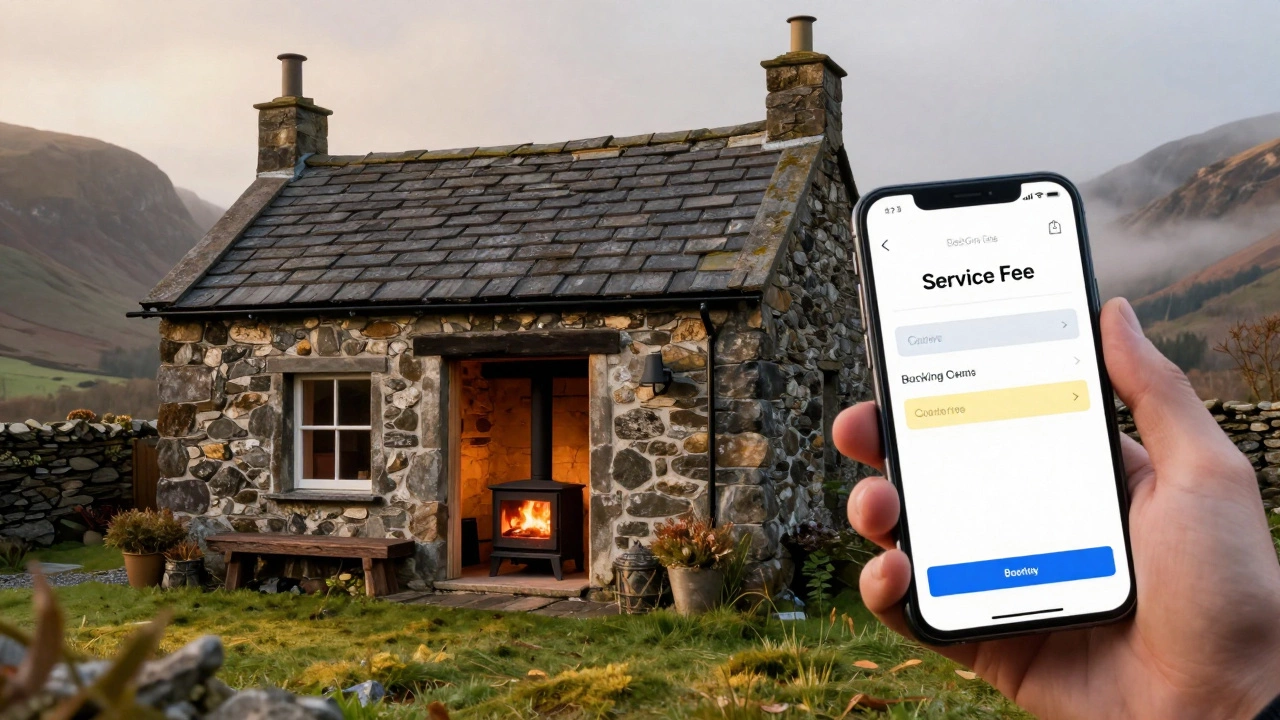
You’ve found the perfect stone-built cottage with a wood-burning stove and a view of the Lake District. You click 'Book Now,' ready to secure your summer escape, and then you see it: an extra charge listed as a 'booking fee' or 'service fee.' It feels like a slap in the face after hours of scrolling. You aren’t alone in feeling this sting. For years, travelers have debated whether these hidden costs are worth the convenience.
If you are planning a trip for 2026, especially if you are hunting for those elusive last minute cottages, understanding exactly what you are paying for is crucial. The short answer? There isn't one single fixed price that applies to every property forever. However, we can break down how these fees work, why they exist, and how much you should realistically expect to pay so there are no surprises when the credit card statement arrives.
The Reality of the "Booking Fee" Structure
First, let’s clear up a common misconception. When people ask about the Sykes Cottages booking fee, they are often referring to two different charges that get lumped together in conversation: the service fee charged by the platform and the cleaning fee charged by the owner.
Sykes Cottages operates as an intermediary. They don’t own most of the properties; they list them. Their business model relies on taking a cut from the transaction to maintain their website, customer support lines, and marketing. This is distinct from Airbnb or Vrbo, which have very standardized fee structures. With traditional cottage companies like Sykes, the fees can sometimes be baked into the nightly rate, while other times they appear as separate line items at checkout.
In recent years, the industry has shifted toward transparency. You will rarely see a vague "admin fee." Instead, you’ll see specific breakdowns. If you are looking at a premium property in the Cotswolds versus a budget-friendly option in North Wales, the base price varies wildly, but the percentage added for service remains relatively consistent within the company's policy framework.
What Exactly Are You Paying For?
It helps to think of the booking fee not just as a tax, but as an insurance policy of sorts. Here is what that money actually covers:
- Customer Support: Unlike peer-to-peer platforms where you might be stuck messaging an owner who doesn’t reply, established cottage companies offer phone-based support. If the boiler breaks on day two of your holiday, you call them, not the landlord.
- Quality Assurance: Properties listed on major sites undergo regular inspections. The fee helps fund these checks to ensure the photos match the reality.
- Payment Security: Your money is held securely until the stay is confirmed, protecting you from fraud.
- Platform Maintenance: Keeping the search engine fast and the map accurate requires significant technical infrastructure.
When you book a last-minute cottage, you are often paying a premium for flexibility. Owners may lower the nightly rate to fill a gap in their calendar, but the administrative overhead for processing that quick turnaround doesn’t disappear. In fact, urgent bookings sometimes incur higher handling costs due to the expedited nature of the transaction.
Estimated Costs for 2026
While exact figures fluctuate based on exchange rates and corporate policy updates, here is a realistic range based on current market trends for UK holiday rentals. These estimates apply to a standard week-long stay.
| Fee Type | Typical Range (GBP) | Notes |
|---|---|---|
| Service/Booking Fee | £15 - £40 per booking | Often a flat rate regardless of stay length |
| Cleaning Fee | £50 - £150+ per stay | Varies heavily by property size and location |
| Resort/Council Tax | £5 - £15 per night | Common in Scottish Highlands and certain English counties |
| Pet Fee | £20 - £35 per pet | One-time fee for bringing animals |
For a family booking a four-bedroom cottage, the total additional costs could easily reach £150-£200 on top of the nightly rate. For a couple renting a small studio, it might be closer to £80. Always look for the "Total Price" before entering your payment details. Many sites now show this upfront, but some still hide it until the final confirmation screen.
Last Minute Cottages: Do Fees Change?
This is where it gets tricky. You mentioned an interest in last minute cottages. Generally, booking fees do not decrease just because you are booking late. In fact, the opposite is often true.
When owners release last-minute availability, they are trying to recover costs that would otherwise be lost. While the nightly rate might drop by 20% or 30%, the fixed administrative costs remain. Therefore, the booking fee represents a larger percentage of your total spend compared to a peak-season booking.
However, there is a silver lining. Some companies waive certain fees during off-peak periods to incentivize bookings. If you are flexible with your dates-say, traveling in November or February rather than July-you might find promotions that cover the service fee entirely. Keep an eye out for newsletter sign-ups; companies often send "fee-free" codes to subscribers to drive engagement.
Comparing Sykes Cottages to Alternatives
To understand if the fee is fair, you need context. How does it stack up against competitors? Let’s look at the landscape.
Airbnb typically charges guests a service fee of around 14% of the subtotal. For a £1,000 stay, that’s £140. Sykes Cottages’ flat-rate style fees often come out cheaper for longer stays or higher-value properties. If you are booking a luxury home for £2,000, a 14% fee is £280. A flat £40 service fee plus a £100 cleaning fee is significantly more affordable.
Vrbo usually charges a smaller guest fee, often under 5%, but passes more costs onto the host, which can result in higher nightly rates. Traditional cottage companies like Sykes, Cumbria Cottages, or Lakes Country Cottages tend to sit in the middle: moderate nightly rates with transparent, moderate fixed fees.
The key difference is reliability. With peer-to-peer platforms, you risk the "photo vs. reality" gap. Established cottage companies invest in verification. You are paying for peace of mind that the place exists, is clean, and matches the description.
How to Minimize Your Total Cost
You can’t always avoid fees, but you can manage them. Here are practical tips to keep your wallet happy:
- Book Directly When Possible: If you find a cottage you love, check if the owner has a direct website. Sometimes, booking directly bypasses the platform’s service fee entirely. You lose the central support line, but you save money.
- Bundle Services: Some companies offer discounts if you book multiple weeks or add extras like airport transfers through their portal. The marginal cost of adding a service is low for them, so they pass some savings on.
- Check for Student/Senior Discounts: If you qualify, these discounts often apply to the total bill, including fees. It’s worth asking customer service before you finalize.
- Read the Cancellation Policy: A cheap booking fee means nothing if you can’t cancel without penalty. Flexible bookings often cost more upfront but save you thousands if plans change.
- Use Price Alerts: Set up alerts for your desired region. Prices fluctuate daily. Booking when demand dips can lower the base rate enough to offset any fixed fees.
Hidden Costs to Watch Out For
Beyond the booking fee, there are other expenses that catch people off guard. Be aware of these before you arrive:
- Towels and Linens: Some budget listings charge extra for bed linen or towels. Check the amenities list carefully. If it says "bring your own," factor in the cost of buying or washing them.
- Energy Bills: Most cottages include electricity and heating in the price. However, some rural properties require you to pay for oil or wood separately. Ask about this in advance.
- Damage Deposits: While not a fee you keep, you may need to provide a hold on your credit card for potential damages. Ensure this is refundable and clearly defined.
Transparency is key. Reputable companies will list all mandatory charges before you enter payment details. If a site hides fees until the end, consider it a red flag.
Is It Worth It?
Ultimately, the question isn’t just "how much is the fee?" but "is the experience worth the extra cost?" For many travelers, the answer is yes. The convenience of a centralized booking system, verified reviews, and reliable support outweighs the £30-£50 difference in cost.
Especially for last-minute trips, where stress levels are high, having a professional team behind the booking provides reassurance. You aren’t just renting a room; you’re renting a guarantee. Just make sure you read the fine print, compare the total cost (not just the nightly rate), and plan ahead whenever possible to avoid the highest premiums.
Does Sykes Cottages charge a booking fee for last-minute reservations?
Yes, Sykes Cottages typically charges a service or booking fee regardless of when you book. While the nightly rate for a last-minute cottage might be discounted, the administrative fee remains. This fee covers customer support, payment processing, and quality assurance.
How much is the average cleaning fee for a cottage?
The average cleaning fee ranges from £50 to £150 depending on the size of the property and its location. Larger homes with more bathrooms and bedrooms will incur higher cleaning costs. This fee is usually paid once per stay, not per night.
Can I negotiate the booking fee?
Generally, no. Booking fees are set by the platform and are non-negotiable. However, you can sometimes find promotional codes via email newsletters that waive or reduce these fees. Booking directly with the owner might also allow you to bypass platform fees entirely.
Are there any hidden fees besides the booking fee?
Yes, watch out for resort taxes, pet fees, and optional extras like linen rental or early check-in. Some properties also charge for energy usage if they are not fully inclusive. Always review the "total price" breakdown before confirming your payment.
Is it cheaper to book directly with the owner?
Often, yes. Booking directly allows you to avoid the platform's service fee. However, you lose the protection of the booking platform's customer service and dispute resolution processes. Ensure the owner uses a secure payment method if you choose this route.