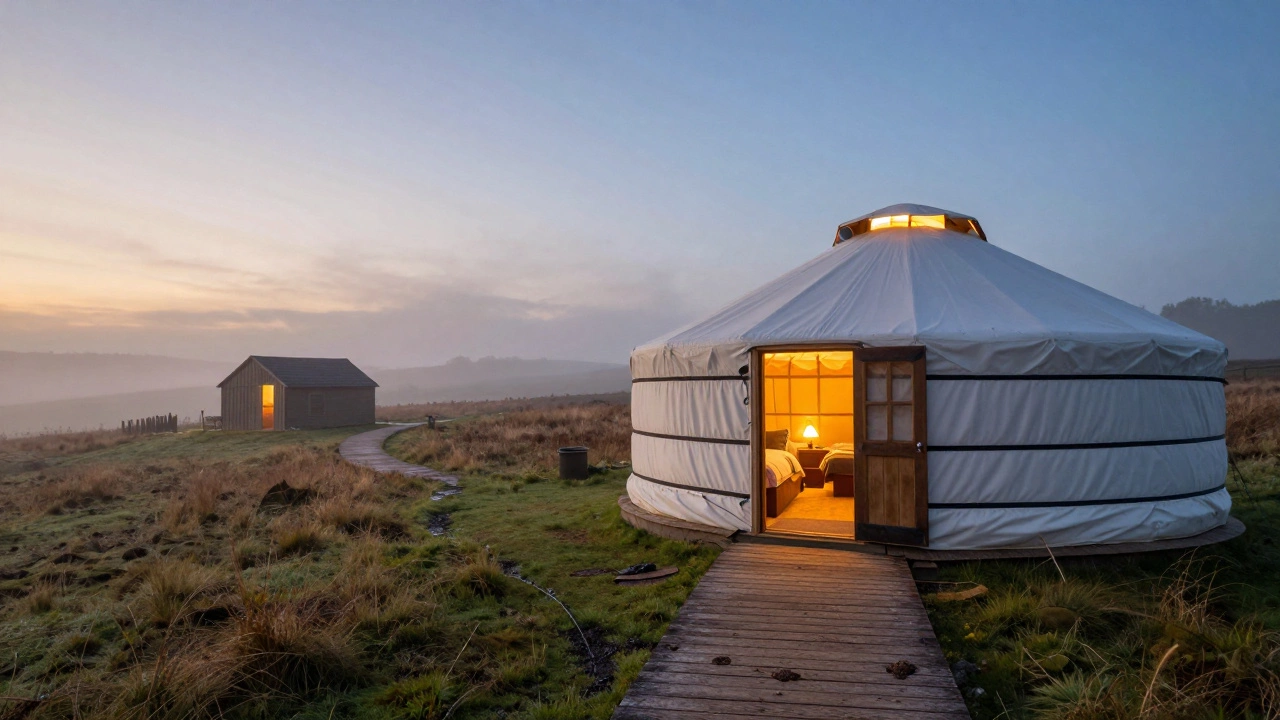
Picture this: you’ve booked a stunning yurt in the middle of nowhere. The stars are out, the air is crisp, and you’re ready for a night of pure relaxation. Then, halfway through your evening drink, nature calls. Do you dash across muddy ground in the dark to a communal block? Or do you step three feet into a private ensuite with hot water and real towels? The answer depends entirely on what kind of glamping experience you’ve chosen.
The short answer is: it varies wildly. Some glamping sites offer five-star ensuite bathrooms that rival boutique hotels. Others rely on shared composting toilets or pit latrines located fifty yards away. If privacy and hygiene are top priorities for you, you need to know exactly what you’re booking before you pack your bags. Let’s break down the reality of bathroom situations in the world of luxury camping.
The Spectrum of Glamping Bathrooms
Glamping isn’t a single product; it’s a spectrum. At one end, you have "roughing it lite," where you sleep in a bell tent but share basic facilities with other campers. At the other end, you have "hotel-style camping," where you stay in a permanent cottage or high-end pod with full plumbing. Understanding where your booking falls on this spectrum is crucial for setting expectations.
Private Ensuite is a self-contained bathroom attached directly to your sleeping accommodation, featuring flush toilets, running water, and often showers. This is the gold standard for comfort. It usually means you’re staying in a structure that is permanently connected to mains water and sewage systems, such as a converted barn, a luxury cabin, or a high-end safari lodge.
On the flip side, you have Shared Facilities which are communal washhouses containing toilets, sinks, and sometimes showers, used by multiple guests at the site. These are common in seasonal tent campsites. They can range from clean, modern buildings with heated floors to rustic wooden blocks with cold taps. The key here is proximity and cleanliness standards.
In between, there’s the hybrid option: private outdoor showers or composting toilets located just outside your door. These offer more privacy than a communal block but lack the convenience of an indoor flush system.
Types of Toilets You’ll Encounter
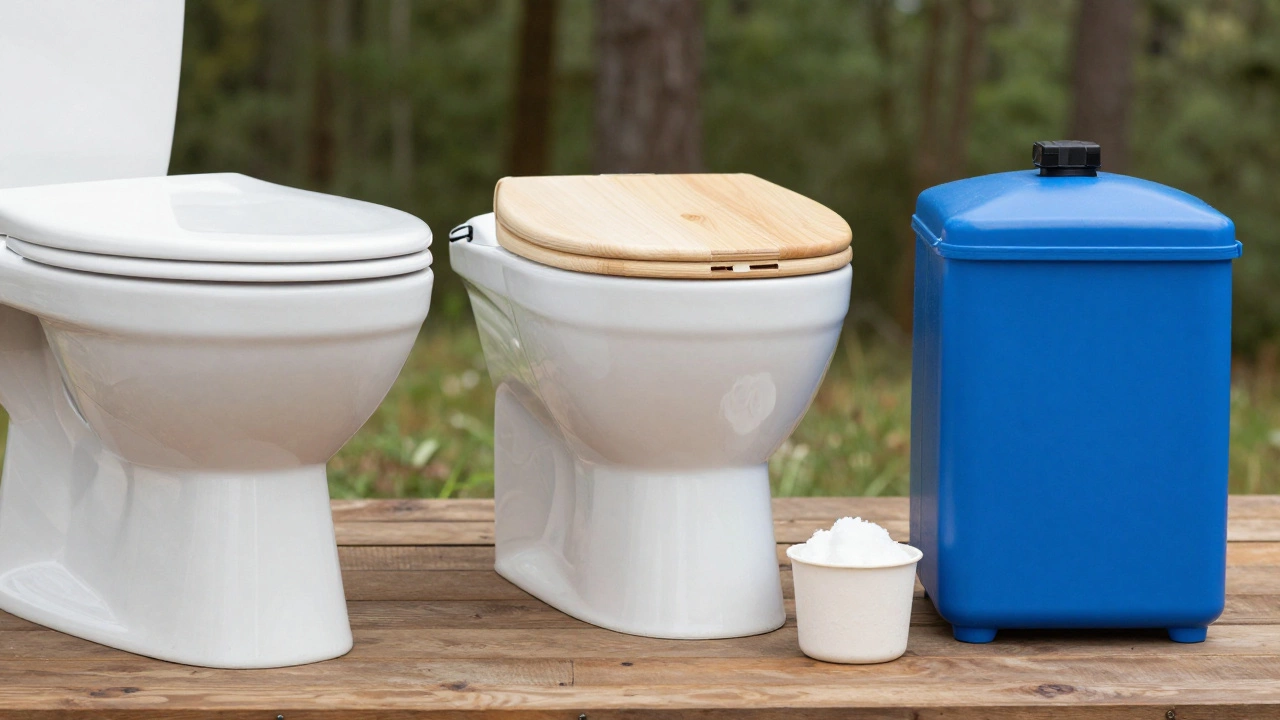
Not all toilets are created equal in the glamping world. The type of toilet often dictates the level of maintenance required and the overall user experience. Here is what you might find under the floorboards:
| Toilet Type | Privacy Level | Maintenance Required | Best For |
|---|---|---|---|
| Flush Toilet (Mains) | High (Private) | None for guest | Luxury cottages, permanent structures |
| Composting Toilet | Medium-High | Emptying bucket/mixing sawdust | Eco-friendly yurts, off-grid pods |
| Chemical/Cassette Toilet | Medium | Emptying cassette regularly | Mobile caravans, pop-up tents |
| Pit Latrine/Vault | Low-Medium | Site management handles emptying | Budget glamping, remote locations |
Flush toilets are straightforward. You use them like any home toilet. However, they require a connection to a septic tank or municipal sewer, which limits where they can be built. Composting toilets are increasingly popular in Eco-Friendly Glamping because they process waste without water, turning it into compost over time using aerobic bacteria. While environmentally friendly, some guests find the idea of managing sawdust or bokashi mixtures daunting. If you’re not comfortable with the mechanics, stick to sites that advertise "fully serviced" composting units where staff handle the maintenance.
How to Spot Private vs. Shared Facilities Before Booking
Descriptions can be tricky. Phrases like "close to amenities" or "access to sanitary blocks" are code for shared facilities. If a listing doesn’t explicitly say "private ensuite" or "self-contained," assume you will be sharing. Here is how to dig deeper:
- Check the Floor Plan: Many reputable glamping sites provide PDF floor plans. Look for a room labeled "bathroom" or "ensuite" within the main living space. If the bathroom is listed as a separate building nearby, it’s shared.
- Read Recent Reviews: Search reviews for keywords like "toilet," "shower," "privacy," and "cold." Guests rarely lie about bathroom conditions. If someone mentions walking 50 meters in the rain to pee, take note.
- Contact the Host Directly: Don’t be shy. Ask: "Is the toilet inside my accommodation, and is it flushed with water?" A good host will appreciate your clarity and give you an honest answer.
- Look for Plumbing Icons: On booking platforms, icons showing a faucet and showerhead usually indicate running water. An icon of a person in a box might just mean a portable loo.
Be wary of vague terms like "luxury camping." Luxury is subjective. To one person, luxury is a king-sized bed in a tent. To another, it’s a hot tub and a marble shower. Always verify the specifics.
The Reality of Water and Heating
Having a private toilet is only half the battle. What about washing up? In many off-grid glamping setups, even if you have a private composting toilet, you might still need to walk to a central shower block. Why? Because heating water requires significant energy-either electricity, gas, or wood fire.
Hot Water Systems in glamping vary from electric instant heaters to solar thermal panels and wood-fired boilers. Electric showers are common in newer sites connected to the grid. Solar showers work great in summer but fail miserably in winter or cloudy weather. Wood-fired systems provide endless hot water but depend on the host keeping the fire lit. If you’re traveling in colder months, confirm that the hot water is reliable. There is nothing less romantic than a freezing cold shower after a day of hiking.
Also, consider the pressure. Mains-fed showers feel like home. Tank-fed showers (common in eco-pods) may have low pressure or run out if previous guests used too much. If you plan to spend several days on-site, ask about water rationing policies.
Hygiene and Maintenance Standards
Let’s talk about the elephant in the room: cleanliness. Shared facilities can be spotless or disgusting, depending on the site’s management. High-traffic glamping sites that turn over guests daily tend to have professional cleaning crews. Small, family-run sites might rely on the hosts themselves, who may not check the facilities as frequently.
If you’re using a shared toilet, look for these signs of good maintenance:
- Fresh supplies of toilet paper and hand soap.
- A visible cleaning schedule posted on the wall.
- No lingering odors upon entry.
- Working locks on all stalls.
For private ensuites, check the review photos. Guests often upload candid shots of the bathroom condition. Look for mold in corners, rust on fixtures, or stained towels. These are red flags that suggest poor ventilation or infrequent deep cleaning.
What to Pack Regardless of the Setup
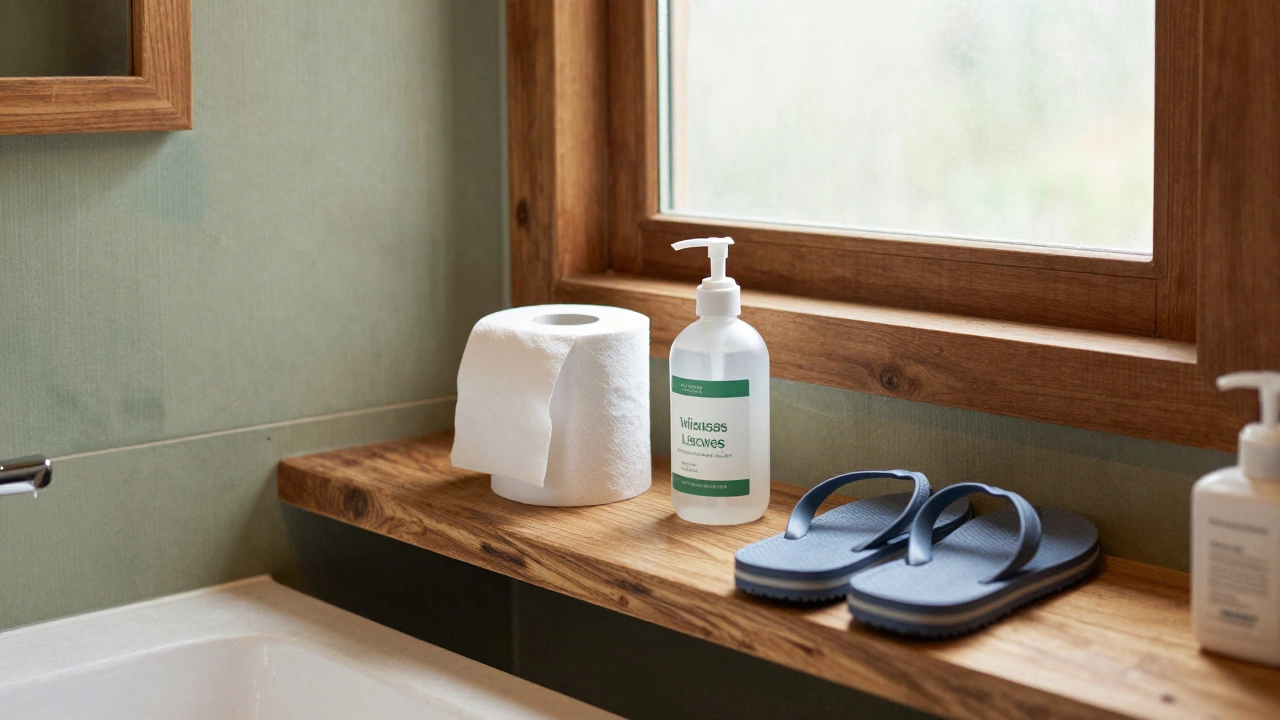
Even if you book a place with a private ensuite, it’s wise to come prepared. Glamping bathrooms are often smaller and less stocked than hotel bathrooms. Here is a quick checklist:
- Your own towel: Many eco-sites charge extra for linen or don’t provide towels at all to reduce laundry impact.
- Toilet paper: Never assume it’s there. Bring a roll, especially if you’re using a composting toilet that requires specific types of paper (biodegradable).
- Hand sanitizer: Essential for shared sinks and post-toilet hygiene.
- Shower caddy: Keep your shampoo and soap organized. Small bathrooms get cluttered fast.
- Flip-flops: Protect your feet in shared shower areas where fungal infections can thrive.
- Earplugs: Thin walls in some glamping pods mean you might hear your neighbors using the facilities. Earplugs ensure peace of mind.
Who Should Avoid Shared Facilities?
While shared facilities save money and reduce environmental impact, they aren’t for everyone. You should probably opt for private ensuites if:
- You have mobility issues. Walking long distances in the dark or on uneven terrain can be dangerous.
- You are traveling with small children. Toddlers don’t understand waiting their turn, and nighttime potty trips become logistical nightmares.
- You value total privacy. Some people simply cannot relax knowing others are using the same sink and mirror.
- You are visiting during peak season. Communal blocks get crowded, leading to queues and higher chances of mess.
On the other hand, solo travelers, couples on a budget, and those seeking a more authentic "camping" vibe often enjoy the social aspect of shared spaces. Meeting other guests in the washhouse can lead to conversations and shared stories, adding a community element to your trip.
The Future of Glamping Bathrooms
As technology advances, we’re seeing more innovative solutions bridging the gap between luxury and sustainability. Greywater Recycling Systems are becoming technologies that filter and reuse water from sinks and showers for irrigation or flushing toilets. This allows sites to offer private flush toilets without straining local water resources. Additionally, advanced composting toilets now feature electric fans and odor-neutralizing agents, making them nearly indistinguishable from traditional toilets in terms of user experience.
We’re also seeing a rise in "hybrid" glamping sites that offer both options. You might choose a basic tent with access to luxury shared spa-like bathrooms, or upgrade to a premium pod with a private ensuite. This flexibility allows guests to pay for the comfort level they truly need.
Is it normal to have to walk far for the toilet when glamping?
It depends on the type of glamping. In traditional tent-based glamping, walking 50-100 meters to a communal facility is common. However, in luxury glamping cottages or cabins, the toilet should be private and attached to your accommodation. Always check the distance mentioned in the listing or ask the host directly.
Are composting toilets smelly?
Modern composting toilets are designed to be odor-free if maintained correctly. They use airflow and absorbent materials like sawdust to neutralize smells. However, older or poorly maintained models can have issues. Reading recent guest reviews is the best way to gauge the cleanliness and smell of the specific unit you’ll be using.
Do I need to bring my own toilet paper?
Yes, it is highly recommended. Even if the site provides it, running out mid-trip is frustrating. For composting toilets, you must use biodegradable paper. Regular glossy or scented paper can clog the system. Bringing your own ensures you have what you need and supports the site’s ecological goals.
Can I get a private shower if I book a tent?
Some high-end tent sites offer private outdoor showers enclosed in a wooden shed next to your tent. These are usually hot water systems powered by electricity or solar. However, most standard tents share shower blocks. If a private shower is essential, look for listings that specifically mention "private ensuite" or "attached bathroom."">
Which is better: glamping with shared facilities or private ensuites?
It depends on your priorities. Private ensuites offer maximum comfort, privacy, and convenience, ideal for families, those with mobility issues, or luxury seekers. Shared facilities are more affordable, socially engaging, and often more eco-friendly due to lower resource consumption per guest. Choose based on your budget, comfort level, and travel companions.