Eco-Friendly Identity Quiz
Find Your Sustainable Identity
Based on your actions and values, discover which eco-conscious term best describes you. Remember: actions speak louder than labels!
Ever heard someone say they’re ‘eco-friendly’ and wondered what you’re supposed to call them? It’s not just about recycling or using a reusable coffee cup. Being eco-friendly is a way of life-and there are real, meaningful names for people who live that way. If you’re trying to describe yourself or someone else who truly walks the talk, you’re not alone in asking: What is an eco-friendly person called?
It’s Not Just ‘Eco-Friendly’
‘Eco-friendly’ is a descriptor, not a label. You don’t introduce yourself as ‘I’m an eco-friendly.’ You say, ‘I’m an environmentalist,’ ‘I live zero waste,’ or ‘I’m a sustainability advocate.’ These aren’t just buzzwords-they’re identities shaped by action, values, and daily choices.
Think about it: if someone drives an electric car, grows their own food, and refuses single-use plastics, calling them ‘eco-friendly’ is like calling a marathon runner ‘fast.’ It’s true, but it doesn’t capture the depth of who they are.
Common Labels for People Who Live Sustainably
Here are the most accurate, widely used terms for people committed to reducing their environmental impact:
- Environmentalist - Someone who actively works to protect nature. This term has been around since the 1960s and still carries weight. Think of people who campaign for forest protection, clean water laws, or wildlife conservation.
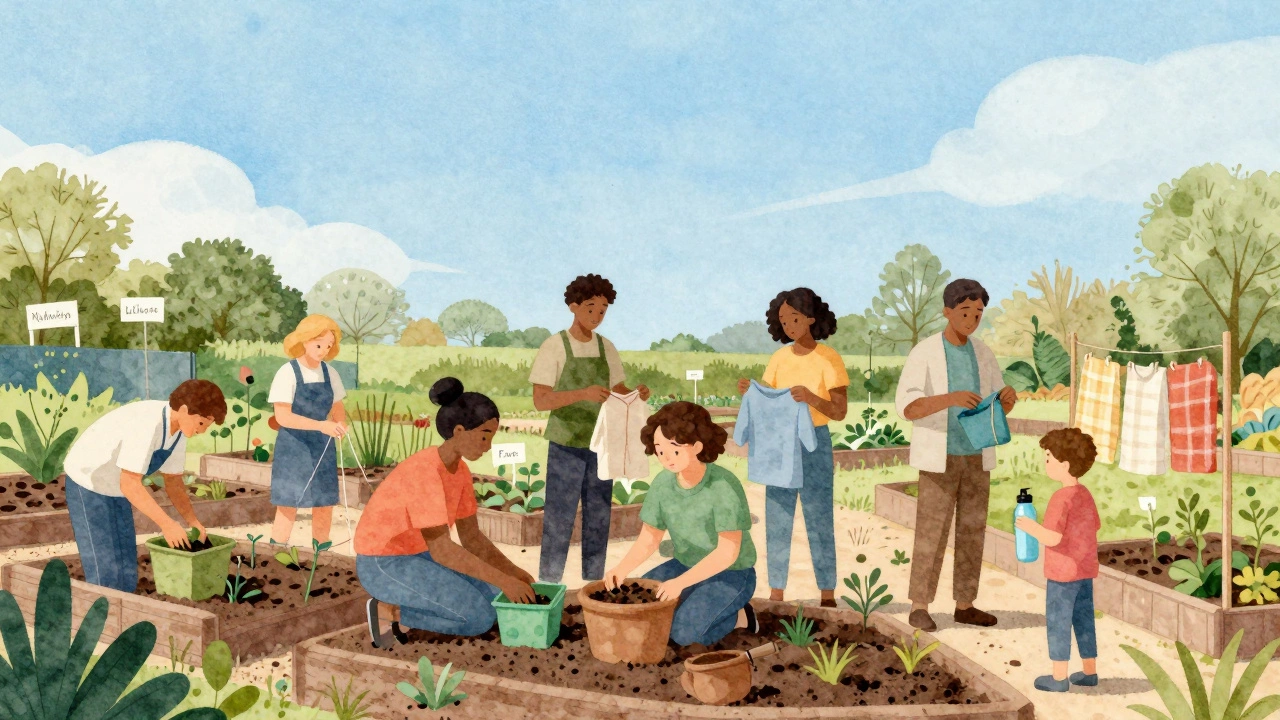
- Sustainability Advocate - Often used in workplaces, schools, or communities. These people don’t just live sustainably-they teach others how. They might run recycling programs, push for green policies, or organize community gardens.
- Zero Waste Practitioner - This isn’t about perfection. It’s about minimizing trash. These people avoid plastic packaging, compost food scraps, buy in bulk, and repair instead of replace. Many keep jars of a year’s worth of trash to prove how little they generate.
- Conscious Consumer - They check labels, research brands, and avoid companies that exploit workers or pollute. Their shopping choices are political. They’d rather pay more for ethical cotton than buy a cheap T-shirt made in a sweatshop.
- Low-Impact Lifer - A quieter, less flashy term. These people focus on reducing their carbon footprint through small, consistent habits: biking to work, eating less meat, using renewable energy, and flying less.
None of these labels are official. No one hands out badges. But people who live this way often pick one that fits how they show up in the world.
What About ‘Green Person’?
‘Green person’ sounds cute, but it’s vague. In business, ‘green’ is often used for marketing-think ‘green cleaning products’ or ‘green energy.’ It’s become a buzzword that’s lost its meaning. You’ll see it on billboards and ads, but rarely on a person’s LinkedIn profile or in their self-description.
Real people don’t say, ‘I’m a green person.’ They say, ‘I compost,’ ‘I’m off-grid,’ or ‘I don’t own a car.’ Actions speak louder than labels.
It’s Not About Labels-It’s About Actions
Some people avoid labels altogether. Why? Because being eco-friendly isn’t about claiming a title-it’s about showing up, every day.
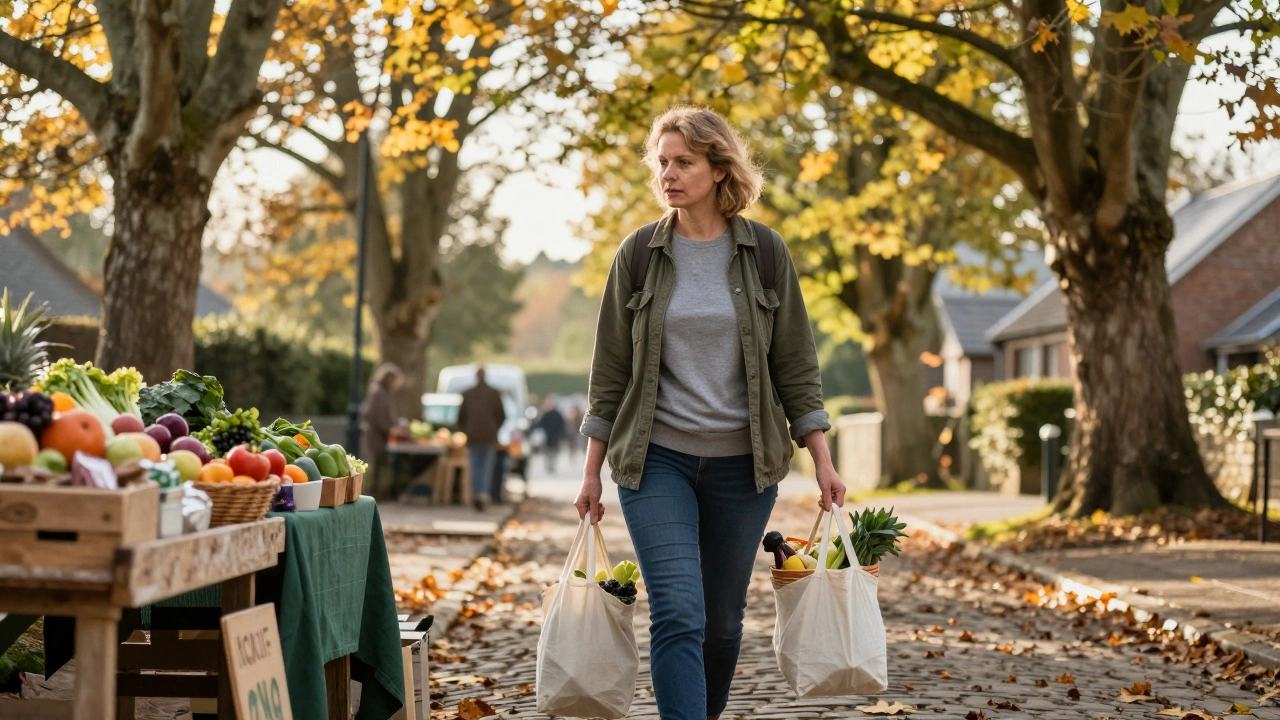
Take a woman in Devonport who walks to the farmers market with her cloth bags, uses rainwater for her garden, and fixes her clothes instead of tossing them. She doesn’t call herself anything. But her life speaks louder than any term.
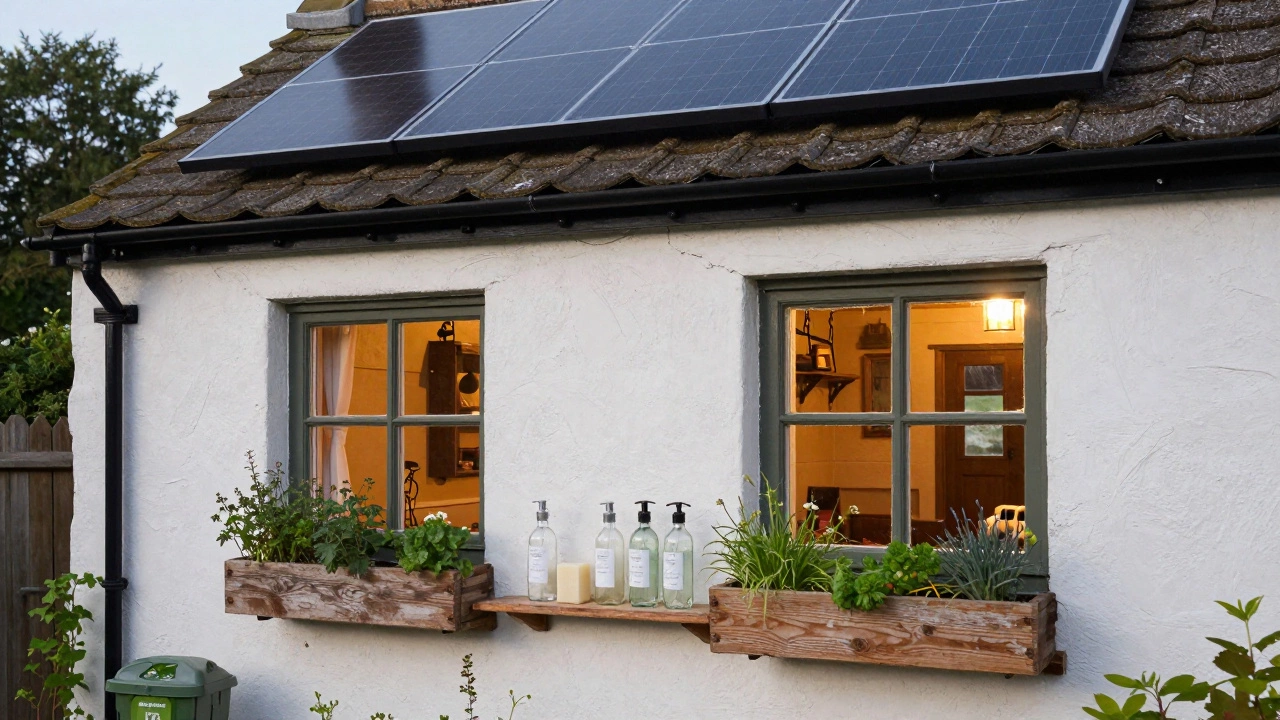
Or a young couple who installed solar panels, switched to a green energy provider, and started a community seed swap. They don’t post about it on Instagram. They just do it.
Labels can help you find your community. But they can also become a performance. The real measure? How much waste you avoid. How much you reuse. How often you say ‘no’ to convenience.
Why This Matters for Eco-Friendly Cottages
If you’re staying in an eco-friendly cottage, you’re probably looking for more than just a cozy cabin. You want to support places that live the values you do. That’s why the people who run these cottages don’t just say ‘we’re eco-friendly.’ They tell you:
- ‘We heat with solar thermal panels.’
- ‘All our cleaning products are biodegradable.’
- ‘We grow our own herbs and serve them to guests.’
- ‘We don’t use single-use toiletries-we refill glass bottles.’
These details matter because they prove commitment. They’re not marketing fluff. They’re proof that the cottage is run by someone who lives like an environmentalist, a zero waste practitioner, or a low-impact lifer.
When you choose to stay in one of these places, you’re not just booking a room. You’re aligning with a lifestyle.
What’s the Right Term for You?
So, what should you call yourself? Start by asking:
- Do you fight for environmental policies? → You might be an environmentalist.
- Do you track your trash? → You’re a zero waste practitioner.
- Do you research every product you buy? → You’re a conscious consumer.
- Do you cut energy use, drive less, and eat local? → You’re a low-impact lifer.
- Do you teach others how to live better? → You’re a sustainability advocate.
You can be more than one. Most people are. You don’t have to pick one. But knowing which label fits helps you find the right community-whether it’s a local zero waste group, a solar energy co-op, or a farmers market collective.
Forget the Buzzwords. Live the Way.
At the end of the day, it doesn’t matter what you call yourself. What matters is what you do.
Do you turn off lights? Do you carry a water bottle? Do you compost? Do you support local farmers? Do you say no to plastic? If yes, you’re already living the way.
There’s no certificate. No exam. No badge. Just the quiet satisfaction of knowing you’re doing your part-without needing a label to prove it.
And if someone asks you, ‘What is an eco-friendly person called?’-you can smile and say: ‘Someone who just lives differently.’