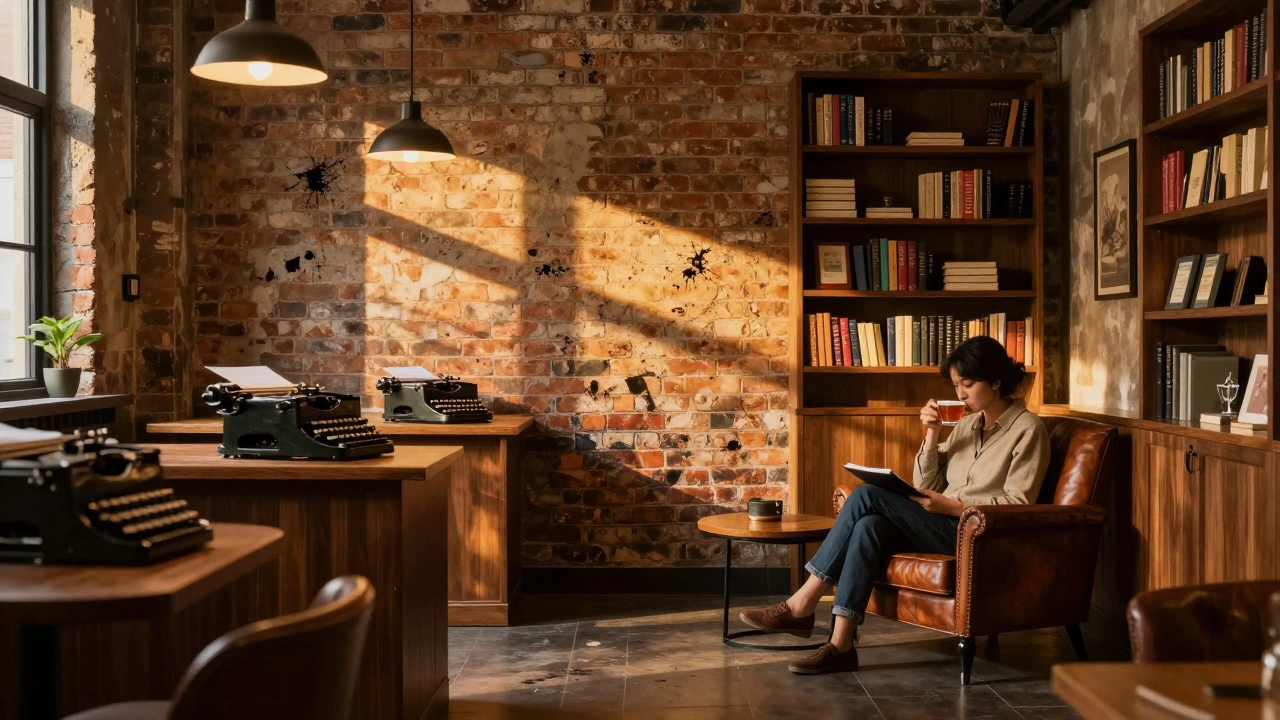
When you hear the word boutique hotel, you might picture dim lighting, vintage armchairs, and a front desk that feels more like a friend’s living room than a check-in counter. But what does it actually mean? It’s not just a small hotel. It’s not just a fancy name slapped on a place to charge more. A boutique hotel is defined by intention, not size.
It’s About Personality, Not Size
Many people assume boutique hotels are small because they’re trendy. That’s backwards. They’re small because personality doesn’t scale. A boutique hotel typically has between 10 and 100 rooms. Beyond that, it becomes harder to maintain the kind of personal touch that defines the experience. But even that number isn’t a rule. Some boutique hotels have just six rooms. Others stretch to 120. What matters isn’t the count-it’s the control.
Most boutique hotels are independently owned. That means the owner, or a small team, makes every decision: the color of the towels, the type of coffee served in the morning, whether guests can borrow a bike or a vintage record player. There’s no corporate handbook. No checklist from a parent company in another country. That freedom lets them respond to guests in real time-like leaving a handwritten note when they notice you’re celebrating an anniversary, or swapping out the standard toiletries for local soap made by a neighbor.
Design Isn’t an Add-On-It’s the Point
Think of a standard chain hotel: identical rooms, same furniture, same art prints. A boutique hotel doesn’t just look different-it tells a story. That story could be inspired by the building’s history, the local culture, or the owner’s passion for mid-century modern design. In Wellington, a boutique hotel might turn a 1920s printing press building into a space filled with typewriters, ink-stained walls, and books curated by a local author. In Queenstown, it could be a converted wool warehouse with raw timber beams and wool blankets woven by a Māori artisan.
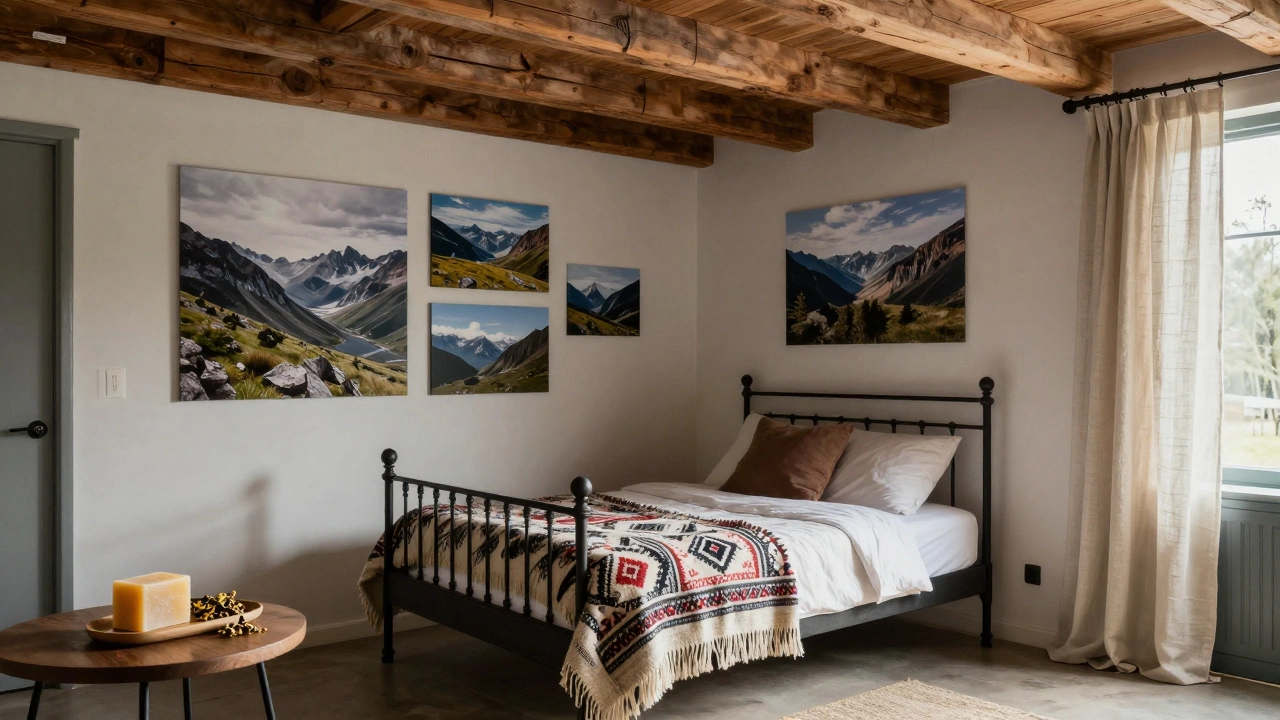
The design isn’t chosen to impress Instagram. It’s chosen to reflect place. You’re not just sleeping in a room-you’re stepping into a slice of local identity. That’s why boutique hotels often work with local artists, photographers, and craftspeople. The artwork on the walls isn’t generic prints from a catalog. It’s original work, often signed, sometimes for sale. The bath towels? Made by a small mill in Otago. The soap? Scented with native manuka and harvested from a farm just outside town.
Service That Feels Human, Not Scripted
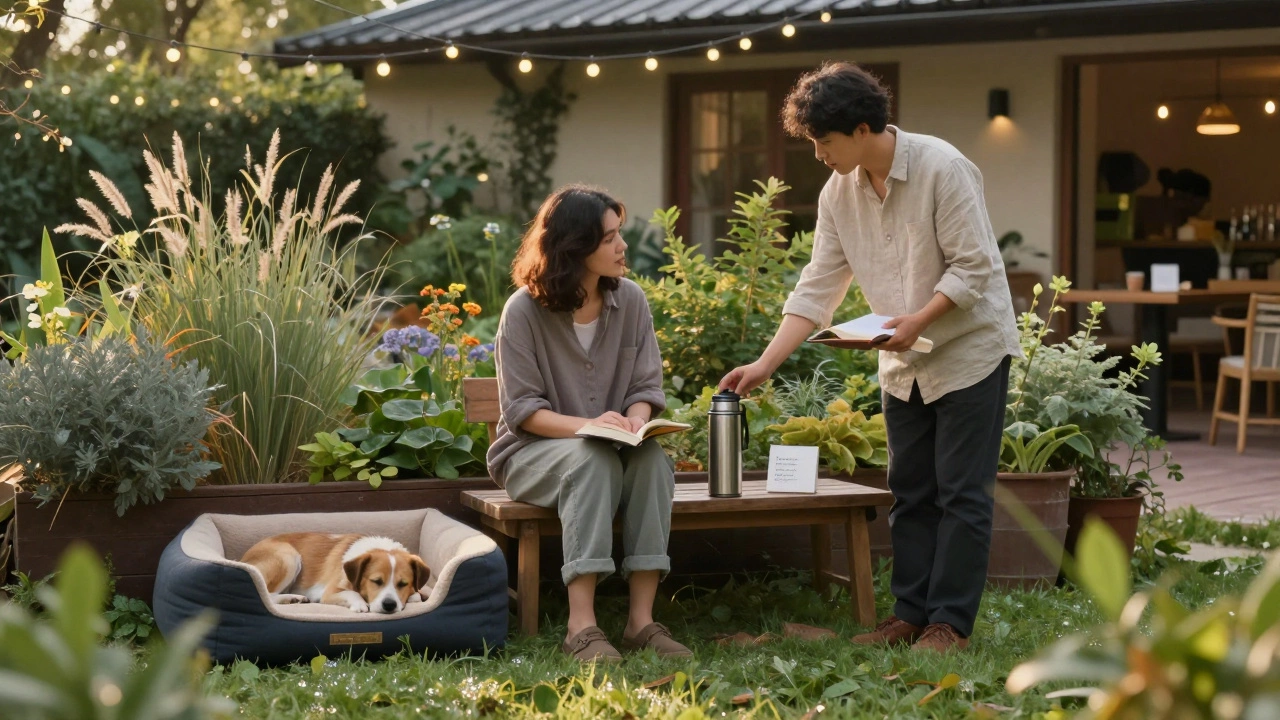
Chain hotels train staff to follow scripts. Boutique hotels train staff to listen. You won’t find a front desk agent reading from a script when you ask where to get the best pie in town. You’ll get a real answer-maybe even a recommendation you didn’t know you needed. One guest in Nelson told me they asked for a quiet spot to read. The concierge didn’t just point them to the lobby. They walked them to a hidden garden behind the hotel, brought them a thermos of tea, and left them with a book by a local poet.
Staff at boutique hotels often live nearby. They know the neighborhood. They know which café opens early for walkers, which trail has the best sunset view, and which winery lets you taste without booking. They don’t just answer questions-they anticipate them. That’s not magic. It’s just time. With fewer guests, they can remember names, preferences, and even what kind of pillow you like.
It’s Not Always Luxury-But It’s Always Intentional
People assume boutique means expensive. That’s not true. A boutique hotel can be affordable. What makes it boutique isn’t the price tag-it’s the care. There are boutique hotels in New Zealand with shared bathrooms, no room service, and no spa. But they still have handmade ceramics in the rooms, locally roasted coffee, and owners who greet you with a cup of kawakawa tea when you arrive.
Some boutique hotels are designed for families. Others are quiet retreats for solo travelers. A few are even pet-friendly with custom dog beds and treats from the local bakery. The common thread? Every choice is made deliberately. No feature exists just because it’s expected. Every detail has a reason.
How to Spot a Real Boutique Hotel
Not every small hotel is a boutique hotel. Here’s how to tell the difference:
- Ownership: Is it owned by a person or family? Or is it managed by a franchise? Look up the hotel’s website. If it mentions a founder, a story, or a mission, that’s a good sign.
- Design: Does each room look different? Is there art on the walls that feels local? Are the furnishings mismatched in a way that feels thoughtful, not random?
- Staff: Do they know your name after one conversation? Do they offer recommendations that aren’t on a printed list?
- Location: Is it in a neighborhood you’d want to explore? Or is it tucked into a business park next to a highway?
- Food: Is breakfast made with local ingredients? Is the menu seasonal? Or is it the same as every other hotel in the chain?
If you answer yes to most of these, you’re likely in a real boutique hotel. If you answer no, you’re probably in a small hotel that’s trying to look boutique.
Why It Matters Now
In 2025, travelers are tired of sameness. We’ve stayed in hundreds of identical rooms across the world. We’ve scrolled through the same photos on booking sites. We crave something that feels alive-something that can’t be replicated. That’s why boutique hotels are growing. In New Zealand, boutique hotel bookings rose 37% between 2022 and 2025, according to Tourism New Zealand’s annual report. Travelers aren’t just looking for a place to sleep. They’re looking for a connection.
A boutique hotel doesn’t just offer a room. It offers a moment. A memory. A taste of a place that isn’t filtered through a corporate lens. That’s the real meaning of a boutique hotel-not the size, not the price, not the fancy lighting. It’s the human hand behind every detail.
What Boutique Hotels Are Not
Let’s clear up a few myths:
- Not just luxury: A boutique hotel can be rustic, quirky, or budget-friendly. Luxury is optional.
- Not just for couples: Many welcome solo travelers, families, and groups. Some even have communal kitchens and game rooms.
- Not a trend: Boutique hotels have existed since the 1980s. They’re not new. They’re just getting noticed now because travelers are finally asking for more.
- Not just in cities: You’ll find them in remote valleys, on quiet beaches, and in mountain towns. Some are so tucked away, you need a local to find them.
The biggest mistake people make? Assuming boutique means expensive or fancy. It means personal. It means thoughtful. It means someone cared enough to make it different.
Final Thought: It’s About the Story
When you stay in a boutique hotel, you’re not just a guest. You’re part of the story. The owner might tell you how they restored the original floorboards. The barista might tell you why they roast their beans differently. The gardener might show you the herbs they use in the tea.
That’s the magic. It’s not about the bed. It’s not even about the view. It’s about the people who made it, the choices they stood by, and the way they let you feel like you belong-even if just for a night.