Country Cottage Room Transformation Guide
Use this planner to determine the perfect mix of paint, textiles, and lighting for your chosen space, based on expert cottage styling tips.
Your Cottage Roadmap
Custom PlanTip: Remember that "lived-in" charm comes from layers. Don't worry about perfection—mismatched chairs and casual throws are part of the aesthetic.
There is a specific kind of quiet magic in walking into a room that feels like a warm hug. You want that sense of history and comfort, even if your home was built yesterday. Creating a Country Cottagea style characterized by warmth, natural materials, and a relaxed atmosphere isn’t about buying expensive antiques. It is about curating an environment where time seems to move slower.
Many people assume this look requires a stone farmhouse with centuries of age. That is simply not true. You can replicate the charm through texture, color choices, and lighting. The goal is to strip away the sharp, sterile feel of modern minimalism and replace it with layers that tell a story. Here is how you build that foundation.
Start with the Core Color Palette
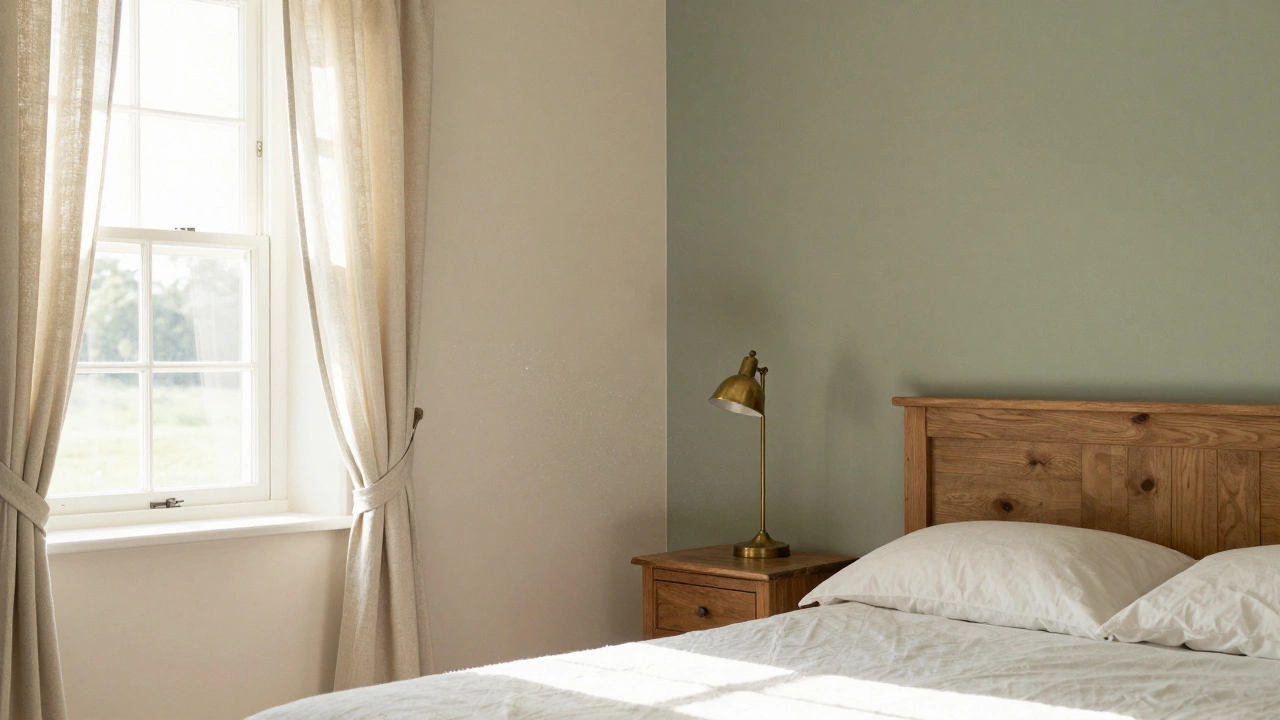
The first decision involves your walls. Bright whites can feel clinical. Instead, aim for soft neutrals that change with the daylight. Think creamy off-whites, muted sage greens, or dusty blues. These colors reflect natural light while keeping the space grounded. If you live in a place with changing seasons, these shades adapt beautifully as the sun shifts.
Avoid pure black trim. Dark charcoal creates contrast but keeps things too stark. Use aged wood tones or a soft grey instead. When painting, choose a matte or eggshell finish. High gloss looks industrial and draws attention to imperfections. A flat surface mimics old plaster or traditional distemper paint often found in heritage homes.
| Finish Type | Effect | Best For |
|---|---|---|
| Matte | Hides imperfections, flat look | Main walls, ceilings |
| Eggshell | Slight sheen, washable | Kitchens, bathrooms |
| Chalk Paint | Vintage texture, distresses easily | Furniture, cabinetry |
Selecting the Right Furniture and Materials
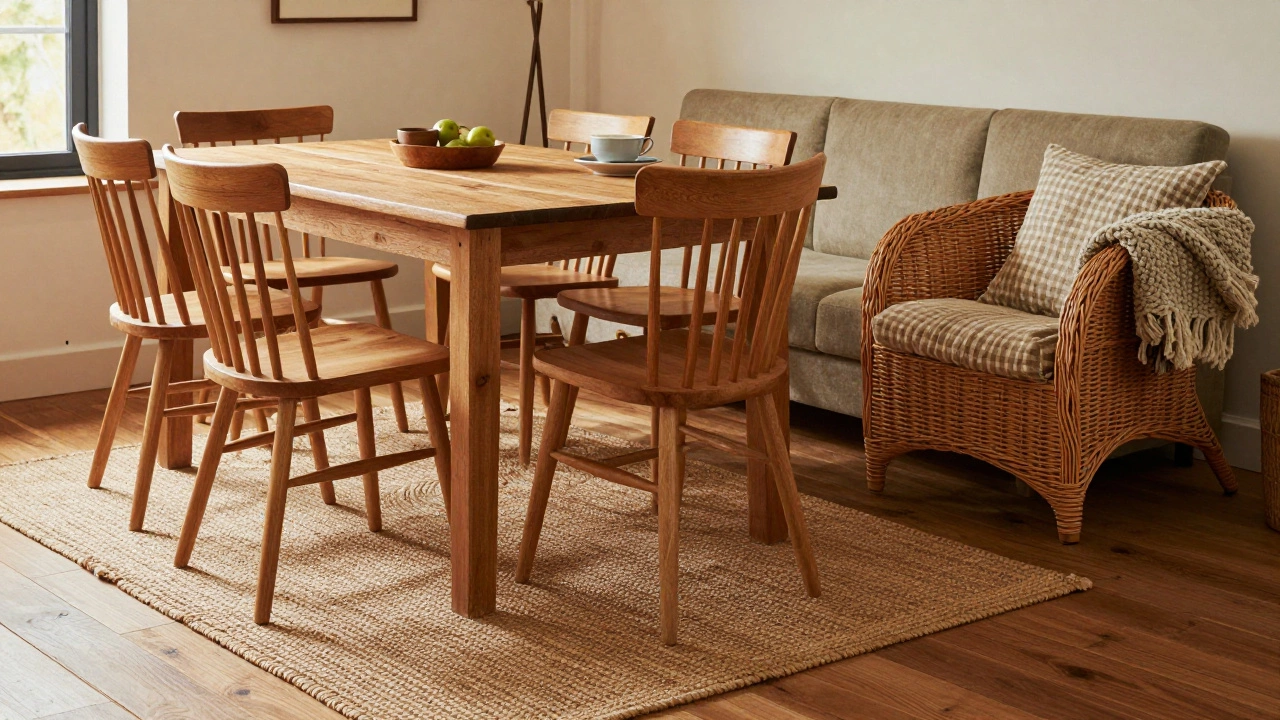
Furniture is the skeleton of your rooms. In a country setting, you want pieces that look lived-in. New factory-made furniture often feels cold. If you buy new, look for distressed finishes. Solid wood like oak, pine, or cherry works best. Avoid laminates or plastic-look finishes entirely.
Wicker and rattan introduce texture that breaks up heavy wood. A Wicker Chairseating made from woven natural fibers, adding organic texture placed next to a sturdy wooden table creates balance. Do not worry about matching sets. Mismatched chairs around a dining table actually enhance the authentic cottage vibe. It suggests generations of gathering rather than showroom perfection.
If you have the budget, hunt for reclaimed timber. Old barn wood makes excellent accent walls or shelving. It brings grain patterns and nail marks that new wood cannot replicate. Even a single coffee table made from a recycled beam can anchor a living room.
Layering Textiles for Warmth
Cold surfaces scream "modern apartment." You need softness. Start with curtains. Heavy velvet drapes are lovely for bedrooms, but cotton or linen is better for kitchens and lounges. They let air circulate and drape naturally.
Patterns play a huge role here. Florals are iconic, but keep them small. Tiny gingham or toile prints work without overwhelming the eye. Solids in the background let patterned cushions pop. Layer rugs over hard floors. A jute rug under a sofa feels earthy. Throw blankets should be knitted or chunky weave. Toss them casually over armchairs rather than folding them neatly on shelves.
Lighting Sets the Mood
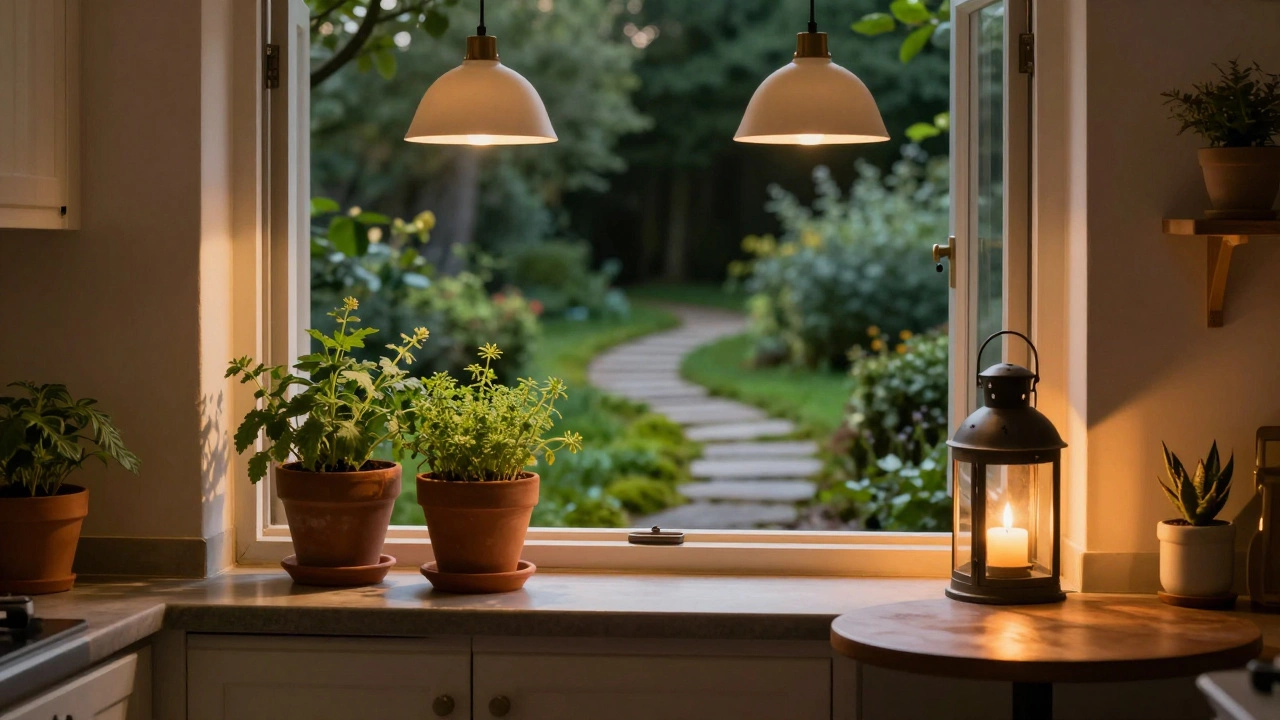
Harsh overhead lights kill the mood instantly. Remove big central fixtures if possible. Replace them with smaller pendant lamps or wall sconces. Bulbs matter immensely. Use warm white bulbs (around 2700 Kelvin). Cool white LED lights look like hospital fluorescents. Dimmable switches allow you to adjust the glow as evening approaches.
Candles add flicker without heat risk today. Scented candles in soy wax mimic the fireplace smell. Place lanterns on side tables. The metal mesh of vintage lanterns plays with light shadows on the walls, deepening the sense of enclosure.
Bring the Outdoors Inside
Greenery bridges the gap between the inside and the garden outside. Potted herbs on the kitchen windowsill smell great when cooking. Ferns and ivy thrive in lower light corners. Use terracotta pots or iron tins. Avoid glossy plastic planters.
Flower arrangements should look slightly wild. Don't arrange stems perfectly symmetrical. Let some leaves spill over the vase edge. Seasonal blooms like hydrangeas or lavender fit the theme better than exotic orchids. In places like Devonport, native ferns grow year-round and provide reliable structural interest.
Curating Accessories and Clutter
This is where many go wrong. Too much stuff looks messy, not cozy. You want curated collections, not piles. Stack books on a shelf with their spines out. Display antique teapots in a corner cabinet. A collection of blue pottery jars on a dresser creates rhythm.
Photography adds personal warmth. Black and white family photos in wooden frames sit well. Leave some empty wall space so the room breathes. Balance is the rule. One large artwork on a blank wall beats three small ones crowded together.
Dealing with Exterior Curb Appeal
Inside starts with the outside. If you want the full effect, address the entry. A porch swing or a rocking chair invites pause. Paint the front door a welcoming color like olive green or brick red. Add window boxes to exterior sills.
Pathways should wind slightly. Straight concrete lines feel commercial. Stepping stones surrounded by moss or low-growing ground cover soften the approach. Lighting up the path with solar lamps keeps it practical but atmospheric.
Budget-Friendly Alternatives
You do not need to spend thousands to achieve this. Thrift stores are goldmines for vintage china or brass candlesticks. Painting old furniture with chalk paint gives it immediate character. You can stencil designs onto plain wallpaper borders. Swap hardware on cupboards for brass knobs.
Focus on one room at a time. Changing the textiles and lighting alone transforms the perception of a space faster than moving walls does. Small changes compound over time. A new lamp and two pillows make the couch look completely different.
Can I use modern appliances in a country cottage style?
Yes, absolutely. Just hide stainless steel backsplash behind a tile splashback or use paneling kits that match your cabinets. Matte black or cream-colored appliances blend in better than shiny silver finishes.
What flooring works best for this look?
Wide-plank timber flooring is ideal. Distressed laminate mimics wood cheaply. Tiles can work if they look like slate or stone. Avoid high-gloss vinyl sheets as they feel temporary.
Is it okay to mix styles like Industrial with Country?
It depends on execution. Farmhouse Industrial is popular. Exposed pipes can work, but soften them with fabric. Stick to natural metals like copper or unlacquered brass rather than chrome.
How do I keep dust levels down with wool rugs and throws?
Vacuum frequently with a HEPA filter attachment. Wash linens regularly in hot water. Using synthetic wool blends reduces shedding compared to natural sheep wool, which traps allergens more easily.
Where is the best place to start decorating?
Start with the largest surface area. Paint the walls, then lay down flooring. Once those neutral foundations are set, add layers like rugs and curtains. This ensures your larger investments don't clash with minor details later.