Glamping Experience Finder
Not sure which glamorous getaway is right for you? Answer these questions to find your perfect match!
What is your primary goal for this trip?
Your Perfect Match!
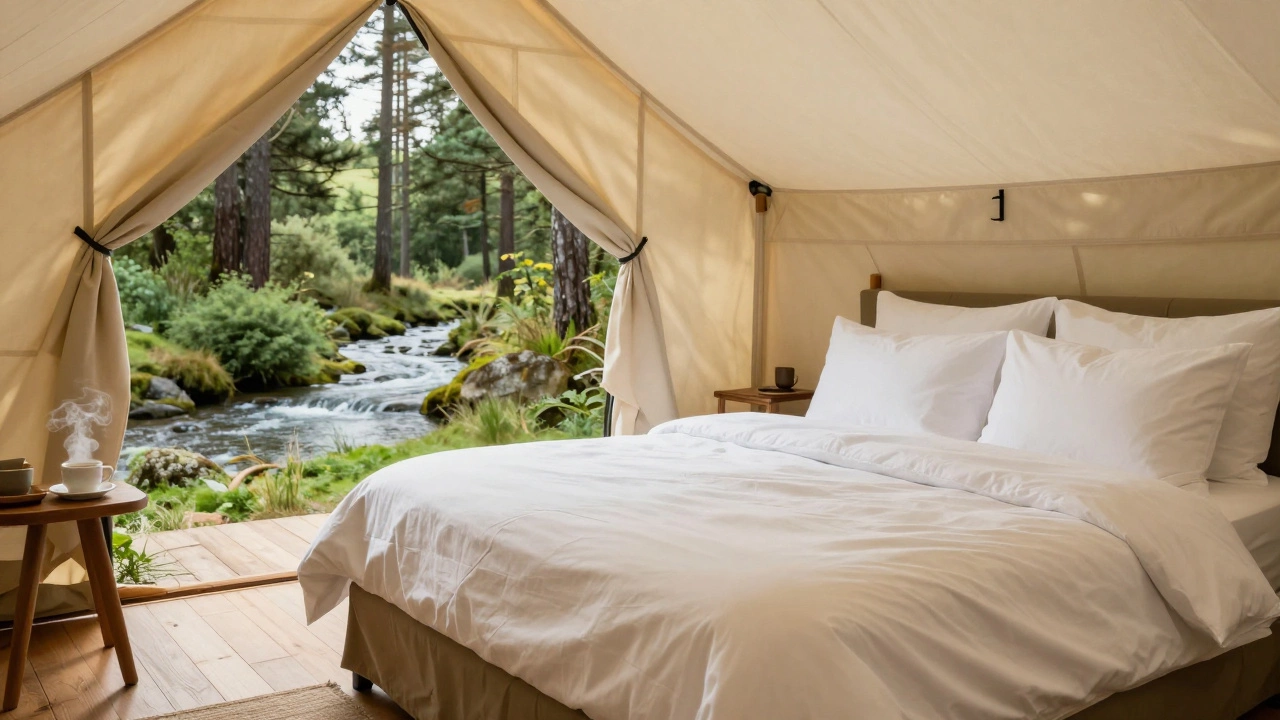
The Safari Tent
You value the classic expedition feeling but refuse to compromise on a king-sized bed.
The Quick Lowdown on Glamping
- Comfort: Real beds, electricity, and often private bathrooms.
- Accessibility: No need to buy or carry heavy equipment.
- Connection: Direct access to nature without the "roughing it" part.
- Variety: From treehouses to geodesic domes.
The Psychology of Why We Choose Glamorous Camping
Ever feel like your brain is just a browser with 50 tabs open? That's exactly why people are flocking to glamping cottages and retreats. We are living through an era of extreme connectivity. Between Slack notifications and endless email threads, our nervous systems are fried. Traditional camping can be stressful for some. If you've ever spent three hours trying to pitch a tent in the rain while your partner gets frustrated, you know that "getting back to nature" can sometimes feel like a chore. Glamping removes the friction. By stripping away the labor of survival-the fire-starting struggles, the uncomfortable sleeping pads-you actually have the mental space to enjoy the environment. You aren't worrying about whether the tent is leaking; you're actually looking at the stars.Breaking Down the Different Types of Glamping Stays
Not all glamping experiences are the same. Depending on what you're looking for, the structure you choose completely changes the vibe of the trip. Some people want the feeling of being in a forest, while others want something that feels like a modern architectural marvel.| Structure Type | Key Attributes | Best For... |
|---|---|---|
| Safari Tents | Canvas walls, wooden floors, high ceilings | Classic "expedition" feel with luxury bedding |
| Geodesic Domes | Polycarbonate windows, spherical shape | Stargazing and futuristic aesthetics |
| Treehouses | Elevated platforms, integrated with nature | Privacy and a sense of childhood wonder |
| Yurts | Circular walls, lattice frames, felt covers | Cozy, communal atmospheres and cultural flair |
| Shepherd's Huts | Small wooden cabins on wheels | Romantic getaways and minimalist living |
How Glamping Helps You Actually Unplug
There is a big difference between "going outside" and "immersing yourself in nature." When you stay in a Eco Friendly Cottage or a glamping pod, you are placed in a setting where the boundaries between inside and outside are blurred. Many of these stays use large glass walls or open canvas, which keeps your circadian rhythm in sync with the sun. Research into "Forest Bathing"-or Shinrin-yoku from Japan-shows that spending time among trees lowers cortisol levels and reduces blood pressure. In a traditional hotel, you're often separated from the environment by thick concrete walls and air conditioning. In a glamping setup, you hear the wind in the leaves and the wildlife at night, but you still have a warm duvet to crawl into. This creates a psychological safety net that allows you to relax more deeply than you would in a sterile hotel room.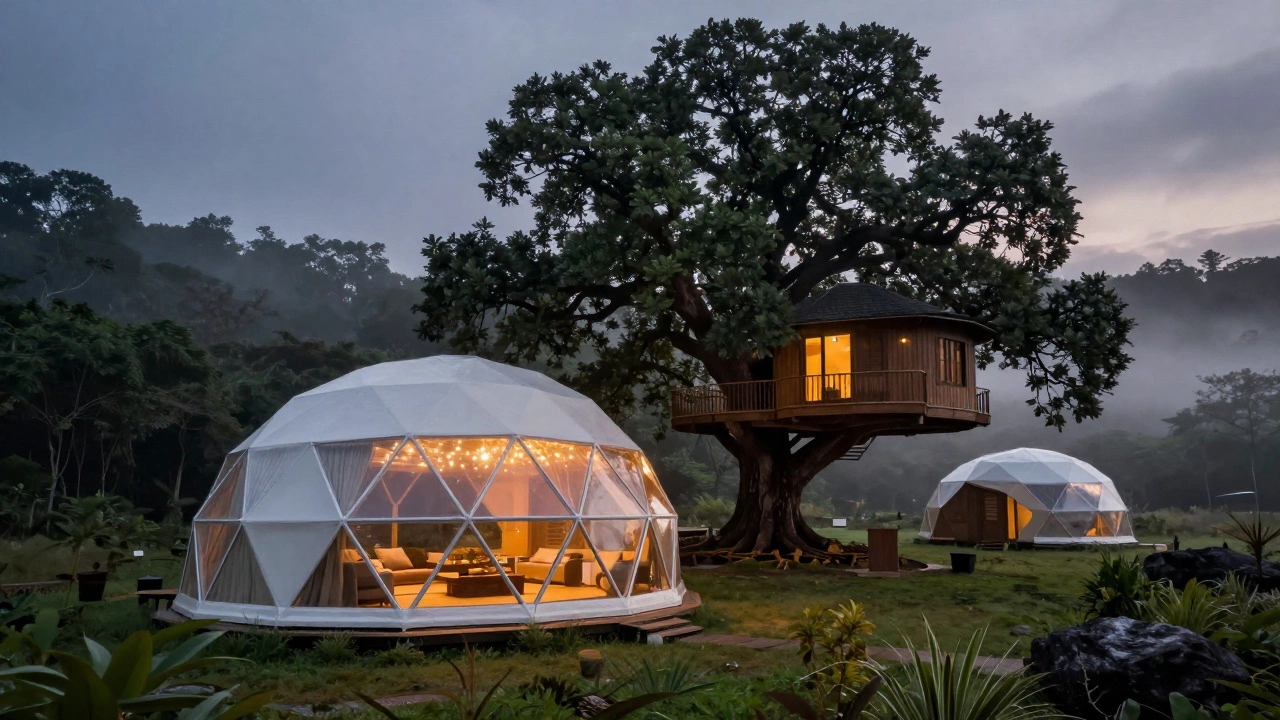
Who is Glamping Actually For?
It's a common misconception that glamping is only for "city people" who are scared of bugs. In reality, it appeals to a few distinct groups:- The Reluctant Outdoorsman: People who love the *idea* of the outdoors but hate the logistics. They want the view without the blisters.
- The Romantic Couple: It's hard to be romantic when you're arguing over a campfire or fighting for space in a two-person tent. A shepherd's hut with a clawfoot tub is a much better bet.
- The Family Traveler: Trying to take kids camping can be a nightmare. Glamping provides a safe, structured environment where kids can explore the woods and then return to a real bed and a clean bathroom.
- The Sustainable Traveler: Many glamping operators prioritize Sustainable Tourism. Because these structures are often temporary or built with low-impact materials, they leave a smaller footprint on the land than a concrete hotel development.
The Practical Side: What to Expect and How to Pack
Even though you aren't hauling a tent, you're still in nature. One of the biggest mistakes people make is treating glamping exactly like a hotel stay. You still need to dress for the environment. For example, if you're staying in a canvas safari tent, remember that canvas breathes. It keeps you warm, but it doesn't hold heat like a brick house. I always suggest bringing a pair of high-quality wool socks and a fleece jacket, even in the shoulder seasons. Also, check the "amenity level" before you go. Some places offer full hotel-style service with breakfast delivered to your door, while others are "semi-glamped," meaning you might have a beautiful bed but a shared bathhouse fifty yards away. Knowing this prevents the shock of arriving and realizing you still need to walk through the dew in your flip-flops to brush your teeth.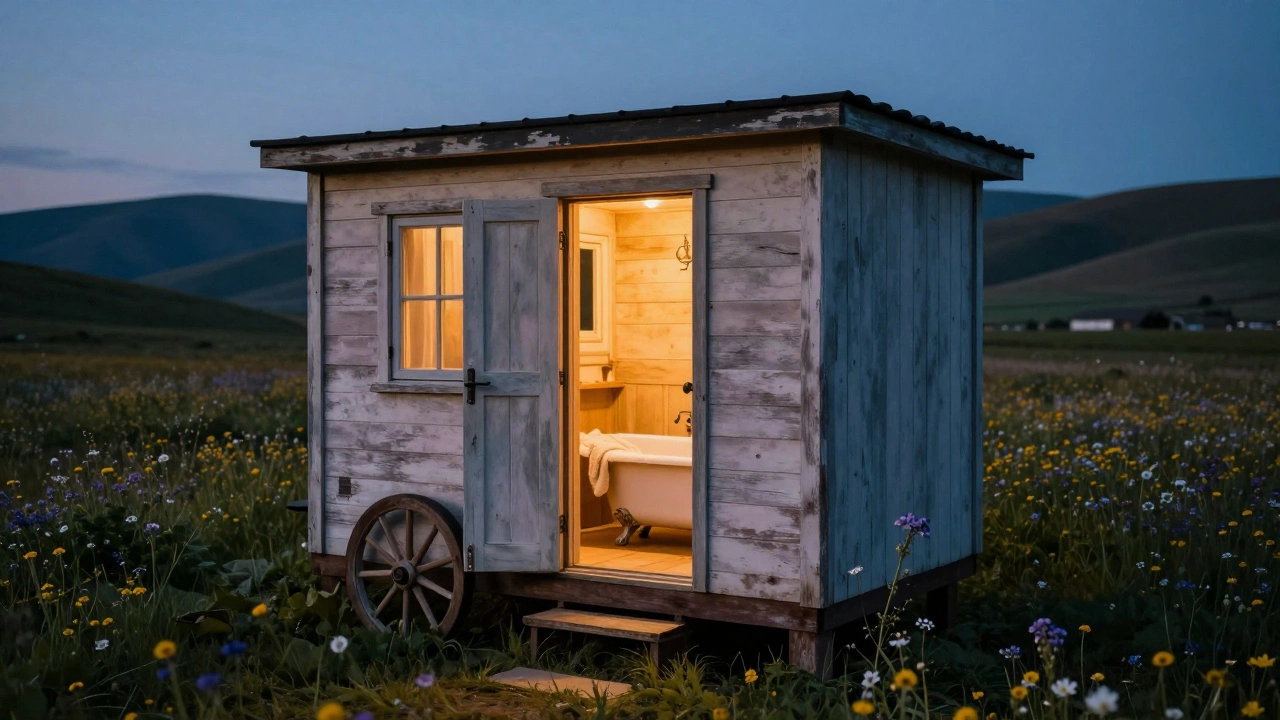
Comparing the Costs: Hotel vs. Camping vs. Glamping
Money is usually the deciding factor. Glamping is often more expensive than traditional camping (obviously) and can sometimes cost as much as a mid-range hotel. But when you look at the value, you're paying for the *location* and the *experience*. If you stay at a standard hotel, you're paying for the room. If you glamp, you're paying for the proximity to a waterfall, a private forest, or a mountain peak. You're paying for the architecture-the thrill of sleeping in a dome or a treehouse is something a standard hotel room simply can't provide. It's a shift from paying for "lodging" to paying for an "experience."Common Pitfalls to Avoid
Not all glamping is created equal. To ensure you actually enjoy the point of it, avoid these common traps:- The "Fake" Glamp: Some places just put a mattress in a cheap tent and call it luxury. Look for photos of the interior and read reviews specifically about the bedding and insulation.
- Over-packing Electronics: If you bring your laptop and a portable monitor, you've just moved your office to the woods. The point is to disconnect. Try a "digital detox" where your phone stays in the car for a few hours a day.
- Ignoring the Weather: Since these structures are closer to nature, a heavy storm feels more intense than it does in a hotel. Embrace it, but bring an umbrella and waterproof boots so you can still enjoy the rain.
Is glamping actually environmentally friendly?
Generally, yes. Because most glamping structures like yurts or tents are non-permanent and use fewer materials than traditional buildings, they have a lower carbon footprint. However, it depends on the operator. Look for sites that use solar power, composting toilets, and local materials to ensure it's truly eco-friendly.
Do I need to bring any gear for a glamping trip?
You don't need sleeping bags or tents, but you should bring weather-appropriate clothing. Layers are key. Even in summer, nights in the wilderness can get chilly. Bring a good pair of walking shoes and perhaps a flashlight, even if the site provides lighting, just for peace of mind during night walks.
How is glamping different from a boutique hotel?
A boutique hotel is focused on curated interior design and urban luxury. Glamping is focused on the intersection of luxury and the natural world. While both offer high-end service, the primary draw of glamping is the outdoor immersion and the unique architectural style of the accommodation.
Can kids enjoy glamping?
Absolutely. It's actually one of the best ways to introduce children to nature without the stress of a traditional camping trip. It provides a safe base camp where they can learn about wildlife and the outdoors, but still have the comfort of a real bed and a warm shower at the end of the day.
Is it safe to stay in a tent-like structure?
Yes, professional glamping sites use heavy-duty, weather-resistant canvas and secure anchoring systems. Most are designed to withstand significant wind and rain. Just remember that you are closer to nature, so it's always a good idea to keep food sealed in containers to avoid attracting local wildlife.