Eco-Friendly Home Impact Calculator
Select Your Home Features
Your Sustainability Score
Environmental Impact Summary
- Choose features to see your home's environmental benefits...
Estimated Annual Savings
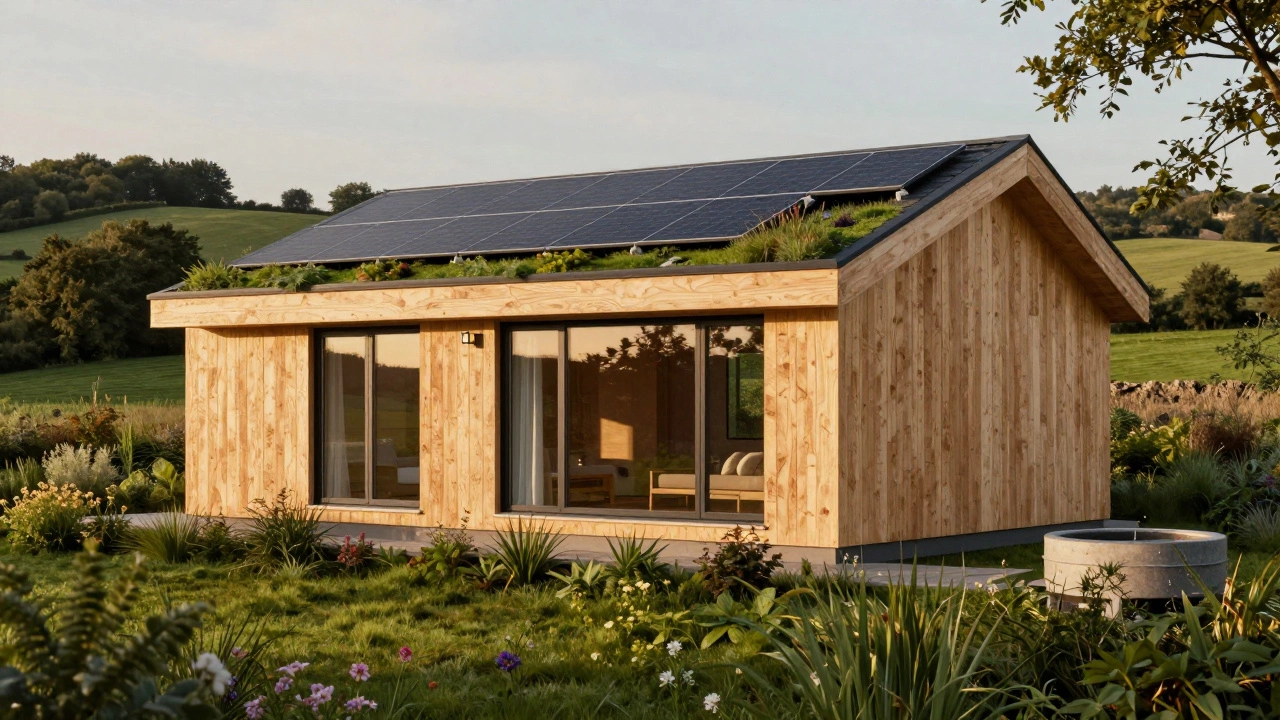
Imagine a house that pays for its own electricity, heats itself using the sun, and actually improves the air quality inside. It sounds like science fiction from a few decades ago, but today, this is the reality of the most eco-friendly homes on the market. We aren't just talking about slapping a solar panel on an old roof anymore. The definition of a truly green home has shifted dramatically. It’s no longer just about what you add to the house; it’s about how the house behaves.
If you are looking to build or buy a property that leaves the lightest possible footprint, you need to look beyond the buzzwords. Terms like "green" and "sustainable" are thrown around loosely in real estate listings. To find the most eco-friendly home, you have to understand the mechanics of energy efficiency, material sourcing, and water management. Let’s break down exactly what makes a modern eco-cottage tick, starting with the foundation of everything: energy independence.
The Core Principle: Energy Independence and Passive Design
The single biggest factor in determining how eco-friendly a home is, isn't the type of wood used for the floorboards-it’s how much energy the house consumes. The gold standard right now is the Net-Zero Home, which is a residence that produces as much renewable energy as it consumes over the course of a year. But getting to net-zero requires more than just a big battery bank. It starts with something called passive design.
Passive design is about working with nature rather than fighting it. Think about where your windows are placed. In a well-designed eco-cottage, large south-facing windows (in the Northern Hemisphere) capture low-angle winter sun to heat the interior naturally. In summer, deep roof overhangs block the high-angle sun, keeping the house cool without running the air conditioning. This strategy reduces heating and cooling loads by up to 50% before you even flip a switch.
- Super-Insulation: Traditional homes lose heat through walls, roofs, and floors. An eco-home uses thick layers of insulation-often made from recycled denim, hemp, or sheep’s wool-to create a thermal envelope. This keeps the temperature stable regardless of the weather outside.
- Airtightness: Drafts are the enemy of efficiency. High-performance homes use specialized tapes and membranes to seal every gap. This doesn’t mean stale air; it means controlled ventilation via Heat Recovery Ventilation (HRV) systems, which swap stale indoor air for fresh outdoor air while retaining the heat.
- Thermal Mass: Materials like concrete floors or stone walls absorb heat during the day and release it slowly at night, smoothing out temperature swings.
When you combine these elements, you get a home that barely needs active heating or cooling. That’s the first step toward true sustainability.
Building Materials: From Cradle to Grave
Once the energy efficiency is sorted, we look at what the house is made of. The construction industry is responsible for nearly 40% of global carbon emissions, largely due to cement and steel production. The most eco-friendly homes avoid these high-carbon materials wherever possible, opting instead for biogenic or recycled options.
Timber framing is making a massive comeback, but not just any timber. Cross-Laminated Timber (CLT) is engineered wood that is strong enough to replace concrete in multi-story buildings. It acts as a carbon sink, locking away CO2 that the trees absorbed while growing. Another popular choice is rammed earth. This ancient technique involves compressing local soil into forms to create dense, durable walls. Rammed earth walls have incredible thermal mass and require zero processing energy since the material is dug right from the site.
| Material | Carbon Footprint | Durability | Best Use Case |
|---|---|---|---|
| Cross-Laminated Timber (CLT) | Negative (Carbon Sink) | High | Floors, Walls, Roofs |
| Rammed Earth | Very Low | Very High | Load-bearing Walls |
| Hempcrete | Low (Biodegradable) | Medium | Non-load bearing infill, Insulation |
| Recycled Steel | Medium | Very High | Structural Beams, Framing |
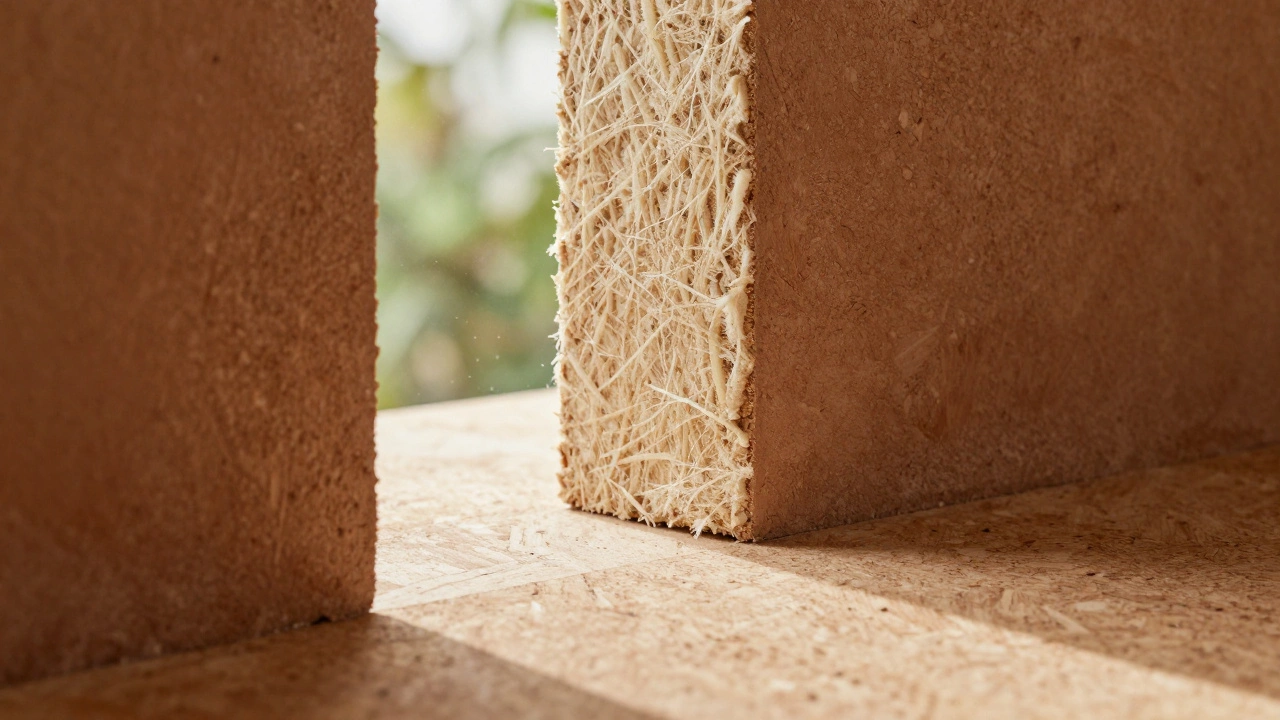
Hempcrete is another fascinating option. Made from the woody core of the hemp plant mixed with lime, it’s lightweight, breathable, and mold-resistant. While it can’t support heavy loads on its own, it’s perfect for insulating walls. When choosing materials, always ask about their lifecycle. Does the material off-gas harmful chemicals? Can it be recycled at the end of its life? The most eco-friendly home is one that doesn’t poison the people living inside it.
Water Wisdom: Closing the Loop
We often forget that water usage is a huge part of a home’s environmental impact. A typical household uses thousands of gallons of treated water daily for tasks that don’t require potable quality, like flushing toilets or watering gardens. The most advanced eco-homes treat water as a precious resource to be cycled, not wasted.
Rainwater harvesting is standard in modern eco-cottages. Gutters channel rain into underground tanks or above-ground cisterns. This water is then filtered and pumped for domestic use. But the real game-changer is greywater recycling. Greywater is wastewater from sinks, showers, and washing machines. Instead of sending it to the sewer, eco-homes filter it and redirect it to irrigation systems or toilet flushing. Some high-end systems even treat blackwater (from toilets) using constructed wetlands-small, landscaped areas with reeds and bacteria that naturally break down waste.
Installing low-flow fixtures is the easy part. Designing a system that captures, treats, and reuses water on-site is where the real engineering happens. In regions prone to drought, like parts of California or Australia, this isn’t just eco-friendly; it’s essential for survival.
Renewable Energy Integration
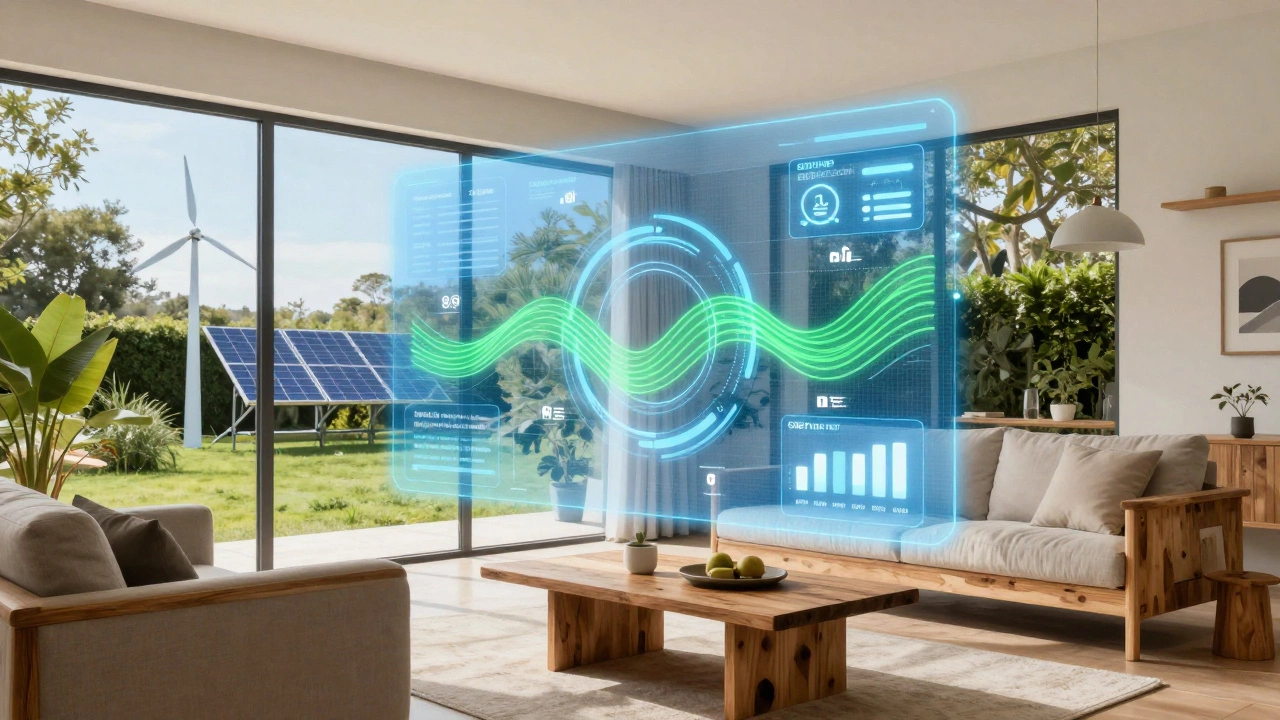
Even with perfect insulation and efficient appliances, a home still needs power for lighting, electronics, and cooking. The most eco-friendly homes generate this power on-site. Solar photovoltaic (PV) panels are the most common solution, but technology has evolved significantly. Modern bifacial panels capture sunlight from both sides, increasing efficiency by up to 30%. They pair beautifully with home battery storage systems, allowing you to store excess energy generated during the day for use at night.
In windy locations, small-scale wind turbines can complement solar arrays. For homes in colder climates, ground-source heat pumps are incredibly effective. These systems circulate fluid through pipes buried underground, where the temperature remains constant year-round. They extract heat from the ground in winter and reject heat into the ground in summer, providing heating and cooling with a fraction of the electricity used by traditional HVAC systems.
Electric vehicle (EV) charging stations are also becoming a standard feature. By integrating smart home technology, you can program your EV to charge when solar production is highest, effectively turning your car into a backup battery for the house.
The Human Element: Healthy Living Spaces
An eco-friendly home isn’t just good for the planet; it’s better for your health. Traditional building materials often contain volatile organic compounds (VOCs) found in paints, adhesives, and synthetic carpets. These chemicals can cause headaches, respiratory issues, and long-term health problems. Green homes prioritize non-toxic materials.
This means using natural clay plasters instead of drywall, cork flooring instead of vinyl, and water-based, zero-VOC paints. Good indoor air quality is maintained through the HRV systems mentioned earlier, which filter out pollen, dust, and pollutants. Natural light is maximized to regulate circadian rhythms, improving sleep and mood. When you live in a space that breathes, you feel it. The connection between physical health and environmental stewardship is direct and powerful.
Cost vs. Value: The Economic Reality
Let’s address the elephant in the room: cost. Building or buying the most eco-friendly home usually comes with a higher upfront price tag. You might pay 10-20% more for premium insulation, solar panels, and sustainable materials. However, this is an investment, not just an expense.
Over time, the operational costs plummet. Many net-zero homes have near-zero utility bills. Maintenance costs are often lower because durable materials like rammed earth and metal roofing last decades longer than conventional alternatives. Additionally, green certifications like LEED or Passive House can increase property value. As energy prices rise and climate regulations tighten, eco-friendly homes will become increasingly desirable assets. In many places, government grants and tax incentives further offset the initial cost.
Conclusion: Defining Your Own Green Standard
So, what is the most eco-friendly home? There is no single answer. It depends on your location, budget, and lifestyle. For some, it’s a tiny, off-grid cabin powered by solar. For others, it’s a high-tech urban apartment with district heating and shared resources. The common thread is intentionality. It’s about making choices that reduce harm and enhance life.
Whether you are building from scratch or retrofitting an existing cottage, start with the basics: improve insulation, seal leaks, and switch to renewables. Every step counts. The goal isn’t perfection; it’s progress. By understanding the principles of passive design, sustainable materials, and resource conservation, you can create a home that stands as a testament to a smarter, greener future.
Is it cheaper to build an eco-friendly home or retrofit an existing one?
It depends on the condition of the existing home. Retrofitting is often cheaper if the structure is sound, as you save on foundation and framing costs. However, achieving true net-zero status in an old building can be technically challenging and expensive due to limitations in wall depth for insulation. New builds allow for optimized design from the start, potentially offering better long-term efficiency per dollar invested.
Do eco-friendly homes require special maintenance?
Generally, no. Many sustainable materials like rammed earth, metal roofing, and CLT are highly durable and require less maintenance than traditional materials. For example, metal roofs can last 50+ years, whereas asphalt shingles may need replacement every 15-20 years. The main "maintenance" is monitoring your energy systems, such as cleaning solar panels and checking HRV filters.
Can I make my current home more eco-friendly without rebuilding?
Absolutely. Start with energy audits to identify leaks. Add insulation to attics and walls, upgrade to LED lighting, install a programmable thermostat, and switch to a heat pump for heating and cooling. Small changes like low-flow showerheads and composting also make a significant difference in reducing your environmental footprint.
What is the difference between a Passive House and a Net-Zero home?
A Passive House focuses on extreme energy efficiency through superior insulation, airtightness, and heat recovery, drastically reducing heating and cooling needs. A Net-Zero home focuses on producing as much energy as it consumes, usually through renewable sources like solar. A home can be both, which is the ideal scenario for maximum sustainability.
Are there financial incentives for building eco-friendly homes?
Yes, many governments offer tax credits, rebates, and low-interest loans for energy-efficient upgrades and new green builds. Incentives vary by location but often cover solar panel installation, heat pumps, and insulation improvements. Check with local authorities or energy agencies for specific programs available in your area.