When you’re planning a getaway to a cozy cottage in the countryside, one of the first decisions you’ll face is whether to go with catering or self-catering. It’s not just about meals-it’s about how you want to experience your trip. Do you want someone else to handle everything, or do you prefer the freedom to cook your own food, set your own schedule, and feel more at home?
Catering Means Someone Else Does the Work
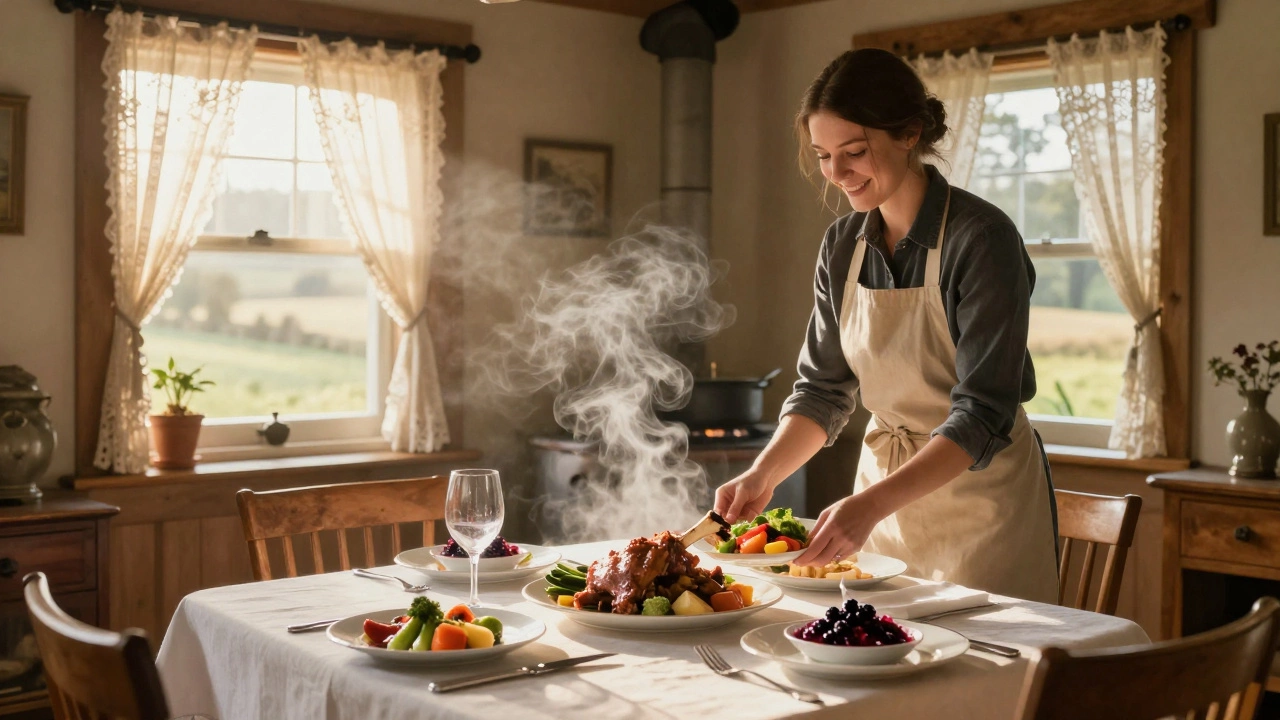
With catering, your accommodation includes meals prepared and served for you. This could mean breakfast delivered to your door, a full dinner plated in the dining room, or even a chef coming in to cook for you every night. It’s common in luxury country house hotels, boutique retreats, or high-end holiday estates. You wake up, you eat, you relax. No shopping. No cleaning pots. No wondering what’s for dinner.Think of it like staying at a bed and breakfast, but with more options. At a catering cottage, you might get a three-course dinner with local lamb, seasonal vegetables, and a dessert made from berries picked that morning. The staff sets the table, clears your plates, and even does the dishes. You don’t lift a finger.
This works great if you’re celebrating something-a birthday, anniversary, or just a long-overdue break. It’s perfect for people who want to fully unplug. No stress. No planning. Just show up and enjoy.
Self-Catering Means You’re in Charge
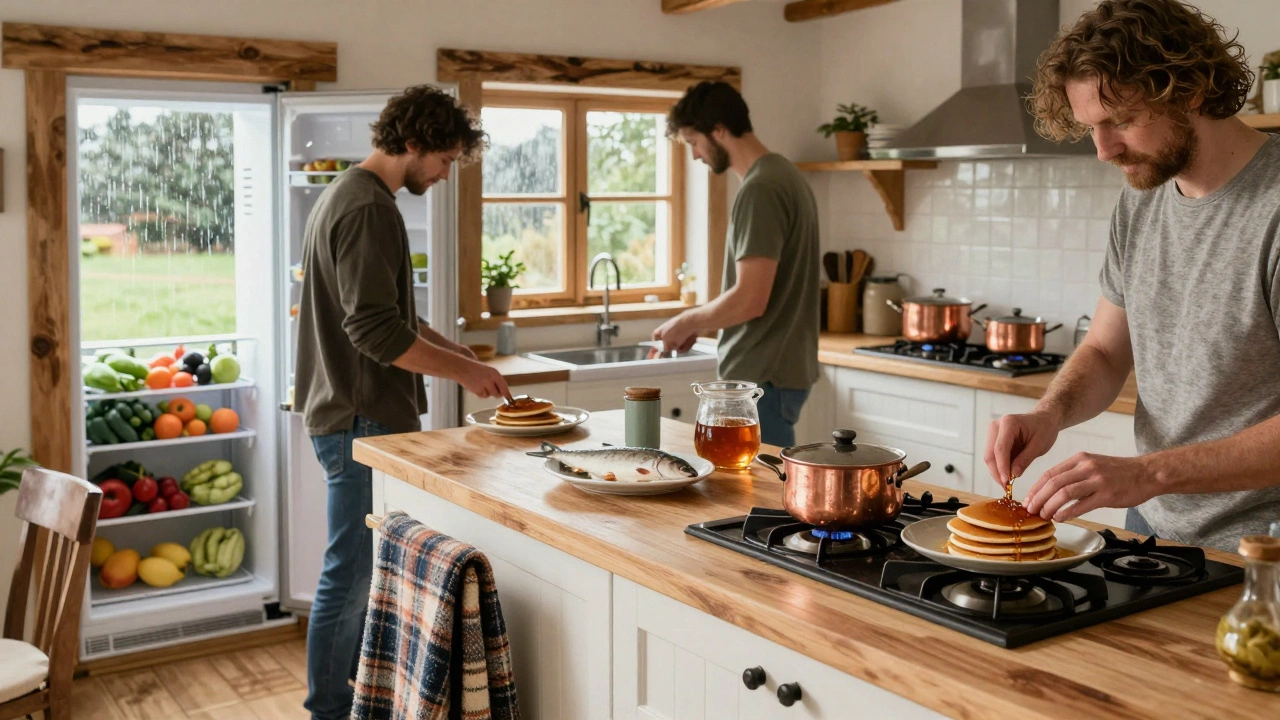
Self-catering cottages come with a kitchen. Full fridge. Pots. Pans. Spices. Maybe even a dishwasher. You buy your own food. You cook your own meals. You clean up after yourself. Sounds simple? It is-but it changes everything about your trip.Imagine waking up on a rainy Saturday morning and making pancakes with maple syrup you brought from home. Or picking up fresh fish from the local market in the afternoon and grilling it on the patio as the sun sets. You can eat dinner at 8 p.m. or 11 p.m. You can snack on cheese and crackers at midnight. You can make lunch for the kids without asking anyone’s permission.
Self-catering gives you control. And that control means flexibility. You’re not tied to meal times. You can skip dinner if you’re out exploring. You can save money by cooking instead of paying for restaurant-style service. You can bring your own wine, your favorite tea, or that jar of pickles you can’t find in New Zealand.
Cost Comparison: What You’re Really Paying For
At first glance, catering might seem more expensive. And it is-but not always for the reason you think.A self-catering cottage in Devonport might cost $180 a night. Add groceries: $60 for a week’s meals for two. Total: $240.
A catering cottage might cost $280 a night, with all meals included. That’s $1,960 for a week. But wait-that includes breakfast, lunch, and dinner every day, plus snacks, drinks, and sometimes even wine with dinner. That’s 21 meals, plus extras. If you were eating out at restaurants every night, you’d easily spend $30-$50 per person per meal. That’s $1,260 just for dinners. Add breakfasts and lunches, and you’re over $2,000.
So while the upfront price of catering looks high, it’s often cheaper than eating out daily. And you’re getting quality ingredients, expert prep, and service you can’t replicate at home. Self-catering saves money, but only if you’re willing to shop, cook, and clean.
Time and Effort: The Hidden Trade-Off
Self-catering sounds easy until you realize what it actually takes. You need to plan meals. You need to go shopping. You need to store food properly. You need to wash dishes. You need to figure out what to do with leftovers. If you’re traveling with kids, you’re also playing chef, waiter, and dishwasher.One couple I know booked a self-catering cottage for their honeymoon. They’d never cooked together before. By day three, they were eating cereal for dinner because neither wanted to chop another onion. They ended up ordering pizza.
Catering removes that burden. You don’t need to know how to make a roux or where to find gluten-free bread. You just sit down. You enjoy. You relax.
But if you’re the kind of person who loves cooking, or you’re traveling with food allergies, or you just want to eat like a local, self-catering gives you that power. You can buy fresh kūmara from the roadside stall, make a stew with wild mushrooms you foraged, or bake scones with local honey.
Which One Fits Your Travel Style?
Ask yourself a few simple questions:- Do you like to cook, or do you see it as a chore?
- Are you traveling with young kids or elderly relatives who need specific meals?
- Do you want to eat at the same time every day, or do you prefer to eat when you’re hungry?
- Are you on a tight budget, or are you treating yourself?
- Do you want to feel like a guest, or do you want to feel like you’re living there?
If you answered yes to most of the first options, self-catering is probably your pick. If you answered yes to the second options, go for catering.
Some people split the difference. They book a self-catering cottage but pay for one or two chef-prepared dinners during the week. That way, they get the freedom to cook breakfast and lunch, but still enjoy a special night out without the hassle.
What You Might Not Realize About Self-Catering
Not all self-catering cottages are created equal. Some have full kitchens with ovens, microwaves, dishwashers, and even coffee machines. Others? Just a hotplate and a mini-fridge. Always check the listing details. Look for phrases like “fully equipped kitchen” or “cooking facilities.”Also, don’t assume the kitchen will be stocked with basics. You won’t find salt, pepper, or cooking oil unless it’s listed. Bring your own if you’re picky. And if you’re traveling in winter, check if the cottage has a reliable fridge-some older ones struggle to keep things cold when it’s freezing outside.
On the flip side, catering cottages often include things you don’t expect: afternoon tea, welcome baskets with local cheese and wine, or even a guided nature walk. These little touches add up. They’re part of the experience.
Real-Life Scenarios
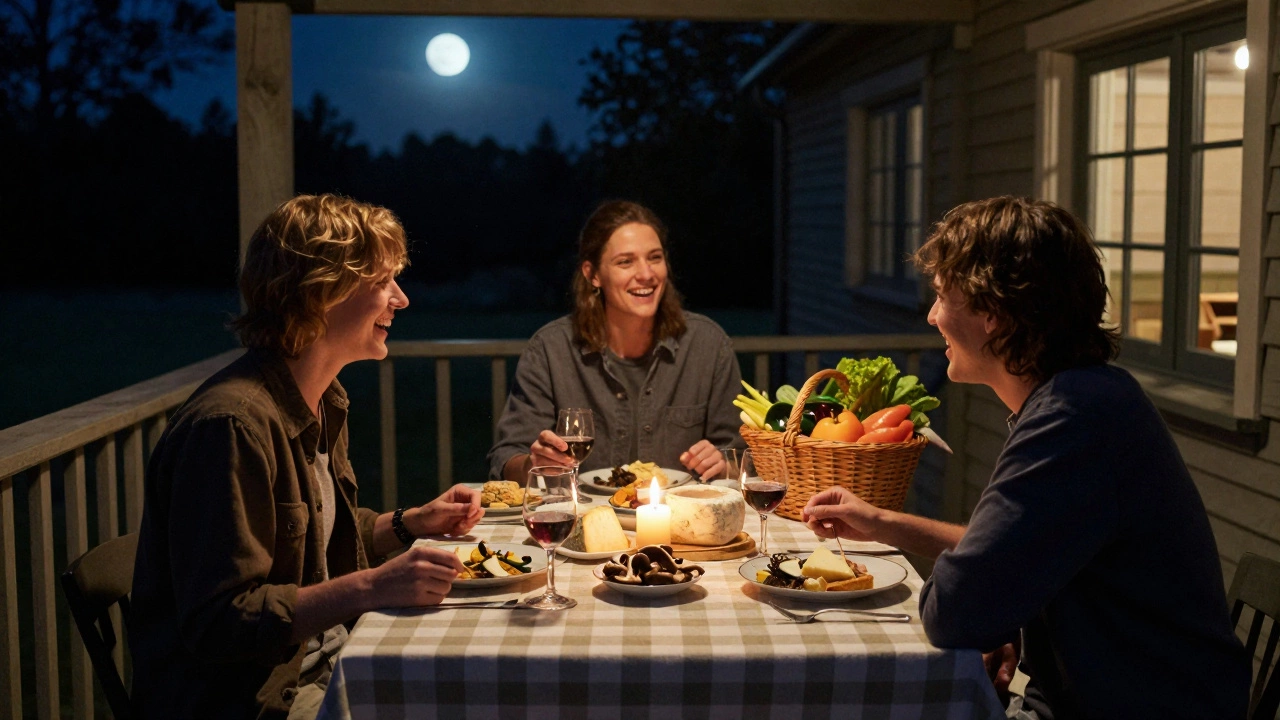
Scenario 1: A family of four with two toddlers. They want to be near the beach but don’t want to deal with tantrums over meal times. They choose catering. The staff knows the kids love pasta with butter. They get it every night. The parents sleep. Everyone wins. Scenario 2: Two friends celebrating a 10-year friendship. They’re foodies. They’ve been talking about trying that new artisanal cheese from Taranaki. They book a self-catering cottage with a big kitchen. They spend an afternoon at the farmers’ market, cook a five-course dinner, and eat on the porch under the stars. No rush. No rules. Just good food and great company. Scenario 3: A solo traveler on a tight budget. They’re backpacking through the South Island. They need a place to sleep, but don’t want to spend $100 a night eating out. They pick a self-catering cabin with a stove. They buy instant noodles, canned beans, and a loaf of bread. They cook in the morning, eat outside, and save enough to buy a new pair of hiking boots.Final Thoughts: It’s Not About Luxury-It’s About Control
Catering and self-catering aren’t about which is better. They’re about which suits your mood, your energy, and your goals for the trip.If you want to be pampered, if you’re tired, if you want to forget about food entirely-go with catering. It’s a gift to yourself.
If you want to feel like you’re really there-like you’re part of the rhythm of the place, eating what’s local, cooking how you like, living like the neighbors-then self-catering is your way.
There’s no right answer. Only the one that lets you come home feeling rested, not exhausted.
Is self-catering cheaper than catering?
It depends. Self-catering cottages usually have lower nightly rates, but you’ll need to pay for groceries. Catering includes meals, so while the upfront cost is higher, you’re paying for convenience and quality. For most people, self-catering saves money if you cook simple meals. Catering can be cheaper if you’d otherwise eat out for every meal.
Do self-catering cottages have kitchens?
Yes, by definition. But not all kitchens are equal. Some have full ovens, dishwashers, and microwaves. Others only have a hotplate and a small fridge. Always check the listing for details like "fully equipped kitchen" or "cooking facilities." Don’t assume you’ll find basics like salt, oil, or dish soap.
Can you mix catering and self-catering?
Absolutely. Many cottage owners offer flexible packages-like including breakfast and dinner but letting you handle lunch. Or you can book a self-catering cottage and pay for one or two chef-prepared meals during your stay. This gives you the best of both worlds: freedom with a touch of luxury.
Is catering better for families?
It often is, especially with young kids. Catering means no meal planning, no fighting over what to eat, and no cleaning up after dinner. Staff know how to handle picky eaters and dietary needs. For tired parents, it’s a huge relief. But if your kids love helping in the kitchen or you have specific dietary needs, self-catering gives you more control.
What should I bring to a self-catering cottage?
Start with basics: salt, pepper, cooking oil, dish soap, and tea or coffee if you’re particular. Bring snacks for kids, favorite spices, or any special ingredients you rely on. Check the listing to see what’s provided-some cottages include starter packs, but most don’t. Also bring reusable containers for leftovers, and a cooler if you’re buying fresh food from a market.