Villa vs Cottage: Which Suits Your Trip?
Tell us about your trip
Expected Features
Select your preferences and click "Find My Perfect Stay" to see our recommendation.
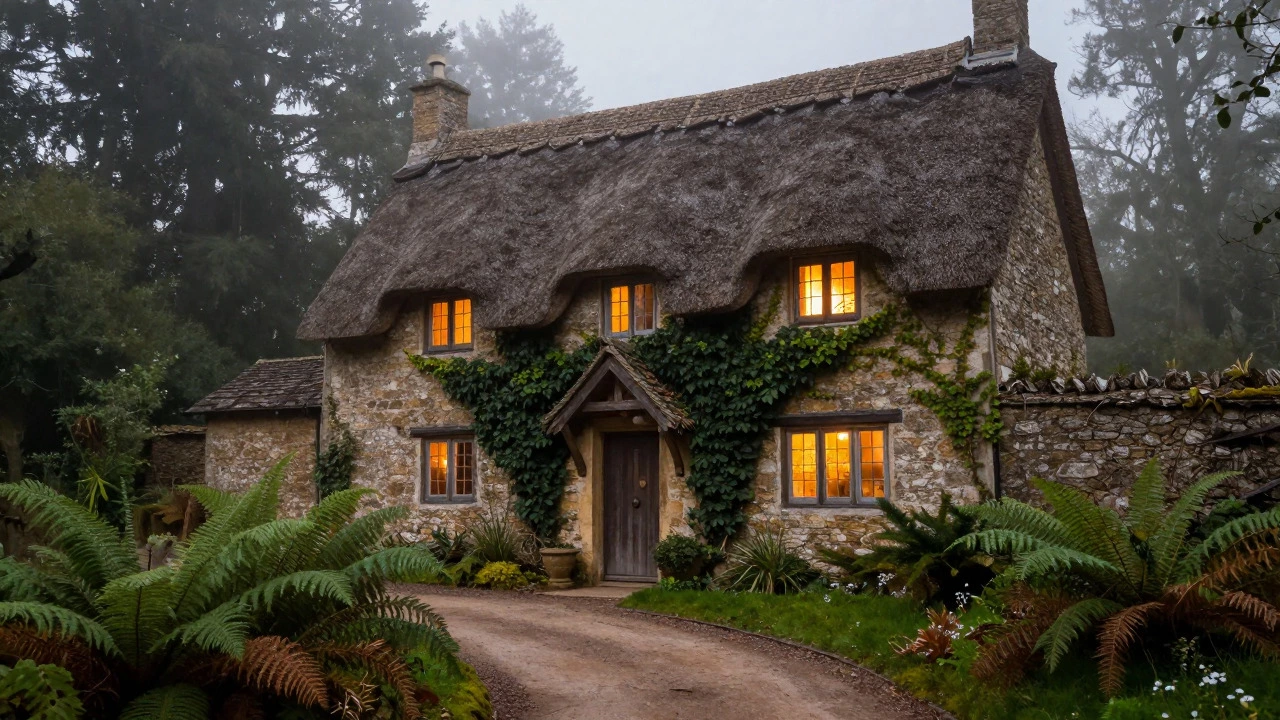
Picture this: you’re scrolling through booking sites for your next getaway. One listing shows a stone-walled gem with a thatched roof, nestled in a quiet forest. The other boasts marble floors, a private infinity pool, and manicured gardens stretching to the horizon. Both promise relaxation, but they feel like worlds apart. That’s because one is likely a cottage, and the other is a villa.
While these terms are often used loosely in travel marketing, they actually represent two very different styles of living-and vacationing. Understanding the difference isn't just about semantics; it helps you pick the right vibe, budget, and experience for your trip. Are you looking for cozy intimacy or spacious grandeur? Let's break down exactly what sets them apart.
The Core Definition: Origins and Architecture
To understand the difference, we have to look at where these words come from. A Cottage is a small, modest house, typically found in rural areas, often characterized by traditional building materials like stone, timber, or brick. Historically, cottages were built for laborers or farmers. They are humble by design. Think low ceilings, thick walls for insulation, and a layout that feels enclosed and secure.
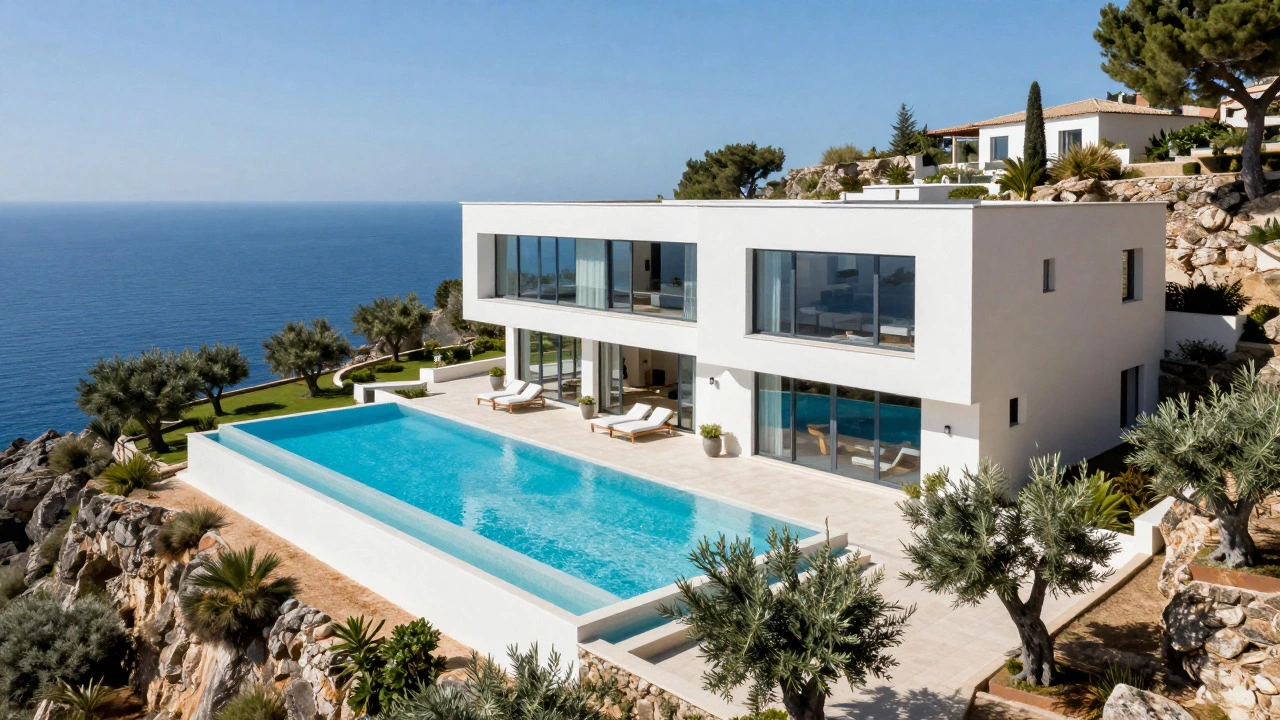
In contrast, a Villa is a large, luxurious detached house, often located in a resort area or countryside, featuring high-end amenities and expansive grounds. The term originates from ancient Roman estates. Villas were status symbols-places for leisure, entertainment, and display. Architecturally, they prioritize open spaces, natural light, and integration with the landscape through large windows and terraces.
If a cottage is a warm hug, a villa is a red carpet. The architectural intent differs completely: one is designed for shelter and comfort on a human scale, while the other is designed for presence and luxury.
Size and Layout: Cozy Corners vs. Open Spaces
The most immediate difference you’ll notice is square footage. A typical cottage ranges from 600 to 1,200 square feet. It usually has one or two bedrooms, a combined kitchen-living area, and perhaps a loft. The layout is compact. You don’t walk long distances between rooms. This creates an intimate atmosphere where everyone is close together.
Villas, on the other hand, start around 2,000 square feet and can easily exceed 5,000. They often feature multiple wings, separate guest houses, or distinct zones for sleeping, entertaining, and dining. A villa might have three to six bedrooms, each with its own en-suite bathroom. The layout encourages movement and separation, allowing groups to spread out without feeling crowded.
Consider your group dynamics. If you’re traveling as a couple or a small family who wants to snuggle up by the fire, a cottage’s tight quarters enhance that connection. If you’re hosting a reunion with cousins, in-laws, and kids running wild, a villa’s sprawling floor plan prevents friction.
| Feature | Cottage | Villa |
|---|---|---|
| Average Size | 600-1,200 sq ft | 2,000-5,000+ sq ft |
| Bedrooms | 1-2 | 3-6+ |
| Outdoor Space | Small garden or patio | Large grounds, pools, terraces |
| Architectural Style | Traditional, rustic, local materials | Modern, Mediterranean, or neoclassical |
| Privacy Level | Intimate, enclosed | Secluded, expansive boundaries |
| Typical Location | Villages, forests, hillsides | Coastal resorts, exclusive estates |
Amenities and Lifestyle: Rustic Charm vs. Luxury Service
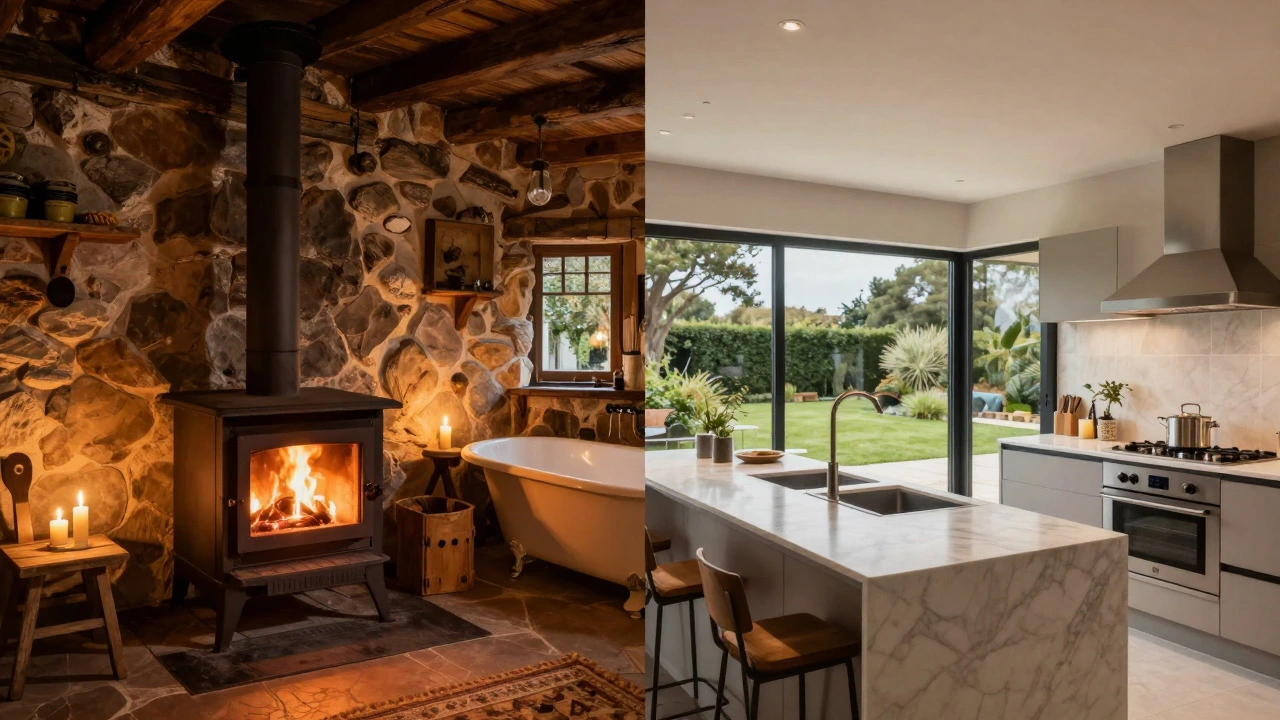
What do you get inside? In a cottage, amenities lean towards the functional and charming. You might find a wood-burning stove, a cast-iron bathtub, and a kitchen equipped for simple cooking. High-tech gadgets are rare unless it’s a newly renovated "eco-cottage." The appeal here is authenticity. You’re experiencing the local culture through its housing style.
Villas come loaded with modern luxuries. Think smart home systems, home theaters, wine cellars, gyms, and chef-grade kitchens. Outdoor amenities are a major selling point: private swimming pools, hot tubs, outdoor kitchens, and landscaped gardens maintained by staff. Many villas also offer concierge services, meaning someone else handles grocery delivery, cleaning, or activity bookings.
This distinction matters if you value convenience over character. A villa removes friction from your trip-you don’t lift a finger. A cottage requires a bit more engagement with the environment, which some travelers find refreshing and others find inconvenient.
Location and Setting: Hidden Gems vs. Prime Real Estate
Where are they built? Cottages are often tucked away in villages, deep in forests, or on rolling hillsides. They blend into their surroundings. In places like Devonport, New Zealand, or the Cotswolds in England, cottages are part of the historical fabric of the community. You might be walking distance to a pub or a shop, but you’re still removed from city noise.
Villas are usually situated in prime real estate locations. Coastal cliffs, lakefronts, or gated communities in resort towns like Tuscany, Bali, or the Amalfi Coast. They command views. The land itself is part of the luxury. While a cottage offers seclusion within a community, a villa offers isolation within exclusivity. You pay for the view and the privacy fence.
Cost and Value: Budget-Friendly vs. Premium Investment
Price is the great equalizer. Generally, cottages are more affordable. Whether buying or renting, the cost per night or per square foot is lower. They are accessible for solo travelers, couples, or small families on a moderate budget. However, boutique or historic cottages in popular tourist spots can command premium prices due to scarcity and charm.
Villas are a significant financial commitment. Rental costs can range from $500 to $5,000+ per night depending on location and season. Buying a villa involves high maintenance costs, property taxes, and insurance. But for large groups, splitting the cost of a villa among eight people might actually be cheaper per person than booking four hotel rooms. It’s about economies of scale.
Ask yourself: What is the primary goal of your trip? If it’s relaxation and savings, a cottage wins. If it’s celebration, status, or accommodating a large party in comfort, a villa justifies the expense.
Which One Fits Your Travel Style?
Choosing between a villa and a cottage depends on your personal travel philosophy. Do you seek adventure and connection with nature? Or do you prefer curated luxury and space?
- Choose a Cottage if: You love reading by the fireplace, enjoy cooking simple meals, want to explore local villages on foot, and appreciate historical architecture. It’s ideal for romantic getaways, writer’s retreats, or digital detoxes.
- Choose a Villa if: You’re hosting a wedding rehearsal dinner, need space for kids to play safely outdoors, desire private pool access, or want to entertain guests without leaving the property. It’s perfect for milestone celebrations, corporate retreats, or multi-generational family trips.
Neither is inherently better. They serve different needs. A cottage offers soul; a villa offers space. Knowing the difference ensures you book the experience that matches your expectations, avoiding the disappointment of expecting a pool when you booked a stone hut, or expecting coziness when you rented a mansion.
Can a cottage be considered a luxury accommodation?
Yes, especially if it is a "boutique" or "luxury" cottage. These properties combine traditional cottage aesthetics (like stone walls or thatched roofs) with high-end interiors, such as designer furniture, spa-like bathrooms, and modern technology. They offer the charm of a cottage with the comfort of a villa, though usually at a smaller scale.
Are villas always located near the beach?
Not necessarily. While many villas are coastal, they are also common in mountain resorts, vineyard regions, and exclusive suburban estates. The defining feature of a villa is its size and luxury level, not its proximity to water. However, coastal locations are popular because they allow for large outdoor living spaces that take advantage of sea views.
Is it cheaper to rent a villa or a cottage for a family of four?
For a family of four, a cottage is typically cheaper. Cottages are designed for smaller groups, so the base price is lower. A villa would provide excess space you wouldn’t use, driving up the cost. However, if you add extra adults or children, a villa might become more cost-effective per person compared to booking multiple hotel rooms or two separate cottages.
Do cottages have internet and modern utilities?
Most modern rental cottages do have Wi-Fi, electricity, and running water. However, older or remote cottages may have limited connectivity or rely on well water and propane heating. Always check the amenity list before booking. If you need reliable high-speed internet for work, look for "business-friendly" or "modernized" tags in the description.
What is the main difference in privacy between a villa and a cottage?
Villas generally offer higher physical privacy due to larger lots, high fences, and secluded locations. Cottages often sit closer to neighbors or public paths, offering visual privacy but less acoustic isolation. If you want complete seclusion from neighbors, a villa is the safer bet. If you want to feel part of a village community, a cottage is preferable.