Oceanfront Real Estate: What It Really Means and Where to Find It
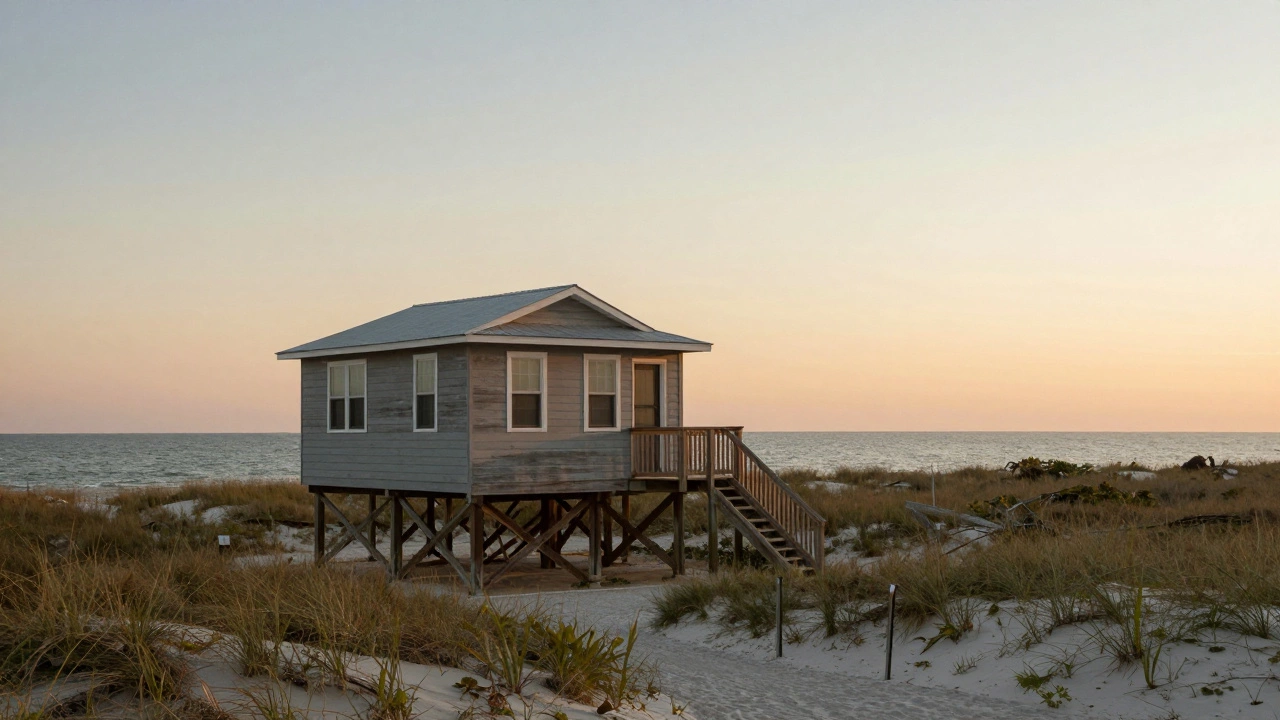
When people talk about oceanfront real estate, property that sits directly on the edge of the ocean with unobstructed views and access. Also known as oceanfront homes, it’s not just about having a view—it’s about waking up to waves, stepping onto sand without crossing a road, and living where the tide shapes your daily rhythm. But here’s the thing: beachfront property, land that fronts a beach, often with public access paths or dunes between the house and water. Also known as beachside homes, it’s a different category entirely. Many think they’re the same, but legally, insurance-wise, and in price, they’re worlds apart. Oceanfront means your backyard ends at the high tide line. Beachfront might mean you need to walk 50 yards through grass or a boardwalk to reach the sand.
That difference affects everything—from how much you pay to how often you deal with erosion, storm damage, or local zoning rules. In the UK, true oceanfront homes are rare outside of Cornwall, Devon, and parts of Scotland. You won’t find them in every coastal town. And when you do, they’re not just expensive—they come with extra costs. Higher insurance premiums. Special building codes. Drainage systems that cost more than your kitchen. Some buyers don’t realize until after they sign that the property is classified as coastal zone land, which limits renovations or even tree planting.
What makes oceanfront real estate worth it? For some, it’s the silence. No neighbors blocking the sunrise. Just seagulls, wind, and the sound of water rolling in. Others want the space—no crowded boardwalks, no weekend crowds. But it’s not for everyone. If you’re looking for a weekend getaway, you might be better off with a secluded cottage, a small, charming home often found in rural or coastal areas, perfect for quiet escapes. Also known as rural cottage, it’s a more practical choice for most UK travelers. Many of the homes we feature on Welcoming Yards are tucked into cliffs or tucked behind dunes—not right on the water, but close enough to feel the sea without the upkeep. And if you’re thinking about buying, don’t skip the survey. Salt air eats through metal. Sand gets into everything. And tide charts aren’t just for fishermen—they’re your future maintenance schedule.
What you’ll find in the posts below are real stories from people who’ve lived near the sea, bought property, or stayed in places that blur the line between oceanfront and just really close. You’ll learn why some resorts charge more for ocean views, how to tell if a listing is misleading, and where to find hidden gems that offer the feel of oceanfront without the price tag. No fluff. Just what matters if you’re serious about coastal living—or just want to know what you’re really booking when you click "oceanfront."