
Resort vs Airport Hotel Decision Tool
Recommendation: Airport Hotel
Best for efficiency, transit, and short stays.
Key Benefits for You:
- ✓ Avoid traffic jams for early flights
- ✓ Functional rooms focused on sleep
- ✓ Lower cost for short durations
- ✓ Business centers for last-minute work
Note: If noise is a concern, request a room away from the runway side.
Recommendation: Resort
Best for relaxation, experiences, and longer stays.
Key Benefits for You:
- ✓ Access to pools, spas, and entertainment
- ✓ Immersive atmosphere and scenic views
- ✓ Multiple dining options on-site
- ✓ Activities for children and groups
Note: Check for hidden resort fees and ensure the location isn't too remote if you plan to explore outside.
You’ve got a layover in Frankfurt, or maybe you’re heading to the Maldives for your honeymoon. The booking engine throws up two options: an Airport Hotel is a lodging facility located near an airport, designed primarily for convenience and short stays for travelers in transit. On the other hand, there’s a sprawling Resort that offers comprehensive leisure facilities including pools, spas, dining, and entertainment, designed for extended relaxation and recreation. Why does one cost $120 and the other $800? What are you actually paying for?
The difference isn’t just about price tags or zip codes. It’s about the fundamental purpose of the stay. One is built for efficiency; the other is built for escape. If you pick the wrong one, you might find yourself staring at a concrete wall while trying to relax, or dragging your suitcase across three miles of manicured lawn just to catch a shuttle bus.
Design Philosophy: Efficiency vs. Immersion
Airport hotels operate on a simple principle: get you from point A to point B with minimal friction. They are usually situated within a few kilometers of the runway. Their architecture prioritizes functionality. Think standardized rooms, easy check-in kiosks, and direct highway access. The goal is to minimize the time you spend interacting with the building itself.
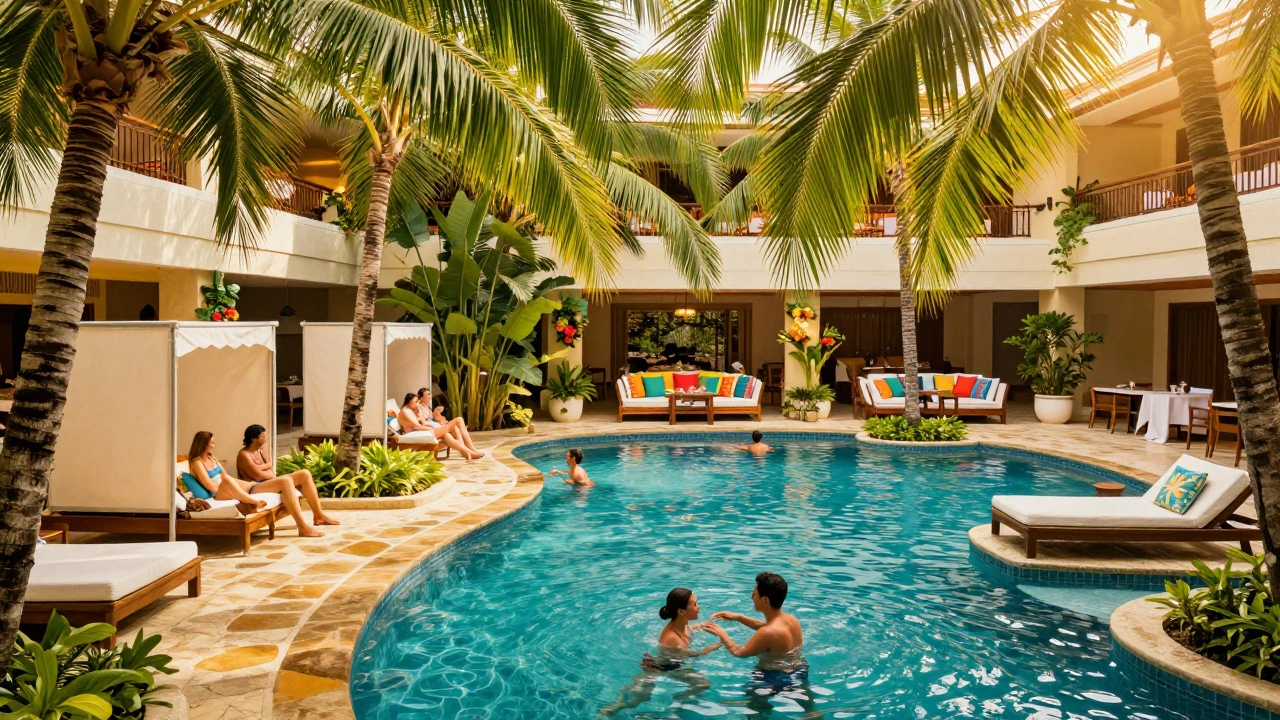
Resorts, however, are designed to maximize the time you spend inside their walls. They create a self-contained ecosystem. You don’t leave a resort because everything you need-food, fun, rest-is right there. The design often incorporates local culture, nature, or luxury themes to immerse you in a specific experience. Whether it’s a tropical island vibe or a mountain lodge aesthetic, every detail is curated to make you forget where you are geographically.
| Feature | Airport Hotel | Resort |
|---|---|---|
| Primary Goal | Transit convenience & sleep | d>Relaxation & entertainment|
| Location | Near runways/highways | Scenic areas (beaches, mountains) |
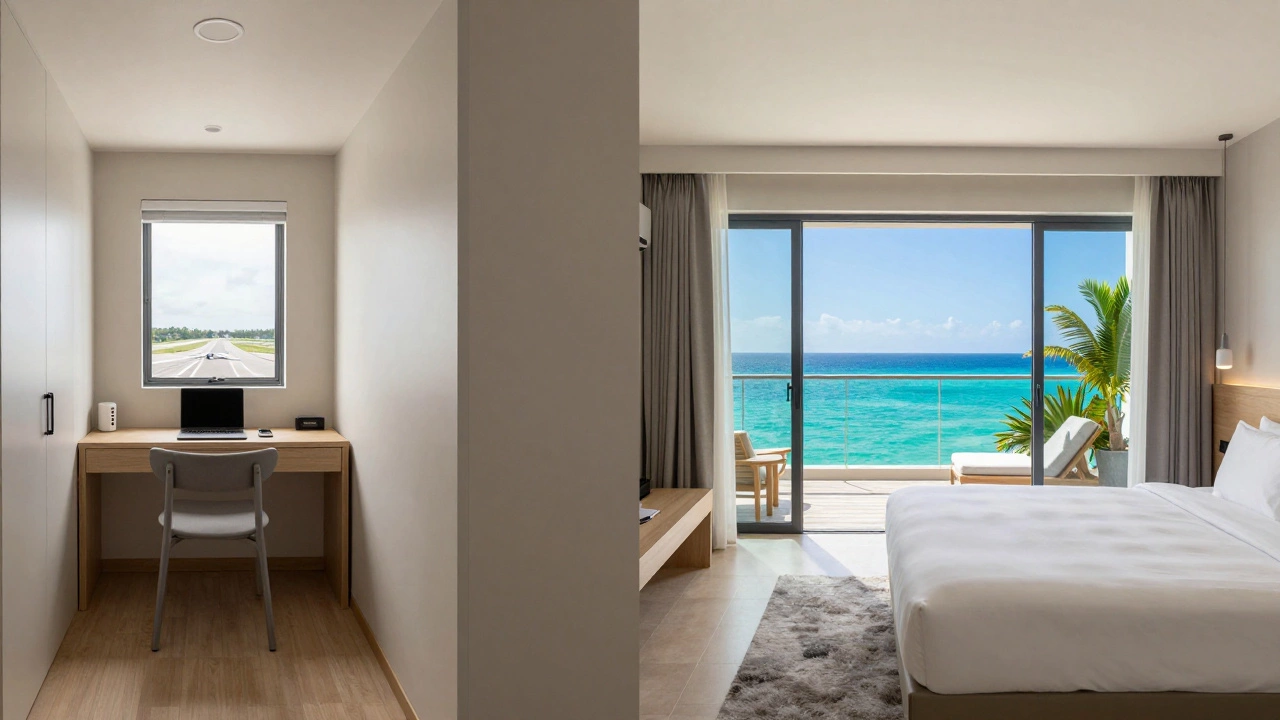
| Room Size | Compact, functional | Spacious, often with balconies/views |
| Dining | Quick service, room service focus | Multiple restaurants, buffets, bars |
| Activities | None (maybe a gym) | Pools, spa, tours, kids' clubs |
| Stay Duration | Hours to 2 nights | 3+ days |
Amenities: What’s Actually Included?
When you book an airport hotel, you’re paying for basics done well. Expect free Wi-Fi (crucial for checking flight statuses), a 24-hour front desk, and likely a complimentary shuttle to the terminal. Some higher-end ones offer a quiet zone or soundproof windows to block out jet engines. Breakfast is often a grab-and-go affair-pastries, coffee, fruit cups.
Resorts charge a premium for experiences. That $800 rate includes access to multiple swimming pools, a full-service spa, fitness classes, and perhaps even water sports equipment. Dining isn’t just fuel; it’s an event. You might have access to a beachfront bar, a fine-dining restaurant, and a casual poolside grill. Kids’ clubs are common, allowing parents some downtime. The amenities are designed to keep you occupied so you never feel the urge to leave.
Consider this: if you need a printer to finish a work report before a meeting, the airport hotel’s business center is your best bet. If you want to learn how to surf or take a yoga class overlooking the ocean, the resort is the only logical choice.
Location and Accessibility
Airport hotels thrive on proximity. They are strategically placed near major transport hubs. This makes them ideal for early morning flights or late-night arrivals. You can drop off your luggage, shower, and change without worrying about traffic jams. However, they are rarely tourist destinations themselves. You won’t find landmarks or scenic views nearby. The surrounding area is often industrial or commercial.
Resorts are usually located in desirable but sometimes remote areas. Think coastal regions, national parks, or historic towns. Getting there might require a transfer, but once you arrive, you’re immersed in the destination. The trade-off is accessibility. If you plan to explore the city daily, a resort might be too far from public transport or attractions. You’re trading convenience for atmosphere.
Who Should Book Which?
Your decision should hinge on your itinerary and priorities. Ask yourself these questions:
- Are you in transit? If you have a long layover or an early flight, an airport hotel saves stress. You avoid waking up at 3 AM and dealing with rush hour traffic.
- Is this a business trip? If you’re attending a conference near the airport or meeting clients, the airport hotel’s business services and quick access are valuable.
- Do you want to relax? If you’re on vacation and want to unwind, a resort offers the environment to do so. You can disconnect from schedules and enjoy leisure activities.
- Are you traveling with family? Resorts often provide structured activities for children, giving parents a break. Airport hotels lack these facilities.
- Is budget a primary concern? Airport hotels are generally cheaper per night, especially for short stays. Resorts involve higher costs due to included amenities and location premiums.
For example, if you’re flying into Dubai for a 2-day trade show, an airport hotel like the Rove City Centre (near DXB) keeps you close to action. But if you’re visiting Dubai for a week-long holiday, a resort like Atlantis The Palm offers the iconic experience you crave.
Hidden Costs and Considerations
Don’t let the lower nightly rate of an airport hotel fool you. While the base price is lower, you might end up spending more on meals if the hotel lacks good dining options. You’ll also need to factor in transportation costs to reach your actual destination.
Resorts often have resort fees that aren’t immediately visible during booking. These can cover Wi-Fi, gym access, or pool towels. Always read the fine print. Additionally, resorts may enforce dress codes or restrict outside food, which can add to the inconvenience if you prefer flexibility.
Noise is another factor. Airport hotels are engineered to dampen sound, but low-frequency rumble from planes can still be felt. Resorts, while quieter, might have live music or activity noise depending on the time of day. Check reviews specifically mentioning “noise” to gauge what others experienced.
Making the Right Choice
Ultimately, the choice between a resort and an airport hotel comes down to intent. Are you passing through, or are you arriving? If your goal is to move efficiently through a journey, the airport hotel serves you well. If your goal is to pause and enjoy, the resort delivers value beyond mere shelter.
Plan ahead. Look at your schedule. If you have free days, lean toward the resort. If your time is packed with meetings or connections, stick to the airport vicinity. Both have their place in travel, but mixing them up can lead to disappointment. Know what you need before you click ‘book.’
Can I use a resort for a one-night stay?
Yes, but it’s often not cost-effective. Resorts are designed for longer stays to justify their amenities. For a single night, you might pay a high minimum rate without utilizing most facilities. An airport hotel is usually better for short durations.
Are airport hotels noisy?
Many modern airport hotels feature soundproofing technology to mitigate aircraft noise. However, sensitivity varies. Request a room away from the runway side if possible, and check recent guest reviews for mentions of noise levels.
Do resorts offer business services?
Some upscale resorts do offer business centers and meeting rooms, but they are not as streamlined as those in dedicated business or airport hotels. If work is your priority, verify the availability of reliable Wi-Fi and printing services beforehand.
Is it cheaper to eat at an airport hotel or a resort?
Airport hotels typically have limited dining options, often pushing guests to nearby fast-food chains or requiring expensive room service. Resorts have multiple on-site restaurants, which can be pricey but convenient. Budget-conscious travelers might prefer bringing snacks or finding external eateries near airport hotels.
Can I visit a resort without staying overnight?
Many resorts allow day passes for non-guests to use pools or beaches, though policies vary. This can be a great way to test the waters before committing to a multi-night stay. Contact the resort directly to inquire about day-use rates and restrictions.