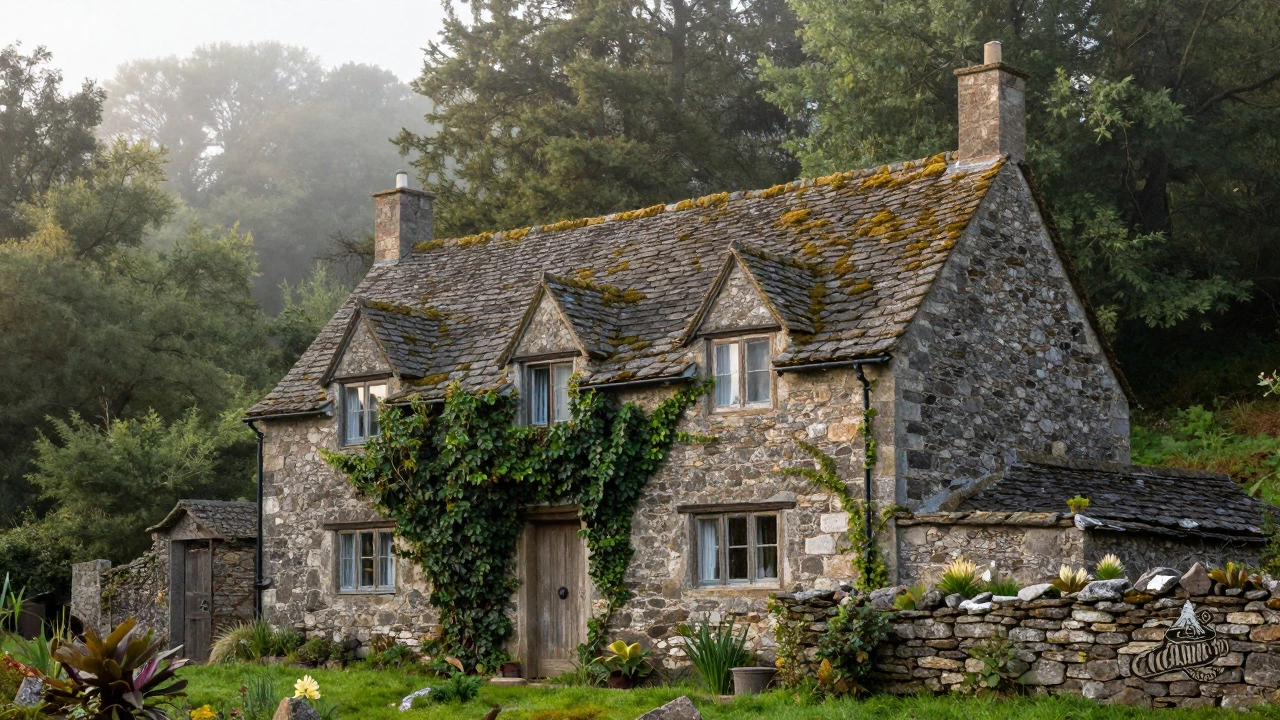
Cottage Qualification Analyzer
Enter your property details below to see how it compares to the traditional and modern definitions of a cottage.
Analysis Result
Enter details to calculate your Cottage Score.
Picture this: you’re scrolling through rental listings or browsing real estate sites. You see a charming, slightly weathered stone structure nestled in the woods labeled as a 'cottage.' Next to it is a sleek, modern tiny house on wheels, also called a 'cottage.' Then there’s a converted barn with no running water, marketed as a 'rustic cottage retreat.' It’s confusing, right? The word cottage has become a marketing buzzword that means everything and nothing at once.
If you are looking to buy, build, or rent one, relying on vibes isn’t enough. Zoning laws, insurance policies, and resale value depend on what actually qualifies as a cottage in the eyes of the law and the market. So, what makes a building a cottage? Is it the size? The location? The history? Let’s strip away the romantic imagery and look at the concrete criteria that define this beloved housing type.
The Core Definition: Size, Simplicity, and Scale
At its most basic level, a Cottage is defined by its modest scale and simple construction. Unlike a mansion or even a standard suburban family home, a cottage prioritizes function over grandeur. Historically, these were homes for agricultural workers or rural laborers, built quickly and cheaply using local materials.
In modern terms, we can quantify this. A true cottage typically falls under specific square footage thresholds. While definitions vary by region, most experts agree that a cottage is generally under 1,000 square feet (approximately 93 square meters). Anything larger starts drifting into the territory of a "small house" or "bungalow."
- Floor Area: Usually between 400 and 1,000 sq ft.
- Stories: Often single-story or featuring a low-pitched roof with attic space used sparingly.
- Layout: Open-plan living areas are common to maximize the sense of space within compact walls.
This simplicity isn't just aesthetic; it's practical. Smaller footprints mean lower heating bills, less maintenance, and a smaller environmental impact. When you walk into a cottage, you shouldn't feel overwhelmed by corridors or unused rooms. Every square inch serves a purpose.
Location Matters: Rural Roots vs. Urban Micro-Living
Where a house sits plays a huge role in whether it qualifies as a cottage. Traditionally, cottages are tied to rural or semi-rural landscapes. Think rolling hills, forests, or coastal edges. This connection to nature is intrinsic to the identity of a cottage. If a small house is surrounded by other identical small houses in a dense urban grid, it’s likely an apartment or a townhouse, not a cottage.
However, the rise of Accessory Dwelling Units (ADUs) has blurred these lines. In many cities, backyard cottages are now legal residential units. These structures mimic the traditional cottage form-small, detached, often with a garden-but exist in urban zones. For a structure to qualify as a cottage in this context, it usually needs to be detached from the main dwelling and have its own entrance. It retains the "cottage" label because of its standalone nature and secondary status, even if it’s in the middle of a city block.
| Housing Type | Typical Location | Attachment | Primary Use |
|---|---|---|---|
| Traditional Cottage | Rural/Semi-Rural | Detached | Primary Residence |
| Backyard Cottage (ADU) | Urban/Suburban | Detached | Secondary/Guest/Income |
| Bungalow | Suburban/Urban | Detached | Primary Residence |
| Tiny House | Varies | Mobile/Fixed | Lifestyle Choice |
Construction Materials and Architectural Style
You can’t talk about cottages without talking about materials. A glass-and-steel box might be small, but does it feel like a cottage? Probably not. Authentic cottages rely on natural, locally sourced materials. Stone, brick, timber, and stucco are the hallmarks. These materials age gracefully, developing character over time rather than looking sterile.
Architecturally, cottages feature steeply pitched roofs. Why? Originally, this was to shed snow and rain in harsh climates. Today, it’s a stylistic cue that signals "cottage" to the eye. Other key features include:
- Chimneys: Even if they aren’t functional, a prominent chimney suggests warmth and hearth-centric living.
- Windows: Small, multi-paned windows are common. They break up the facade and add visual interest without compromising structural integrity.
- Porches and Decks: An extension of the living space into the outdoors is crucial. A cottage invites you to sit outside and enjoy the surrounding landscape.
If a building lacks these elements-if it looks like a shipping container or a minimalist cube-it may be a small home, but it misses the soul of a cottage. The charm comes from the imperfection and the texture of the materials.
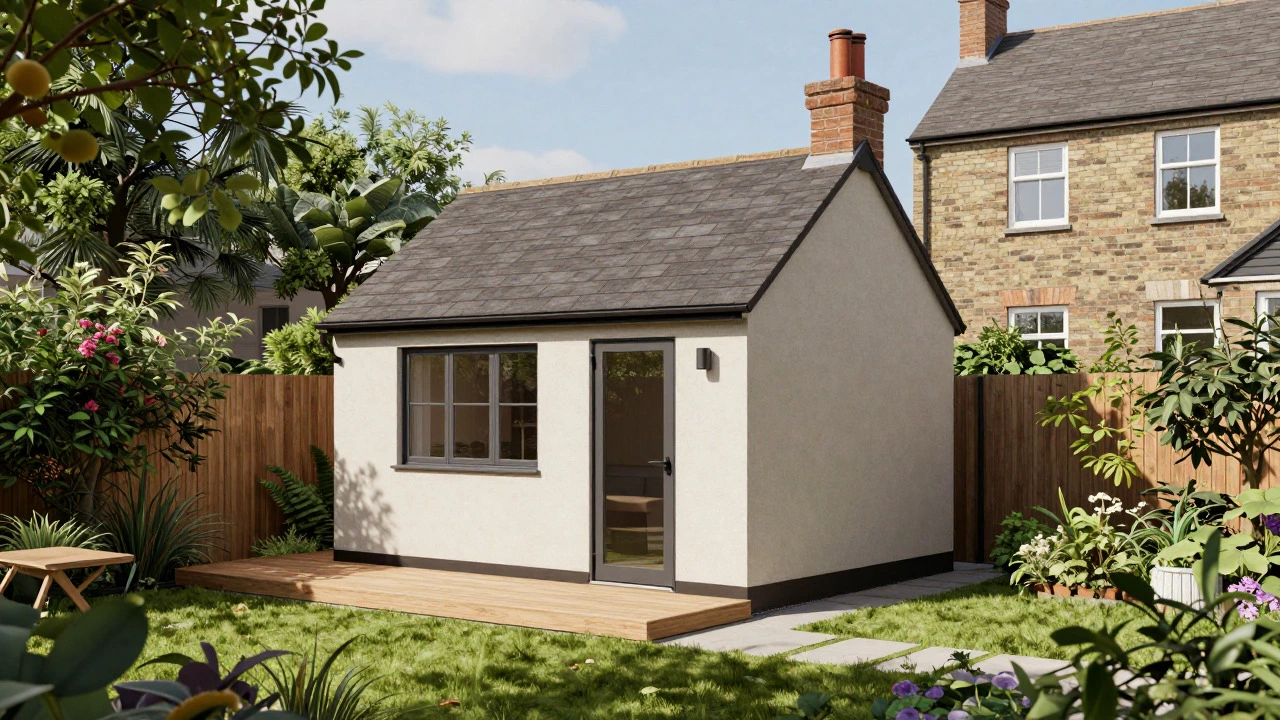
Legal and Zoning Classifications
This is where things get tricky. Legally, "cottage" is rarely a distinct zoning category. Instead, it falls under broader classifications like "Single-Family Residential" or "Accessory Dwelling Unit." However, some municipalities have specific codes for "Cottage Clusters" or "Rural Residences."
In places like New Zealand, where I live, or parts of the UK and Canada, rural zoning allows for smaller dwellings on larger plots. These are often exempt from certain urban density requirements. But beware: if you buy a property labeled as a cottage, check the deed. Is it fully habitable year-round? Does it have septic and well permits? Many "cottages" sold as holiday lets are legally classified as recreational cabins, meaning they can’t be your primary address. This distinction affects mortgage eligibility and insurance rates significantly.
For example, a "weekend cottage" might lack insulation standards required for a permanent residence. Insurance companies view these differently. A permanent cottage requires homeowner’s insurance, while a seasonal cabin might only need hazard coverage. Always verify the legal status before signing anything.
Cottages vs. Tiny Houses: What’s the Difference?
People often confuse cottages with tiny houses. They share the small footprint, but their philosophies differ. A tiny house is a movement focused on minimalism and mobility. Many tiny houses are on wheels, designed to be towed. They prioritize extreme efficiency and often sacrifice storage for space.
A cottage, on the other hand, is rooted in place. It’s fixed to the land. It embraces comfort and tradition over radical minimalism. You might find a cozy reading nook in a cottage, whereas a tiny house might opt for a convertible sofa bed. The cottage is about slowing down and connecting with the land; the tiny house is often about freedom and flexibility.
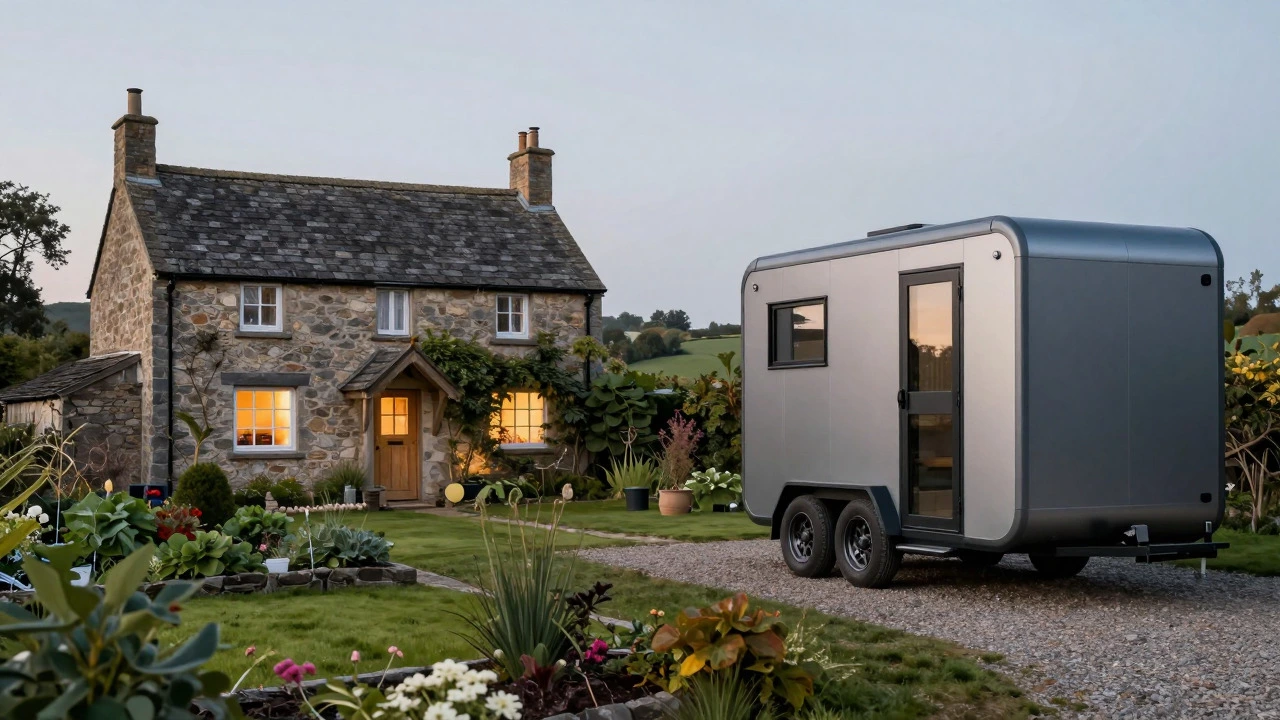
Eco-Friendly Living and Sustainability
In 2026, sustainability is a major factor in defining modern cottages. Many new builds incorporate green technologies. Solar panels, rainwater harvesting systems, and high-efficiency heat pumps are becoming standard. Because of their small size, cottages naturally have a lower carbon footprint. Heating and cooling a 600-square-foot space requires far less energy than a 2,500-square-foot suburban home.
Additionally, the trend toward "eco-friendly cottages" emphasizes passive solar design. Large south-facing windows (in the Northern Hemisphere) capture winter sun, while overhangs provide shade in summer. This reduces reliance on artificial climate control. When buying or building, look for certifications like Passive House or LEED, which validate these energy-saving claims.
Who Should Choose Cottage Living?
Not everyone is cut out for cottage life. It requires a shift in mindset. Here’s who thrives in a cottage:
- Retirees: Downsizing reduces maintenance burdens and utility costs.
- Remote Workers: The quiet, rural setting offers focus, provided internet infrastructure is reliable.
- Eco-Conscious Buyers: Those seeking to reduce their environmental impact.
- Investors: Building an ADU cottage can generate rental income.
However, consider the trade-offs. Storage space is limited. Hosting large gatherings can be challenging. And if you love collecting items, you’ll need to declutter ruthlessly. Cottage living is less about stuff and more about experience.
Is a cottage considered a permanent residence?
It depends on the local zoning laws and the specific construction permits. Many traditional cottages are permanent residences, but some, especially those in rural or holiday parks, may be classified as seasonal or recreational dwellings. Check with your local council to confirm if the property is approved for year-round habitation.
What is the average size of a cottage?
The average cottage ranges from 400 to 1,000 square feet. Structures larger than 1,000 square feet are typically categorized as bungalows or small houses rather than cottages. The exact threshold can vary by region and historical context.
Can I build a cottage in my backyard?
In many jurisdictions, yes, under Accessory Dwelling Unit (ADU) regulations. These laws allow for small, detached residential units on single-family lots. However, you must meet specific setback, height, and utility connection requirements. Always consult local planning authorities before starting construction.
Are cottages cheaper to maintain than regular houses?
Generally, yes. Due to their smaller size, cottages require less cleaning, lower heating and cooling costs, and fewer materials for repairs. However, older cottages with unique architectural features (like stone foundations or slate roofs) may have higher specialized maintenance costs.
What is the difference between a cottage and a cabin?
While similar, cabins are typically associated with wilderness settings and recreational use, often made primarily of wood. Cottages have stronger ties to rural communities and can serve as primary residences. Cottages often feature more refined finishes and gardens, whereas cabins prioritize rugged functionality.