All-Inclusive Hidden Fees Calculator
Enter your base booking details below to discover the real total cost of your all-inclusive vacation.
Select Which Hidden Fees Apply to Your Resort:
Your Vacation Cost Breakdown
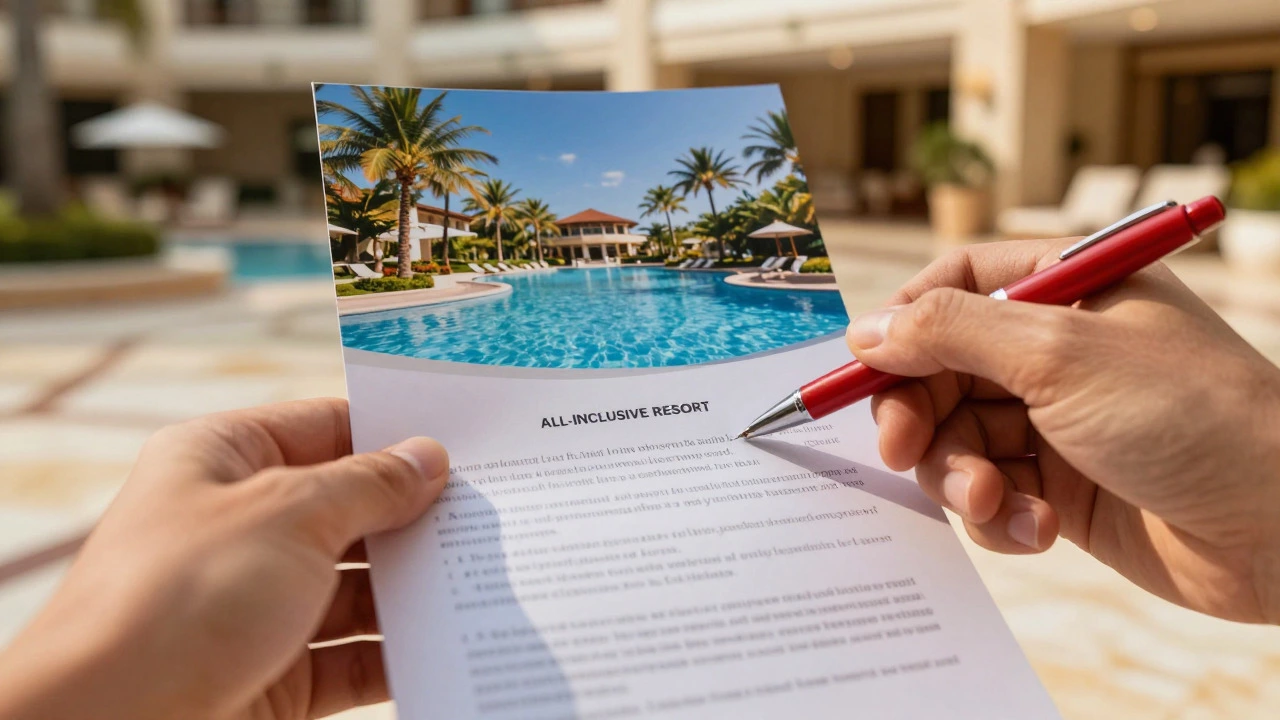
You book the trip. You see the price. It looks too good to be true, right? That’s exactly the trap. While all-inclusive resorts are vacation destinations where accommodation, meals, drinks, and activities are bundled into a single upfront price, the fine print often tells a different story. In 2026, the industry has shifted. What used to be strictly 'all-in' now often means 'most-in,' with operators squeezing out extra revenue through mandatory surcharges and à la carte add-ons.
I’ve spent years analyzing hotel contracts and traveler complaints from Devonport to Dubai. The truth is, you can still find genuinely inclusive places, but you have to know what to look for. If you don’t, your $3,000 week could easily balloon to $4,500 by the time you check out. Let’s break down exactly where that money goes so you aren’t caught off guard at the checkout counter.
The Mandatory Surcharges You Can’t Avoid
Before we even talk about optional extras, there are fees baked into the booking process that many travelers miss until it’s too late. These aren’t technically 'hidden' because they are listed somewhere in the terms, but they are rarely highlighted in the big bold font of the ad.
| Fee Type | Typical Cost Range | When It’s Charged |
|---|---|---|
| Resort Fee | $25 - $60 per night | Daily, added to bill |
| Service Charge / Gratuity | 10% - 15% of total bill | Added at checkout or daily |
| Tourism Tax | Varies by country (e.g., 1-5%) | Government mandated, added at checkout |
| Airport Transfer Surcharge | $50 - $150 round trip | If not included in package |
The resort fee is the biggest offender here. Hotels justify this by claiming it covers Wi-Fi, gym access, and pool towels. But wait-didn’t you pay for those in the base rate? Often, yes. This is a double-dipping tactic common in Caribbean and Mexican properties. Always ask if the resort fee is mandatory. Some luxury brands waive it for elite status members, but most charge it regardless.
Then there’s the service charge. In countries like Turkey or Egypt, tipping isn’t always expected culturally, but international all-inclusive chains impose a 10-15% service charge on your final bill. This isn’t optional. It goes into a pool for staff wages. If you’re used to tipping individually, you might feel you’re paying twice. Check the policy before you go.
The 'Premium' Drink Trap
This is where most people get burned. Your brochure says 'unlimited drinks.' Great. But which drinks? In 2026, the standard inclusion usually covers domestic beer, house wine by the glass, and basic spirits like Bacardi or Smirnoff. Want a bottle of Moët & Chandon? Or a specific brand of Japanese whiskey? That’s a premium item.
Hotels use a two-tier system:
- Standard Bar: Includes local beers, well liquors, and basic cocktails. No extra cost.
- Premium Bar: Requires a separate pass or charges per drink. Brands like Grey Goose, Hennessy, or imported craft beers fall here.
I once stayed at a popular Riviera Maya property where the 'unlimited' label excluded any spirit over $20 per ounce. A simple margarita made with premium tequila cost an extra $12. Over five nights, that adds up fast. Always ask for the list of included brands. If they hesitate, assume nothing is included except the basics.
Dining: Main Buffet vs. Specialty Restaurants
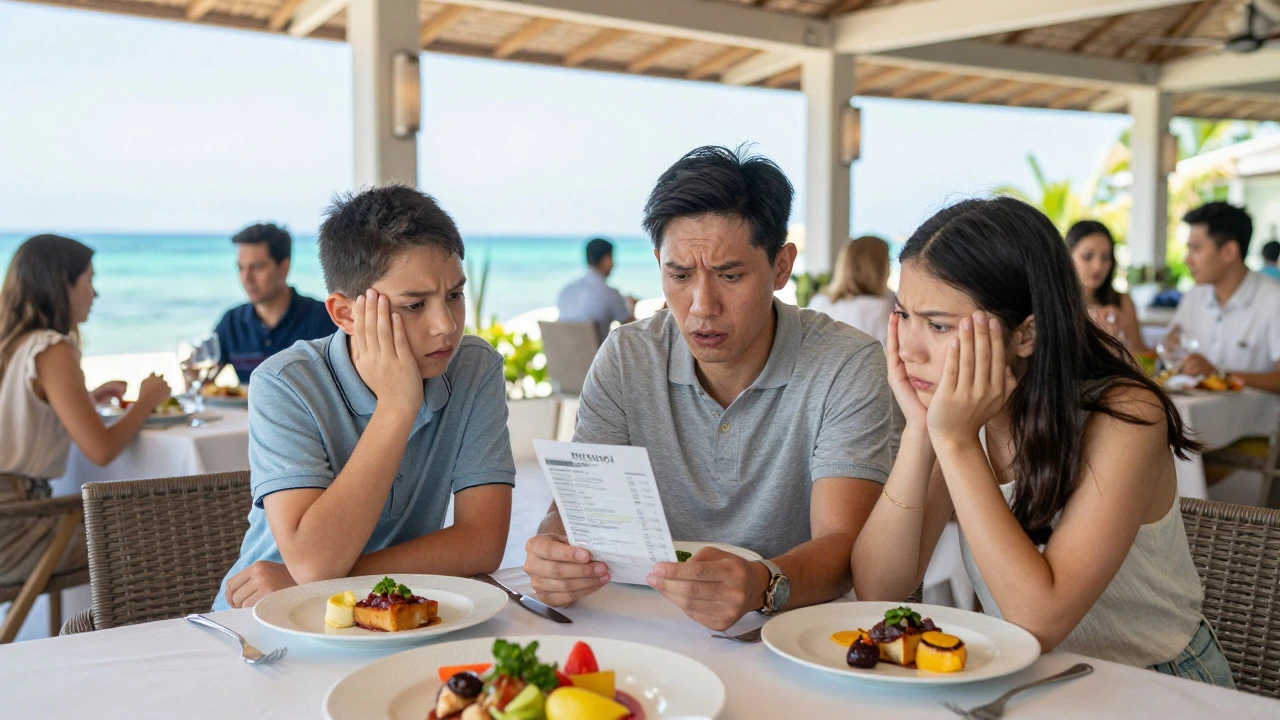
All-inclusive doesn’t mean unlimited gourmet dining. Most resorts operate on a rotation system. You eat at the main buffet twice a day, and maybe one à la carte restaurant per evening. But here’s the catch: the best restaurants often require reservations days in advance. If you wait until you arrive, you’ll be stuck at the pizza place or the taco stand.
Some resorts charge extra for certain experiences:
- Chef’s Table Experiences: Multi-course tasting menus with wine pairings can cost $100-$200 per person.
- Room Service: Many properties exclude room service from the all-inclusive package or charge a hefty delivery fee after midnight.
- Off-Site Excursions: Food purchased outside the resort is obviously not covered, but some resorts mark up excursion tickets significantly if booked through their desk.
To avoid this, book your specialty dining slots as soon as you receive your confirmation email. Don’t wait. And read the menu online beforehand to see if alcohol is paired with the meal or charged separately.

Activities and Spa: The Real Money Makers
Swimming in the pool? Free. Playing mini-golf? Usually free. But anything involving equipment, instruction, or exclusivity will likely cost extra. Think about it: the resort wants you to spend time on-site, but they also want to monetize your leisure.
Common paid activities include:
- Water Sports: Kayaking might be free, but jet skis, parasailing, and scuba diving lessons are almost always à la carte. Expect to pay $50-$150 per session.
- Golf: Even if the resort has a course, green fees are rarely included. A round can cost $100-$300 depending on the location.
- Spa Treatments: Massages, facials, and sauna access are never part of the all-inclusive deal. Spa packages are sold separately and often come with high-pressure sales tactics.
- Kids’ Clubs: Basic supervision might be free, but specialized programs like teen adventure camps or toddler sensory play often have daily fees.
If you love active vacations, calculate these costs upfront. A family of four doing two water sports a day could easily spend $500 extra just on activities.
Wi-Fi and Connectivity Costs
In 2026, slow Wi-Fi is unacceptable. Yet, many older all-inclusive resorts still charge for high-speed internet. They might offer 'free' Wi-Fi in the lobby, but it’s unusable for streaming or video calls. To get decent speeds in your room, you pay a daily fee of $10-$20.
This is especially frustrating for remote workers or families wanting to share photos instantly. Before booking, check reviews specifically mentioning 'Wi-Fi speed' or 'internet cost.' Newer builds in places like Costa Rica or Mexico tend to include better connectivity, while legacy properties in the Dominican Republic may still nickel-and-dime you.
How to Spot a Truly All-Inclusive Resort
Not all resorts are created equal. Some brands pride themselves on transparency. Here’s how to identify them:
- Look for 'Ultra-All-Inclusive' Labels: This term is unregulated, but it often signals higher-end inclusions like premium drinks and more dining options.
- Read the Fine Print on Booking Sites: Don’t just look at the price. Scroll down to the 'What’s Included' section. Look for specific brand names of alcohol and lists of activities.
- Check Recent Reviews: Search for keywords like 'hidden fees,' 'resort fee,' or 'extra charges.' Travelers will complain if they were surprised by costs.
- Contact the Resort Directly: Email them with specific questions. Ask: "Are there any mandatory fees not shown in the booking total?" Their response (or lack thereof) tells you a lot.
Brands like Sandos, Secrets, and Dreams have improved their transparency in recent years, but even they have tiers. A 'Secrets' resort might include premium drinks, while a 'Sandos' might not. Know the difference.
Budgeting Tips for Your Next Trip
Don’t let hidden fees ruin your vacation vibe. Plan ahead:
- Set a Daily Cash Budget: Bring enough cash for tips, souvenirs, and unexpected extras. Assume 10% of your total trip cost will go to unforeseen expenses.
- Pre-Package Activities: Book excursions and spa treatments online before you go. You’ll often save 10-20% compared to on-site prices.
- Stick to House Brands: Enjoy the included drinks. Save the premium bottles for special occasions only if you really want them.
- Ask About Waivers: If you’re a member of a loyalty program, call customer service. Sometimes they can waive resort fees or add credits to your account.
Traveling should be relaxing, not stressful. By knowing what to expect, you take back control of your wallet. The next time you see an all-inclusive deal, don’t just click 'book.' Do your homework. Your future self will thank you when you’re sipping a drink without checking the price tag.
Are resort fees really mandatory?
Yes, in most cases. Resort fees are considered mandatory operating costs by hotels, covering amenities like Wi-Fi and gym access. While rare, some luxury brands or specific booking platforms may waive them for elite members, but generally, you must pay them to stay.
Do all-inclusive resorts include premium alcohol?
Not always. Standard all-inclusive packages typically include domestic beer, house wine, and well spirits. Premium brands like Grey Goose or Moët & Chandon are often excluded and charged à la carte. Always check the specific list of included beverages before booking.
Is Wi-Fi always free at all-inclusive resorts?
Basic Wi-Fi is often free but slow. High-speed internet suitable for work or streaming may incur a daily fee of $10-$20. Newer resorts are more likely to include robust Wi-Fi in the base price, so check recent reviews for speed complaints.
Can I avoid service charges at all-inclusive hotels?
Usually no. Service charges of 10-15% are often automatically added to your final bill in many international destinations. This is distinct from tipping individual staff members, though policies vary by country and resort chain.
Are water sports included in the all-inclusive price?
Non-motorized water sports like kayaking and snorkeling are often included. Motorized activities such as jet skiing, parasailing, and scuba diving lessons typically cost extra, ranging from $50 to $150 per session.
What does 'ultra-all-inclusive' mean?
While unregulated, 'ultra-all-inclusive' generally indicates a higher tier of service that includes premium alcohol brands, more à la carte dining options, and sometimes exclusive activities. However, definitions vary by brand, so always verify what is specifically included.
Do I need to tip if gratuity is already included?
If a service charge is included, additional tipping is optional but appreciated for exceptional service. Many travelers bring small bills to tip housekeeping, bartenders, or tour guides directly as a gesture of gratitude beyond the pooled service charge.
Are airport transfers always included?
Not always. Some all-inclusive packages include shuttle services, but others charge $50-$150 round trip. Check your booking details carefully. If not included, booking a private transfer in advance is often cheaper and more reliable than hailing a taxi at the airport.