Farmhouse & Cottage Color Palette Generator
Create a beautiful color palette that blends farmhouse warmth with cottage softness. This tool will help you select colors that work together seamlessly for your home.
Select Your Base Color
Your Farmhouse & Cottage Palette
This palette combines the warm, neutral base of farmhouse style with the gentle, natural tones of cottage style. The cream base provides brightness while the earthy tones add depth and warmth. Each color is carefully selected to complement the others without overwhelming the space.
How to Use This Palette
Farmhouse uses whites, grays, and warm beiges while cottage adds blush pinks, mint greens, and sky blues. This blend works because:
- The cream base (farmhouse foundation) creates airiness and makes small spaces feel larger
- The warm beige (cottage softness) adds warmth without clutter
- The earthy tones bridge both styles with natural textures
- This palette avoids neon colors and keeps everything calm and natural
Ever walked into a room that felt like a warm hug from your grandma’s kitchen, but also had the clean lines of a modern farmhouse? That’s not magic-it’s the quiet, growing trend of mixing farmhouse and cottage styles. And yes, you absolutely can combine them. In fact, the best country cottages today aren’t stuck in one era. They borrow the soul of farmhouse charm and the softness of cottage coziness to create spaces that feel lived-in, not staged.
What Makes Farmhouse Different from Cottage?
Before you mix them, you need to know what you’re working with. Farmhouse style leans into practicality. Think exposed wooden beams, wide-plank floors, shiplap walls, and hardware with a bit of grit-black iron pulls, vintage enamelware, and apron sinks. It’s sturdy. It’s honest. It’s the kind of look you’d find in a 19th-century barn turned home, where function came first and beauty followed.
Cottage style, on the other hand, is all about softness. Think floral wallpaper, curved furniture legs, pastel paint colors, lace curtains, and mismatched china. It’s dreamy. It’s layered. It feels like a storybook tucked into a hillside village in the English countryside. Cottage style doesn’t shout-it whispers.
One isn’t better than the other. They’re just different flavors of the same root: rural, handcrafted, and rooted in comfort. Mixing them isn’t about contradiction-it’s about balance.
Where the Two Styles Naturally Overlap
Surprisingly, farmhouse and cottage share a lot of ground. Both value natural materials. Both hate shiny plastic. Both love texture. You’ll find reclaimed wood in both. You’ll see woven baskets, linen throws, and ceramic pitchers in both. The difference isn’t in the materials-it’s in the mood.
Take a wooden dining table. In a pure farmhouse, it’s heavy, scarred, and painted white with chipped edges. In a cottage, it’s lighter, maybe painted in sage or buttercream, with delicate carvings and a lace runner. Put them together? A whitewashed table with subtle distressing, paired with a hand-embroidered runner and mismatched chairs in soft blues and creams. Instant harmony.
Even their color palettes aren’t as far apart as you think. Farmhouse uses whites, grays, and warm beiges. Cottage adds blush pinks, mint greens, and sky blues. Combine them? Start with a base of creamy white walls, then layer in muted earth tones and just a few gentle pastels. No neon. No neon. Ever.
How to Blend Them Without It Looking Like a Mess
Blending styles sounds risky. What if it looks like your aunt’s living room after a yard sale? It doesn’t have to. Here’s how to do it right.
- Start with the structure. Keep your architectural bones farmhouse: exposed beams, wide floorboards, maybe a brick fireplace. These are your anchors. They give the room weight and history.
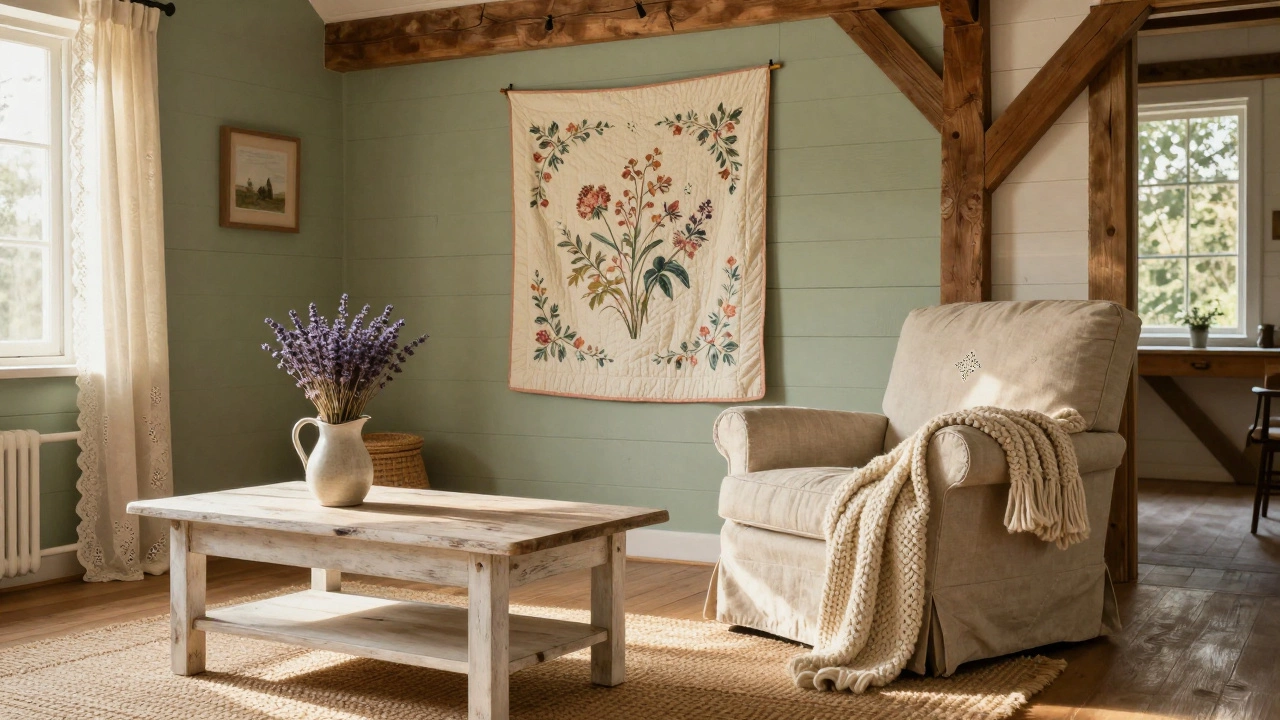
- Soften the edges with cottage details. Swap out harsh lighting for pendant lamps with fabric shades. Add a tufted armchair in linen. Hang a floral quilt on the wall instead of a painting.
- Use texture to unify. Woven rugs, chunky knit throws, ceramic vases, and dried lavender in mason jars bridge both styles. Texture doesn’t care about labels-it just feels right.
- Limit your color story to five tones. White, cream, warm gray, sage green, and blush. That’s it. Too many colors make it feel like a thrift store explosion.
- Let one style lead. If your house has heavy beams and a stone floor, let farmhouse be the foundation. If you have delicate moldings and a turret window, let cottage take the lead. The other style just supports.
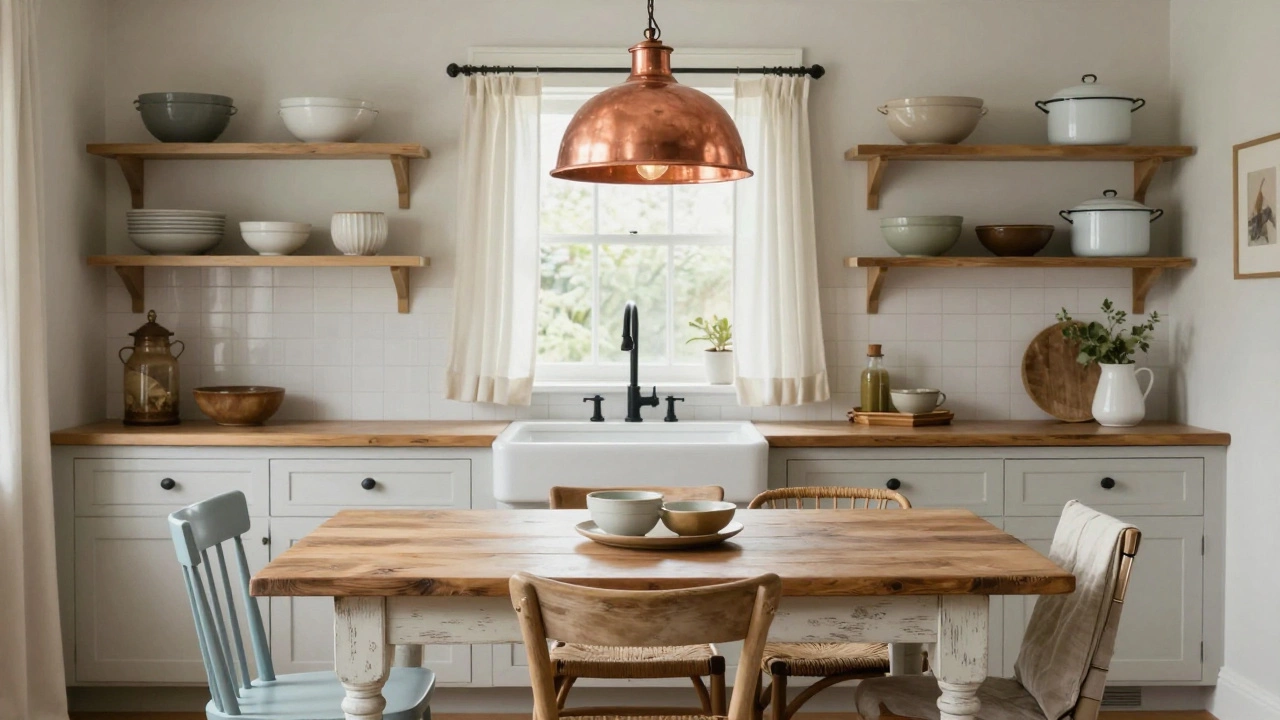
One real example: a 1920s cottage in Devonport, New Zealand, had original plaster walls and a tiny kitchen. The owner kept the cottage’s curved windows and painted the walls in a soft oatmeal. Then she added a reclaimed oak farmhouse table, black iron light fixtures, and a deep farmhouse sink. The result? A space that feels both timeless and tender.
Furniture That Works in Both Worlds
You don’t need to buy two sets of furniture. Some pieces belong to both styles.
| Item | Farmhouse Version | Cottage Version | Blended Version |
|---|---|---|---|
| Bed | Heavy wooden frame, no headboard | Delicate iron or painted wood, canopy or ruffled bedding | Simple wooden frame with linen bedding and a single embroidered pillow |
| Storage | Open shelving, wooden crates | Curved-legged armoire, painted white | Shiplap cabinet with brass knobs and open shelves below |
| Seating | Sturdy bench, leather or wood | Chintz-upholstered armchair, floral print | Woven rattan chair with a neutral linen cushion |
| Table | Thick oak, farmhouse style | Small round table with turned legs | Rectangular pine table with lightly painted legs and a linen tablecloth |
These aren’t rules-they’re starting points. The goal isn’t to match everything perfectly. It’s to make the room feel like it belongs to you, not a catalog.
What Not to Do
There are a few traps people fall into when mixing these styles.
- Don’t go all-in on shabby chic. That means too much pink, too much lace, too much fluff. Cottage style isn’t a wedding cake. It’s quiet, weathered beauty.
- Avoid matching sets. A full dining set from the same store? It looks like a showroom. Mix chairs. Mix tables. Even mix finishes-some painted, some stained.
- Don’t use modern lighting unless it’s subtle. A sleek LED strip in a cottage-farmhouse blend feels wrong. Stick to warm-toned bulbs, fabric shades, or vintage-inspired fixtures.
- Don’t forget the floor. A shiny laminate floor kills the vibe. Stick to wood, stone, or even a well-worn rug. Your feet should feel grounded.
Real-Life Examples That Work
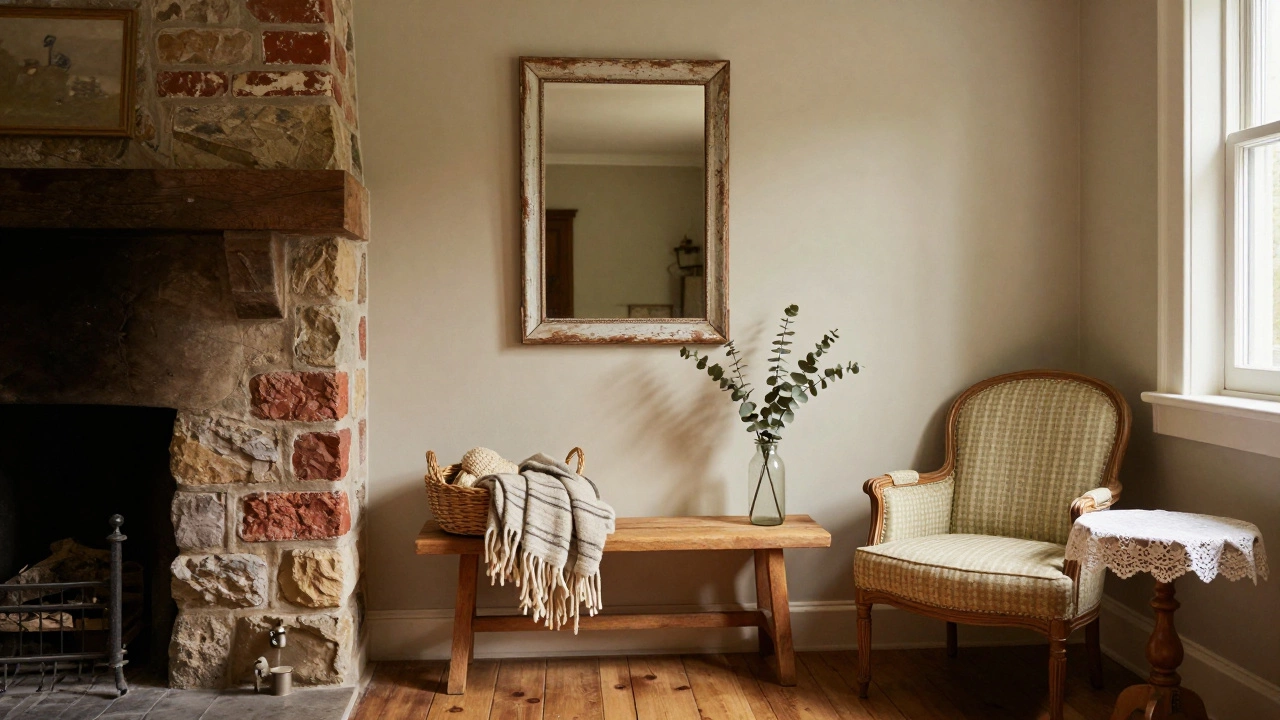
In rural England, you’ll find cottages with original stone walls and modern farmhouse kitchens. In upstate New York, old barns now have French country armoires and linen curtains. In New Zealand, seaside cottages blend reclaimed timber with soft pastels and woven baskets.
One home in Taranaki has a farmhouse-style kitchen with a large apron sink and open shelves holding ceramic bowls. The living room next door has a chintz sofa and a lace-trimmed armchair. The hallway connects them with a wooden bench, a vintage mirror, and a basket of wool blankets. No one asks, “Is this farmhouse or cottage?” They just say, “I could live here.”
Why This Blend Works Now
People are tired of perfection. They’re tired of sterile minimalism. They want homes that feel like they’ve been loved for years-not bought from a designer’s Pinterest board.
Farmhouse brings structure. Cottage brings soul. Together, they create spaces that breathe. They hold memories. They welcome mess. They don’t demand you keep everything spotless. That’s why this blend is more than a trend-it’s a quiet rebellion against the idea that homes have to look “done.”
And the best part? You don’t need a big budget. Start with one room. Paint a wall. Find a secondhand chair at a local market. Drape a blanket over the back of a sofa. Let it grow slowly. That’s how real homes are made.
Final Thought: It’s Not About Labels
Forget the terms. Don’t worry if it’s “correct.” If you wake up in your living room and feel calm, if your coffee tastes better there, if your kids leave muddy boots by the door and you don’t mind-that’s the only standard that matters.
Farmhouse and cottage aren’t styles you choose. They’re feelings you invite in. And if you let them live together, your home won’t just look nice. It’ll feel like home.
Can you mix farmhouse and cottage in a small space?
Yes, and it often works better in small spaces. Farmhouse elements like open shelving and light walls make a room feel bigger. Cottage touches like soft textiles and gentle colors add warmth without clutter. Stick to a simple color palette, use multi-functional furniture, and avoid heavy drapes. A small cottage kitchen with a farmhouse sink and white cabinets feels cozy, not cramped.
What’s the best color palette for blending farmhouse and cottage?
Start with white or cream walls. Add warm gray, soft sage, and a touch of blush or sky blue. Avoid bright colors. Stick to muted, earthy tones that feel like faded linen or weathered wood. These colors work with both styles because they’re calm, natural, and timeless.
Do I need to buy new furniture to blend these styles?
No. Start with what you have. Repaint an old dresser in white. Swap out hardware for black iron pulls. Add a woven rug or linen curtains. Many farmhouse pieces can be softened with fabric, and cottage pieces can be grounded with wood or metal accents. Thrift stores and local auctions are goldmines for this blend.
Can I mix farmhouse and cottage in the bathroom?
Absolutely. A farmhouse-style clawfoot tub with a white enamel finish pairs beautifully with cottage elements like a floral shower curtain, a wooden stool, and a basket of lavender soap. Use matte black fixtures for contrast, and keep the walls white or cream. Add a small window with linen curtains for soft light. It’s a space that feels spa-like, not sterile.
Is this style only for old houses?
Not at all. Modern homes, even new builds, can carry this blend. Use wood-look flooring, shiplap walls, and a farmhouse sink in a new kitchen. Then add cottage details like a velvet armchair, a collection of vintage teacups on open shelves, or a quilt draped over a bench. The key is texture and warmth-not age.
Start small. Trust your gut. Let your home evolve. That’s the real magic of blending farmhouse and cottage.