Eco-Friendly Site Suitability Calculator
Use this tool to evaluate potential land locations based on key sustainability factors discussed in the article.
Key Recommendations:
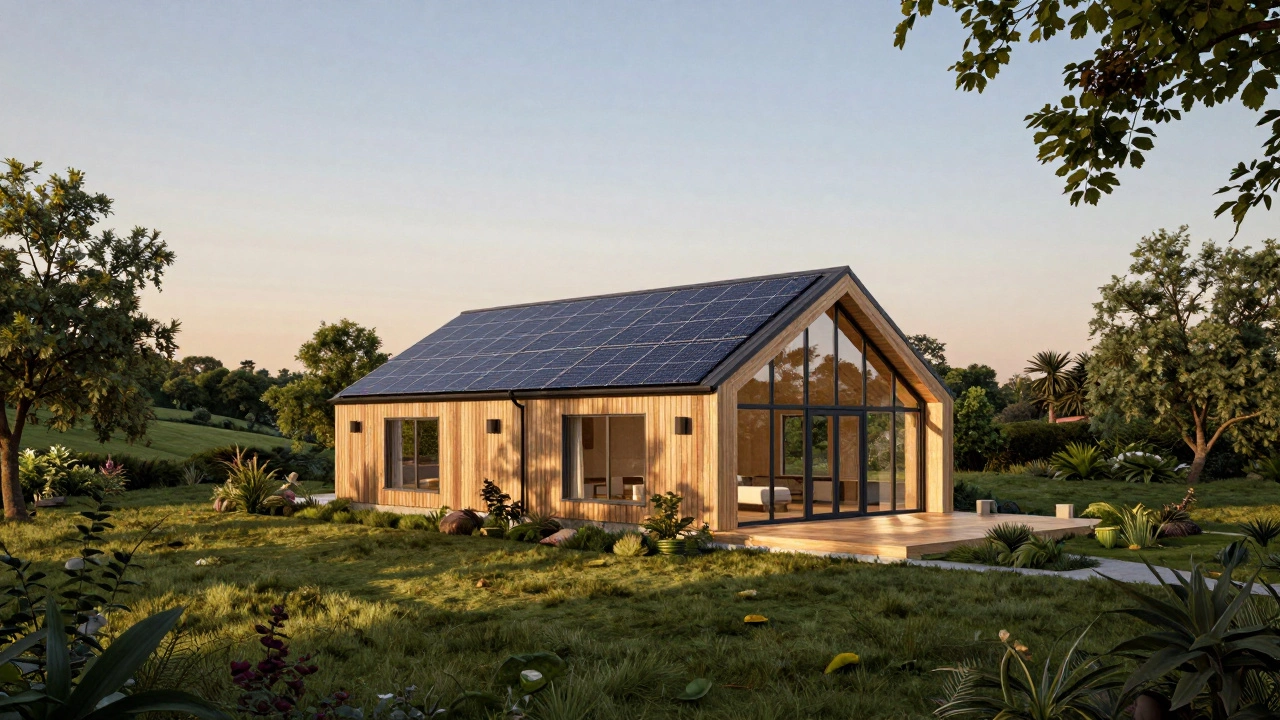
Imagine standing on a plot of land where the sun warms your floor in winter, the breeze cools your rooms in summer, and the rain feeds your garden. That isn't just a dream; it’s the result of choosing the right location for your eco-friendly house. Many people think sustainability is about materials-bamboo floors, recycled steel, or hempcrete walls. Those matter, sure. But if you build that perfect green home in a swampy, wind-battered, or sun-starved spot, you’ll fight nature every single day. Your energy bills will spike, your comfort will drop, and your environmental footprint will grow.
The secret to truly sustainable living starts with geography. Before you pick out paint colors or kitchen counters, you need to ask: Where does this house fit into its ecosystem? The best place to build an eco-friendly home isn't a specific city or country. It’s a site that works *with* the climate, not against it. This approach, often called "site-responsive design," can reduce your heating and cooling needs by up to 50% before you even turn on a thermostat.
Why Microclimates Matter More Than National Averages
We tend to look at weather maps and see broad strokes. "It rains a lot here" or "It gets cold in winter." But when you’re building a home, those generalizations don’t help much. You need to understand microclimates. A microclimate is the unique set of atmospheric conditions found in a very small area, sometimes just a few yards away from a neighbor’s property.
Consider two houses on the same street. One sits in a valley where cold air pools overnight, requiring extra heating. The other sits on a slight ridge with good airflow, staying naturally cooler. If you ignore these nuances, you might over-insulate the ridge house (making it stuffy) or under-insulate the valley house (leading to mold). To find the best spot, walk the land at different times of day. Note where the frost lingers in spring. Watch how the wind moves through the trees. Identify the sunny patches that stay warm longest into the evening. These observations tell you more than any online weather report ever could.
What is a microclimate?
A microclimate refers to the localized atmospheric conditions that differ from the surrounding area. Factors like elevation, proximity to water, tree cover, and soil type create these unique pockets of weather, which significantly impact how a house heats, cools, and drains.
Solar Orientation: The Golden Rule of Placement
If there is one non-negotiable factor in locating an eco-friendly home, it is solar orientation. In the Northern Hemisphere, you want your main living spaces and largest windows facing south. In the Southern Hemisphere, face them north. This simple alignment allows you to capture passive solar heat during the colder months while using roof overhangs or deciduous trees to shade the house in summer.
Think about the path of the sun. It doesn’t move randomly; it follows a predictable arc. By positioning your home correctly, you turn the sun into a free heating system. A south-facing wall acts as a thermal battery, absorbing heat during the day and releasing it slowly at night. Conversely, placing large windows on the east or west sides often leads to overheating in summer because the low-angle sun penetrates deep into the room, bypassing standard shading techniques. If your plot forces you to orient the house poorly, you can mitigate this with earth-sheltering or strategic landscaping, but it’s always better to get the orientation right from the start.
Wind Patterns and Natural Ventilation
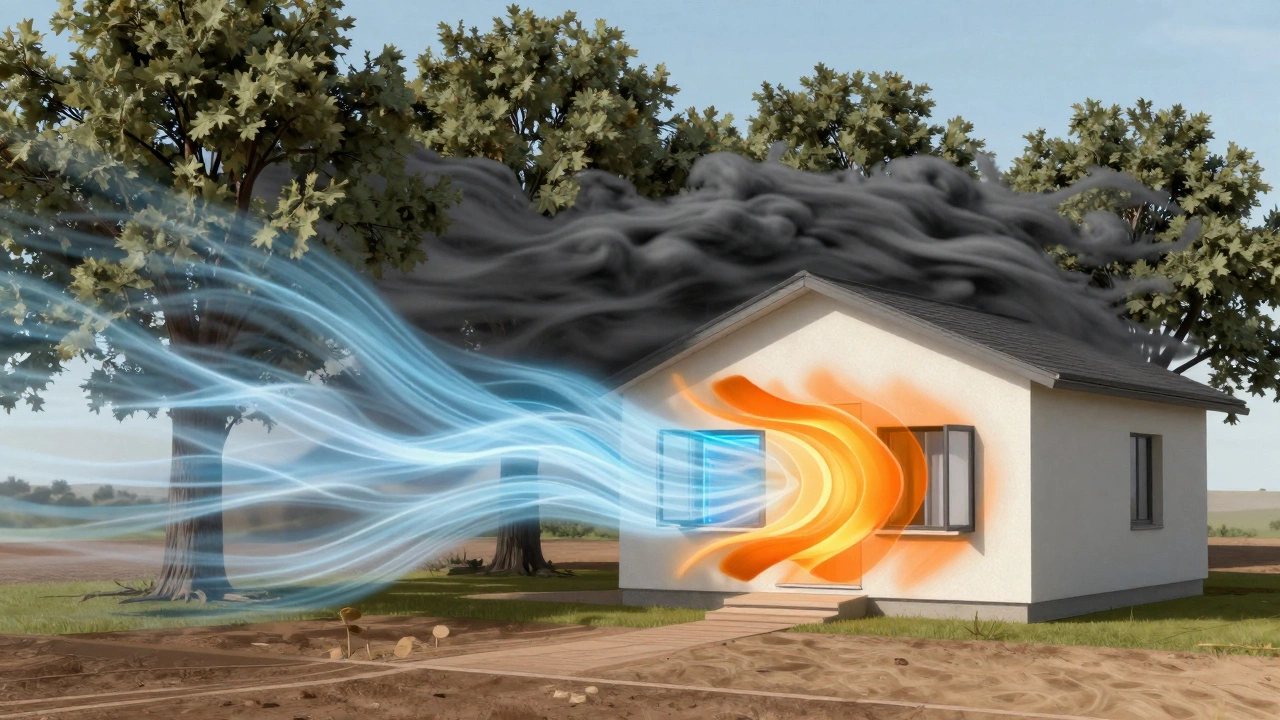
Heat is only half the battle. In many climates, keeping a house cool without air conditioning relies on natural ventilation. This means understanding prevailing winds. You want to position your home so that summer breezes flow through it, carrying heat away. This is often achieved by placing windows on opposite sides of the house to create a cross-breeze effect.
However, wind can also be an enemy. In winter, strong winds strip heat from your walls and make infiltration a major problem. The best locations offer protection from harsh winter winds while remaining open to refreshing summer breezes. Dense forests, hills, or even neighboring structures can act as windbreaks. When scouting a location, check historical wind data for the region. Look for patterns. Does the wind come from the northwest in winter? Then ensure your most exposed walls are heavily insulated and have minimal glazing. Does a gentle sea breeze come from the southwest in July? Position your bedrooms to catch that flow.
Soil Quality and Water Management
You might not think about dirt when imagining your dream home, but soil is critical for an eco-friendly build. First, consider drainage. Building on heavy clay soil can lead to foundation issues and poor groundwater management. Sandy or loamy soils drain better, reducing the risk of flooding and making it easier to install rainwater harvesting systems. Second, think about fertility. If you plan to grow food, you’ll want rich, arable soil. Avoid areas with high contamination risks, such as old industrial sites or lands previously treated with heavy pesticides.
Water access is equally important. While most homes connect to municipal water, an eco-friendly house often aims for self-sufficiency. Proximity to a reliable water source, or the ability to legally collect and store rainwater, is a huge advantage. In regions with drought risks, like parts of California or Australia, choosing a location with native, drought-resistant vegetation reduces the need for irrigation. You’re not just building a house; you’re integrating into a water cycle. Respect that cycle, and it will support you.
Zoning Laws and Community Infrastructure
A beautiful, perfectly oriented plot of land is useless if local laws prohibit what you want to build. Zoning regulations vary wildly between cities, counties, and countries. Some areas restrict the height of roofs, limit window sizes, or ban certain materials. More importantly, some zones encourage green building. Look for communities with incentives for solar panels, rainwater tanks, or electric vehicle charging stations.
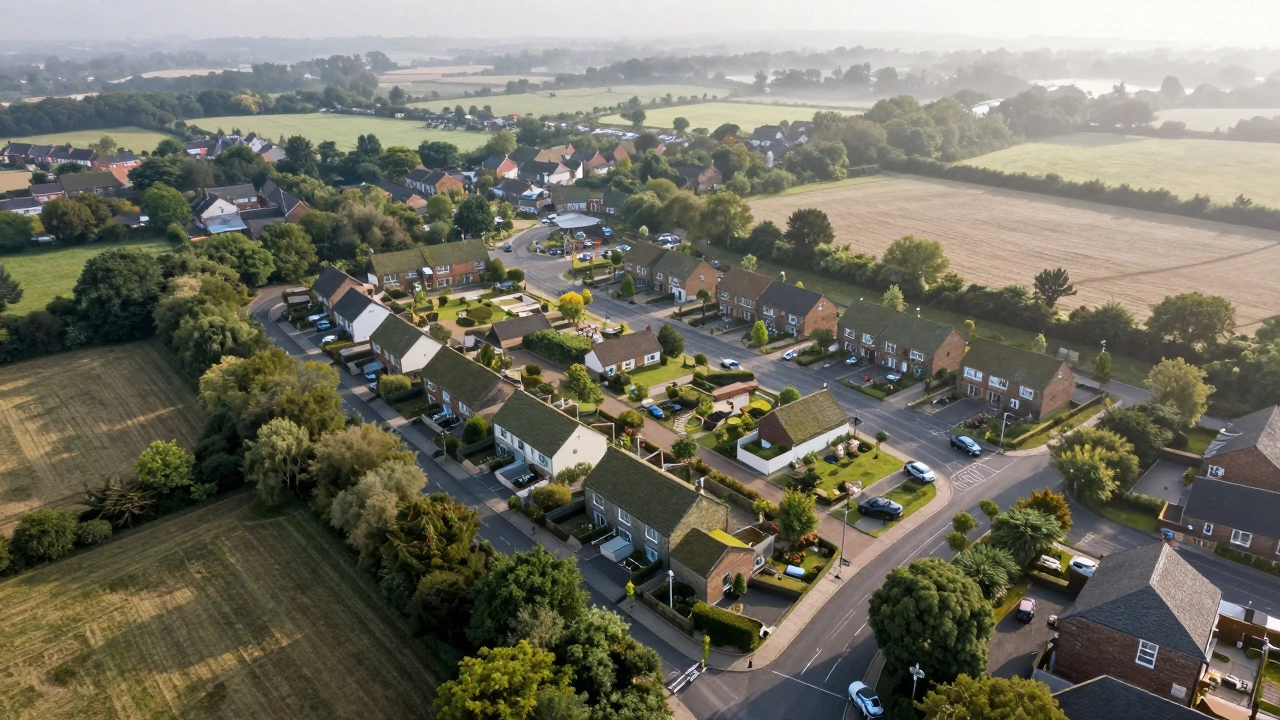
Also, consider the concept of "15-minute cities." An eco-friendly lifestyle isn’t just about the house; it’s about your carbon footprint overall. If you live in a remote wilderness spot, you’ll likely drive everywhere, negating the benefits of your green home. The best locations are often on the edges of towns or in rural areas with good public transport links. Being close to shops, schools, and workplaces reduces reliance on cars. Check the local master plan. Is the area designated for growth? Are utilities expanding? Building in a community that values sustainability ensures you have neighbors who share your goals and infrastructure that supports them.
Comparing Top Regions for Eco-Friendly Building
While local microclimates dictate the specifics, some broader regions are naturally better suited for sustainable living due to their climate stability, regulatory support, and resource availability.
| Region | Climate Advantage | Renewable Potential | Regulatory Support |
|---|---|---|---|
| Pacific Northwest (USA) | Moderate temps, high rainfall | High hydro/wind potential | Strong green building codes |
| Scandinavia | Cold but stable, long daylight shifts | Excellent solar in summer, geothermal viable | World-leading efficiency standards |
| Devonport, New Zealand | Mild maritime, consistent breezes | High wind/solar hybrid potential | Growing eco-zoning initiatives |
| Mediterranean Europe | Hot dry summers, mild winters | Exceptional solar gain | Traditional passive design heritage |
Notice how each region leverages its natural strengths. Scandinavia focuses on insulation and solar gain during short days. The Mediterranean uses thick walls and shading to handle heat. The Pacific Northwest manages moisture and utilizes hydro power. There is no "best" place globally, only the best place for your specific design strategy.
Red Flags: Locations to Avoid
Not all land is created equal. Some sites present inherent challenges that make eco-friendly building difficult or expensive. Avoid floodplains unless you’re prepared for costly elevated foundations. Steep slopes may seem romantic, but they require extensive excavation, which disrupts ecosystems and increases erosion risk. Areas prone to wildfires demand fire-resistant materials and defensible space, which can limit landscaping options.
Also, steer clear of urban heat islands. Large concrete expanses trap heat, raising local temperatures significantly. If you must build in a city, prioritize rooftop gardens and reflective surfaces to combat this effect. Finally, check for noise pollution. Highways, airports, and industrial zones can force you to keep windows closed, defeating the purpose of natural ventilation. Silence is a luxury that contributes to well-being and allows you to enjoy the natural sounds of your environment.
Next Steps for Finding Your Plot
Finding the perfect location takes time and research. Start by identifying regions with climates similar to your comfort preferences. Then, narrow down to specific neighborhoods or rural districts with supportive zoning laws. Visit the land multiple times, in different seasons if possible. Talk to locals. They know the hidden quirks of the area-the creek that floods in March, the road that gets icy in December, the neighborhood that hosts loud festivals every weekend.
Once you’ve identified a promising site, hire a professional to conduct a solar and wind analysis. Tools like heliotropic software can model sun paths throughout the year. Wind studies can reveal turbulence patterns. These investments pay off quickly in reduced energy costs and increased comfort. Remember, the goal isn’t just to build a house. It’s to create a home that thrives in harmony with its surroundings. Choose wisely, and your house will work for you, not against you.
Can I build an eco-friendly house in a city?
Yes, but it requires creative solutions. Focus on passive design within existing structures, use green roofs to manage heat and rain, and prioritize natural light. Urban infill projects often have better access to public transport, reducing your overall carbon footprint despite higher density.
How much does site selection affect energy bills?
Significantly. Proper orientation and landscaping can reduce heating and cooling loads by 30-50%. This means smaller, less expensive HVAC systems and lower monthly utility costs for decades.
What should I check in local zoning laws?
Look for restrictions on solar panel placement, rainwater harvesting legality, minimum insulation requirements, and setbacks from property lines. Some areas offer tax breaks for meeting specific green building certifications like LEED or Passive House.
Is it better to buy land near a forest or open field?
It depends on your climate. Forests provide windbreaks and shade but may block sunlight. Open fields offer maximum solar exposure but leave you exposed to wind. A balance is ideal: enough trees for shelter and privacy, but open enough for light and air circulation.
How do I test soil quality before buying?
Hire a geotechnical engineer to perform a soil test. They will analyze composition, drainage capacity, and load-bearing strength. This report is crucial for designing a safe, cost-effective foundation and avoiding future structural issues.