Self-Catering Packing Checklist
Prepare for Your Stay
Check the items you've packed. This checklist includes essentials based on real self-catering experiences to avoid last-minute surprises.
Essential Items to Bring
Items Remaining: 9
Check all boxes to prepare for your stay
When you book a self-catering cottage, you're not just renting a place to sleep-you're signing up for a whole different kind of vacation. No room service. No breakfast buffets. No daily housekeeping. Instead, you get a kitchen, a fridge, and the freedom to cook, eat, and live like a local. But if you've never stayed in one before, it's easy to walk in expecting a hotel and leave confused. So what do you actually get? And what should you plan for?
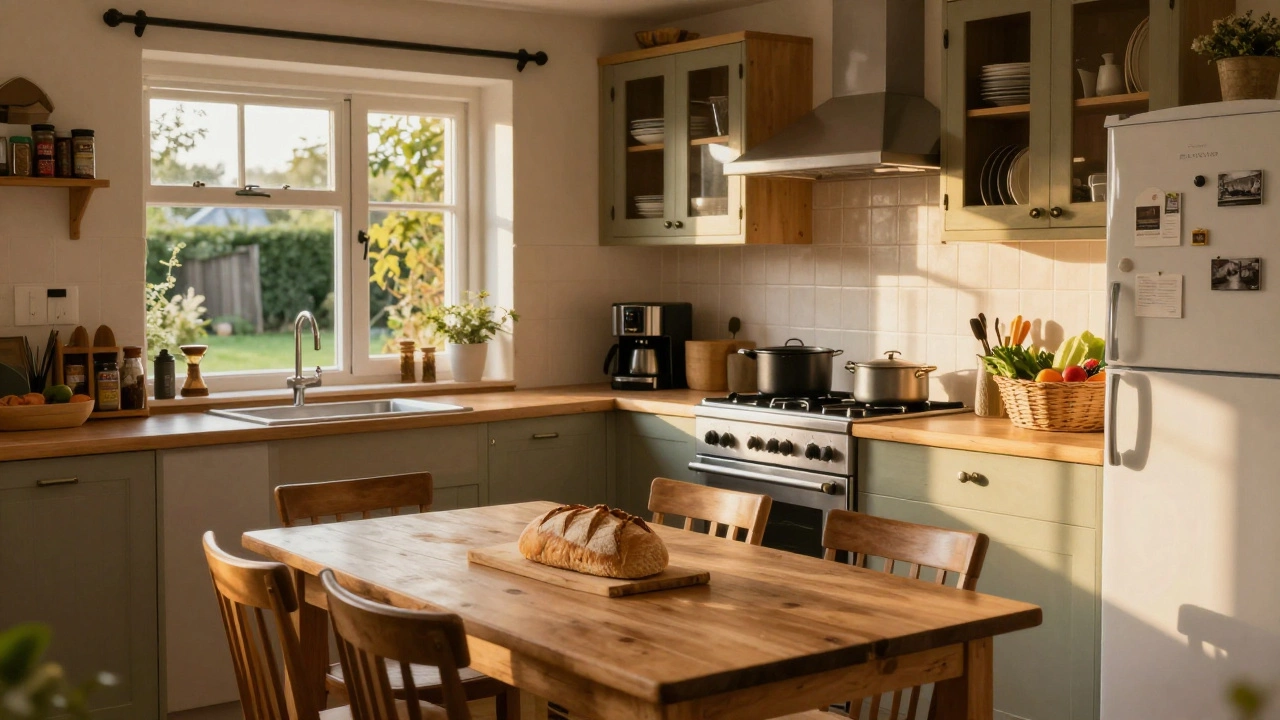
You’ll Have a Fully Equipped Kitchen
This is the heart of any self-catering place. It’s not a mini-fridge and a microwave. It’s a real kitchen: stove, oven, full-size fridge, freezer, dishwasher, and usually a microwave too. You’ll find pots, pans, cutting boards, utensils, and enough plates and glasses for 4-6 people. Most places even include basic spices-salt, pepper, olive oil, and sometimes sugar or coffee. But don’t assume everything’s there. A lot of cottages won’t have a toaster, a blender, or a tea kettle unless it’s listed in the amenities. Always check the listing before you book. If you’re planning to bake, make sure there’s a proper oven thermometer. If you’re making coffee, confirm there’s a filter or a French press. I’ve seen people show up with a $200 espresso machine, only to find the cottage only had a drip brewer.
Linens and Towels Are Usually Provided-But Not Always
Many self-catering cottages include sheets, pillowcases, and bath towels. But some don’t. It’s not a guarantee. I’ve stayed in places where I had to bring my own pillowcases because the host said they only provided blankets. Others gave me towels but no bath mats. Always read the fine print. Look for phrases like “linens provided” or “bring your own towels.” If it’s not clear, message the host. Most owners update their listings after a few bad reviews, so if it’s been a year since the last update, assume you’ll need to pack extras. Bring a small travel towel for the shower if you’re sensitive to scratchy hotel-style towels.
The Cleaning Expectation Is Different
You won’t have a maid coming in every day. That’s the whole point. But you also won’t leave the place spotless and expect to get your deposit back. Most hosts require you to do a basic clean before checkout: empty the fridge, wipe down counters, take out the trash, and put dishes in the dishwasher or wash them by hand. Some places have a cleaning fee built into the price-that’s usually for deep cleaning. Others charge extra if you leave a mess. I once had a guest leave a pot of burnt pasta on the stove. The host charged them $150 to replace it. Don’t be that person. Take 20 minutes before you leave. Sweep the floor. Wipe the sink. Empty the trash. It’s not hard, and it’s the difference between a 5-star review and a one-star rant.
There’s No Daily Housekeeping-So Pack Smart
No one’s changing your towels or restocking toilet paper. You’ll need to bring your own toilet paper, soap, shampoo, and laundry detergent. Some cottages provide a small starter pack, but it’s rarely enough for a week. I’ve stayed in places where the toilet paper ran out on day three. The host had left a roll in the cupboard-but only one. I ended up walking 2 miles to the nearest shop. Don’t rely on “they’ll have it.” Bring your own. Same with trash bags. You’ll need more than you think. A family of four in a cottage for five days can go through 10-15 bags if you’re cooking and eating in. Keep a few extras in your car.
Utilities Might Be Limited
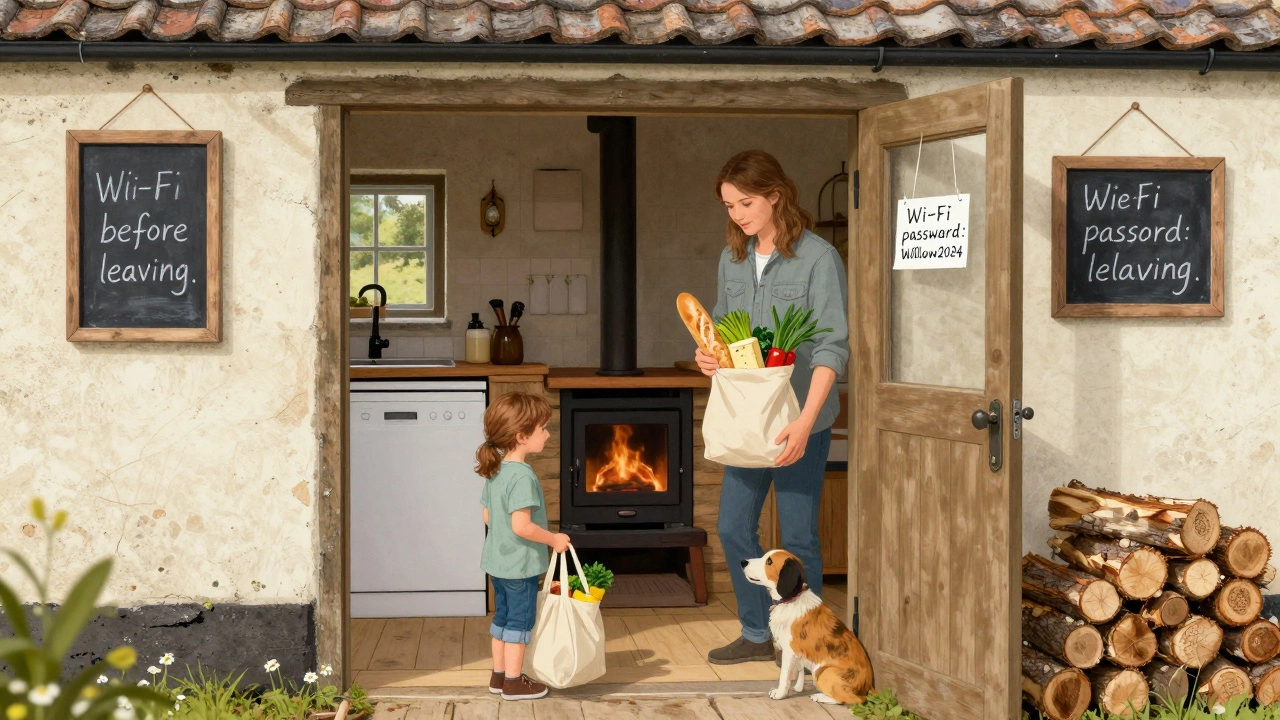
Hot water isn’t infinite. In older cottages, you might have a tank system that runs out after a 15-minute shower. If you’re showering back-to-back, someone will be waiting. Same with heating. Many cottages use electric heaters or wood stoves. Electric heaters cost money-some hosts charge extra for high usage. Wood stoves need logs. If the place has a wood stove, check if logs are provided or if you need to buy them locally. I stayed in one where the host left a stack of logs outside the back door, but they were damp. We ended up buying dry ones from the village shop. Also, Wi-Fi can be spotty. Rural areas often have weak signals. If you need to work remotely, ask if there’s a hotspot or if the host has a backup connection.
Location Matters More Than You Think
A self-catering cottage isn’t just about the inside. It’s about the surroundings. Is there a grocery store within walking distance? Or do you need a car to get food? I once booked a cottage that looked perfect-until I realized the nearest shop was 7 miles away. We had to drive to buy milk. If you’re planning to cook, make sure you can get ingredients. Check if there’s a farmers market nearby. Some cottages are in remote valleys with no public transport. If you’re traveling without a car, ask if the host offers a pickup service. Many do. Others partner with local taxi services. Don’t assume.
You’ll Need to Do Your Own Grocery Shopping
This sounds obvious, but people forget. You’re not paying for meals. You’re paying for a space to cook them. So you need to shop. Plan ahead. Make a list. Buy staples like bread, eggs, milk, pasta, and vegetables before you arrive. If you’re going somewhere rural, check opening hours. Some small village shops close at 6 p.m. and are closed on Sundays. I’ve had guests show up on a Sunday with no food because they didn’t realize the shop was closed. Bring snacks. Bring a cooler. If you’re planning to grill, bring charcoal or gas canisters. Some cottages have BBQs but don’t supply fuel.
Check the Check-In Process
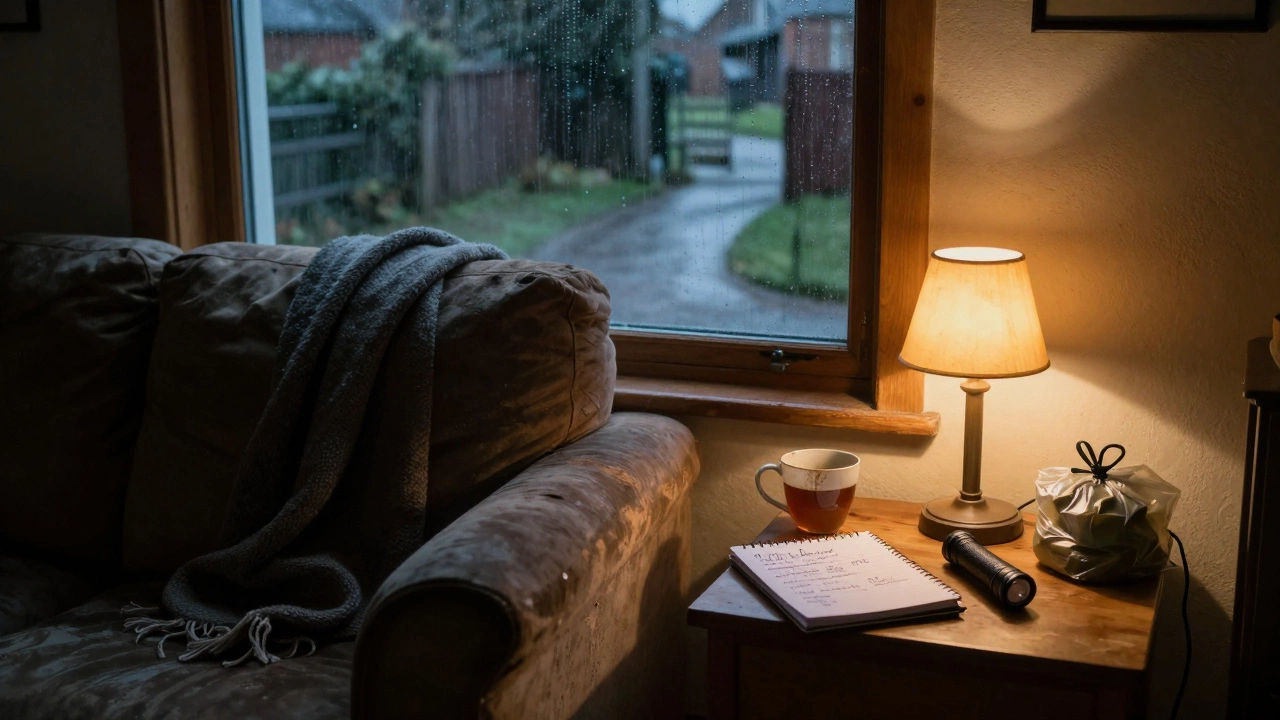
There’s no front desk. How do you get in? Many places use key boxes or smart locks. You’ll get a code or a link to download an app. Some hosts meet you in person. Others leave instructions in an envelope on the kitchen table. If you’re arriving after dark, make sure you know how to access the place. I’ve had guests locked out because they didn’t read the instructions. Always check your email and SMS before departure. Save the host’s number. Keep it handy. If the lock doesn’t work, you’ll need to call someone.
It’s Not Always Perfect-And That’s Okay
Self-catering cottages aren’t hotels. They’re homes. That means the carpet might be worn. The shower might be slow. The Wi-Fi might cut out when it rains. That’s normal. The charm is in the authenticity. You’re not paying for perfection-you’re paying for space, privacy, and control. If you go in expecting a 5-star hotel, you’ll be disappointed. If you go in expecting a cozy, real place where you can make your own rules? You’ll love it. The best stays are the ones where you forget you’re on vacation because you’re just living.
What You Should Bring
- Extra toilet paper and hand soap
- Laundry detergent (even if they have a machine)
- Trash bags
- Basic cooking ingredients (oil, salt, pepper)
- Snacks and drinks for the first day
- A portable charger (in case power goes out)
- Flashlight or headlamp (for power cuts or night walks)
- Weather-appropriate gear (hiking boots, rain jackets)
- A notebook and pen (for local tips the host leaves)
What You Shouldn’t Expect
- Daily cleaning
- Free Wi-Fi that works like your home network
- Hot water that never runs out
- A fully stocked pantry
- 24/7 customer service
- A perfect, brand-new interior
The magic of self-catering isn’t in the luxury. It’s in the freedom. You wake up when you want. You eat what you want. You leave your shoes by the door. You leave the windows open. You burn the toast. You wash the dishes. You feel like you’re not on vacation-you’re just living. And that’s worth more than any concierge.
Do self-catering cottages have Wi-Fi?
Most do, but the quality varies. Rural cottages often have spotty signals. Some use satellite or mobile hotspots. Always check the listing for details. If you need reliable internet for work or video calls, ask the host if they have a backup connection or if they offer a hotspot rental.
Are pets allowed in self-catering cottages?
Many are pet-friendly, but not all. Always check the listing before booking. Some hosts charge a pet fee. Others have breed or size restrictions. If you’re bringing a dog, ask if there’s a fenced yard or nearby walking trails. Never assume pets are allowed-many properties have strict no-pet policies due to allergies or insurance rules.
Can I cook a full meal for 10 people in a self-catering cottage?
It depends on the size of the kitchen and how many appliances are available. Most cottages are designed for 4-6 people. If you need to feed 10, check if the kitchen has multiple ovens, a large fridge, and enough cookware. Some hosts list their maximum occupancy for cooking. If in doubt, message the owner. You might need to rent a portable grill or use a local catering service for large groups.
Is there a minimum stay for self-catering cottages?
Yes, especially during peak seasons. Many owners require a 2- or 3-night minimum, especially on weekends. Off-season, you might find 1-night stays. Always check the booking rules. Some cottages only accept weekly bookings from Friday to Friday. This is common in rural or coastal areas.
What should I do if something breaks during my stay?
Don’t panic. Most issues are minor-a dripping tap, a stuck window, a noisy heater. The host usually leaves a contact number or instructions in a guidebook. If it’s urgent (like no heat in winter), call them immediately. If it’s minor, take a photo and message them. Most hosts appreciate being informed early. Never try to fix it yourself unless you’re trained. You could make it worse or void your deposit.