Cottage Rental Hidden Cost Calculator
Estimate the true cost of your cottage stay by factoring in common hidden fees and utilities.
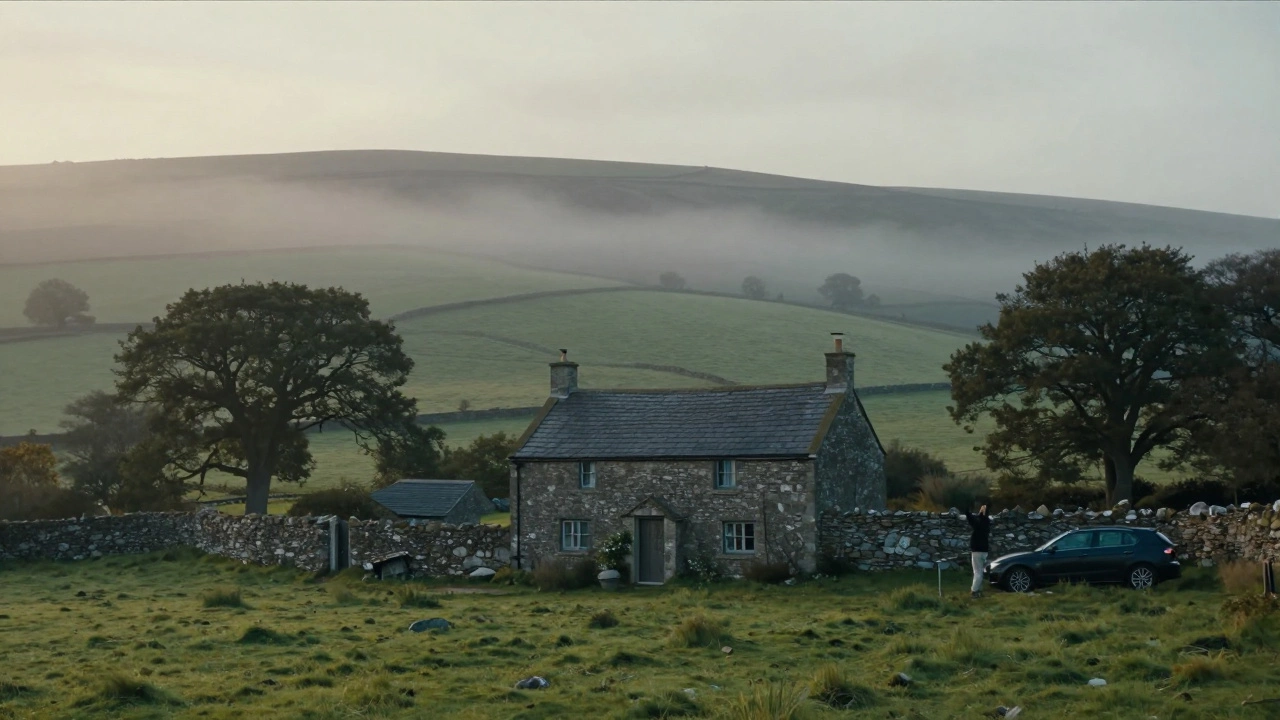
You’ve seen the photos. The rustic wooden beams, the crackling fireplace, the secluded garden with a view of rolling hills. It looks like the perfect escape from city life. But before you book that cottage is a small house, typically in a rural or semi-rural setting, often used as a holiday rental, especially at the last minute, you need to know what’s hiding behind those charming stock images. While cottages offer unique charm and privacy, they come with a specific set of drawbacks that can turn a dream vacation into a logistical nightmare if you aren’t prepared.
Many travelers assume that because a property is listed on a major platform, it meets hotel standards. That assumption is where most problems start. Unlike hotels, which are regulated businesses with standardized services, private cottage rentals vary wildly in quality, safety, and convenience. Understanding these disadvantages isn’t about killing the vibe; it’s about protecting your budget, your comfort, and your sanity.
The Connectivity Trap: When "Secluded" Means "Disconnected"
The biggest shock for modern travelers is often the lack of reliable internet. In 2026, we expect to stay connected whether we’re working remotely, sharing photos, or just checking news updates. Many cottages, particularly those marketed as "off-grid" or deeply rural, suffer from poor or non-existent broadband coverage.
This isn’t just an inconvenience; it can be a dealbreaker for digital nomads or families who rely on streaming services for entertainment. Mobile data signals can drop to zero once you drive past the nearest village. Before booking, don’t just trust the listing description. Look for reviews that specifically mention Wi-Fi speed or signal strength. If no one mentions it, assume it’s bad. Some hosts provide local SIM cards or portable Wi-Fi hotspots, but this adds another layer of complexity and potential cost to your trip.
Maintenance Nightmares and Hidden Costs
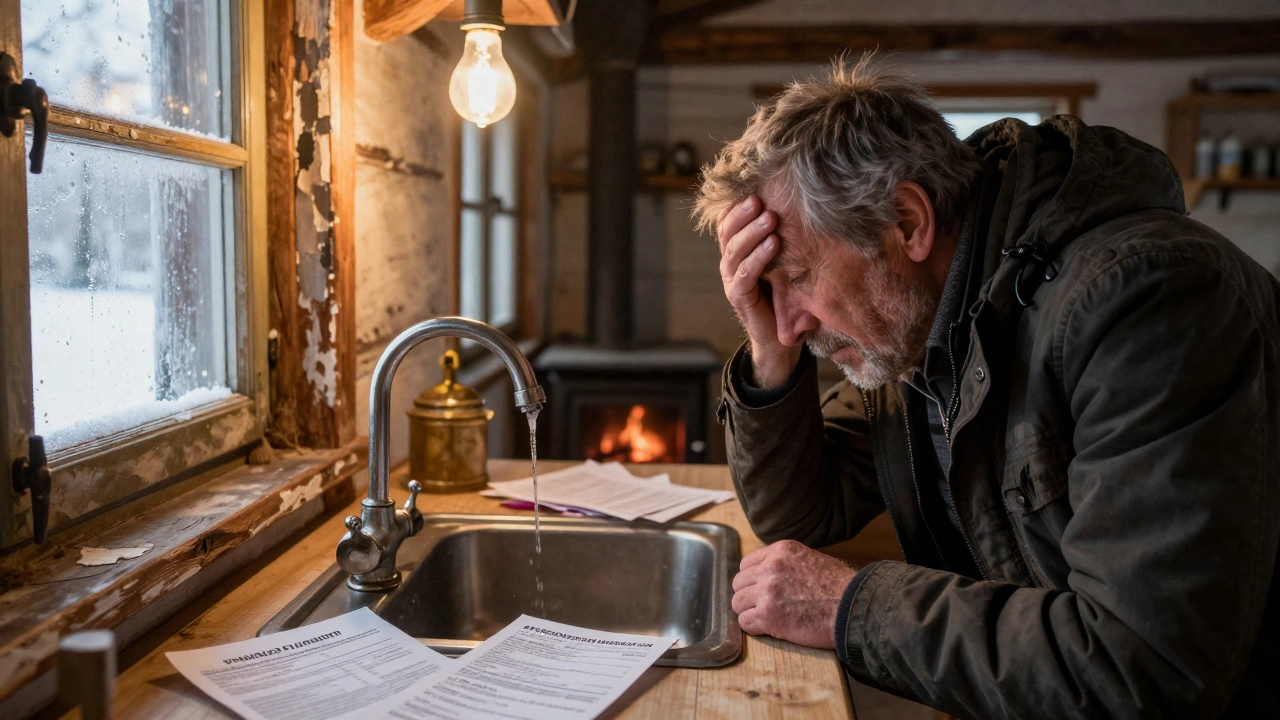
Cottages are often older properties. While age brings character, it also brings creaky floors, drafty windows, and plumbing issues that wouldn’t exist in a modern apartment complex. The disadvantage here is the unpredictability of maintenance. A leaky faucet in a hotel gets fixed within hours by professional staff. In a private rental, you might spend two days waiting for a plumber who lives thirty miles away.
Then there are the hidden costs. Many cottages charge extra for essentials that hotels include:
- Utility fees: Some rural cottages charge separately for electricity, heating oil, or water usage, especially during winter months.
- Cleaning fees: These can range from $50 to over $200 per stay, significantly inflating the nightly rate.
- Linen and towel charges: Not all hosts provide bedsheets or towels, forcing you to pack more than usual or buy them locally.
When booking last minute cottages is holiday rentals booked shortly before arrival, often with limited availability and higher risk of unverified conditions, you rarely have time to scrutinize these fine print details. This makes the financial risk higher compared to planned bookings.
Safety and Security Concerns in Remote Locations
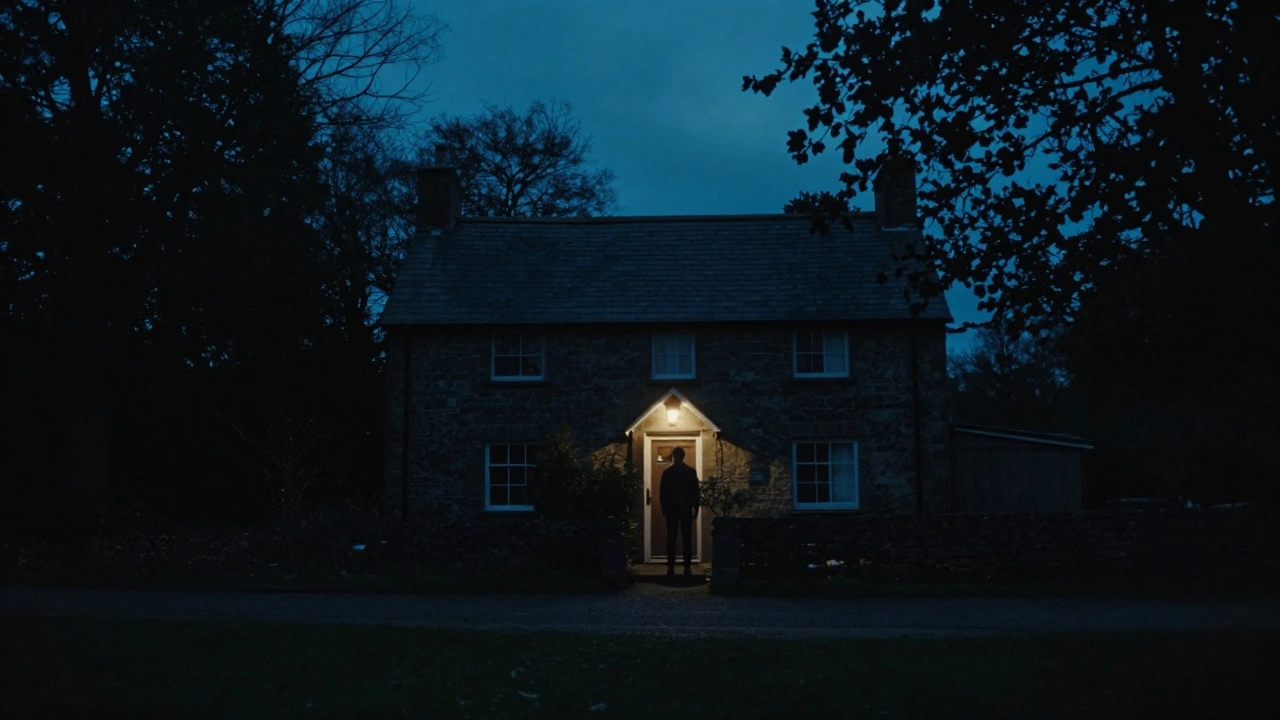
Privacy is a selling point, but isolation can feel unsafe when things go wrong. If you wake up to a power outage or hear strange noises outside, who do you call? In a hotel, security guards and front desk staff are available 24/7. In a remote cottage, you are entirely on your own.
Emergency response times in rural areas can be significantly longer than in urban centers. Ambulance or police services may take 30 minutes or more to arrive. Additionally, many older cottages lack modern security features like smart locks, motion-sensor lighting, or comprehensive alarm systems. You might find yourself relying on a simple deadbolt and your own vigilance. Always check the location on a map to gauge proximity to emergency services and well-lit roads.
The Lack of Amenities and Services
Hotels offer concierges, room service, daily housekeeping, and gyms. Cottages generally offer none of these. You are responsible for everything. This means you must cook all your meals, clean up after yourself, and manage any household emergencies. For some, this is part of the appeal. For others, it feels like unpaid labor during their vacation.
Kitchen facilities can be surprisingly inadequate. You might find a stove with only two burners, a tiny refrigerator, or missing basic utensils like a knife set or cutting board. Supermarkets in rural areas are often smaller, more expensive, and open for shorter hours than city stores. If you plan to cook, verify the kitchen equipment list carefully. If you forget something, you might not have access to a 24-hour convenience store to buy it.
Weather Vulnerability and Seasonal Limitations
Cottages are highly susceptible to weather conditions. Older insulation means they can get freezing cold in winter or uncomfortably hot in summer without efficient HVAC systems. Heating options like wood-burning stoves require physical effort to maintain-chopping wood, lighting fires, and cleaning ash. Air conditioning is rare in traditional cottages, making summer stays potentially uncomfortable during heatwaves.
Seasonal closures are another issue. Many cottages are only available during peak seasons (summer or Christmas). If you travel in the shoulder seasons (spring or autumn), you might find fewer amenities available, such as closed pools, limited grocery options, or reduced public transport links. Booking last minute during off-peak times increases the risk of encountering a property that is poorly maintained due to long periods of vacancy.
Comparison: Cottage vs. Hotel Stay
| Feature | Cottage Rental | Hotel |
|---|---|---|
| Internet Reliability | Often poor or non-existent in rural areas | Generally stable and high-speed |
| Maintenance Support | Variable; dependent on host responsiveness | Professional, immediate on-site staff |
| Hidden Costs | Cleaning fees, utility surcharges, linen charges | Usually transparent pricing; resort fees may apply |
| Security | Self-managed; limited surveillance | 24/7 security, CCTV, front desk |
| Amenities | Basic kitchen, no daily cleaning | Gym, pool, restaurant, daily housekeeping |
| Privacy | High; entire property to yourself | Low; shared hallways and common areas |
How to Mitigate Risks When Booking Last Minute
If you still decide that a cottage is the right choice for your trip, especially when booking at the last minute, you can reduce the risks with careful preparation. First, prioritize recent reviews. Look for comments posted within the last three months to ensure the condition of the property hasn’t deteriorated. Second, communicate directly with the host before booking. Ask specific questions about Wi-Fi speed, heating methods, and nearby supermarkets. A responsive host is a good sign of reliability.
Third, download offline maps and save essential contact numbers. Since mobile service may be spotty, having offline access to directions and emergency contacts is crucial. Finally, consider purchasing travel insurance that covers accommodation failures. This provides a safety net if the cottage is uninhabitable upon arrival, allowing you to claim refunds for alternative lodging.
Conclusion: Weighing Charm Against Convenience
Cottages offer a unique connection to nature and a sense of home that hotels cannot replicate. However, this comes at the cost of convenience, reliability, and sometimes, safety. By understanding the disadvantages-poor connectivity, hidden costs, maintenance issues, and limited amenities-you can make an informed decision. Don’t let the romance of the countryside blind you to the practical realities. With proper research and preparation, you can enjoy the charm of a cottage without falling victim to its common pitfalls.
Are cottages safe for solo travelers?
Safety varies greatly depending on the location and property security. Solo travelers should choose cottages in well-reviewed areas with good lighting and secure locks. Avoid extremely isolated properties unless you are experienced with rural travel. Always share your itinerary with someone you trust.
What are the most common hidden costs in cottage rentals?
Common hidden costs include cleaning fees ($50-$200), utility surcharges for heating or electricity, linen and towel rentals, and damage deposits. Always read the cancellation policy and fee breakdown carefully before confirming your booking.
Can I work remotely from a cottage?
Only if the listing explicitly guarantees high-speed Wi-Fi and a dedicated workspace. Many rural cottages have slow or unstable connections. Check reviews for mentions of "work-friendly" or "good internet" and consider bringing a portable Wi-Fi hotspot as a backup.
Is it harder to book a cottage last minute than a hotel?
Yes, because inventory is limited and verification is difficult. Hotels have standardized systems for instant confirmation. Cottage bookings often require direct communication with hosts, which can delay confirmation. Last-minute cottage bookings carry higher risks regarding availability and condition.
What should I do if the cottage is not as described?
Document everything with photos and videos immediately upon arrival. Contact the host and the booking platform’s customer support team. Do not pay out-of-pocket for repairs or alternative accommodations without prior approval from the platform. Use travel insurance if available.