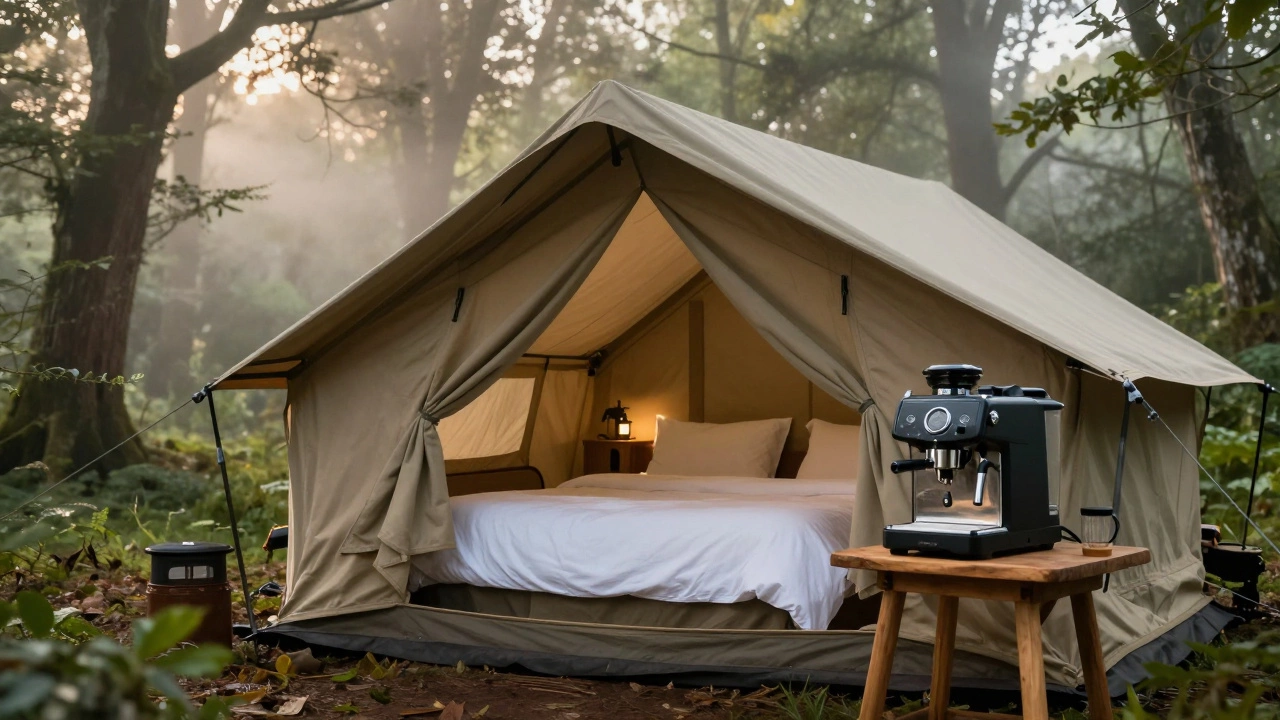
Eco-Glamping Sustainability Checker
Is your dream luxury getaway actually helping the planet? Check the features of the glamping site you're considering to calculate its Sustainability Score.
Sustainability Score
Glamping environmental impact varies wildly depending on who is running the show. If you are staying in a repurposed yurt that uses solar power and compost toilets, you are probably doing great. But if you are in a climate-controlled 'pod' that requires a massive amount of electricity to heat in the winter, you might be leaving a bigger footprint than if you just stayed in a city hotel. The core problem is that 'glamping' is a marketing term, not an environmental standard.
The Quick Breakdown: Green vs. Greened-washed
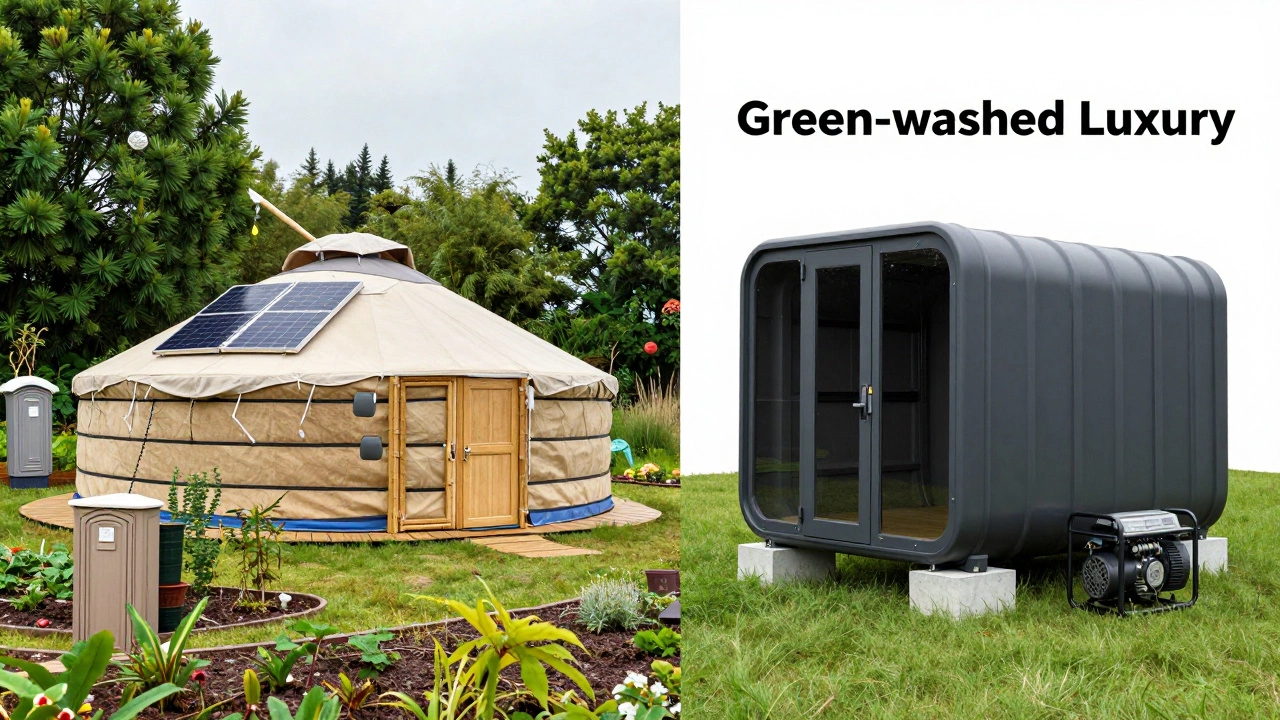
| Feature | True Eco-Glamping | Standard Luxury Glamping |
|---|---|---|
| Power Source | Solar panels or wind turbines | Grid-connected or diesel generators |
| Waste Management | Composting toilets, gray water recycling | Standard flushing toilets, septic tanks |
| Materials | Bamboo, recycled wood, hemp canvas | PVC plastics, treated lumber, acrylics |
| Impact | Low-impact platforms (screwed piles) | Concrete slabs or heavy foundations |
Where Glamping Actually Helps the Planet
When done right, Glamping is a form of camping with amenities and services’ that can actually be more sustainable than traditional hotel builds. Think about the construction process. A standard hotel requires massive amounts of concrete and steel, which are some of the biggest carbon emitters on Earth. In contrast, a yurt or a safari tent is essentially a temporary structure. They use lightweight materials and often don't require digging deep into the earth, meaning the local soil and root systems stay intact.
There is also the 'education' factor. When people spend three days in a Yurt is a circular, portable dwelling traditionally used by nomads in Central Asia , they tend to develop a stronger emotional connection to nature. This often leads to a 'gateway effect' where guests start caring more about conservation. If a glamping site partners with local wildlife trusts or uses its profits to protect the surrounding land, the net benefit to the environment can actually be positive.
The Hidden Costs of Luxury in the Wild
We have to talk about the 'luxury' part of the equation. Comfort usually requires energy. If a glamping site offers air conditioning in a tent in the middle of July, they are fighting a losing battle against thermodynamics. Tents have terrible insulation. To keep a canvas room at 70 degrees Fahrenheit, a cooling system has to work twice as hard as it would in a brick-and-mortar building. This leads to high energy consumption and often a reliance on Diesel Generators, which pump CO2 and noise pollution directly into the quiet areas people come to visit.
Then there is the water issue. In many remote areas, water is scarce. A luxury glamping site that offers high-pressure rain showers and flushing toilets can deplete local aquifers faster than the land can replenish them. If the site isn't using a Gray Water System, which is a method of recycling wastewater from sinks and showers for irrigation , they are essentially transporting city-level waste into a delicate ecosystem.
Checking the Materials: Plastic vs. Planet
Walk around a glamping site and look at the details. Are the 'wooden' decks actually made of composite plastic-wood blends? While those last longer, they aren't biodegradable. Are the linens organic cotton, or are they cheap polyester blends that shed microplastics every time they are washed? True sustainability is about the entire lifecycle of the product. A site that replaces its tents every two years because they use cheap synthetic fabrics is far less eco-friendly than one that invests in heavy-duty, sustainably sourced hemp canvas that lasts a decade.
Another major point is the food. Many glamping sites pride themselves on 'farm-to-table' dining. But if those 'local' vegetables are actually coming from a distribution center three towns over, it's just marketing. A truly green site works with Permaculture, an approach to land management that simulates the patterns and resilience found in natural ecosystems gardens on-site to provide food for guests with zero transport emissions.
How to Spot a Truly Green Glamping Site
If you want to ensure your getaway isn't destroying the very nature you're admiring, you have to look past the Instagram photos. Here is a checklist of what to look for when booking:
- Energy Source: Does the website mention solar, wind, or geothermal power? If they just say 'eco-friendly' without explaining how, be skeptical.
- Water Strategy: Do they use composting toilets? Do they have a rainwater harvesting system?
- Waste Policy: Is there a strict zero-single-use-plastic policy? Do they provide refillable water stations instead of plastic bottles in the room?
- Land Management: Do they have a plan for 'leave no trace' or do they actively restore the habitat around the tents?
- Local Sourcing: Do they name the specific local farms or artisans they partner with?
The Trade-off: Can We Have Both?
The truth is that the most 'eco-friendly' way to experience nature is still a simple tent, a sleeping bag, and a portable stove. But not everyone is willing to do that, and that is okay. The goal should be 'harm reduction.' We can move away from massive concrete resorts and toward low-impact glamping. The transition happens when we stop prioritizing 'perfect luxury' and start prioritizing 'conscious comfort.'
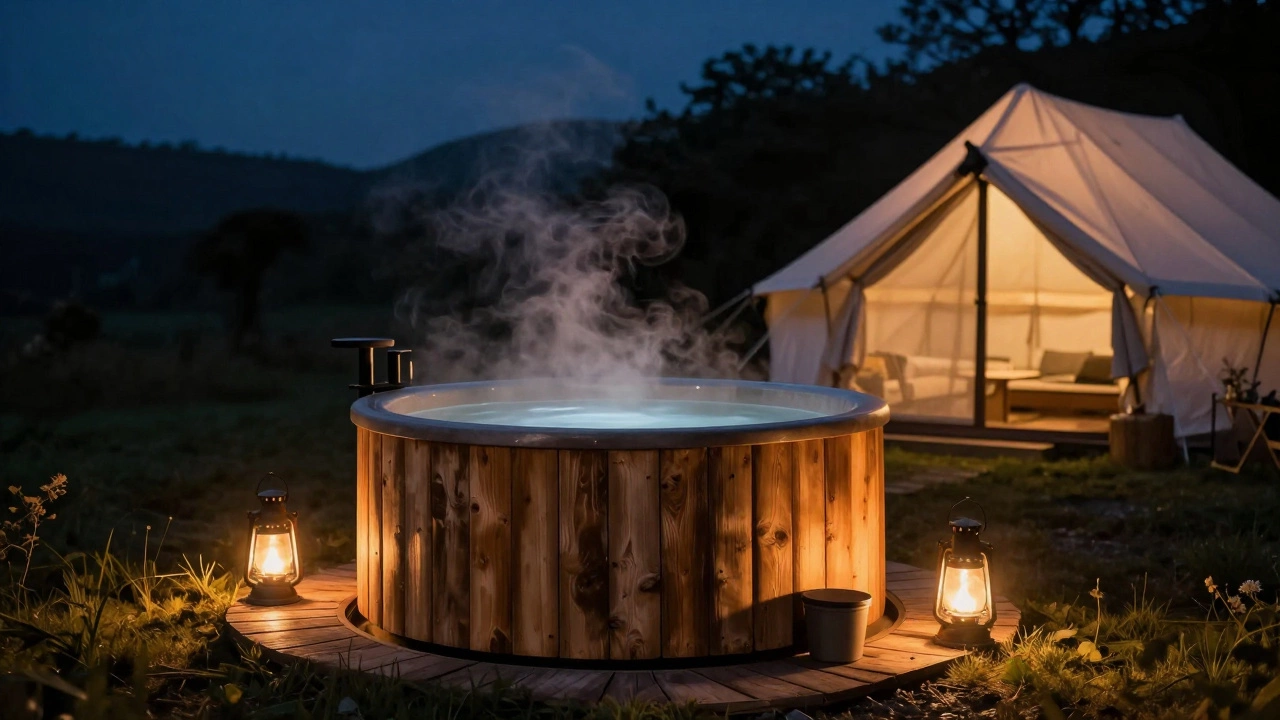
For example, instead of demanding a heated pool in the woods, maybe we accept a wood-fired hot tub that uses sustainably harvested logs. Instead of a 24/7 AC unit, we can use high-quality linens and natural ventilation. When we shift our expectations, we make it easier for business owners to implement truly sustainable practices because they aren't competing with the 'luxury' standards of a five-star hotel.
Is glamping better for the environment than a hotel?
Generally, yes, because the physical footprint is smaller. Glamping structures like tents or yurts don't require deep concrete foundations or permanent heavy construction, which preserves the soil and local flora. However, this is only true if the site manages its energy and waste sustainably. A glamping site with diesel generators and high water waste can be just as damaging as a small hotel.
What are the most sustainable types of glamping structures?
Yurts and safari tents made from natural fibers like hemp or organic cotton are among the most sustainable. Earth-ships or cabins built from reclaimed local timber are also excellent choices. The key is that the materials should be biodegradable or recycled and the structure should be removable without leaving a permanent scar on the land.
How do composting toilets work in glamping?
Composting toilets separate liquids from solids. The solids are broken down by bacteria and oxygen over time, turning waste into nutrient-rich soil (compost). This eliminates the need for expensive sewage pipes and prevents the risk of groundwater contamination from leaking septic tanks, making them ideal for remote, eco-friendly sites.
Does glamping contribute to overtourism?
It can. Because glamping makes the wilderness accessible to people who wouldn't normally camp, it can drive a surge of visitors to previously quiet areas. If a site is not managed with a strict limit on guest numbers, it can lead to soil compaction, wildlife disruption, and litter. Sustainable sites limit their capacity to ensure the environment can handle the human presence.
What should I look for in an 'eco' glamping certification?
Look for third-party certifications rather than self-claimed 'eco' labels. Certifications that require audits of water usage, carbon offsets, and fair wages for local staff are the most reliable. Check if the site is part of a recognized sustainable tourism network or follows 'Leave No Trace' principles.
Next Steps for the Conscious Traveler
If you are planning your next trip, start by auditing the site's 'About' page. If you see words like 'luxury' and 'exclusive' but nothing about 'biodiversity,' 'carbon,' or 'waste,' it's likely a luxury camp with an eco-coat of paint. Send a quick email asking about their power source and water management. Most truly green operators are proud of their systems and will be happy to give you the details.
For those who want to go even further, try 'slow travel.' Instead of driving three hours to a glamping site for one night, stay for a week. This reduces the per-night carbon cost of your transport and allows you to actually integrate with the local environment rather than just using it as a backdrop for a photo.