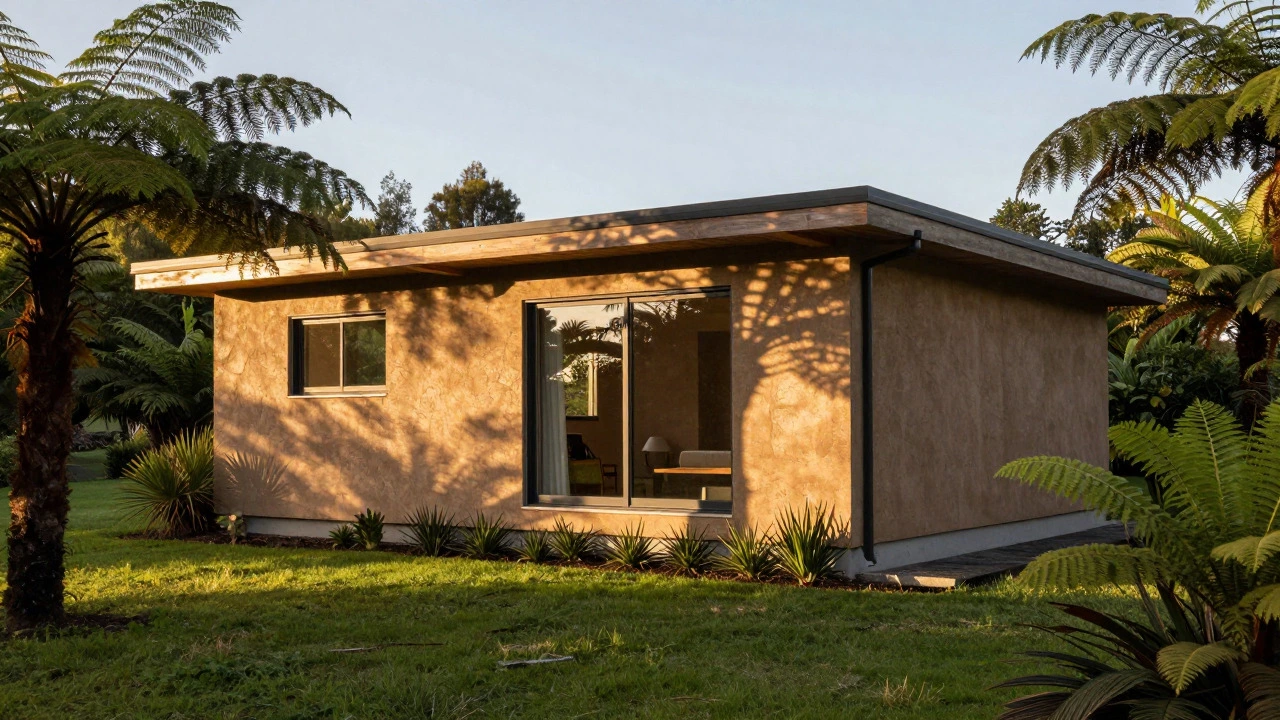
Eco-Friendly Home Cost Estimator
Estimate your total build cost by adjusting the parameters below. Costs are approximate averages based on 2026 market data.
Estimated Build Cost
$0
Total Estimated Project Cost
- Cost per Sq Ft: $0
- Savings vs Traditional: 0%
- *Traditional avg is ~$200/sqft
Note: This estimate covers structure and shell only. It excludes land costs, permits, high-end finishes, and major appliances. Actual costs vary by location.
You want a home that doesn’t wreck the planet and doesn’t wreck your bank account. It sounds like a contradiction, right? Most people think "eco-friendly" means expensive bamboo floors, high-tech solar arrays, and architects who charge by the hour. But if you look at how nature builds things-efficiently, using local resources, and working with the climate-you realize cheap and green are actually best friends.
Building a cheap eco-friendly house isn't about buying the most expensive green gadgets. It's about smart design, choosing the right materials, and doing some of the work yourself. I’ve spent years looking at sustainable housing options here in New Zealand, where the weather is tricky and budgets are tight. The secret isn't magic; it's physics and common sense.
Start With Design, Not Materials
Before you buy a single brick, you need to draw lines on paper. This is where you save the most money. A poorly designed house will cost a fortune to heat and cool, no matter how many solar panels you slap on the roof. A well-designed house stays comfortable naturally.
Think about the shape of your house too. A cube is the most efficient shape. It has the least amount of exterior surface area for the amount of space inside. Less surface area means less heat loss in winter and less heat gain in summer. Complex shapes with lots of corners and alcoves look fancy, but they increase your material costs and your energy bills. Keep it simple. A rectangular box is your friend.
Also, consider the size. Do you really need 3,000 square feet? Every extra square foot costs money to build, insulate, and maintain. Downsize your footprint. Multi-functional spaces, like a living room that doubles as a guest room with a sofa bed, can drastically reduce the total area you need to construct.
Choose Smart, Affordable Materials
Once the design is set, you pick materials. You don’t need exotic imports. Some of the best eco-friendly materials are dirt, wood, and recycled stuff. Here are the top contenders for a budget-conscious build:
- Rammed Earth: If you have clay-rich soil on your site, this is incredibly cheap. You pack soil into forms to create thick, thermal-mass walls. It regulates temperature beautifully and lasts forever. The labor is intensive, but the material cost is near zero.
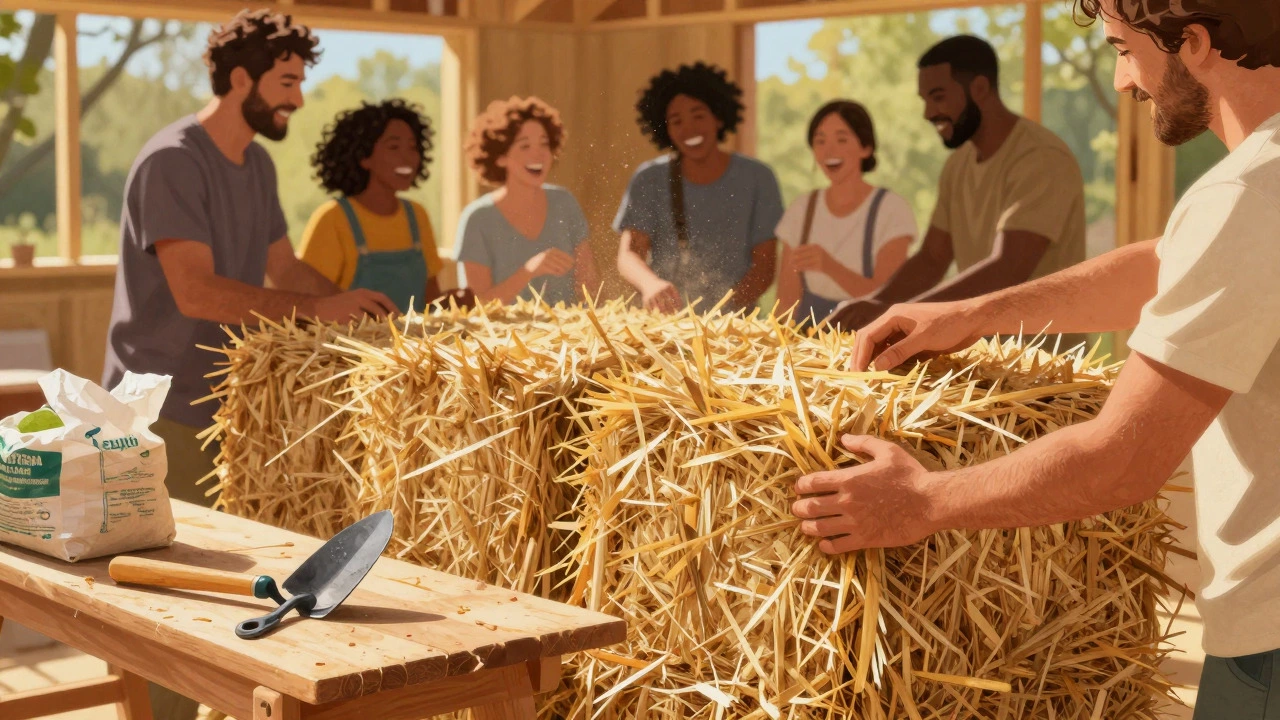
- Straw Bales: Often considered waste from farming, straw bales make excellent insulation. They are cheap, renewable, and carbon-negative. When sealed properly behind plaster, they are fire-resistant and durable. Many DIYers build their own straw bale homes because the technique is forgiving.
- Reclaimed Wood: Old barns, factories, and demolished houses yield beautiful timber. Buying reclaimed wood saves trees and often costs less than new lumber, depending on availability. It adds character and reduces landfill waste.
- Recycled Steel: For framing, steel is strong and fully recyclable. While the upfront cost might be higher than wood, its longevity and resistance to pests (like termites) can save money long-term.
Avoid materials with high embodied energy, like virgin concrete or plastic-based siding, unless necessary. Concrete is great for foundations, but try to minimize its use in walls. Instead, look at hempcrete-a mix of hemp hurds and lime-which is lightweight, insulating, and breathable.
| Material | Cost Level | Insulation Value | DIY Difficulty |
|---|---|---|---|
| Rammed Earth | Very Low | Low (needs added insulation) | High |
| Straw Bale | Low | Very High | Medium |
| Reclaimed Wood | Variable | Medium | Medium |
| Hempcrete | Medium | High | Medium |
The Power of Sweat Equity
Labor is usually the biggest expense in construction. Hiring contractors eats up half your budget. If you want to keep costs down, you need to get your hands dirty. This is called sweat equity.
You don’t have to do everything alone. Organize a "build party." Invite friends, family, and neighbors. Offer food, music, and community in exchange for help digging foundations, stacking bales, or painting walls. This approach works wonders for rammed earth and straw bale projects, which are labor-intensive but not technically difficult.
Learn basic skills. YouTube is full of tutorials on framing, roofing, and plumbing. Take weekend workshops at local hardware stores or community colleges. Even knowing how to read blueprints and manage a job site can save you thousands in professional fees.
However, know your limits. Electrical and structural work often require licensed professionals due to safety codes. Hire experts for these critical parts, but handle the prep work, demolition, and finishing touches yourself.
Energy Systems That Pay Themselves Back
An eco-friendly house should generate its own power. In 2026, solar technology is more affordable than ever. But before you install panels, ensure your house is super-insulated. Why pay for solar to heat a leaky bucket?
Start with a heat pump. Modern air-source heat pumps are incredibly efficient, moving three to four units of heat for every unit of electricity used. They work for both heating and cooling. Pair this with good insulation, and your energy needs drop dramatically.
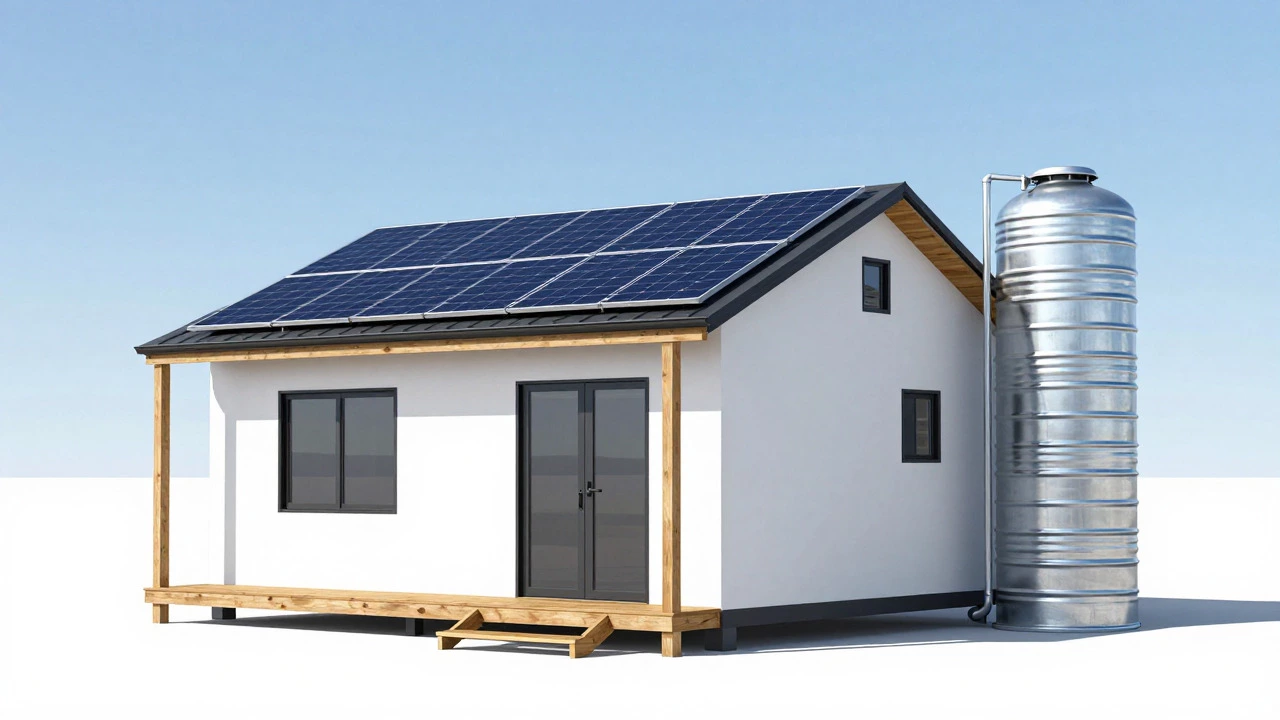
Then add solar PV panels. Calculate your daily energy usage. Size your system accordingly. Don’t overspend on battery storage unless you live in an area with unreliable grid access. Net metering allows you to sell excess power back to the grid during the day, offsetting your nighttime usage.
Don’t forget water. Install rainwater harvesting systems. In places like Devonport, NZ, rainfall is frequent. Collecting rain for toilet flushing, laundry, and gardening can cut your municipal water bill by 50% or more. Use greywater systems to reuse sink and shower water for irrigation.
Navigate Permits and Codes
This is the boring part, but it’s crucial. Building off-grid or non-traditional structures can clash with local building codes. Research your local regulations early. Some areas are friendly to alternative builds; others are strict.
Talk to your local building inspector before you start. Show them your plans. Ask what specific requirements exist for insulation, fire safety, and structural integrity. Getting approval upfront prevents costly rework later. Join local sustainable building groups. They often know which inspectors are open-minded and which hurdles to expect.
If codes are too restrictive, consider building on land zoned for agricultural or rural use, where regulations might be looser. Mobile homes or tiny houses on wheels sometimes bypass traditional building permits, though this varies by jurisdiction.
Maintain Your Green Home
Building is just the beginning. An eco-friendly house requires mindful maintenance. Natural materials like clay plaster or limewash need occasional refreshing, but they are easy to repair with local ingredients. Avoid harsh chemical cleaners that defeat the purpose of a healthy indoor environment. Use vinegar, baking soda, and soap nuts instead.
Monitor your energy usage. Smart meters help you track consumption patterns. Adjust habits based on data. Close blinds on hot afternoons. Open windows at night to cool down. These small actions keep your utility bills low and extend the life of your systems.
Finally, embrace imperfection. Your first eco-home might not be perfect. It might draft a little in the north-west corner, or the composting toilet might take time to master. Learn from these issues. Sustainable living is a journey, not a destination. Each adjustment makes your home more efficient and your life more connected to the earth.
What is the cheapest way to build an eco-friendly house?
The cheapest method combines passive solar design, small square footage, and locally sourced materials like rammed earth or straw bales. Doing much of the labor yourself through sweat equity significantly reduces costs compared to hiring contractors.
Are eco-friendly homes cheaper to maintain?
Yes, generally. Better insulation and efficient appliances lower utility bills. Durable natural materials often last longer than synthetic alternatives, reducing replacement costs. However, some natural finishes may require more frequent upkeep than industrial paints.
Can I build an eco-house without special skills?
You can learn as you go. Many techniques like straw bale stacking are intuitive. Online resources and community workshops provide ample guidance. Start with small projects to gain confidence before tackling major structural elements.
Is it legal to build with alternative materials?
Legality depends on local building codes. Many regions now recognize straw bale, rammed earth, and adobe construction. Always consult your local building department early in the planning process to ensure compliance with safety and zoning laws.
How much does a small eco-home cost to build?
Costs vary widely by location and material choice. A DIY small eco-home can range from $10,000 to $50,000 depending on land ownership, material sourcing, and labor input. Traditional construction typically costs $150-$300 per square foot, while eco-DIY can be under $50 per square foot.