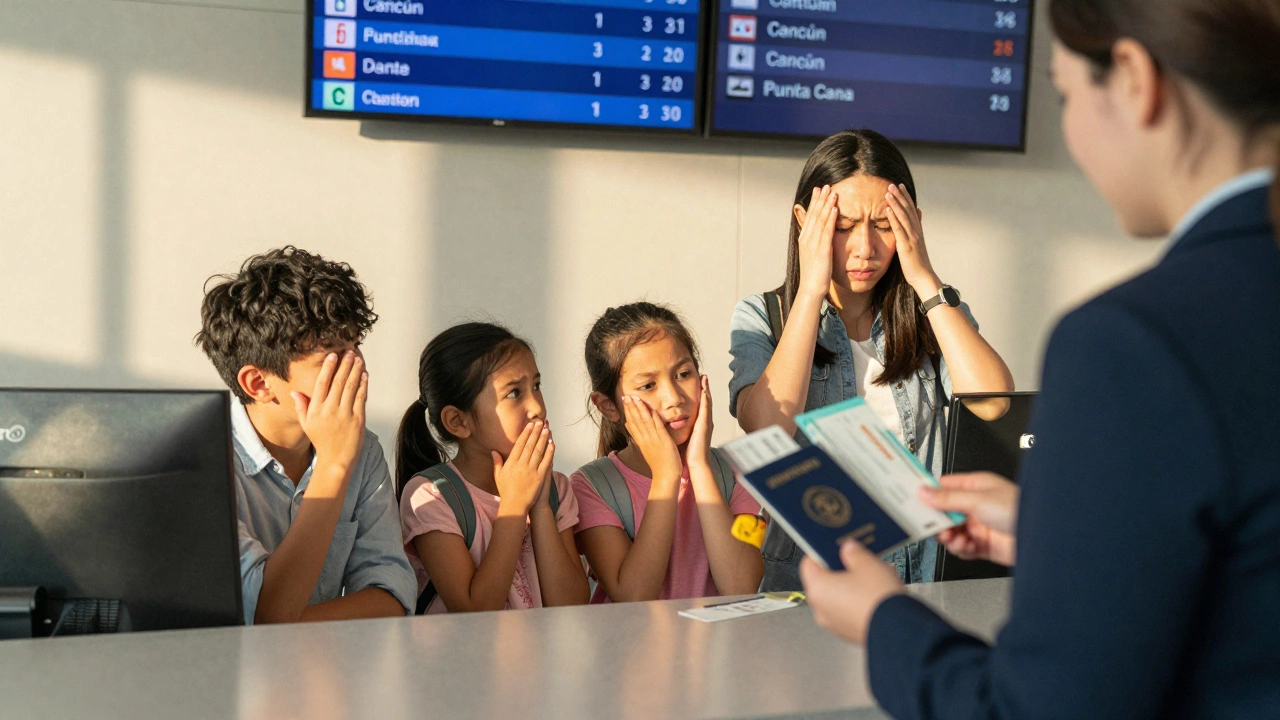
If you’re planning an all-inclusive vacation, the last thing you want to worry about is getting turned away at the airport because you forgot your passport. It sounds simple, but a lot of people assume that because everything’s taken care of-food, drinks, activities, even the beach chair-that the travel rules are relaxed too. They’re not. Passport requirements don’t disappear just because your resort has a buffet and a swim-up bar.
Yes, You Need a Passport for Most All-Inclusive Resorts
Almost every all-inclusive resort outside your home country requires a valid passport. This isn’t a suggestion. It’s a legal requirement enforced by immigration authorities. Whether you’re flying to Cancún, Punta Cana, Jamaica, or the Maldives, border control doesn’t care if your room includes breakfast, lunch, and dinner. They care about your identity and your right to enter the country.
Take Mexico, for example. It’s one of the most popular all-inclusive destinations. U.S. citizens must have a passport book to fly there. Even if you’re driving across the border from Texas, you still need a passport card or book. Same goes for the Dominican Republic. No passport? No check-in. Not even the resort manager can override that rule.
Some travelers think they can use a birth certificate or driver’s license instead. That only works for domestic travel within the U.S., Canada, or a few other countries with special agreements. For international all-inclusive trips, those documents won’t cut it. Airlines won’t let you board without a passport, and foreign governments won’t let you enter without one.
What About Cruise-Based All-Inclusives?
Cruise lines often market all-inclusive packages that stop at multiple Caribbean islands. Even then, you still need a passport. Some cruise lines used to accept government-issued photo ID and birth certificates for closed-loop cruises-those that start and end in the same U.S. port. But that’s changing fast.
In 2024, the U.S. Department of Homeland Security tightened rules after a spike in travelers being stranded overseas due to expired or missing documents. Now, even closed-loop cruises strongly recommend a passport. Many ports, like those in the Bahamas or St. Maarten, require a passport for shore excursions. If you miss the ship because you can’t get off the island, you’re out of luck-and out of pocket.
Bottom line: Don’t gamble with a birth certificate. A passport book costs $130 for adults in the U.S. and takes 8-11 weeks to process. If you’re planning a trip this year, it’s already too late to wait.
What If You’re Traveling Within Your Own Country?
If you’re staying in an all-inclusive resort in your own country, you don’t need a passport. In the U.S., you can drive to an all-inclusive resort in Florida or Hawaii with just a driver’s license. Same in Canada-you can book a resort in Quebec or British Columbia with a provincial ID card or driver’s license.
But here’s the catch: what if your resort is near the border? What if you want to take a day trip to a neighboring town or cross into another province or state? Some resorts near the U.S.-Canada border, like those in Niagara Falls, offer excursions that require crossing. Without a passport, you could get stuck.
Even if you don’t plan to leave the resort, having a passport is still smart. Flight delays, weather cancellations, or last-minute changes can force you to fly home from a different airport. If your original airport is closed and you need to reroute through another country, you’ll be stuck without a passport.

What About Kids?
Children need passports too. No exceptions. A birth certificate might have worked for school trips 15 years ago, but international travel rules haven’t changed for kids-they’ve gotten stricter. Every child, no matter their age, needs their own passport book to fly internationally.
Some parents think they can use a family passport or list their child on their own document. That option was phased out in most countries by 2010. Today, every person, including newborns, must have their own passport. The process is the same as for adults: application, photo, fee, wait. For U.S. citizens, a child’s passport costs $135 and lasts five years.
If you’re traveling with a child and only one parent, some countries require a notarized letter of consent from the other parent. This isn’t about passports-it’s about child safety laws. But if you don’t have the passport, none of that matters.
What If You Don’t Have a Passport Yet?
If you’re reading this and realize you don’t have a passport, don’t panic-but act fast. The standard processing time in the U.S. is 8-11 weeks. In Canada, it’s 10-20 business days. In the UK, it’s 3 weeks. If your trip is less than 6 weeks away, you need to apply for expedited service.
Expedited processing costs extra-$60 in the U.S.-but cuts the wait to 2-5 weeks. If you’re leaving in under two weeks, you’ll need to book an appointment at a regional passport agency. These are not walk-in centers. You need proof of imminent travel: a flight itinerary, hotel reservation, or tour confirmation.
Don’t wait until the last minute. Passport offices get backed up before holidays. January is actually a good time to apply-before spring break and summer rush hits. Many people forget until February, and then they’re stuck.
What Else Do You Need Besides a Passport?
A passport gets you on the plane and into the country. But you might need more. Most all-inclusive resorts are in countries that require a visa for tourists from the U.S., UK, Canada, Australia, and the EU. Luckily, many popular destinations like Mexico, Jamaica, and the Dominican Republic don’t require a visa for short stays if you have a passport. But check the rules.
Some countries require proof of vaccination, especially after COVID. Others ask for a return ticket or proof of funds. A few, like Cuba, require a tourist card-often sold at the airport or by your airline. Your resort might help with this, but don’t assume they will.
Always check the official government travel site for your destination. For U.S. travelers, that’s travel.state.gov. For Canadians, it’s travel.gc.ca. For Brits, it’s gov.uk/foreign-travel-advice. These sites list entry requirements, health rules, and safety alerts. They’re updated daily. Resort websites? Not so much.
What Happens If You Show Up Without a Passport?
You won’t get on the plane. Airlines are fined thousands of dollars for letting passengers board without proper documents. They scan your ID at check-in, and if your passport isn’t there, they won’t let you proceed. No exceptions. No “we’ll figure it out later.”
If you somehow make it to the resort-say, you drove across a border-you’ll be turned away at immigration. You’ll have to turn around, fly home, or pay for an expensive last-minute visa process that might not even work.
One family from Ohio tried to fly to Cancún in 2023 with only birth certificates. They were denied boarding. They had to buy new tickets for the next day, paid $1,200 in change fees, and missed their all-inclusive package’s opening night. The resort didn’t refund them because they didn’t show up.
It’s not worth the risk.
Pro Tips to Avoid Passport Problems
- Check your passport’s expiration date. Many countries require at least six months of validity beyond your return date.
- Make a digital copy of your passport and email it to yourself. Store it in the cloud or a secure app.
- Keep a physical copy separate from your passport-like in your suitcase, not your wallet.
- Don’t wait until the last minute to renew. Passports expire. You can renew up to a year before they expire.
- Consider getting a second passport if you travel often. Some countries won’t let you in if your passport has stamps from certain other nations.
All-inclusive resorts promise ease. But travel isn’t easy if you don’t have the right paperwork. A passport isn’t optional-it’s the foundation of your trip. Skip it, and you’re not saving time or money. You’re risking your entire vacation.
Do I need a passport for an all-inclusive resort in the U.S.?
No, if you’re staying in a U.S. all-inclusive resort like one in Florida or Hawaii, you only need a government-issued photo ID like a driver’s license. But if you plan to leave the resort or fly domestically, a passport is still useful in case of emergencies or changes.
Can I use a passport card instead of a passport book for an all-inclusive resort?
Only if you’re driving to a resort in Mexico or Canada. A passport card is not valid for air travel. If you’re flying to any all-inclusive destination, you need a passport book. The card is cheaper and good for land or sea crossings, but it won’t get you on a plane.
Do babies need passports for all-inclusive trips?
Yes. Every person, regardless of age, needs their own passport to travel internationally. You can apply for a baby passport as early as a few weeks after birth. The process is the same as for adults-photo, form, fee. Don’t assume your child can travel on your passport.
How long does a passport take to process?
Standard processing in the U.S. takes 8-11 weeks. Expedited service takes 2-5 weeks and costs extra. If you’re traveling in less than two weeks, you must book an appointment at a regional passport agency with proof of travel. Don’t wait-apply early.
What if my passport expires in three months?
Many countries require your passport to be valid for at least six months beyond your return date. If yours expires in three months, you could be denied entry-even if your trip is short. Renew it before you go. Most places won’t let you in otherwise.