Real Cottage Authenticity Checker
Visual Heuristics Checklist
Select the features visible in the property photos.
Authenticity Score
Select features above to determine if this is a real cottage or a modern rebrand.
You type 'cottage' into a search bar, expecting a thatched roof, a wood-burning stove, and maybe a sheep grazing outside your window. Instead, you get a studio apartment in a high-rise block labeled 'Cozy Urban Cottage.' It’s frustrating. The question on everyone’s mind right now is simple: do cottages still exist? Or have they been swallowed by the homestay economy?
The short answer is yes. But finding one requires knowing where to look and how to spot the real deal from the marketing fluff. In 2026, the definition of a cottage has shifted. They haven’t disappeared; they’ve just moved off the main digital highways. If you’re hunting for last-minute escapes, the rules of engagement have changed.
The Great Renaming: What Happened to Cottages?
To understand why it feels like cottages are vanishing, you have to look at what happened to the market over the last decade. The rise of global booking platforms standardized listings. Algorithms favor properties with high turnover and low maintenance costs. A genuine stone-built cottage with original features often doesn’t fit the sleek, modern aesthetic that performs best in search results.
So, hosts started rebranding. A converted barn became a 'Rural Loft.' A small detached house became a 'Charming Retreat.' The word 'cottage' carries expectations-rustic charm, perhaps lower ceilings, older plumbing-that some modern investors didn’t want to manage. By dropping the label, they avoided complaints about authenticity while keeping the rental income high.
This semantic shift means your search terms need an upgrade. If you only search for 'cottage,' you’re missing out on thousands of properties that are structurally and atmospherically cottages but legally or commercially classified as 'holiday homes' or 'detached cabins.'
Why can't I find any cottages on major booking sites?
Major platforms prioritize volume and standardization. Many true cottages are listed under broader categories like 'Holiday Homes' or 'Cabins' to appeal to a wider audience. Additionally, many owners prefer niche platforms that cater specifically to rustic stays, avoiding the fees and competition of giant aggregators.
Spotting the Real Deal: Visual Clues
When you’re browsing last-minute options, you don’t have time for deep research. You need visual heuristics. How do you tell if a property is a genuine cottage without reading the entire description?
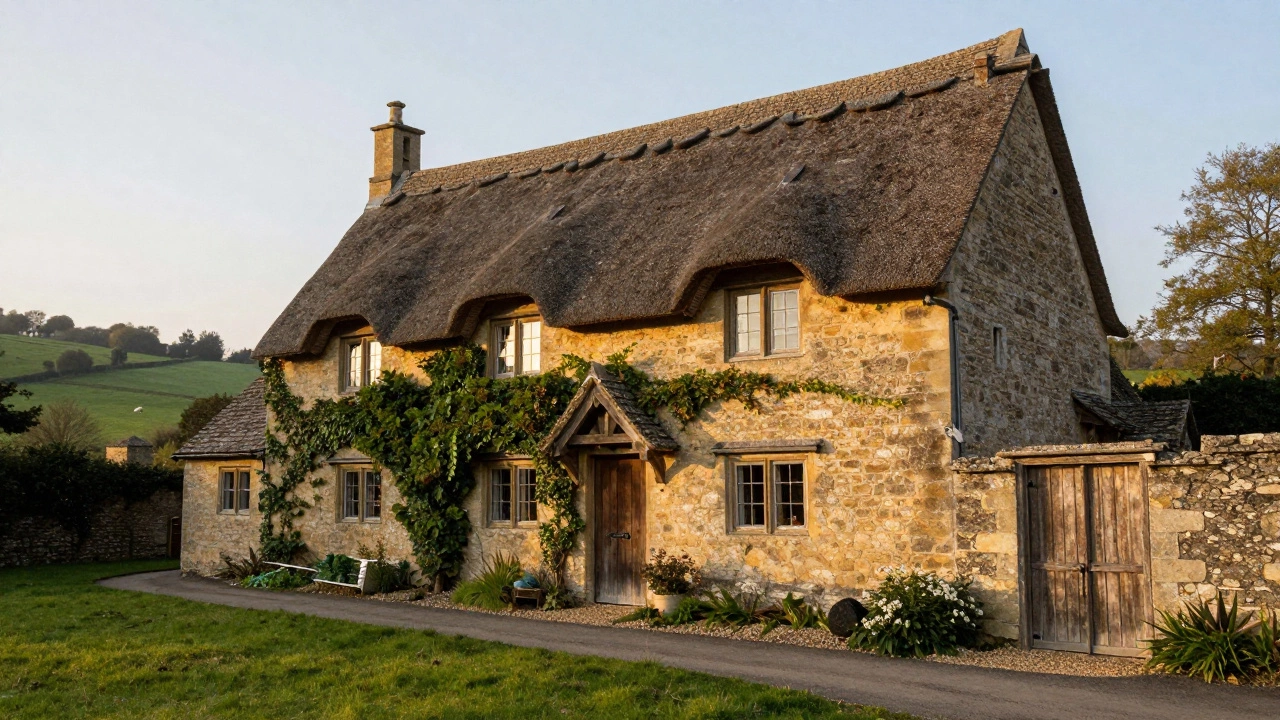
- Roof Pitch: Look for steep roofs. Modern apartments and generic holiday homes tend to have flat or low-pitched roofs. Traditional cottages, especially in places like Devonport or the UK countryside, feature steep pitches designed to shed rain and snow.
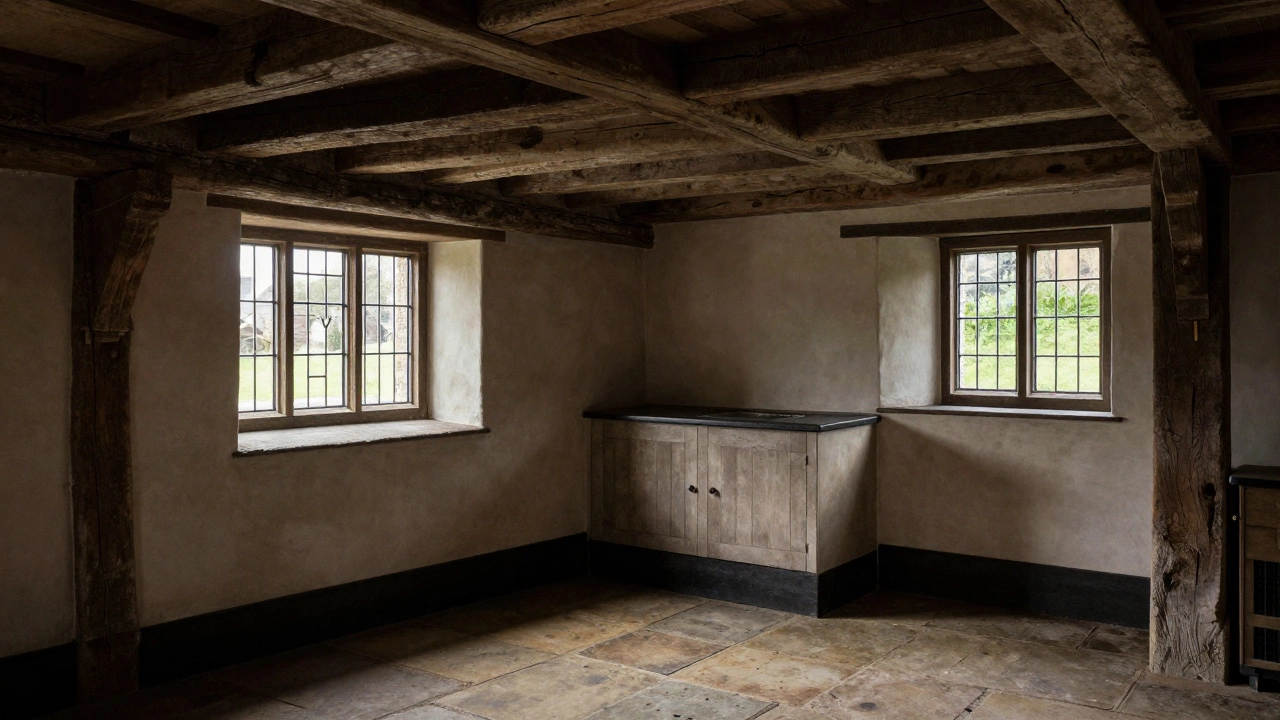
- Window Size: Authentic cottages often have smaller windows due to historical glass taxes and building methods. If every wall is floor-to-ceiling glass, it’s likely a modern build masquerading as rustic.
- Materiality: Stone, brick, or timber framing should be visible. Not just as a decorative accent on one wall, but as the primary structure. Photos showing interior beams that look structural rather than decorative are a good sign.
- Layout Irregularities: Cottages are rarely symmetrical. Look for photos that show cozy nooks, uneven floors (if it’s an older property), or compact kitchens. Perfect symmetry usually indicates new construction.
If you see these elements, you’ve found a gem. Even if the listing calls it a 'Studio' or 'Annexe,' the experience will be the authentic cottage stay you’re craving.
The Last-Minute Challenge: Why Availability Drops
Finding a cottage is hard enough. Finding one available next weekend? That’s a different beast. The scarcity of last-minute cottage bookings isn’t just about demand; it’s about ownership models.
Unlike hotels, which hold inventory for walk-ins, most cottages are privately owned. Owners often book their own units months in advance for family holidays. When they list them, they frequently set minimum stay requirements or close dates during peak seasons. This creates artificial scarcity. By Friday afternoon, the pool of available cottages shrinks dramatically because the flexible, short-term renters have already booked weeks ago.
However, there is a loophole. Cancellations happen. Life happens. Jobs change. Flights get delayed. The best last-minute deals often come from last-minute cancellations. Setting up alerts on niche cottage-specific platforms can notify you instantly when a premium property opens up.
Where to Look Beyond the Giants
If Airbnb and Booking.com aren’t yielding results, it’s time to go local. The cottage ecosystem thrives on specialized platforms that focus on quality over quantity.
| Platform Type | Best For | Last-Minute Success Rate | Authenticity Level |
|---|---|---|---|
| Global Aggregators (Airbnb, Vrbo) | Volume and reviews | Low (highly competitive) | Mixed (many mislabeled) |
| Niche Cottage Sites (e.g., Cotswold Collection, Local Trusts) | Verified traditional stays | Medium (curated inventory) | High (strict criteria) |
| Direct Owner Websites | Best prices, no fees | Variable (requires calling) | Highest (personal touch) |
| Local Tourism Boards | Hidden gems | Medium (community-focused) | High (local vetting) |
In regions like New Zealand’s Northland or the English Cotswolds, local tourism boards often maintain lists of independent cottages that never appear on global apps. These owners value privacy and repeat guests over algorithmic visibility. Calling them directly can work wonders for last-minute requests.
The Rise of Eco-Cottages
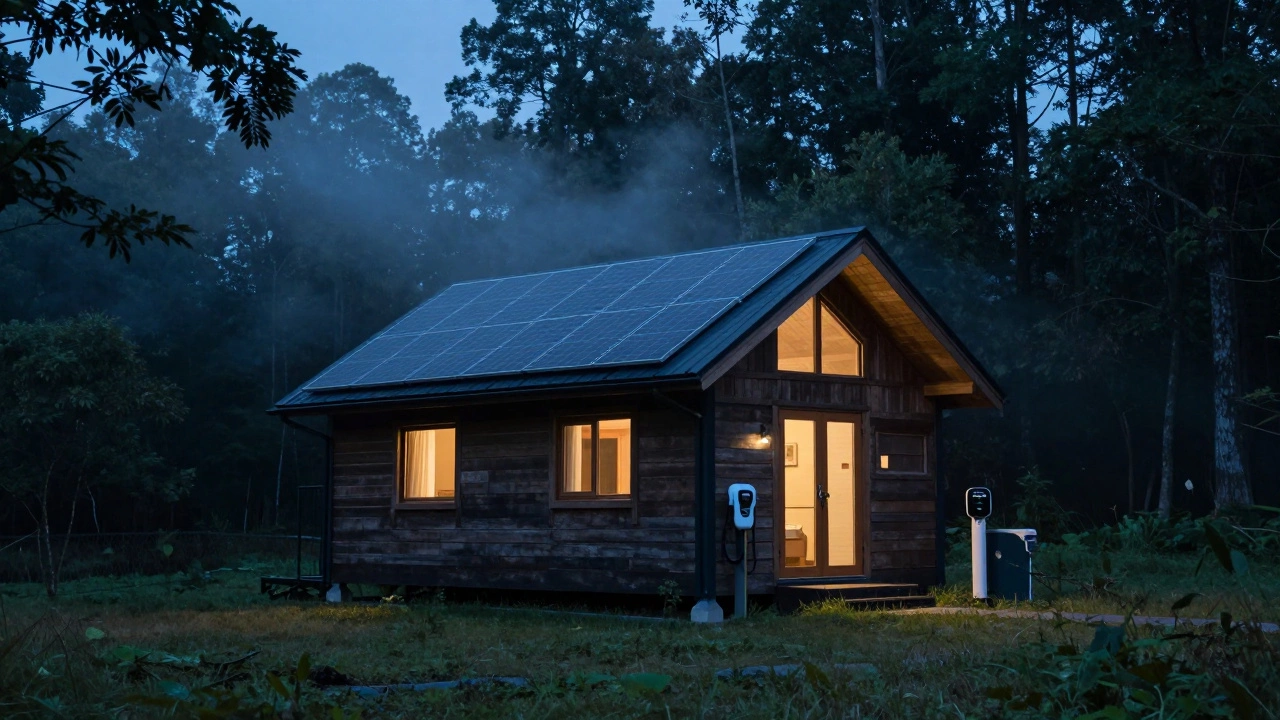
A significant portion of today’s surviving cottage stock is transitioning into eco-friendly accommodations. Sustainability isn’t just a trend; it’s a survival strategy for rural properties. Older cottages are naturally energy-efficient due to thick walls and passive cooling. Owners are capitalizing on this by upgrading insulation and adding solar power.
When searching for last-minute stays, filter for 'Eco-Friendly' or 'Sustainable.' These listings are more likely to be genuine, well-maintained cottages. The investment required to green-up an old property ensures that the owner is committed to long-term quality, not just quick flips. You’ll often find better amenities, such as organic breakfast baskets or electric vehicle charging points, paired with the rustic charm you seek.
Regional Differences: Where Cottages Thrive
Not all countries define 'cottage' the same way. Understanding regional nuances can expand your search radius.
- New Zealand: Here, 'cottages' often refer to beachfront baches or rural farm stays. They are less about medieval architecture and more about detached, standalone living spaces surrounded by nature. Last-minute availability is higher in shoulder seasons (April-May, September-October).
- United Kingdom: The classic stone or timber-framed cottage. Highly regulated, often protected heritage buildings. Scarcity is real. Book early or rely on cancellation alerts.
- Scandinavia: Known as 'stugus' or 'hytter.' These are often wooden structures focused on sauna culture and forest immersion. They are plentiful and easier to book last-minute due to a strong culture of spontaneous summer trips.
- North America: Often called 'cabins' or 'log homes.' The distinction is minimal. Search for 'detached cabin' to find the cottage equivalent.
If you’re in Devonport, looking north towards the Bay of Islands, you’ll find a dense cluster of these standalone properties. The key is to broaden your geographic search slightly. Sometimes the perfect cottage is just ten minutes further down the coast, where availability is higher.
Tips for Securing a Last-Minute Cottage
Ready to book? Here’s how to increase your odds of snagging a real cottage at the eleventh hour.
- Be Flexible with Dates: Shifting your trip by one day can open up entirely new inventory. Mid-week stays (Tuesday-Wednesday) have significantly higher availability than weekends.
- Use Multiple Keywords: Search for 'cottage,' 'cabin,' 'chalet,' 'barn conversion,' and 'detached house' simultaneously. Don’t let the name fool you; check the photos.
- Contact Hosts Directly: If a platform allows messaging, send a polite note immediately. Mention you’re flexible and ready to book instantly. Personal connection can override automated filters.
- Check Local Facebook Groups: Communities like 'NZ Holiday Home Swaps' or local town groups often have posts about sudden cancellations. This is the wild west of booking, but the deals are unbeatable.
- Verify Connectivity: Old cottages sometimes mean old infrastructure. Confirm Wi-Fi strength before you book if you need to work remotely. Don’t assume 'rustic' means 'no signal,' but verify anyway.
The Verdict: Are They Worth the Hunt?
Yes. Absolutely. The reason we cling to the idea of the cottage is that it offers something hotels cannot: solitude and character. A hotel room is a product. A cottage is a place. It has history, quirks, and a specific relationship with its landscape.
They haven’t disappeared. They’ve just become more precious. Finding one requires patience and a willingness to look beyond the obvious labels. But when you arrive at that gate, hear the gravel crunch under your tires, and step into a space that feels genuinely lived-in yet private, the effort pays off. The cottage exists. You just have to know how to ask for it.
Is it cheaper to book a cottage last minute?
Not necessarily. Unlike hotels, which drop prices to fill rooms, cottage owners often keep rates steady to avoid devaluing their property. However, you may find 'flash sales' or cancellation discounts on niche platforms. Always compare with the standard rate to ensure you're getting a deal.
What is the difference between a cottage and a cabin?
The terms are often used interchangeably, but traditionally, cottages are older, permanent structures made of stone or brick, often in villages. Cabins are typically newer, wooden structures located in forests or mountains. In practice, both offer similar detached, rustic experiences.
Can I bring my dog to a last-minute cottage booking?
Many cottages are pet-friendly, but availability varies. Filter for 'Pet Friendly' on booking sites. When booking last-minute, call the host to confirm. Some owners may allow pets for an extra fee even if it's not listed, especially if the cottage is empty and needs filling.
Are cottages safe for solo travelers?
Generally, yes. Cottages are often located in quiet, rural areas with low crime rates. However, always read recent reviews regarding safety and lighting. Ensure the property has secure locks and is not isolated without phone reception if you are traveling alone.
Why are cottage prices so high compared to hotels?
Cottages offer exclusive use of an entire property, including outdoor space, kitchen facilities, and privacy. Hotels charge for shared amenities and services. Additionally, maintenance costs for older, unique properties are higher, which is reflected in the nightly rate.