Sustainable Material Selector
Not sure which material fits your project? Select your primary priority or climate below to find the ideal match for your sustainable cottage.
Material Name
Carbon ImpactDescription will appear here.
Quick Stats
Quick Takeaways:
- Rammed Earth and Hempcrete are top choices for low carbon footprints.
- CLT is the modern, sustainable alternative to steel and concrete.
- Straw Bale construction offers the best natural insulation values.
- The "best" material depends on your local climate and available resources.
The Heavy Hitters of Sustainable Construction
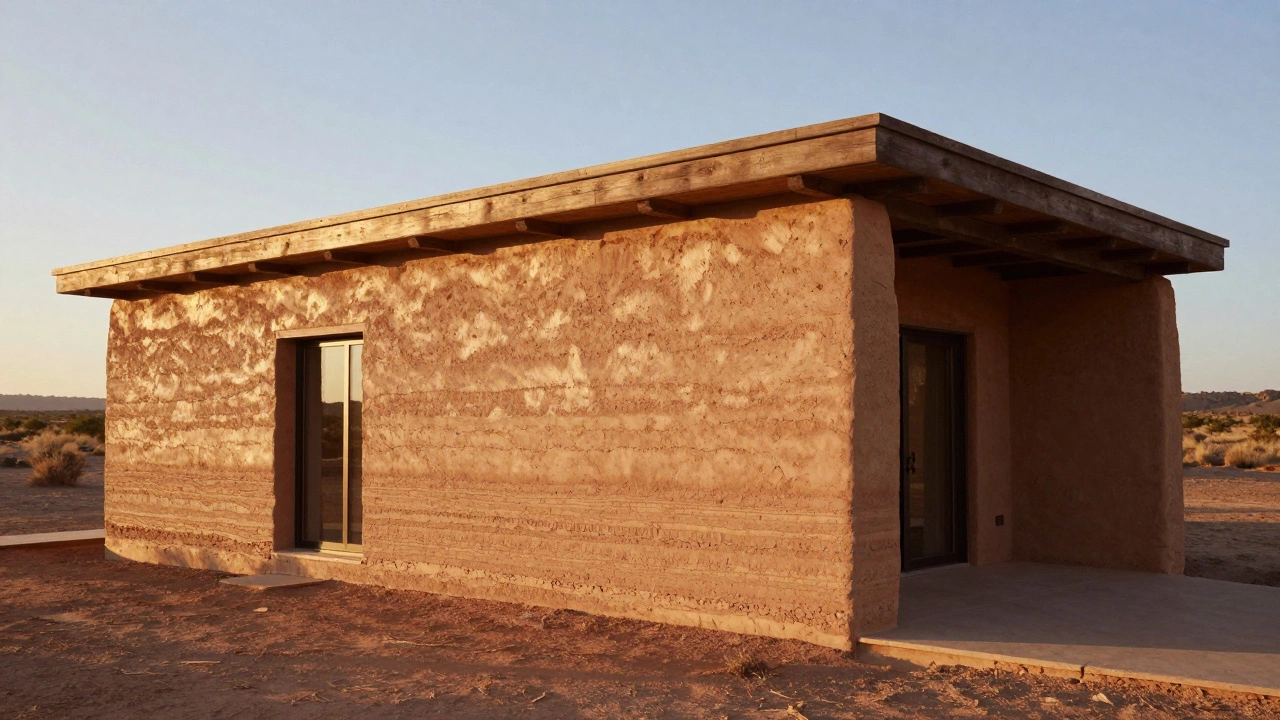
When we talk about the most eco-friendly material, there isn't one single winner. Instead, we have a few champions depending on whether you prioritize energy efficiency, carbon sequestration, or longevity. First, let's look at Rammed Earth is a technique where a damp mixture of earth, sand, and clay is compacted into wooden forms to create thick, durable walls. Because it uses soil found right beneath your feet, the transport emissions are virtually zero. It has incredible thermal mass, meaning it absorbs heat during the day and releases it at night, keeping your cottage cool in July and warm in January without blasting the AC.
Then there is Hempcrete, which is a bio-composite material made from the inner woody core of the hemp plant mixed with a lime-based binder. Unlike concrete, which releases CO2 during production, hempcrete is carbon-negative. The hemp plant sucks CO2 out of the air as it grows, and that carbon stays locked in your walls for decades. It's also breathable, which prevents mold and keeps indoor air quality high-something you'll notice immediately if you've ever lived in a damp, traditional cottage.
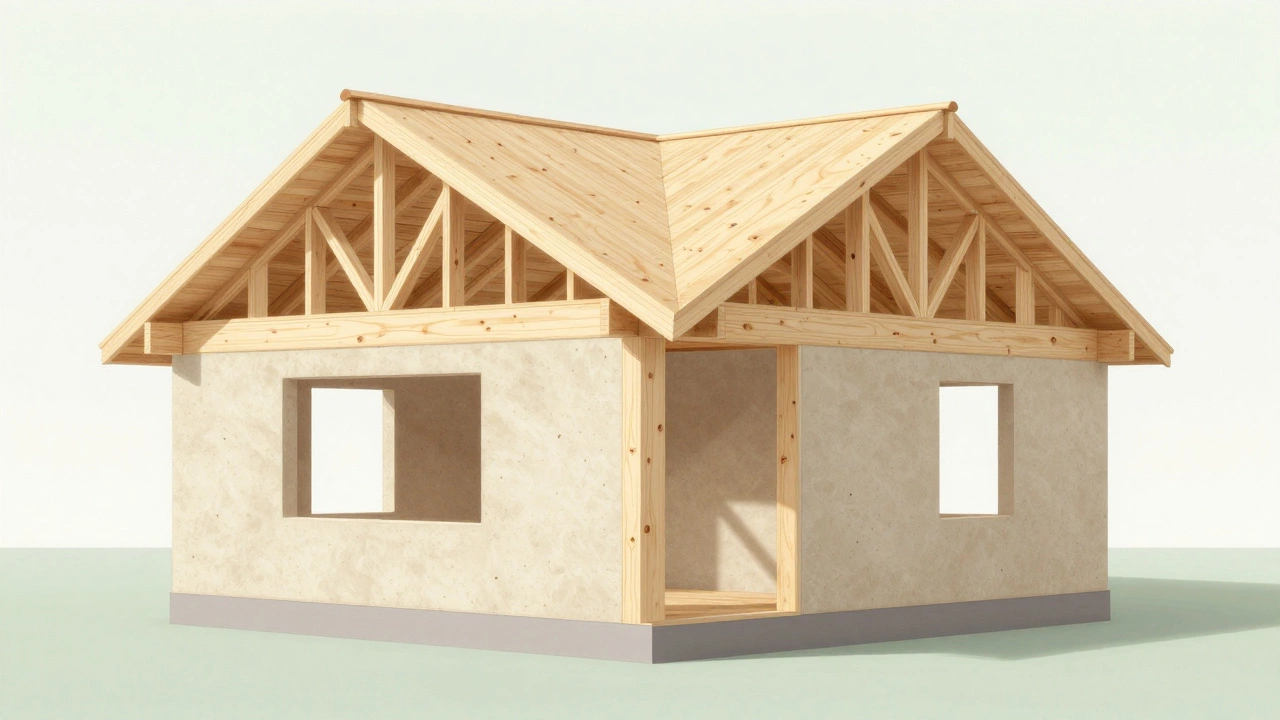
For those wanting a modern aesthetic with a sustainable soul, Cross-Laminated Timber (CLT) is the game-changer. CLT consists of layers of kiln-dried lumber stacked in alternating directions and glued together to create massive structural panels. It's strong enough to replace steel beams and concrete slabs. By switching from a concrete frame to CLT, you can reduce the carbon footprint of a building's structure by up to 25% to 40%, depending on the source of the wood.
Comparing the Top Sustainable Materials
Choosing a material isn't just about the planet; it's about how it performs in the real world. A material that's great in the Arizona desert might be a disaster in the rainy hills of Scotland.
| Material | Carbon Impact | Insulation (R-Value) | Durability | Best Use Case |
|---|---|---|---|---|
| Rammed Earth | Very Low | Low (High Thermal Mass) | Extremely High | Arid or Warm Climates |
| Hempcrete | Negative (Sequesters) | Medium-High | High | Humid Climates / Retrofits |
| Straw Bale | Negative | Very High | Medium | Cold Climates / Off-grid |
| CLT | Low to Medium | Medium | High | Multi-story / Modern Design |
| Recycled Steel | Medium | Very Low | Extreme | Industrial / High-load areas |
The Magic of Straw Bale Construction
If your goal is a cozy, warm cottage in a chilly climate, Straw Bale construction is hard to beat. This method uses compressed bales of straw as structural blocks or as insulation within a timber frame. Straw is an agricultural waste product; using it for building keeps it out of the fire-pile or landfill.
The insulation value of a straw bale wall is staggering. While a standard 2x4 stud wall with fiberglass might have an R-value of 13, a thick straw bale wall can easily hit R-30 or higher. This means you spend almost nothing on heating during the winter. The trick is the finish: you must use a lime or clay plaster. If you use cement-based plaster, you trap moisture in the straw, and your walls will literally rot from the inside out. Use a breathable finish, and the house will last a century.
Why We Should Ditch Traditional Concrete
To appreciate these materials, we have to look at the villain: Concrete. A composite material made from aggregate and a binder, typically Portland cement. The production of Portland cement is one of the largest industrial sources of CO2 globally, accounting for roughly 8% of all emissions. When you mix the heat required for the kilns and the chemical reaction of the limestone, it's a climate nightmare.
If you absolutely need a foundation or a slab, don't go for standard grey concrete. Look for "Green Concrete" alternatives. This involves replacing a portion of the cement with Fly Ash (a byproduct of coal plants) or Slag (from steel production). This doesn't just lower the carbon; it often makes the concrete more durable and resistant to chemicals. It's a win-win that utilizes waste that would otherwise sit in a pond.
Practical Challenges and Hidden Costs
I won't lie to you: building with these materials isn't always as simple as buying a kit from a big-box store. There are three main hurdles you'll face: labor, regulation, and sourcing.
First, labor. Most contractors know how to frame a house with pine and wrap it in plastic. Very few know how to pack rammed earth or plaster a straw bale wall. You might end up paying a premium for a specialist, or you might have to get your hands dirty and do some of the work yourself. I've seen projects where the owner spent six months learning to mix lime mortar just to save $10k in labor costs.
Second, the building codes. Depending on where you live, a building inspector might look at a hempcrete wall and ask, "Where are the studs?" Because these materials don't always fit into the standard "prescription codes," you may need a structural engineer to sign off on the design. This adds a bit of upfront cost, but it's the price of doing something different.
Finally, sourcing. If you want to build a straw bale cottage but live in a region where straw is shipped from 500 miles away, you've just erased half of your environmental gains. The most eco-friendly building materials are always the ones you can find within a 50-mile radius of your build site.
The Life Cycle Perspective
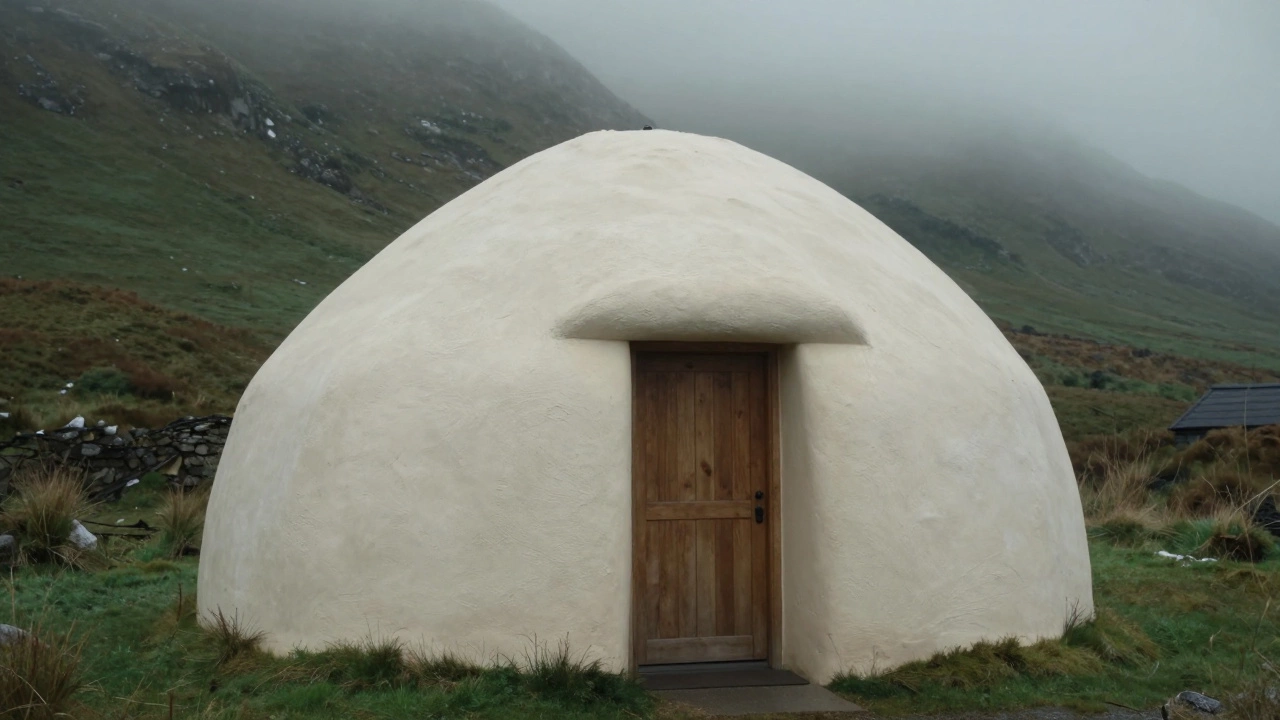
A truly sustainable cottage considers the end of its life. This is where we talk about biodegradability. Imagine a house made of CLT, lime, and earth. When that house eventually reaches the end of its life in 100 years, it doesn't become a pile of toxic rubble in a landfill. The wood can be repurposed or composted, the lime can return to the earth, and the rammed earth simply becomes soil again.
This "cradle-to-cradle" approach is why bio-based materials are winning. They don't just minimize damage; they fit into the natural cycle of growth and decay. When you choose a material like cork for flooring or wool for insulation, you're supporting regenerative industries that actually improve the land they come from.
Is hempcrete actually stronger than concrete?
No, hempcrete is not a structural material in the same way concrete is. It doesn't have the same compressive strength, which is why you usually see it used as an infill within a timber frame. It provides the insulation and the walls, but the wood provides the actual support for the roof.
Will a straw bale house attract pests or mice?
Only if you leave the straw exposed. Once the bales are tightly packed and covered with a thick layer of lime or clay plaster, there is no way for pests to get inside. The plaster creates a hard, impenetrable shell that mice can't chew through.
How long does a rammed earth house last?
They can last for centuries. There are rammed earth structures in China and Africa that are thousands of years old. As long as you protect the walls from constant direct rain (with a good roof overhang), they are incredibly durable.
Is CLT more expensive than traditional lumber?
The material itself is often more expensive than standard 2x4s. However, because the panels are prefabricated in a factory, the installation time on-site is drastically reduced. You can often dry-in a building in a fraction of the time, which lowers your total labor costs.
Which material is best for a wet, rainy climate?
Hempcrete is an excellent choice for humid or rainy areas because it is "vapor-permeable." It can absorb excess moisture from the air and release it without losing its insulating properties or rotting, provided it has a breathable lime finish.
What to do next
If you're ready to start planning your eco-cottage, don't start with the blueprints-start with the land. Go outside and dig a hole. If the soil is heavy with clay, rammed earth might be your best bet. If you live in a farming community, look for local hemp or straw suppliers. The goal isn't to find the "perfect" material on a chart, but to find the material that belongs in your specific piece of the world. Your first step should be to contact a local architect who specializes in sustainable design to see which of these materials can actually pass your local building codes.