Find Your Perfect Ultra-Luxury Experience
Select the property that matches your vision of ultimate luxury to see detailed insights, hidden costs, and whether it's right for you.
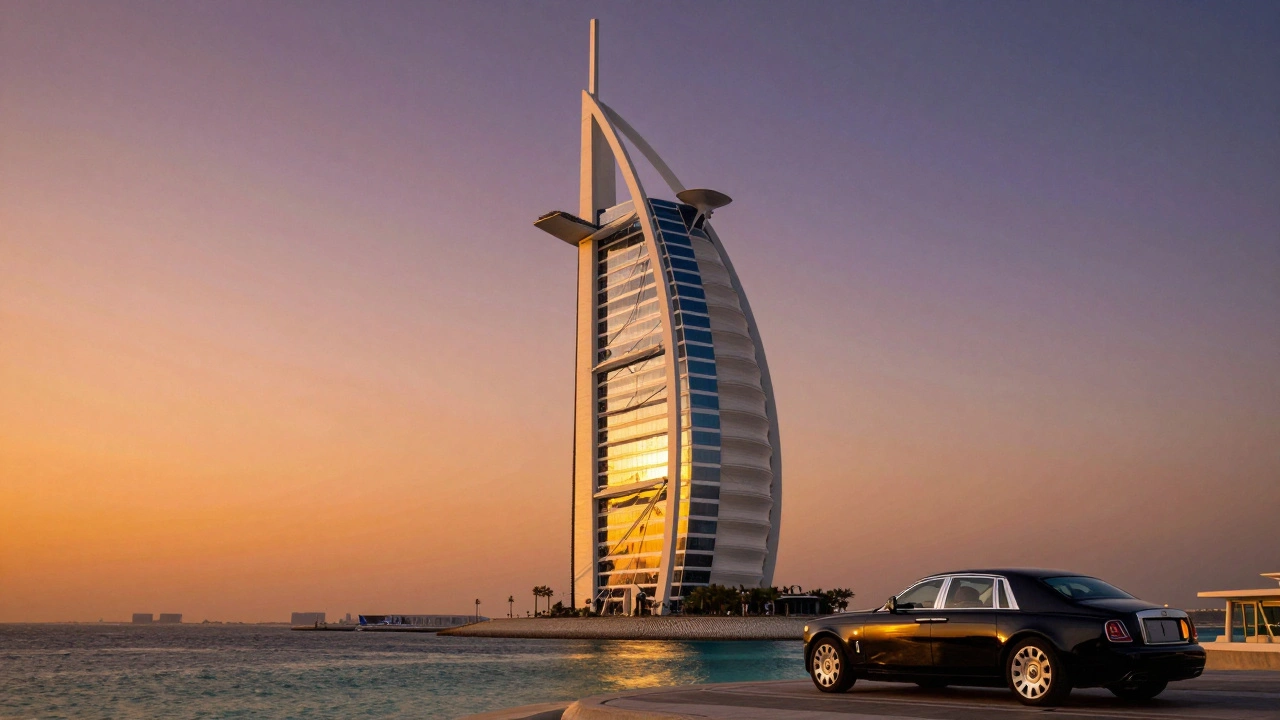
Burj Al Arab
Dubai, UAE
The IconSail-shaped architecture, double-height suites, helicopter arrivals.
Emirates Palace
Abu Dhabi, UAE
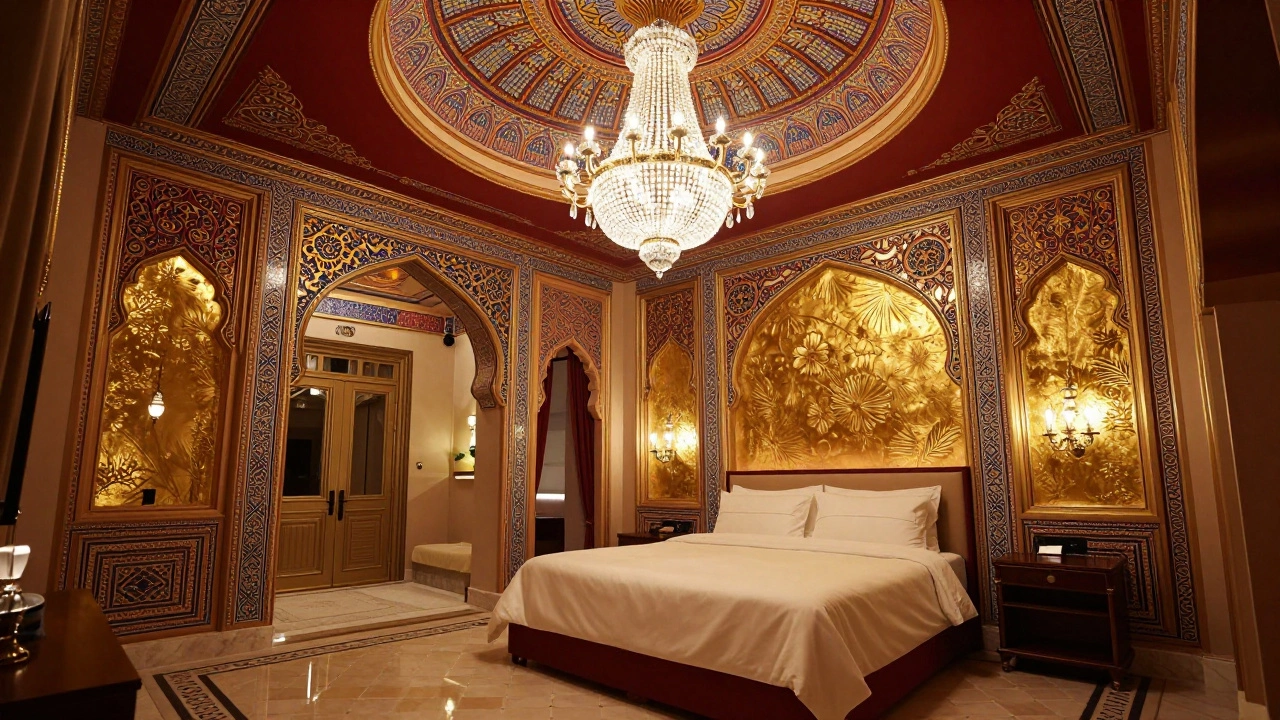
Royal TreatmentPalace-like structure, 24k gold interiors, vintage car collection.
The Ritz Paris
Paris, France
Old World GlamourHistorical prestige, Coco Chanel’s suite, discreet service.
Aman Tokyo
Tokyo, Japan
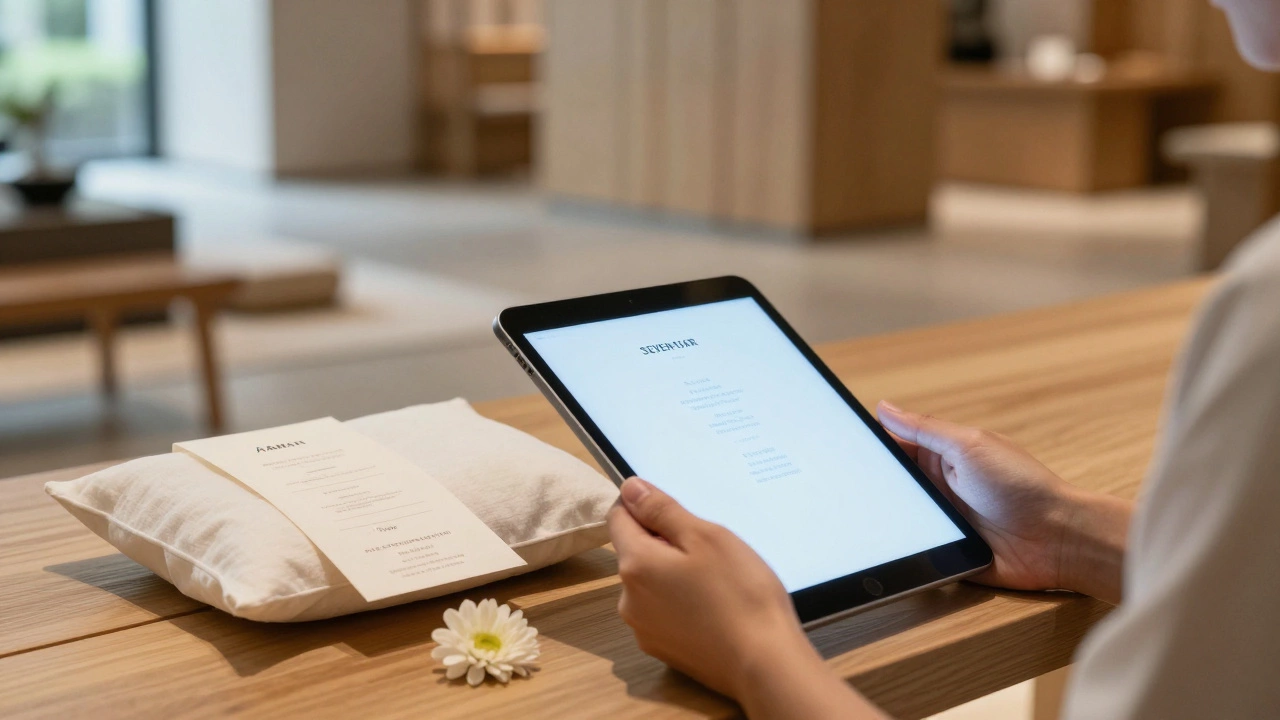
Modern MinimalismZen design, top-floor views, seamless technology integration.
Why It's Considered "Seven-Star"
The Reality Check
Hidden Costs to Watch For
There is a persistent myth floating around the internet that there are seven-star hotels scattered across the globe. You’ve probably seen the headlines or heard the bragging rights at dinner parties. The reality is far more interesting, and slightly less complicated. Officially, no hotel in the world holds a seven-star rating. The standard international rating system tops out at five stars. So, where did this idea come from? It stems from hyperbolic marketing, confused journalists, and a few properties so extravagantly opulent that they broke the existing scale of measurement.
When people ask for "seven-star" hotels, they aren't looking for a bureaucratic certification. They are looking for an experience that defies logic. They want gold-leafed ceilings, personal butlers who anticipate your needs before you do, and private islands. In this article, we’ll cut through the noise and look at the specific properties that earned this unofficial title. We will explore why these places are considered beyond five stars, what it actually costs to stay there, and whether the hype matches the reality.
The Origin of the Myth: When Five Stars Wasn't Enough
To understand the concept of a seven-star hotel, we have to look back at two specific moments in hospitality history. The term was never created by a formal accrediting body like Forbes Travel Guide or AAA. Instead, it was born from shock and awe.
The first major instance occurred in 1999 with the opening of Burj Al Arab Jumeirah in Dubai. Upon its launch, a British journalist reportedly described it as a "7-star" hotel because she felt the five-star rating was insufficient to capture its grandeur. This wasn't a technical assessment; it was an emotional reaction to seeing a sail-shaped skyscraper made of glass and steel rising from an artificial island. The hotel’s management, recognizing the power of the phrase, leaned into it. Today, while the hotel officially lists itself as five-star deluxe, the world still calls it seven-star.
A similar story unfolded in Abu Dhabi with the Emirates Palace Mandarin Oriental. When it opened in 2005, the same journalist who coined the term for Burj Al Arab visited this sprawling palace. She again declared it seven-star. The property features 24-karat gold leaf throughout its interiors, marble sourced from Italy, and a fleet of Rolls-Royces for guest transport. These two properties set the template for what travelers now expect when they search for "seven-star" experiences: excessive scale, precious materials, and service that borders on intrusion.
The Properties That Define "Seven-Star" Luxury
While there is no official list, certain hotels have cemented their place in the public consciousness as the pinnacle of luxury. These are the places that justify the informal label through sheer excess and exclusivity.
| Hotel Name | Location | Key Feature | Starting Price (Approx.) |
|---|---|---|---|
| Burj Al Arab | Dubai, UAE | Sail-shaped architecture, double-height suites | $1,500 USD per night |
| Emirates Palace | Abu Dhabi, UAE | Palace-like structure, 24k gold interiors | $800 USD per night |
| The Ritz Paris | Paris, France | Historical significance, Coco Chanel’s suite | $2,000 USD per night |
| Aman Tokyo | Tokyo, Japan | Minimalist zen design, top-floor views | $1,200 USD per night |
Burj Al Arab Jumeirah: The Icon
If you only visit one "seven-star" hotel, it’s likely to be the Burj Al Arab. Its design is unmistakable. Standing 321 meters tall, it resembles the sail of a dhow, a traditional Arabian boat. But the exterior is just the hook. Inside, every suite is a duplex, meaning it spans two floors. The lower level serves as a living area, while the upper level contains the bedroom. Most suites feature floor-to-ceiling windows offering panoramic views of the Persian Gulf.
The service here is intense. You arrive in a Rolls-Royce Phantom. You are greeted by a dedicated butler who remains available via mobile phone throughout your stay. The dining options include Al Muntaha, a restaurant located 200 meters above sea level, which offers some of the highest-altitude fine dining in the world. Critics often point out that the rooms can feel cold and impersonal due to the vast amounts of marble and glass, but the spectacle is undeniable.
Emirates Palace Mandarin Oriental: The Royal Treatment
Located in Abu Dhabi, the Emirates Palace feels less like a hotel and more like a sovereign state’s residence. It sprawls across 100 acres, featuring 16 indoor pools and extensive gardens. The interior design is heavy on tradition, with intricate mosaics, domes, and chandeliers that weigh tons.
What sets this property apart is the attention to detail in the amenities. Bathrooms are stocked with Hermès products. Beds are dressed in Egyptian cotton sheets with thread counts exceeding 1,000. The hotel also houses the largest collection of vintage cars in the Middle East, which guests can view. For those seeking a quieter, more culturally rich luxury experience compared to the flashy Burj Al Arab, this is the preferred choice.
The Ritz Paris: Old World Glamour
Not all ultra-luxury requires gold plating. The Ritz Paris, reopened after a massive renovation in 2016, represents a different kind of seven-star status: historical prestige. Located on the Place Vendôme, this hotel has hosted kings, presidents, and artists for over a century.
The appeal here is heritage. Staying in the Suite de la Reine Margot means sleeping in the same room where Ernest Hemingway wrote parts of his novels. The service is discreet rather than ostentatious. Staff members are trained to recognize guests instantly and remember their preferences from years ago. The dining scene is equally elite, with two Michelin-starred restaurants on-site. This is for travelers who value culture and history over modern gimmicks.
Aman Tokyo: Modern Minimalism
In contrast to the gilded palaces of the Middle East, Aman Tokyo offers a serene, minimalist escape in the heart of a bustling metropolis. Occupying the top 14 floors of the Otemachi Tower, it provides a sense of isolation despite being in downtown Tokyo.
The design philosophy focuses on natural materials-wood, stone, and silk-creating a calm atmosphere. The spa is renowned globally, featuring treatments inspired by Japanese traditions. The "seven-star" reputation here comes from the seamless integration of technology and service. Every aspect of the stay is controlled via a tablet in the room, and the staff-to-guest ratio is incredibly high. It’s quiet, understated, and profoundly expensive.
What Actually Makes a Hotel "Seven-Star"?
Since there is no official criteria, we have to define what separates these hotels from a standard five-star property. It usually boils down to three factors: exclusivity, customization, and excess.
- Exclusivity: Access is limited. Some hotels require membership or have very few rooms. The Burj Al Arab has only 202 suites, ensuring that resources are not stretched thin.
- Customization: Service is tailored to the individual. At these levels, you don’t just order room service; you have a chef prepare a meal in your suite based on your dietary restrictions and cravings. Your pillow menu might have twenty options, and your shower temperature is pre-set to your preference upon arrival.
- Excess: This is the visible factor. Gold fixtures, imported marble, private beaches, and helicopter transfers. It’s about using resources in ways that seem unnecessary to most people but create a sense of wonder for the guest.
The Cost of Entry: Pricing and Hidden Fees
Staying at these properties is not just about the nightly rate. The base price is often just the entry fee. Let’s break down what you’re actually paying for.
At the Burj Al Arab, a standard suite starts around $1,500 USD per night. However, this rarely includes meals, transportation, or activities. If you choose the Royal Suite, the price jumps to $25,000 USD per night. This suite includes a private elevator, a swimming pool, and a dedicated team of staff.
In Paris, The Ritz charges a minimum stay requirement during peak seasons, often requiring three to five nights. The cost isn't just for the bed; it’s for the brand equity. You are paying for the chance to say you stayed at The Ritz. Additionally, many of these hotels charge a "resort fee" or "service charge" that can add 20-30% to your bill. Always check the final breakdown before booking.
Is the Hype Worth It?
This is the question that matters most. Does spending $10,000 on a weekend get you ten times the experience of a $1,000 hotel? Not necessarily.
For some travelers, the answer is yes. The thrill of arriving in a helicopter, the novelty of a gold-plated bathroom, and the ego boost of staying at a landmark are valuable commodities. For others, the experience can feel sterile. The focus on opulence can sometimes overshadow comfort. Large spaces can feel echoey, and the formality of the service can make guests feel restricted rather than relaxed.
If you are chasing memories, consider what kind of memory you want. Do you want a photo-worthy backdrop with gold chandeliers? Then go for the Emirates Palace. Do you want a transformative, peaceful retreat? Then Aman Tokyo or a similar boutique luxury property might serve you better. The "seven-star" label is a marketing tool, but the experience inside is real. Just make sure it aligns with your definition of luxury.
Are there any officially certified 7-star hotels?
No. There is no official international rating system that awards seven stars. The highest official rating is five stars. The term "seven-star" is an informal designation used by media and marketers to describe hotels that exceed five-star standards.
Which hotel was the first to be called 7-star?
The Burj Al Arab in Dubai is widely credited as the first hotel to receive the "seven-star" moniker in 1999, following comments by a British journalist who felt the five-star rating was inadequate.
What is the most expensive hotel room in the world?
The Royal Suite at the Burj Al Arab in Dubai is often cited as one of the most expensive, costing up to $25,000 per night. However, prices fluctuate based on season and availability, and other suites in properties like The Ritz Paris or Emirates Palace can rival these costs.
Do 7-star hotels offer better service than 5-star hotels?
Generally, yes. These hotels typically have higher staff-to-guest ratios, offering personalized services like dedicated butlers, private chefs, and customized itineraries that go beyond standard five-star offerings.
Can I book a 7-star hotel online?
Yes, most of these properties can be booked through major travel websites or directly through their official sites. However, for the most exclusive suites, it is often recommended to contact the hotel’s concierge or a luxury travel agent to ensure availability and special arrangements.