Business vs. Boutique Hotel Finder
Select the option that best describes your current situation to find your ideal accommodation.
Work / Conference
Meetings, presentations, or corporate events.
Leisure / Vacation
Sightseeing, relaxation, or exploring culture.
Efficiency & Convenience
Fast Wi-Fi, reliable amenities, easy access.
Atmosphere & Design
Unique decor, local vibe, memorable aesthetics.
Standard Facilities
- ✔ 24/7 Gym & Pool
- ✔ Business Center
- ✔ Standard Breakfast
Curated Experiences
- ✔ Local Dining & Bars
- ✔ Personalized Service
- ✔ Artistic Decor
Value for Money
Mid-range pricing with predictable costs.
Premium / Luxury
Willing to pay more for exclusivity and charm.
What to expect:
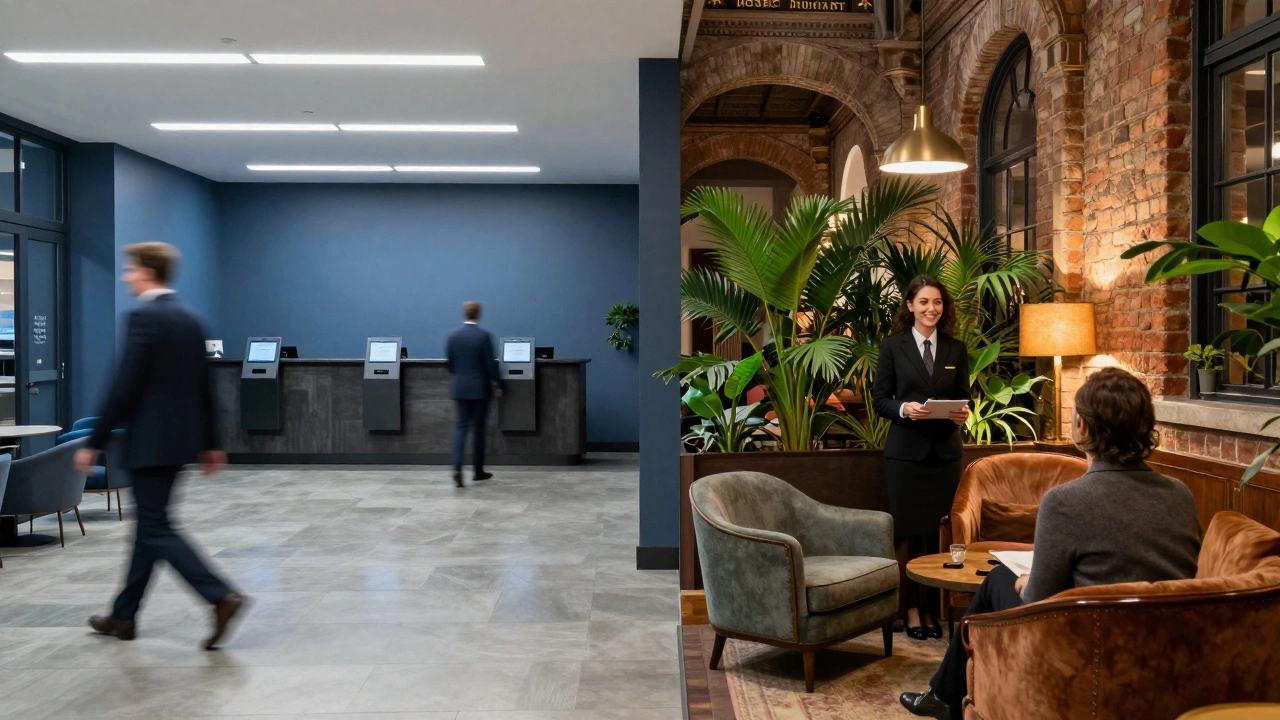
You’re planning a trip, and the booking engine throws up two options that look completely different but cost roughly the same. One is a sleek, high-rise tower with a gym on the top floor and a business center open 24/7. The other is a converted Victorian house with mismatched chairs in the lobby and a chef who knows your name by check-in. Which one do you pick?
The choice between a business hotel is a standardized accommodation focused on efficiency, connectivity, and corporate amenities for travelers and a boutique hotel is a small, independently designed property offering unique aesthetics, personalized service, and local character isn’t just about decor. It’s about what kind of experience you want to have when you close the door behind you. One promises predictability; the other promises personality.
The Core Philosophy: Efficiency vs. Experience
At their heart, these two hotel types solve different problems. A business hotel exists to make your work life as frictionless as possible. If you are flying into Chicago for three days of meetings, you don’t want surprises. You want a reliable Wi-Fi connection, a comfortable bed that helps you sleep, and a shower that works. The design is usually neutral-lots of beige, gray, and white-because it has to appeal to everyone from finance executives to sales reps.
Boutique hotels, on the other hand, exist to give you a sense of place. They are often smaller, ranging from 10 to 100 rooms, which allows them to be quirky. You might find a library instead of a business center, or a rooftop bar that overlooks the city skyline rather than a conference room. The goal here isn’t just to house you; it’s to immerse you in the local culture or a specific aesthetic theme.
| Feature | Business Hotel | Boutique Hotel |
|---|---|---|
| Size | Large (100+ rooms) | Small (under 100 rooms) |
| Design | Standardized, functional | Unique, themed, artistic |
| Amenities | Gym, pool, business center | Curated minibar, local art, lounge |
| Service Style | Efficient, transactional | Personalized, attentive |
| Price Range | Moderate to High | High to Luxury |
The Room Experience: Functionality Over Flair
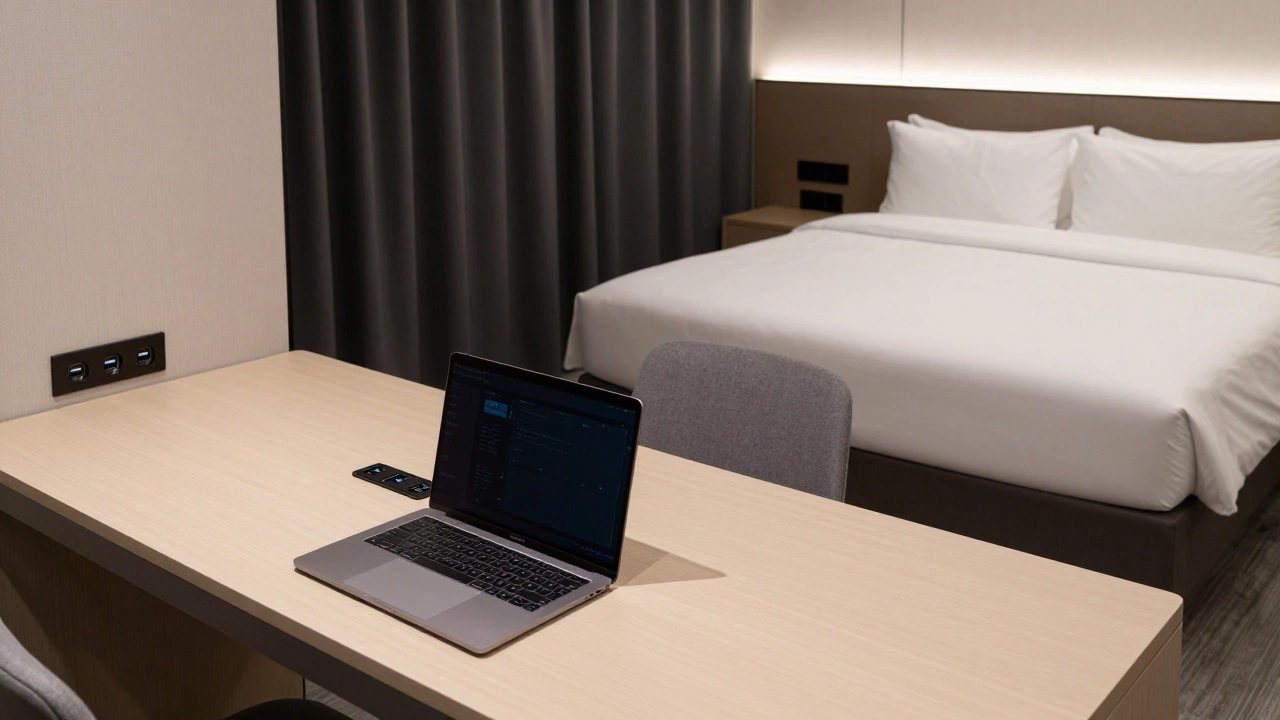
Step inside a typical business hotel room, and you’ll notice the layout is optimized for productivity. There is almost always a dedicated desk with multiple power outlets and USB ports. The lighting is bright enough to read contracts by. The TV is large, and the remote control is straightforward. Soundproofing is a major priority because business travelers need to rest after long flights or early morning calls.
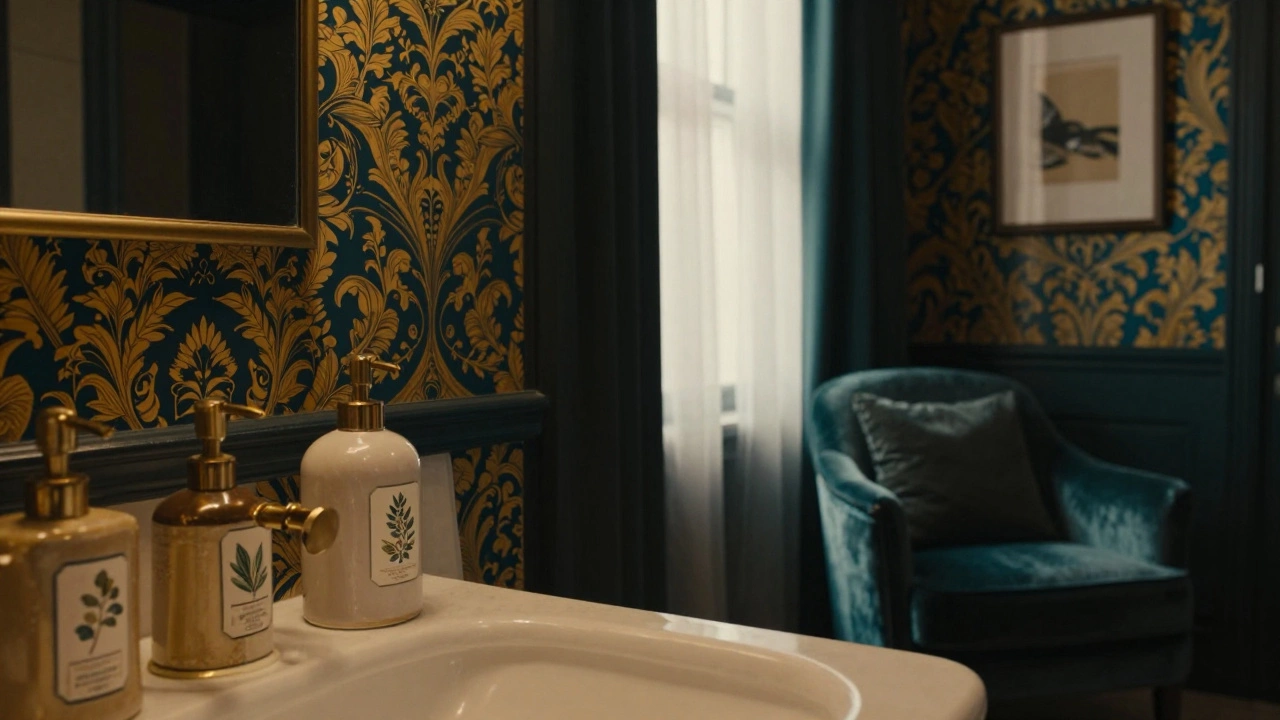
In a boutique hotel, the room might feel more like a living space than a workspace. The furniture could be vintage, the walls might feature bold wallpaper, and the lighting could be dimmer and moodier. While this creates a cozy atmosphere, it might not be ideal if you need to hop on a video call at 6 AM. You might find yourself hunting for an outlet or adjusting the blinds to block out light because the window treatments were chosen for style rather than blackout capability.
Consider the bathroom. In a business hotel, you get standard toiletries from a recognized brand. In a boutique hotel, you might find artisanal soaps made by a local maker, or even no shampoo at all if the hotel prides itself on eco-friendly practices. This attention to detail can be charming, but it requires you to pack accordingly.
Amenities: What Do You Actually Need?
This is where the divide becomes most practical. Business hotels are built around the needs of the working professional. They offer:
- Business Centers: Quiet spaces with printers, scanners, and computers.
- Fitness Centers: Often open 24/7 with basic cardio and weight equipment.
- Pools: Usually lap pools for quick swims before a meeting.
- On-Site Dining: Buffets or casual cafes that serve breakfast quickly.
- Concierge Services: Focused on booking taxis, printing tickets, and arranging transport.
Boutique hotels strip away many of these generic amenities to focus on quality over quantity. You likely won’t find a swimming pool or a massive gym. Instead, you might get:
- Curated Experiences: Partnerships with local tour guides, wine tastings, or cooking classes.
- Unique Dining: A single, high-quality restaurant featuring local cuisine rather than a buffet.
- Social Spaces: Lounges or bars designed for networking or relaxing with a craft cocktail.
- Personalized Service: Staff who remember your preferences and offer tailored recommendations.
If you are traveling for a conference and need to print documents late at night, a boutique hotel might leave you stranded. But if you are looking for a place to unwind after a day of sightseeing, the lack of a generic gym is rarely a downside.
Location and Atmosphere
Business hotels tend to cluster near airports, convention centers, and downtown financial districts. Their locations are chosen for convenience and accessibility. You can usually find them near major highways or public transit hubs. The atmosphere is bustling but impersonal. You might share the elevator with dozens of other guests heading to the same meeting hall.
Boutique hotels are often tucked away in historic neighborhoods, arts districts, or residential areas. They leverage their location to provide a glimpse into the local lifestyle. Staying in a boutique hotel in Paris might mean being steps away from a hidden courtyard cafe, while one in New York might offer a quiet retreat from the noise of Times Square. The atmosphere is intimate and community-oriented. You are more likely to meet fellow guests in the lobby or the bar, fostering a sense of connection.
Who Should Choose Which?
Choosing between these two types depends entirely on your travel goals. Here is a quick guide to help you decide:
Choose a Business Hotel if:
- You are traveling primarily for work and need reliable technology.
- You value consistency and know exactly what to expect.
- You need access to gyms, pools, or business facilities.
- You are on a budget and prefer mid-range pricing.
- You are traveling with colleagues and need group booking flexibility.
Choose a Boutique Hotel if:
- You want a unique, memorable stay that reflects the destination.
- You prioritize design, aesthetics, and personal service.
- You are traveling for leisure, romance, or a special occasion.
- You enjoy discovering local culture and hidden gems.
- You don’t mind paying a premium for exclusivity and charm.
The Blurring Lines: Hybrid Models
It’s worth noting that the line between these two categories is becoming less distinct. Many modern business hotels are adding "boutique" elements to attract younger travelers, such as stylish lobbies and locally sourced food. Conversely, some boutique hotels are recognizing the need for better Wi-Fi and workspaces to accommodate the rise of remote work. This trend, often called "bleisure" (business + leisure), means you might find a small, stylish hotel that also offers a co-working space.
When booking, look beyond the label. Read the reviews to see if the property delivers on its promise. Does the "business-friendly" boutique hotel actually have good internet? Does the "modern" business hotel feel sterile and cold? Your specific needs should drive the decision, not just the marketing description.
Are boutique hotels more expensive than business hotels?
Generally, yes. Boutique hotels often command higher prices due to their unique design, personalized service, and smaller size. However, luxury business hotels can also be very pricey. Budget-conscious travelers might find mid-range business hotels offer better value for money if they prioritize amenities like free breakfast and Wi-Fi.
Can I use a business hotel for a romantic getaway?
You can, but it might lack the ambiance. Business hotels are designed for functionality, not romance. While they are clean and comfortable, they rarely offer the intimate atmosphere, unique decor, or special touches (like champagne on arrival) that define a romantic stay. A boutique hotel or a luxury resort is usually a better choice for couples.
Do boutique hotels have business centers?
Most traditional boutique hotels do not have dedicated business centers with printers and fax machines. However, many now offer high-speed Wi-Fi and may have a quiet lounge area suitable for laptop work. If you need extensive office facilities, a business hotel is the safer bet.
Which type of hotel is better for solo travelers?
It depends on your goals. Solo business travelers often prefer business hotels for their safety, consistency, and networking opportunities. Solo leisure travelers might prefer boutique hotels for the chance to interact with staff and other guests, creating a more social and engaging experience.
Are boutique hotels part of large chains?
Some are, and some aren't. Many boutique hotels are independent properties owned by individuals or small groups. However, large hotel chains like Marriott and Hilton have launched "boutique-style" brands (e.g., Moxy, Autograph Collection) to capture this market. These chain-affiliated boutiques offer some consistency but still aim for a unique local feel.