Vacation Cabin Cost Calculator
For years, people have been told that vacation cabins are the secret to a perfect getaway-quiet woods, cozy fireplaces, private hot tubs, and zero neighbors. But then you see the price tag. $800 a night? $1,200 for a weekend? Suddenly, that dream feels like a luxury you can’t afford. So the real question isn’t just vacation cabins-it’s: are they worth it?
What you actually pay for
When you book a cabin, you’re not just paying for four walls and a roof. You’re paying for the experience. That means no front desk staff, no housekeeping, no room service. You’re buying solitude, space, and control. A typical two-bedroom cabin in the mountains or near a lake might cost $600-$1,200 per night in peak season. That sounds steep until you compare it to a hotel.
Let’s say you’re a couple traveling for three nights. A mid-range hotel room might run $250 a night, totaling $750. Add breakfast, parking, Wi-Fi, and maybe a late checkout fee, and you’re at $900. Now, a cabin at $800 a night for three nights is $2,400. That’s more than double. But here’s the catch: the cabin sleeps four. If you bring a friend or two kids, you’re splitting the cost. That’s $600 per person vs. $300 per person at the hotel. Suddenly, it’s not so expensive.
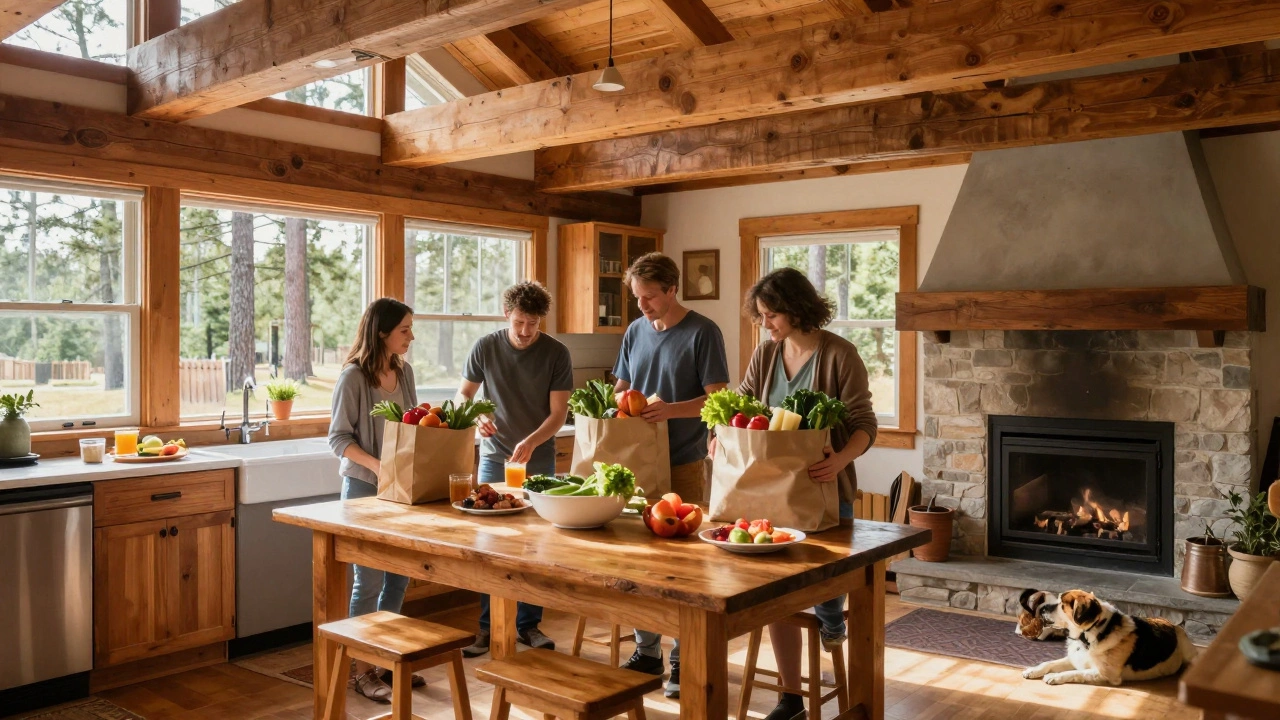
And then there’s the kitchen. Most cabins come with a full kitchen. You can buy groceries, cook meals, and save hundreds on restaurants. One couple I talked to saved $400 over three days just by making their own breakfasts and dinners. That’s like getting a free night.
Privacy vs. convenience
Hotels give you convenience. Housekeeping. Daily towel swaps. Coffee in the lobby. A concierge who knows the best local sushi spot. Cabins give you silence. No elevator music at 7 a.m. No kids screaming in the hallway. No check-in lines. You walk in, lock the door, and it’s yours until you leave.
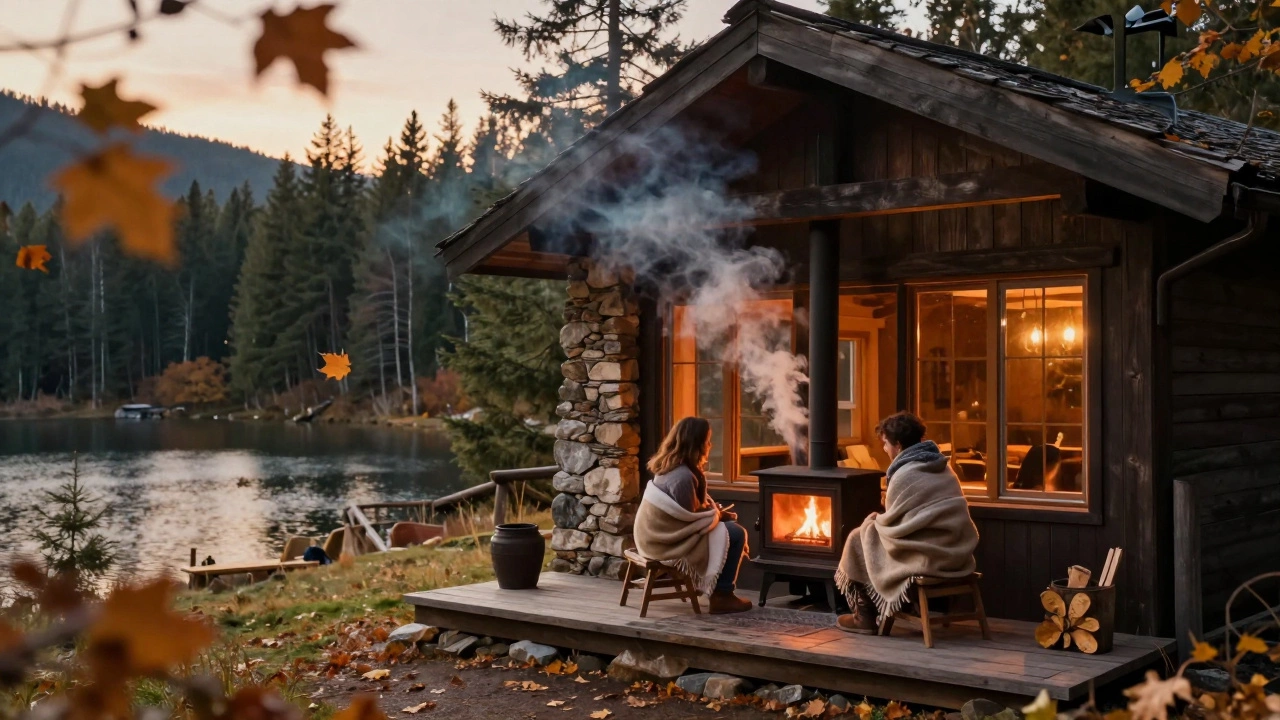
For couples, that privacy is priceless. One woman told me she and her husband hadn’t had a full weekend alone in five years. They booked a cabin with a wood stove and a view of the lake. No phones. No Wi-Fi. Just them, a book, and the sound of water. She said it was the first time they’d truly relaxed in years. That kind of reset doesn’t come cheap-but it’s not something a hotel can replicate.
On the flip side, if you’re traveling with young kids, a cabin can feel isolating. No pool. No game room. No babysitting services. If you need help, you’re calling a property manager who might be 20 minutes away. For some, that’s part of the charm. For others, it’s a stress point.
Seasonal swings and hidden fees
Not all cabins are created equal. Prices jump 200-400% during holidays, fall foliage season, or ski weekends. A cabin that costs $400 in April might hit $1,600 in December. That’s why timing matters. If you’re flexible, book midweek in shoulder seasons. A Friday-Sunday stay in October might cost half what it does in January.
And then there are the fees. Cleaning fees. Pet fees. Resort fees. Damage deposits. Some listings list the nightly rate upfront, then tack on $150-$300 in extra charges. Always read the fine print. One man booked a cabin for $500/night, only to find out he owed $400 in cleaning and service fees. That’s a $1,900 weekend, not $1,500.
Some platforms now show the total price upfront. Others don’t. Always calculate the full cost before clicking “Book.”
What you get that hotels don’t
Hotels give you consistency. A cabin gives you character. Think exposed beams, hand-hewn furniture, stone fireplaces, clawfoot tubs, and porches that wrap around the whole house. These aren’t just aesthetics-they’re part of the memory.
One couple returned to the same cabin every year for 12 years. They kept a guestbook. Each year, they wrote a note: “Our first kiss on the dock.” “The year we saw the northern lights.” “The year the power went out and we played cards by candlelight.” That’s not something a hotel room can hold.
Many cabins are built on land that’s been in the family for generations. You’re not just renting a place-you’re stepping into someone’s story. That emotional connection is real. It’s why people come back year after year, even when prices rise.
When cabins aren’t worth it
Let’s be honest: cabins aren’t for everyone. If you need daily housekeeping, you’ll hate it. If you’re expecting a spa, you’ll be disappointed. If you’re traveling with a large group and everyone expects different things-WiFi, noise, late-night parties-you’ll end up frustrated.
Also, location matters. A cabin that’s 45 minutes from the nearest grocery store isn’t a retreat-it’s a challenge. A cabin with no heat in winter? That’s dangerous. Always check for essentials: reliable heating, running water, septic system, cell service (or lack thereof), and emergency access.
And don’t assume all cabins are romantic. Some are basic, even rustic. If you’re looking for a luxury experience with marble counters and smart thermostats, you’ll need to search specifically for “luxury cabins” or “design cabins.” Those exist-but they cost more.
Who benefits the most
Who gets the most out of a cabin? Here’s who wins:
- Couples who want to reconnect without distractions
- Families who want space to spread out and cook together
- Small groups of friends who value privacy over partying
- People who love nature but don’t want to camp
- Anyone tired of hotel sameness
It’s not about being rich. It’s about being intentional. If you’re willing to trade convenience for calm, and service for solitude, a cabin can be the best money you’ve ever spent on a vacation.
How to pick the right one
Not all cabins are created equal. Here’s what to look for:
- Photos that show the whole space-not just the fireplace
- Reviews mentioning cleanliness and functionality
- Clear check-in instructions-no mystery locks or long drives
- Essentials listed: towels, kitchen supplies, Wi-Fi, heating
- Location map-is it really secluded, or just off a busy road?
Book through platforms that offer verified reviews and 24/7 support. Avoid listings with no photos of the kitchen or bathroom. If the owner won’t answer questions before booking, walk away.
Final verdict
Are vacation cabins worth it? Yes-if you know what you’re signing up for. They’re not a hotel replacement. They’re a different kind of escape. You pay more for less service, but you get more peace, more space, and more memories. For couples looking to rediscover each other, for families craving quiet time, for anyone who wants to unplug without roughing it-cabins deliver. Just make sure you’re booking the right one for your needs. Don’t fall for the dream if it doesn’t match your reality.
Are vacation cabins cheaper than hotels?
It depends. For a couple, a cabin is often more expensive per night. But if you’re traveling with others, splitting the cost makes it competitive. Add in savings from cooking your own meals, and cabins can be cheaper overall. A family of four might spend $1,200 on a cabin for three nights-$300 per person-while a hotel could cost $1,500 total, or $375 per person.
What’s the best time to book a cabin?
Book during shoulder seasons-April-May or September-October. Avoid holidays, weekends in winter, and peak fall foliage. Midweek stays (Tuesday-Thursday) are often 20-40% cheaper than Friday-Sunday. Some cabins drop prices in late winter or early spring if they’re not booked.
Do all cabins have Wi-Fi and heat?
No. Many cabins are intentionally off-grid. Always check the listing for amenities. If heat is important, confirm it’s electric or propane and works in freezing temps. Wi-Fi is common now, but signal strength varies. If you need it for work, ask the host about speed and reliability.
Are pet-friendly cabins worth it?
Yes-if you have a dog or cat who’s part of the family. Many cabins welcome pets with fenced yards, dog beds, and nearby trails. But pet fees can add $50-$150 per stay. Make sure the cabin is truly pet-safe-no toxic plants, no open water hazards, and no neighbors who complain. Always clean up after your pet.
Can you have a romantic getaway in a cabin without spending a fortune?
Absolutely. Look for smaller, simpler cabins in off-season. Many cost under $200 a night outside holidays. Bring your own wine, candles, and a playlist. The romance isn’t in the price tag-it’s in the quiet, the firelight, the lack of distractions. You don’t need a hot tub to feel connected.