Cabin vs. Hotel Cost Calculator
Trip Details
There is a persistent myth that renting a cabin is always the budget-friendly alternative to staying in a traditional hotel room. You see the listing: a cozy wooden retreat with a fireplace and a view of the trees. The nightly rate looks lower than the four-star resort down the road. But then you book it, and suddenly you are paying for cleaning fees, service charges, and utility surcharges. By the time you check out, you might have spent more than if you had just booked the hotel.
The truth is not black and white. Sometimes cabins are significantly cheaper. Other times, they are a luxury purchase disguised as rustic charm. To figure out which option saves your money in 2026, we need to look past the nightly rate and examine the total cost of ownership for your vacation.
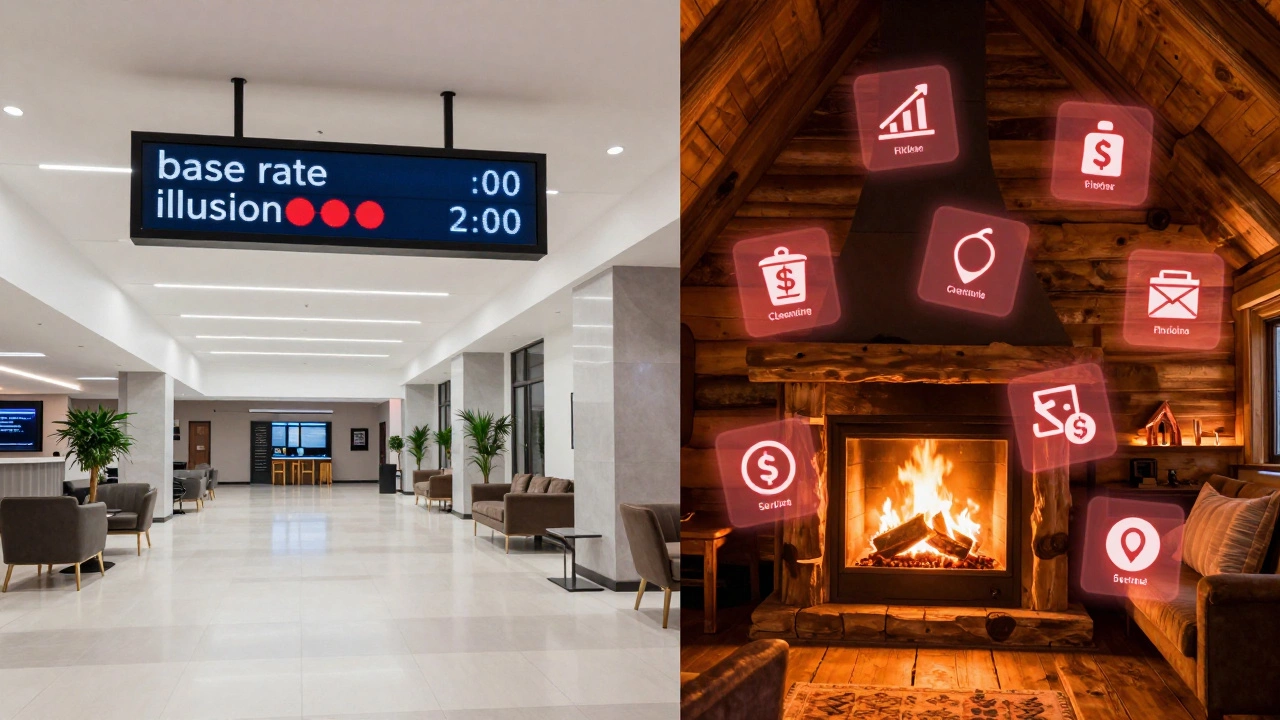
The Base Rate Illusion
When you search for accommodation on platforms like Airbnb, Vrbo, or Booking.com, the first number you see is the nightly base rate. This is where the confusion starts. Hotels usually display their final price upfront, including taxes and mandatory resort fees (though some still hide the latter until checkout). Vacation rentals, including cabins and romantic cottages designed for couples seeking privacy and intimacy, often show a low base rate to attract clicks.
Consider this scenario. You are looking at a weekend getaway in October. A standard double room at a mid-range chain hotel lists for $150 per night. A nearby cabin lists for $120 per night. On paper, the cabin wins by $30. However, vacation rentals operate on a different fee structure. The platform may add a service fee of 14% to the guest. Then, the host adds a cleaning fee, which can range from $50 to $200 depending on the size of the property. Finally, there are local occupancy taxes.
If you stay for three nights, the hotel costs $450 plus tax. The cabin costs $360 for the room, plus $60 in service fees, $100 in cleaning fees, and tax. Suddenly, the cabin is $70 more expensive. For short stays of one or two nights, the fixed costs of cleaning and service fees make cabins almost always more expensive than hotels. The math only flips in your favor when you extend your stay long enough to dilute those fixed costs across more nights.
Hidden Costs That Drain Your Wallet
Beyond the initial booking screen, both hotels and cabins have hidden costs. Knowing these helps you calculate the real price tag.
- Resort Fees: Many hotels, especially in tourist destinations, charge daily "resort fees" that cover Wi-Fi, gym access, and pool maintenance. These can add $25 to $50 per night. Cabins rarely have resort fees, but they may have "maintenance fees" or "pet fees" that are non-negotiable.
- Cleaning Fees: This is the biggest differentiator. In 2026, average cleaning fees for entire homes or cabins have risen due to labor costs. A small cabin might charge $80, while a large luxury cottage can charge $300. Hotels include housekeeping in the rate; you just pay for the room.
- Security Deposits: Some high-end cabins require a refundable security deposit held on your card. While you get this back, it ties up cash flow. Hotels generally do not hold deposits unless you have a history of damages.
- Utilities and Internet: Most hotels include high-speed Wi-Fi. Some remote cabins charge extra for premium internet packages or even basic connectivity. Additionally, if a cabin is off-grid, you might be charged for propane usage if you burn more than a set amount during cold weather.
Where Cabins Save You Money
If cabins often cost more per night, why do people choose them? The savings usually come from what happens *inside* the accommodation, not the price of the bed itself. The primary financial advantage of a cabin is the kitchen.
In a hotel, breakfast is an extra $15 to $25 per person. Lunch and dinner at nearby restaurants or room service add up quickly. If you are traveling with a partner or family, dining out for every meal can easily exceed $100 a day. A cabin comes with a full kitchen. You can buy groceries locally, cook your own meals, and save hundreds of dollars over a week-long trip.
For example, a couple staying for seven nights might spend $700 on hotel food and drinks. In a cabin, they might spend $200 on groceries. That’s a $500 saving, which easily offsets any higher nightly rate or cleaning fees. This makes cabins the clear winner for stays longer than five nights, or for travelers who enjoy cooking.
Another area of savings is space efficiency. If you are traveling with two couples or a family, booking two hotel rooms costs twice as much as booking one large cabin with multiple bedrooms. You also avoid the cost of separate mini-fridges and microwaves that hotels sometimes charge for.

When Hotels Are the Budget Winner
Hotels remain the most cost-effective option for specific types of travelers. If you are solo, traveling as a couple without kids, or staying for less than three nights, the hotel is likely cheaper. The convenience factor also has monetary value. Free parking is common at many suburban hotels, whereas some cabin locations charge for parking or require a vehicle capable of handling rough roads (which might mean renting a larger, more expensive car).
Furthermore, hotels offer loyalty programs. If you frequently travel with chains like Marriott, Hilton, or IHG, you can earn points that lead to free nights, upgrades, or late checkouts. These perks have tangible monetary value that vacation rental platforms do not match. In 2026, major hotel groups have tightened their partnerships with credit card companies, making it easier to offset costs through rewards points.
Hotels also provide on-site amenities without extra charge. If you use the gym, pool, or business center, you are getting services that would cost extra elsewhere. In a cabin, you might pay for firewood, charcoal for the grill, or even linens if the host offers a "barefoot" discount (which is rare).
| Cost Factor | Mid-Range Hotel | Rustic Cabin |
|---|---|---|
| Nightly Rate (x3) | $450 | $390 |
| Service/Cleaning Fees | $0 | $120 |
| Taxes & Resort Fees | $90 | $60 |
| Estimated Food Cost | $210 | $80 |
| Total Estimated Cost | $750 | $650 |
As the table shows, for a three-night stay, the cabin becomes competitive only because of the significant savings on food. If you did not cook and ate out instead, the cabin would cost $800, making the hotel the cheaper choice by $50.
The Value of Privacy and Experience
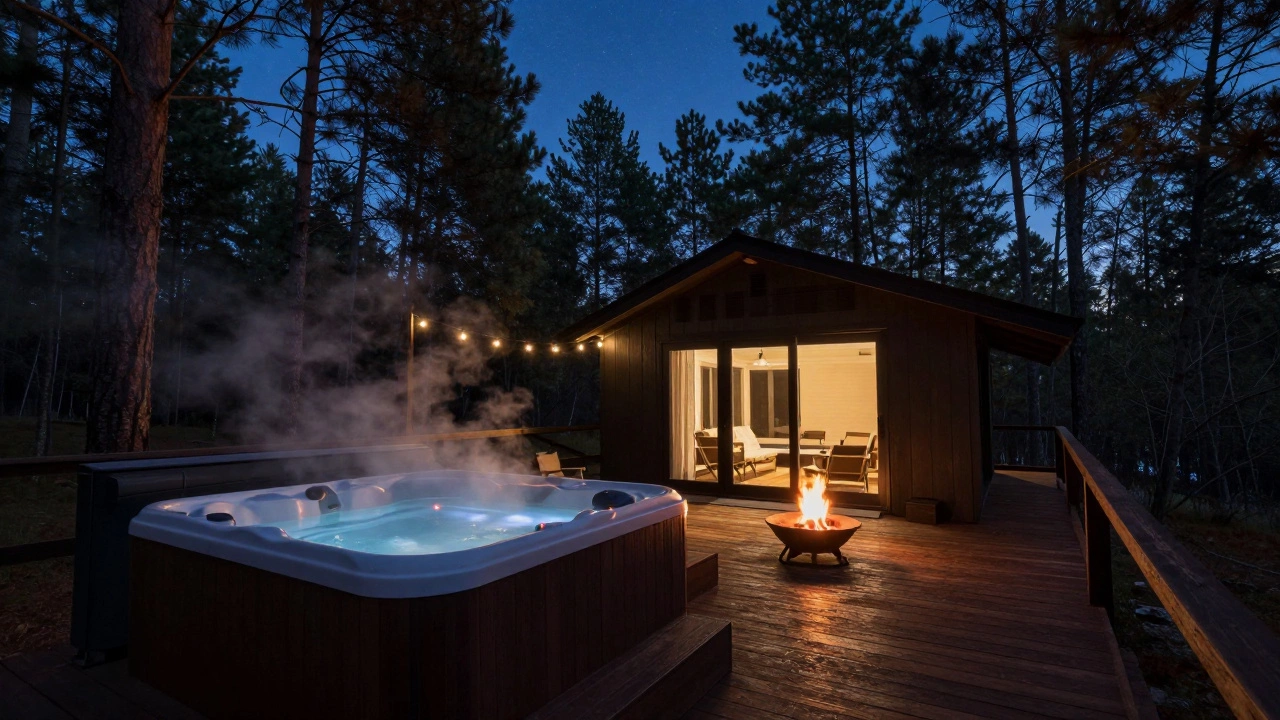
Money is not the only metric. When evaluating romantic cottages ideal for honeymoons and anniversaries, you must consider the intangible value. A hotel room is a standardized product. You know exactly what you are getting: a bed, a bathroom, and a view of the parking lot or city street. A cabin offers exclusivity. You have the entire property to yourself. There are no neighbors knocking on your door, no loud parties in the hallway, and no early morning housekeeping.
This privacy has a premium attached to it. If your goal is relaxation, romance, or disconnecting from technology, the cabin provides an experience that a hotel cannot replicate, regardless of price. The ability to sit on a private deck, watch the stars, and hear nothing but nature is worth the extra cost for many travelers. Conversely, if you want nightlife, concierge services, and immediate access to restaurants, the hotel location is superior.
How to Get the Best Deal in 2026
To ensure you are getting the best value, whether you choose a cabin or a hotel, follow these strategies.
- Calculate the Total Price: Never judge a cabin by its nightly rate. Add up the cleaning fee, service fee, and taxes before comparing it to a hotel. Use filters on booking sites to show "total price" rather than "nightly rate."">
- Book Directly: For cabins, try to find the owner’s direct website. Booking through Airbnb or Vrbo incurs platform fees that go to the company, not the host. Owners often waive cleaning fees or offer discounts for direct bookings. For hotels, check their official site for member rates.
- Extend Your Stay: If you love the idea of a cabin, plan for at least four to five nights. This dilutes the fixed cleaning and service fees, making the per-night cost closer to that of a hotel.
- Travel Off-Season: Cabin prices fluctuate wildly based on seasonality. A ski cabin in July or a beach cabin in November can be half the price of peak season. Hotels also drop prices, but the variance is often less dramatic.
- Negotiate: It is harder to negotiate with a hotel chain, but cabin owners are individuals. If you find a last-minute cancellation or a long-term stay opportunity, ask if they can reduce the cleaning fee. They might say yes to fill the calendar.
Conclusion: Which Should You Choose?
Are cabins cheaper than hotels? It depends entirely on your duration and lifestyle. For short trips under three nights, hotels are almost always cheaper and more convenient. The lack of cleaning fees and hidden costs makes the math simple. For longer stays, especially those involving families or groups, cabins offer better value through kitchen facilities and shared living spaces. The ability to cook your own meals turns the cabin from a potential expense into a money-saving machine.
If you are planning a romantic getaway, prioritize the experience. A luxury cottage featuring hot tubs and scenic views may cost more, but the privacy and ambiance justify the price for special occasions. For business travel or quick weekends, stick to the hotel. Always do the total cost calculation before you click "book."
Are cabins more expensive than hotels for a weekend trip?
Yes, typically. For a two-night stay, the added cleaning fees and service charges on vacation rentals often make cabins more expensive than comparable hotels. Hotels include these services in the nightly rate, while cabins charge them separately.
What is the average cleaning fee for a cabin in 2026?
Cleaning fees vary by location and size, but the national average ranges from $80 to $150 for a standard cabin. Larger properties or those with extensive amenities can charge upwards of $250.
Do cabins charge resort fees like hotels?
Most cabins do not charge daily resort fees. However, some may have one-time maintenance fees, pet fees, or charges for extras like firewood, propane, or premium Wi-Fi packages.
Is it cheaper to eat out or cook in a cabin?
Cooking in a cabin is significantly cheaper. For a couple, dining out for three meals a day can cost $100-$150 per day. Grocery shopping for the same period might cost $30-$50 per day, resulting in substantial savings over a multi-day trip.
Can I negotiate the price of a cabin rental?
Yes, especially if you book directly with the owner. While nightly rates are often fixed, hosts may be willing to waive cleaning fees for long stays or last-minute bookings to ensure the property is occupied.
Why are romantic cottages so popular for couples?
Romantic cottages offer complete privacy, unique amenities like hot tubs and fireplaces, and a secluded atmosphere that hotels cannot match. They are designed specifically for intimacy and relaxation, making them ideal for honeymoons and anniversaries.