
All-Inclusive Drink Cost Calculator
See how much you could save with an all-inclusive package versus paying per drink. Note: Actual resort policies vary by location and package type.
Enter your vacation details to see savings.
Important Notes
This calculator uses average resort drink prices. Real costs vary based on location and package type. Premium drinks (scotch, champagne) often cost extra even in all-inclusive packages. Check your resort's specific terms before booking.
When you book an all-inclusive hotel, you’re promised freedom-no worrying about bills at dinner, no surprise charges for cocktails, no counting coins for snacks. But here’s the real question: does all-inclusive really mean you can eat and drink as much as you want, whenever you want? The answer isn’t as simple as yes or no. It depends on the resort, the region, and even the time of year.
What ‘All-Inclusive’ Actually Covers
At its core, an all-inclusive package means your room, meals, and basic drinks are included in the price. But that’s where the similarities end. Some resorts treat it like a buffet with unlimited access-think round-the-clock snacks, open bars, and multiple restaurants. Others? They cap it. You get three meals a day, one or two drink vouchers per sitting, and maybe a limited selection of alcoholic options.
Take a resort in Mexico’s Riviera Maya versus one in the Caribbean. The Mexican resorts often include premium liquors, international cuisine, and 24/7 room service. Meanwhile, a resort in Jamaica might offer local rum and beer, with a separate fee for imported wine or specialty cocktails. The difference isn’t just branding-it’s cost structure. Resorts that charge more upfront tend to deliver more.
The Drink Limit Myth
Many guests assume ‘all you can drink’ means unlimited alcohol, anytime. But most places have rules. Even if the sign says ‘unlimited beverages,’ it usually means unlimited during meal hours, or while you’re seated at a bar. You won’t find staff pouring you five mojitos at 3 a.m. just because you asked.
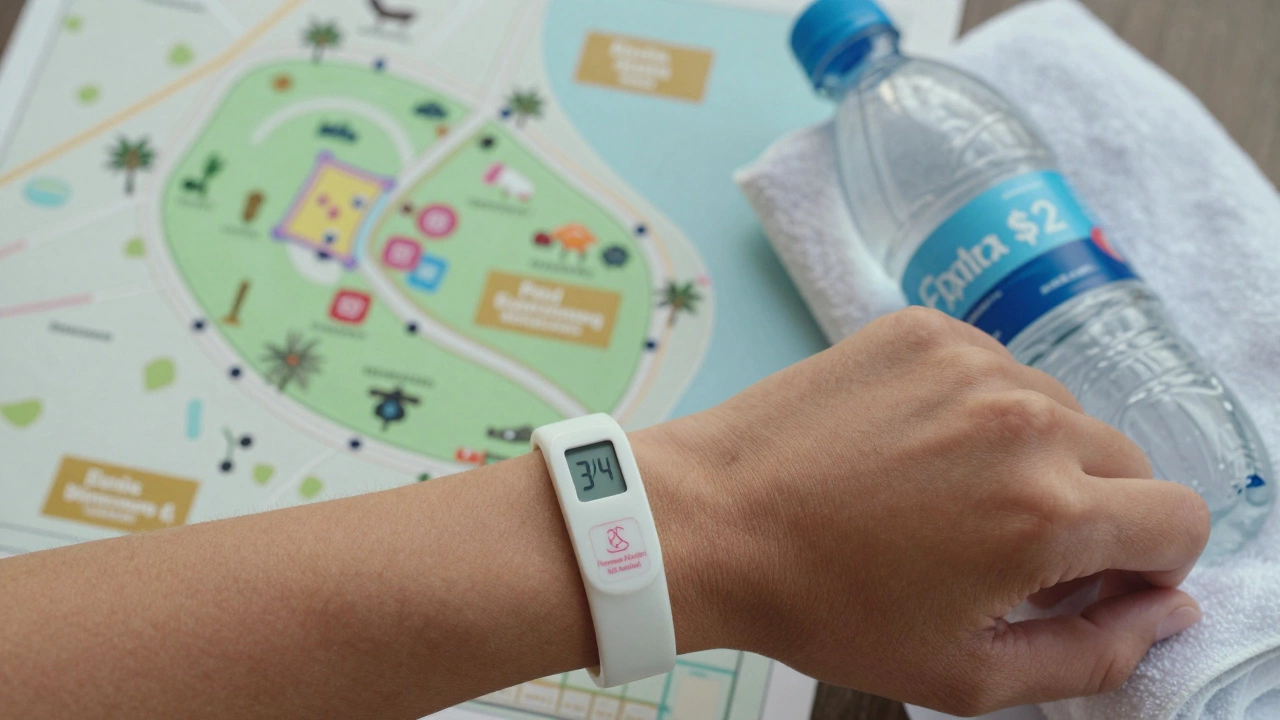
Some resorts use a drink ticket system. You get four per day. Others track consumption via wristbands or digital logs. If you order a premium scotch at the beach bar, it might count as two drinks. A soda? One. A bottle of water? Free. A specialty coffee? Sometimes extra.
There’s also the unspoken rule: if you’re clearly drunk, they’ll stop serving you. It’s not about being stingy-it’s about liability. Resorts in the U.S., Canada, and Europe follow strict alcohol service laws. Even in the Caribbean, staff are trained to avoid over-serving. You can drink freely, but not recklessly.
Food: Buffet or à la carte?
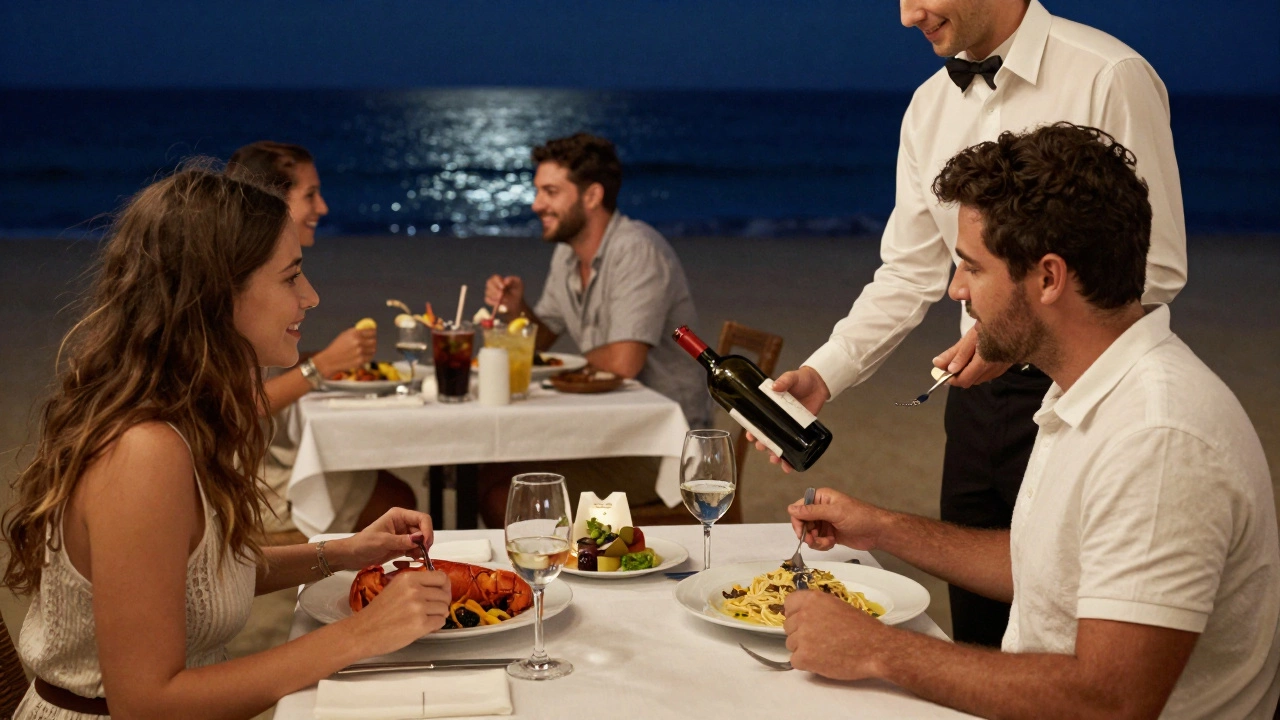
Food is where the real variety shows up. Most all-inclusive resorts offer at least one big buffet for breakfast, lunch, and dinner. That’s usually the baseline. But the good ones? They include multiple themed nights-Italian, seafood, Mexican-and at least one à la carte restaurant with no extra charge.
Some resorts limit you to one visit per night to the specialty restaurants. Others let you dine there every night, but require reservations. And don’t assume everything on the menu is free. A lobster tail? Maybe an upgrade. Truffle pasta? Extra. Sushi? Sometimes included, sometimes not.
Snacks are another gray area. Poolside chips and fruit? Usually free. Midnight room service? Often limited to a small menu. Ice cream from the machine? Sometimes yes, sometimes you need a token. The trick? Ask at check-in. Get a printed guide. Most resorts hand them out.
What’s Usually Not Included
Even the best all-inclusive deals have limits. Here’s what you’ll likely pay for:
- Off-property excursions-snorkeling trips, zip-lining, city tours
- Spa services-massages, facials, saunas
- Specialty coffee drinks-espresso, cappuccino, cold brew
- Premium alcohol-top-shelf whiskey, champagne, imported wine
- Room service beyond basic items-late-night pizza, steak, dessert platters
- Laundry or dry cleaning
- Wi-Fi upgrades-basic internet is often free, but high-speed or streaming may cost extra
Some resorts now charge for bottled water, even if it’s just a small 500ml bottle. Others include it. It’s not a scam-it’s a cost-control move. Bottled water adds up fast when 1,000 guests drink it daily.
How to Know What You’re Really Getting
Don’t rely on the word ‘all-inclusive’ alone. Look for specifics:
- Check the resort’s official website. Look for a ‘Dining & Beverages’ section.
- Read recent guest reviews-especially from people who stayed for a week or more.
- Look for mentions of ‘unlimited drinks’ or ‘no restrictions’-those are red flags if they’re not backed up by details.
- Call the resort directly. Ask: ‘Are premium liquors included? Can I eat at all restaurants without a reservation?’
- Use booking sites like Booking.com or Expedia-they often list inclusions under ‘What’s Included’.
One traveler from Auckland booked a ‘luxury all-inclusive’ in Punta Cana and was shocked when her $12 cocktail at the piano bar cost $15 extra. She’d assumed ‘all-inclusive’ meant everything. The website never mentioned the exclusions. She didn’t complain-she just learned.
Who Really Benefits From All-Inclusive?
It’s not for everyone. If you’re the kind of person who likes to explore local restaurants, sip craft beer at neighborhood pubs, or try street food at night markets, all-inclusive might feel like a prison. You’re paying for convenience, not adventure.
But if you’re traveling with kids, want zero budget stress, or just want to relax without checking prices every time you order a drink, it’s perfect. Families love it. Couples on honeymoons? Often too. Seniors who don’t want to navigate unfamiliar towns? Big win.
The real value? Time. No haggling. No surprise bills. No stress. That’s worth something.
What to Do If You’re Not Happy
If you arrive and realize your ‘all-inclusive’ isn’t what you expected, don’t just complain. Ask for help. Most resorts have guest relations teams. They can often upgrade your drink access, give you extra meal vouchers, or even offer a partial refund if the package was misrepresented.
Some resorts even offer ‘drink packages’ you can buy on-site-$30 for 10 premium cocktails, for example. It’s cheaper than paying individually. And if you’re staying five nights? It pays for itself.
Bottom line: know what you’re paying for before you book. Don’t assume. Ask. Read. Confirm. Then enjoy.
Does all-inclusive really mean unlimited food and drinks?
Not always. Most all-inclusive resorts include meals and basic drinks, but often limit premium alcohol, specialty coffee, and off-site dining. Some have daily drink vouchers or restrict access to certain restaurants. Always check the fine print before booking.
Are cocktails included in all-inclusive packages?
Basic cocktails made with house spirits are usually included. Premium cocktails with top-shelf liquor, imported rum, or specialty ingredients often cost extra. Ask if your resort uses ‘house brands’ or if premium drinks are charged separately.
Can I eat at every restaurant at an all-inclusive resort?
It depends. Most resorts include one or two à la carte restaurants with no extra fee, but may limit you to one visit per night. Others require reservations or charge for certain cuisines like sushi or steak. Always ask about restaurant access when you check in.
Is bottled water included in all-inclusive deals?
Sometimes. Many resorts now charge for bottled water to cut costs, even if they offer free tap water. Look for signs saying ‘complimentary water’ or ask at the front desk. Carrying a reusable bottle is a smart move.
What’s the difference between all-inclusive and ultra-all-inclusive?
Ultra-all-inclusive usually means premium alcohol, 24/7 room service, gourmet dining with no reservations, and sometimes even in-room minibars stocked for free. These are higher-end resorts and cost more upfront-but they deliver more freedom. Check the details carefully-some brands use the term loosely.