Cabin vs Cottage Selector
Select what matters most to you for your next getaway to determine which accommodation type is right for you.
Your Travel Preferences
What You're Looking For
When you’re planning a quiet getaway-maybe a weekend alone, a romantic escape, or just some time away from screens and noise-you’ve probably seen listings for both camp cabins and cottages. They sound similar. Maybe even interchangeable. But they’re not. And knowing the difference can make or break your trip.
What Is a Camp Cabin?
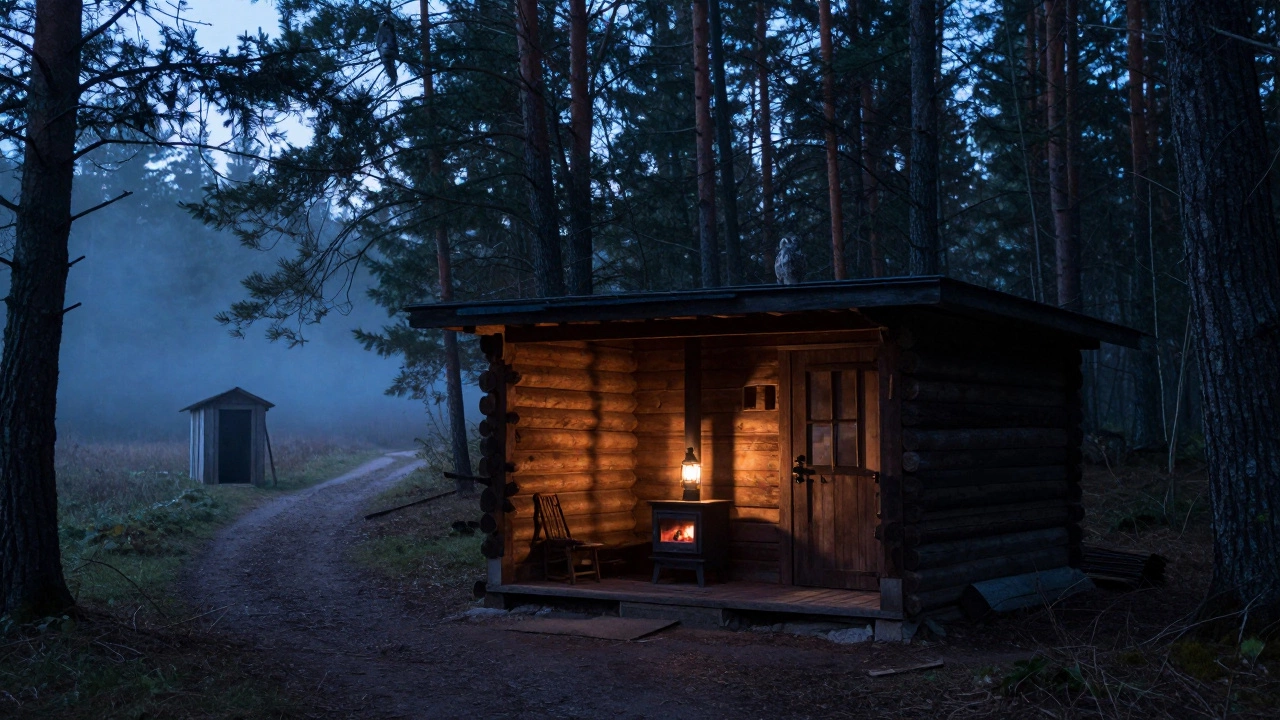
A camp cabin is built for simplicity. Think logs, rough-hewn wood, maybe a wood stove, and a single room with a small sleeping area. Many don’t have running water inside. You might walk 50 feet to the bathroom. The electricity? Limited. Maybe just a few outlets and a lantern. The point isn’t luxury-it’s immersion.
Camp cabins are often found in state parks, forest service sites, or remote wilderness areas. They’re meant to be used for short stays: a night or two. You bring your own food. You cook over a fire or a portable stove. You sleep under thick blankets because the insulation isn’t great. You hear the wind, the owls, maybe a raccoon rummaging outside.
These aren’t designed for comfort. They’re designed for connection-to nature, to silence, to yourself. That’s why they’re popular with solo travelers, hikers, and people who want to unplug hard. Some modern camp cabins have added a shower or a small fridge, but they still keep the raw, no-frills feel.
What Is a Cottage?
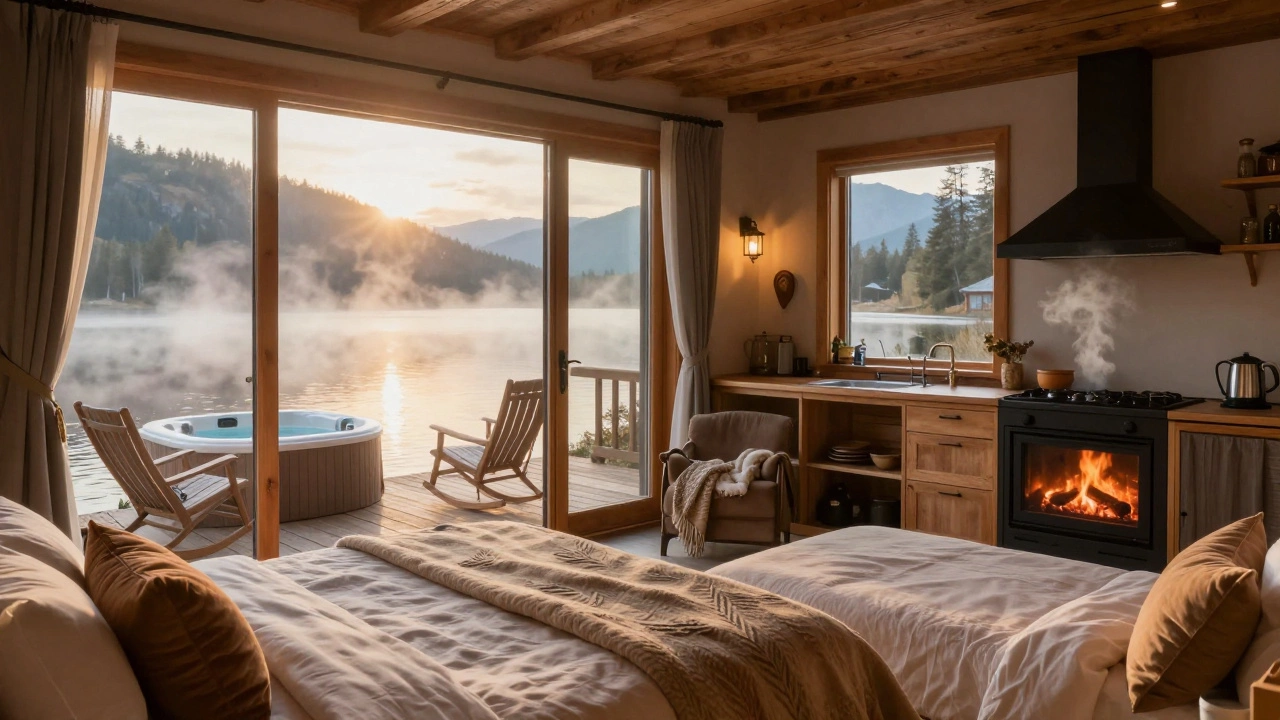
A cottage is different. It’s cozy, but it’s also complete. You walk in, and there’s a full kitchen with a stove, sink, and fridge. The bathroom has hot running water, a shower, and toilet-inside. The bedroom has a real bed with proper linens. There’s heating, lighting, maybe even Wi-Fi. Some have fireplaces, outdoor decks, and screened-in porches.
Cottages are usually privately owned, often rented out for longer stays-three nights, a week, even a month. They’re common in rural areas, near lakes, forests, or coastal towns. Unlike cabins, they’re built to be lived in, not just slept in.
Many adult-only cottages now come with extras: wine chillers, bathrobes, outdoor hot tubs, and curated welcome baskets. You don’t just stay here-you relax here. You read by candlelight. You make coffee slowly. You nap on the porch swing. It’s not about roughing it. It’s about slowing down.
Key Differences at a Glance
| Feature | Camp Cabin | Cottage |
|---|---|---|
| Indoor Plumbing | Usually not available | Yes-shower, toilet, sink |
| Kitchen Facilities | None or basic portable stove | Full kitchen with fridge, stove, dishes |
| Heating & Cooling | Wood stove or space heater | Central heating, sometimes AC |
| Electricity | Basic, often solar or generator | Full grid power |
| Bedding | Mattress on frame, basic linens | Real bed, quality sheets, pillows |
| Typical Stay Length | 1-3 nights | 2-7+ nights |
| Best For | Adventure seekers, hikers, digital detox | Relaxation, romance, slow living |
Why the Confusion?
Many rental platforms use the words "cabin" and "cottage" loosely. A place with running water and a microwave might still be called a "rustic cabin" just to sound charming. That’s misleading. Real camp cabins don’t have dishwashers. Real cottages don’t make you hike to a port-a-potty.
If you’re looking for peace, check the details. Does it say "no indoor plumbing"? That’s a cabin. Does it mention "full kitchen" and "private bathroom"? That’s a cottage. Don’t rely on the photo-read the description.
Who Should Choose What?
If you’re the kind of person who brings a book, a thermos, and a sleeping bag to a trailhead-you’ll love a camp cabin. You’ll enjoy the challenge. The cold mornings. The stars so bright they feel close enough to touch.
If you want to wake up to coffee brewing, take a long shower, and read in a recliner with a blanket draped over your lap-you need a cottage. Especially if it’s adult-only. No kids. No noise. Just quiet, warm, and thoughtful.
There’s no right or wrong choice. But if you book a cottage expecting to wash dishes in a bucket, you’ll be disappointed. If you show up to a cabin with your silk pajamas and expect a hairdryer, you’ll be frustrated.
Real-World Examples
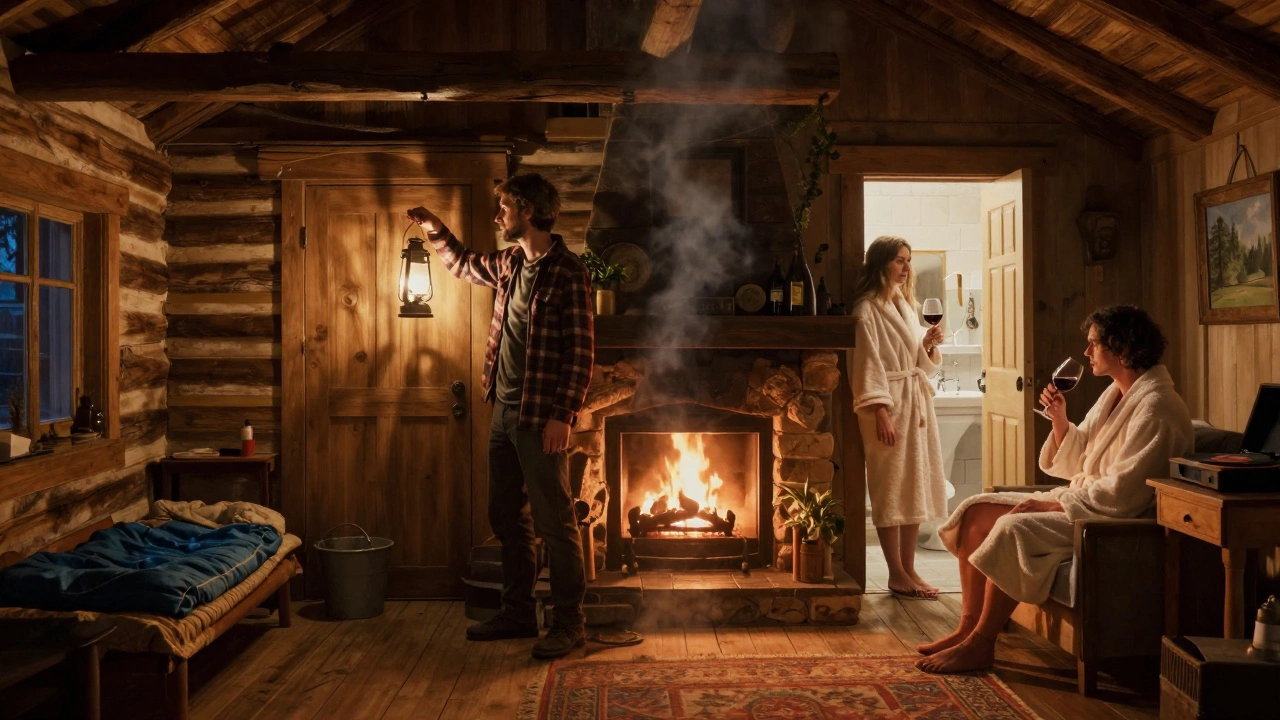
In New Zealand, near Lake Tekapo, you’ll find cabins with no electricity-just solar lights and wood-burning stoves. People come here to stargaze. In the South Island, near Queenstown, you’ll find cottages with saunas, espresso machines, and private hot tubs overlooking the mountains. One has a record player and a collection of vinyl from the 1970s.
The difference isn’t just in the walls. It’s in the rhythm of the stay. One is about endurance. The other is about ease.
Final Thought
When you’re choosing between a camp cabin and a cottage, ask yourself: Do I want to survive the outdoors-or do I want to savor them?
One gives you raw nature. The other gives you nature, wrapped in comfort.
Can a camp cabin have running water?
Rarely. Traditional camp cabins are designed for minimal impact and low maintenance. Most don’t have indoor plumbing. Some newer, upgraded versions-called "glamping cabins"-might include a shower, but these are exceptions. If running water is listed as a feature, it’s likely not a true camp cabin-it’s a cottage in disguise.
Are cottages always more expensive than cabins?
Not always, but usually. Cottages cost more because they have more amenities: heating, plumbing, full kitchens, better insulation. A basic cabin might rent for $80 a night. A well-equipped adult-only cottage could be $250 or more. But price varies by location, season, and how luxurious the cottage is. Some remote cabins in national parks are cheaper because they’re harder to access.
Can I bring kids to a cottage?
It depends on the listing. Many cottages are labeled "adult-only" to keep the atmosphere calm and quiet-especially those with hot tubs, fireplaces, or wine bars. Others are family-friendly. Always check the house rules. If it doesn’t say "adults only," assume kids are allowed. But if it does, respect that boundary-it’s part of the experience.
Is a cabin better for a solo trip?
Yes, if you want solitude and simplicity. Camp cabins are often isolated, with no neighbors nearby. You’re not just alone-you’re alone with nature. There’s no TV, no distractions. It’s the perfect setup for journaling, reading, or just sitting quietly. Cottages can be peaceful too, but they’re often designed for couples or small groups, with more comfort than solitude in mind.
What’s the best time of year to stay in a cabin or cottage?
For cabins, late spring and early fall are ideal-cool enough for a wood stove, but not freezing. Winter stays require serious preparation. For cottages, any season works. Summer is busy. Winter is quiet and cozy, especially if the cottage has a fireplace. Many adult-only cottages offer special winter packages with hot cocoa, blankets, and candlelight dinners.