Cowboy Camping Gear Estimator
Select the essential gear items you plan to bring for your trip under the stars. This tool helps you track your pack weight and estimated costs.
Current Loadout
Assessment
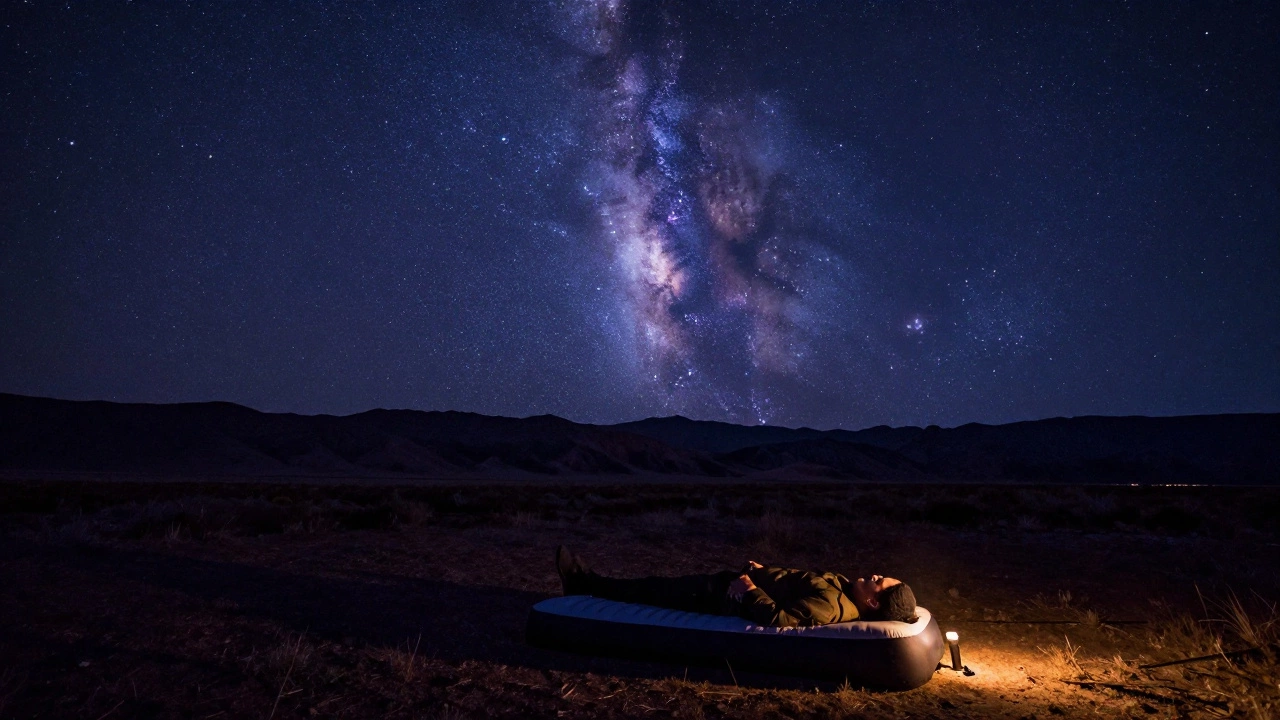
Imagine stepping out of your car in the middle of nowhere, folding up your sleeping bag, and watching the stars roll across a sky so dark it feels like velvet. There are no tents to pitch, no complex knots to tie, and absolutely no Wi-Fi signals to distract you. This is cowboy camping, also known as "dispersed camping" or "backcountry camping." It is the ultimate form of outdoor minimalism.
You might be wondering why anyone would choose to sleep on the hard ground under the open sky when there are cozy eco-friendly cottages and luxury hotels available. The answer lies in freedom. Cowboy camping strips away the barriers between you and nature. It allows you to access remote areas where traditional campsites don't exist. For many travelers, this isn't just about saving money; it's about reconnecting with the raw, unfiltered world around them.
The Core Philosophy: Less Gear, More Space
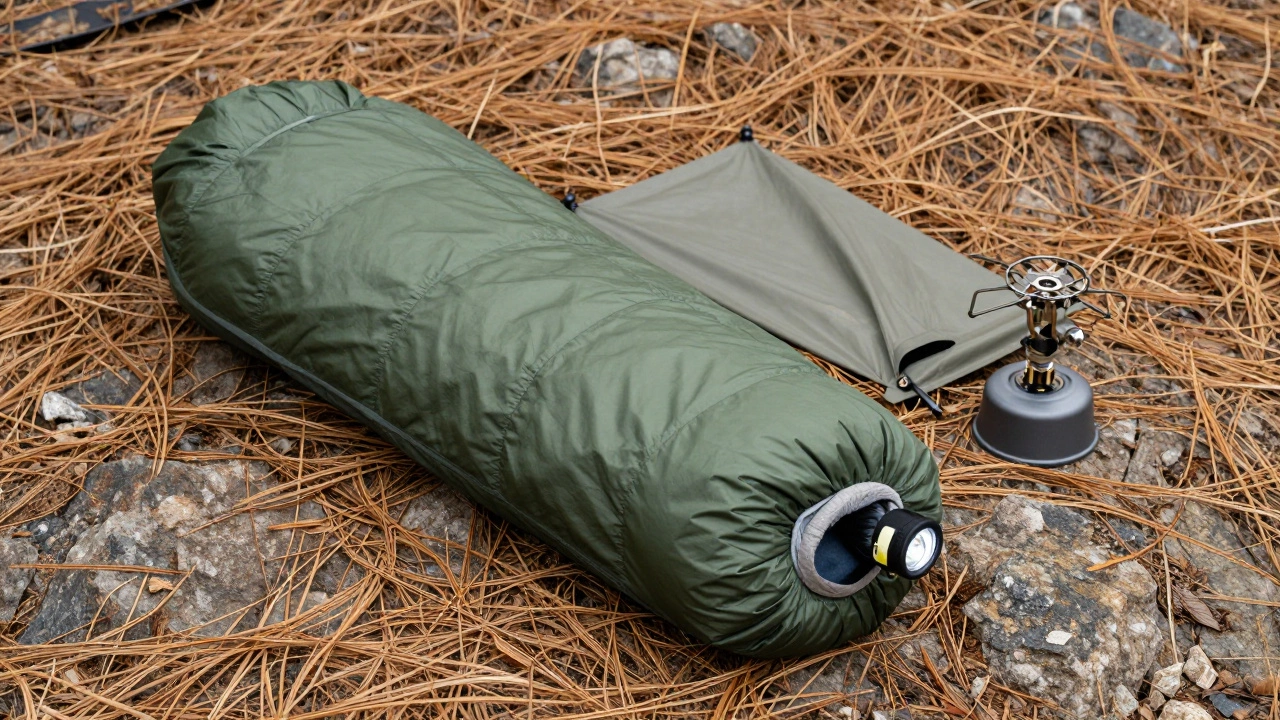
At its heart, cowboy camping is defined by what you leave behind. Traditional backpacking often involves hauling a heavy tent, poles, stakes, and rain flys that can weigh several kilograms. Cowboy camping rejects this bulk. Instead, you rely on a simple setup: a high-quality sleeping pad, a warm sleeping bag, and perhaps a lightweight tarp for protection against dew or light rain.
This approach changes how you interact with your environment. Without a tent wall separating you from the surroundings, you hear the wind differently. You feel the temperature shifts in the air. You become more aware of your place in the ecosystem. However, this awareness comes with responsibility. Because you are often camping in undeveloped areas, you must follow strict Leave No Trace principles to ensure these places remain pristine for others.
Essential Gear for the Minimalist Camper
While the philosophy is simple, the execution requires smart choices. You cannot compromise on comfort or safety just because you aren't using a tent. Here is what you actually need to survive-and enjoy-a night under the stars.
- Sleeping Pad: This is non-negotiable. Ground insulation is critical. Even in summer, the earth sucks heat from your body. Look for an inflatable pad with an R-value (thermal resistance) of at least 3.0 for three-season use. Brands like Therm-a-Rest or Nemo make pads that compress small but provide excellent warmth.
- Sleeping Bag: Choose a bag rated for temperatures lower than you expect. Since you lack the microclimate inside a tent, you will feel colder. A mummy-style bag offers the best warmth-to-weight ratio. Down insulation is lighter and packs smaller, but synthetic fills perform better if it gets damp.
- Tarp or Bivy Sack: A tarp is your insurance policy. It protects you from morning dew, unexpected rain, or falling branches. A simple 10x10 foot ripstop nylon tarp weighs less than a pound and can be rigged between trees or supported by trekking poles. Alternatively, a bivy sack acts like a waterproof shell for your sleeping bag.
- Headlamp: With no tent interior to create a safe space for fumbling with lights, a reliable headlamp with red-light mode (to preserve night vision) is essential for nighttime bathroom trips or cooking.
- Cooking System: Keep it simple. A single-burner stove, fuel canister, and one pot are usually enough. Remember, fire restrictions are common in dry areas, so a stove is often safer and more environmentally friendly than an open campfire.
Finding Your Spot: Legalities and Location
One of the biggest misconceptions about cowboy camping is that you can sleep anywhere. In reality, land management rules vary significantly depending on where you are. Understanding these regulations is crucial to avoid fines and respect private property.
| Land Type | Typical Rules | Best For |
|---|---|---|
| Public Forests / National Forests (US) | Often allowed dispersed camping 100+ feet from water/trails. Free. | Long-term stays, solitude seekers |
| National Parks (US) | Usually restricted to designated sites only. Permits required. | Short visits, guided tours |
| Bureau of Land Management (BLM) | Very liberal policies. 14-day stay limits common. | Van life, extended road trips |
| Private Land | Requires explicit permission from owner. | Specific scenic spots, farm stays |
| Conservation Areas / DOC (NZ) | Strict hut/walkway permits. Wild camping often prohibited outside huts. | Backcountry hiking with bookings |
In New Zealand, for example, the Department of Conservation (DOC) manages most public lands. While wild camping is technically allowed in some areas, it is heavily regulated to protect native flora and fauna. Many popular tracks require booking huts or campsites well in advance. Always check local guidelines before heading out. In the United States, Bureau of Land Management (BLM) lands offer some of the most generous opportunities for free, dispersed camping.
Safety First: Sleeping Under the Open Sky
Without the physical barrier of a tent, you are more exposed to elements and wildlife. Preparation is your best defense. Check weather forecasts meticulously. High winds or thunderstorms can turn a peaceful night into a dangerous situation quickly. If severe weather is predicted, have a backup plan-perhaps a nearby town or a developed campground.
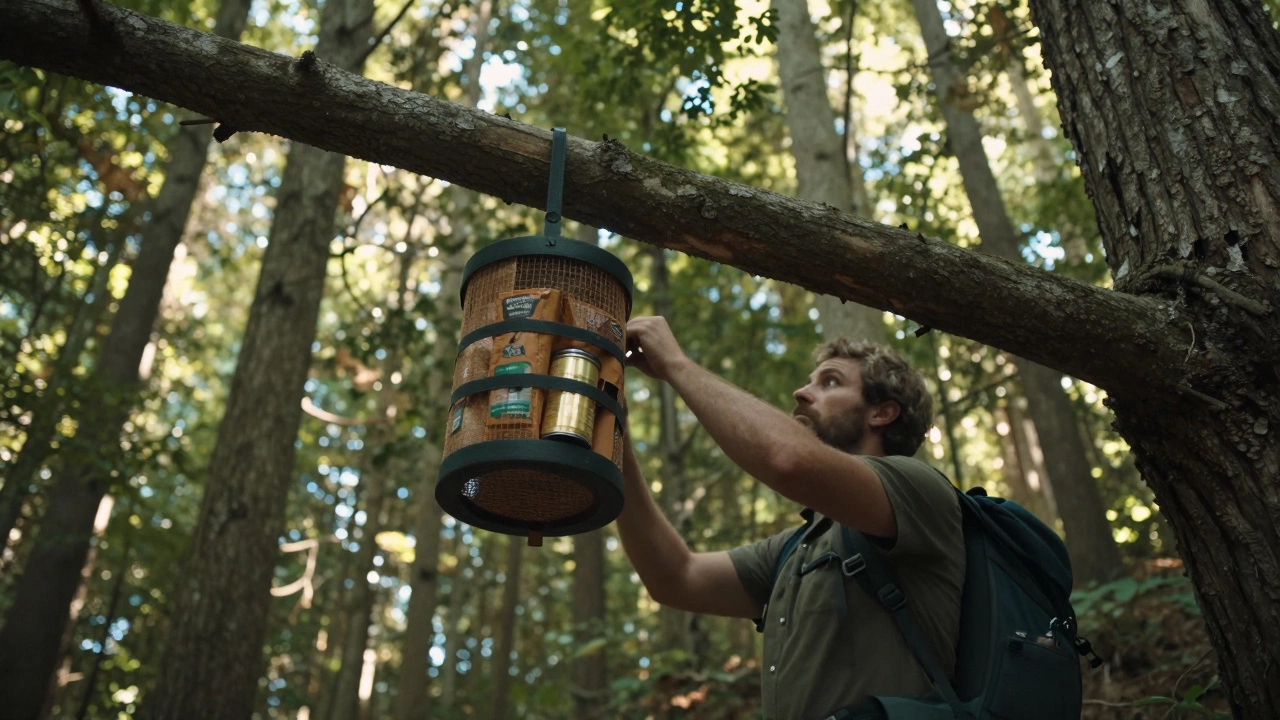
Wildlife encounters are another concern. In bear country, you must store all food and scented items (like toothpaste or sunscreen) in a bear canister or hang them from a tree branch at least 200 feet from your sleeping area. Never keep food in your car or near your sleeping spot. Animals are attracted to smells, not sight. By keeping your campsite scent-free, you reduce the risk of unwanted visitors.
Pests are also part of the deal. Mosquitoes, ticks, and ants are common companions. Use repellent containing DEET or Picaridin. Treat your clothing with permethrin before the trip. After returning home, check your body thoroughly for ticks. These small details make the difference between a memorable adventure and a miserable experience.
Why Cowboy Camping Fits Modern Eco-Conscious Travel
In an era where overtourism strains popular destinations, cowboy camping offers a sustainable alternative. By spreading out into less crowded areas, you reduce pressure on fragile ecosystems found in concentrated campgrounds. You produce less waste because you bring less gear. You generate fewer carbon emissions if you combine it with carpooling or biking to your site.
This style of travel aligns perfectly with the growing interest in eco-friendly living. It encourages mindfulness and resourcefulness. When you sleep on the ground, you appreciate the resources used to build hotels and cottages. It fosters a deeper connection to the land, making you more likely to advocate for its preservation. Many travelers start with eco-friendly cottages to ease into slow travel, then graduate to cowboy camping as they seek greater immersion and independence.
Getting Started: Your First Night Out
If you've never tried cowboy camping, don't jump straight into the wilderness. Start small. Practice in your backyard first. Set up your sleeping pad and bag. Lie down and see how comfortable you are. Test your tarp setup during a rainy weekend. This trial run helps you identify gaps in your gear without the stress of being miles from home.
For your first real trip, choose a location close to civilization. A public forest with cell service is ideal. Arrive before sunset so you can set up in daylight. Scout for flat ground, clear of rocks, roots, and ant hills. Look for natural windbreaks like large rocks or dense shrubs. Avoid low-lying areas where cold air settles or where flash floods could occur.
Once settled, relax. Listen to the sounds. Watch the stars. You'll find that the simplicity of cowboy camping brings a profound sense of calm. It reminds us that we don't need much to be happy-just a safe place to rest and the beauty of the natural world.
Is cowboy camping safe for beginners?
Yes, if you prepare properly. Start with familiar locations, check weather conditions, and inform someone of your plans. Avoid remote areas until you gain confidence. Basic knowledge of first aid and navigation is highly recommended.
Can I do cowboy camping in New Zealand?
Wild camping is restricted in many NZ conservation areas. Most overnight stays require booking DOC huts or designated campsites. Some regional councils allow limited wild camping, but always verify local rules. Private land requires owner permission.
Do I need a tent for cowboy camping?
No, that's the definition of cowboy camping. However, a lightweight tarp or bivy sack is strongly recommended for protection against rain, dew, and insects. It adds minimal weight while significantly improving comfort and safety.
How do I stay warm without a tent?
Ground insulation is key. Use a sleeping pad with a high R-value. Wear clean, dry base layers to bed. Consider a liner inside your sleeping bag for extra warmth. Eat a high-calorie snack before sleeping to boost metabolism. Avoid alcohol, which lowers body temperature.
Where can I legally practice cowboy camping?
In the US, Bureau of Land Management (BLM) lands and many National Forests allow dispersed camping. Check specific forest ranger district rules. In other countries, regulations vary widely. Always consult official land management websites or apps like Recreation.gov for current information.
What should I do about bugs?
Use EPA-registered insect repellents. Treat clothes with permethrin. Sleep in areas with good airflow. Consider a head net for mosquito-prone regions. Avoid setting up near standing water or decaying vegetation where insects breed.
Is cowboy camping cheaper than staying in eco-friendly cottages?
Generally, yes. Dispersed camping on public lands is often free. However, initial gear costs can add up. Compared to nightly rates for cottages or hotels, cowboy camping saves significant money over time, especially for frequent travelers.
How do I handle waste while cowboy camping?
Follow Leave No Trace principles. Pack out all trash. Dig catholes 6-8 inches deep, at least 200 feet from water sources. Use biodegradable soap sparingly and dispose of grey water properly. Never bury toilet paper; pack it out instead.