Eco-Friendly Housing: Sustainable Homes That Work in the UK
When you hear eco-friendly housing, homes built to reduce environmental impact through energy efficiency, renewable materials, and low-waste design. Also known as green building, it’s not just about solar panels and compost bins—it’s about creating places that live lightly on the land while still feeling like home. In the UK, where old stone cottages sit beside modern timber frames, eco-friendly housing isn’t a trend—it’s a practical shift. People are choosing homes that use less energy, produce less waste, and connect better with nature. And it’s not just for die-hard environmentalists. It’s for anyone who wants lower bills, healthier air, and a quieter footprint.
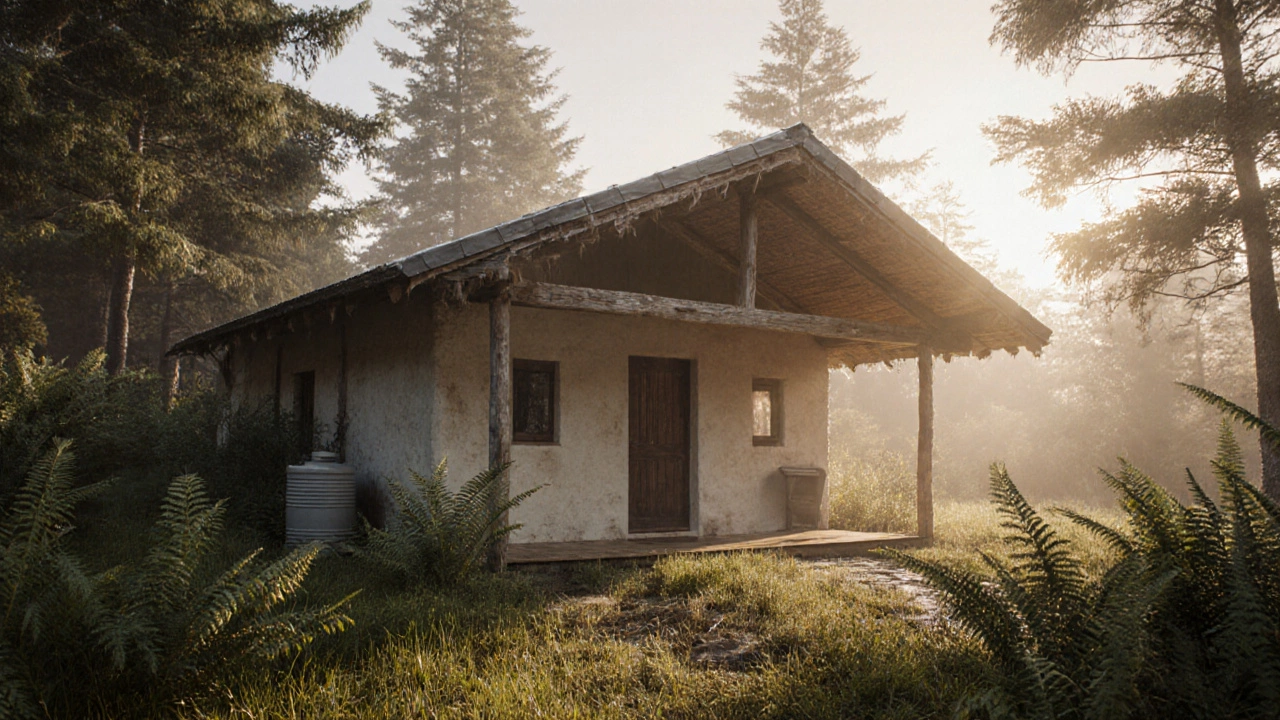
One of the most common forms of eco-friendly housing you’ll find across the UK is the eco cottage, a small, often rural home built with natural, locally sourced materials and designed for passive heating and cooling. These aren’t just rustic cabins with a green label—they’re smart, insulated, and built to last. Many use timber from sustainable forests, lime-based plasters that breathe, and roof designs that catch rainwater. Some even run off-grid with solar panels and wood-burning stoves that double as heaters. You’ll find them tucked into Devon valleys, nestled in the Lake District, or tucked behind hedgerows in Yorkshire. And they’re not rare anymore—more owners are retrofitting old cottages with double glazing, insulation, and heat pumps to bring them into the 21st century without losing their charm.
What makes these homes different from regular houses? It’s the details. A standard home might use synthetic insulation that off-gasses chemicals. An eco-friendly one uses sheep’s wool or cellulose made from recycled paper. A regular kitchen might have plastic laminate counters. An eco cottage might have reclaimed wood or bamboo. The energy source? Instead of gas boilers, many use air-source heat pumps that pull warmth from the outside air—even in winter. And because these homes are often smaller, they naturally use less energy to heat and cool. It’s not about perfection—it’s about progress. Even small changes, like switching to LED lights or sealing drafty windows, add up over time.
There’s a growing movement behind this shift. Homeowners aren’t just buying green features—they’re asking questions. Where did the timber come from? Is the insulation toxic? Can I repair this instead of replacing it? That’s why you’ll see more listings now that highlight sustainable materials, energy ratings, and water-saving fixtures. And it’s not just about the building. It’s about how you live in it. Growing your own food, composting kitchen scraps, using rainwater for the garden—these habits turn a house into a true eco-home.
What you’ll find in the posts below are real stories, practical guides, and clear breakdowns of what works—and what doesn’t—in eco-friendly housing today. From the true cost of building a green home to whether yurts are actually sustainable, these posts cut through the noise. You’ll learn how to spot a genuine eco cottage, what upgrades give you the biggest return, and how to avoid greenwashing when you’re shopping for a stay. Whether you’re planning a countryside escape or thinking about your next home, this collection gives you the facts—not the fluff.