You pack your bags, book a nice room, and look forward to a romantic night alone. But then doubt creeps in. Is it really safe to make love in a hotel? You aren't just wondering about comfort; you are asking about privacy, security, and trust. In 2026, the answer is mostly yes, but the details matter. Most modern hotels are secure enough for intimacy, yet blind trust leaves gaps. Understanding the actual risks helps you relax and enjoy the moment without paranoia.
The Reality of Hotel Room Security
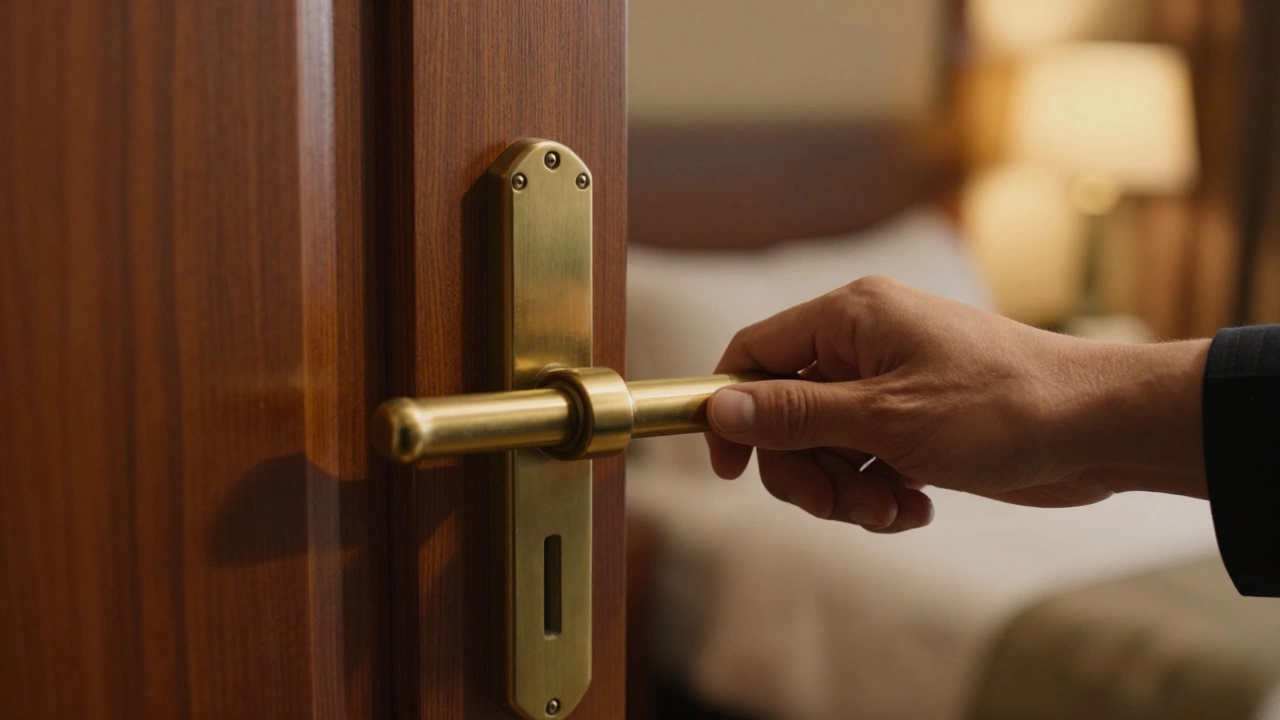
Hotel Room Safety refers to the measures taken by a property to protect guests from physical intrusion and digital surveillance. The foundation starts at the door. When you enter your room, check the lock immediately. Look for the deadbolt and the secondary slide bar. Many older properties rely on a single latch, which offers little resistance if someone tries to force entry while you are vulnerable. If the door handles look outdated, request a room change before settling in.
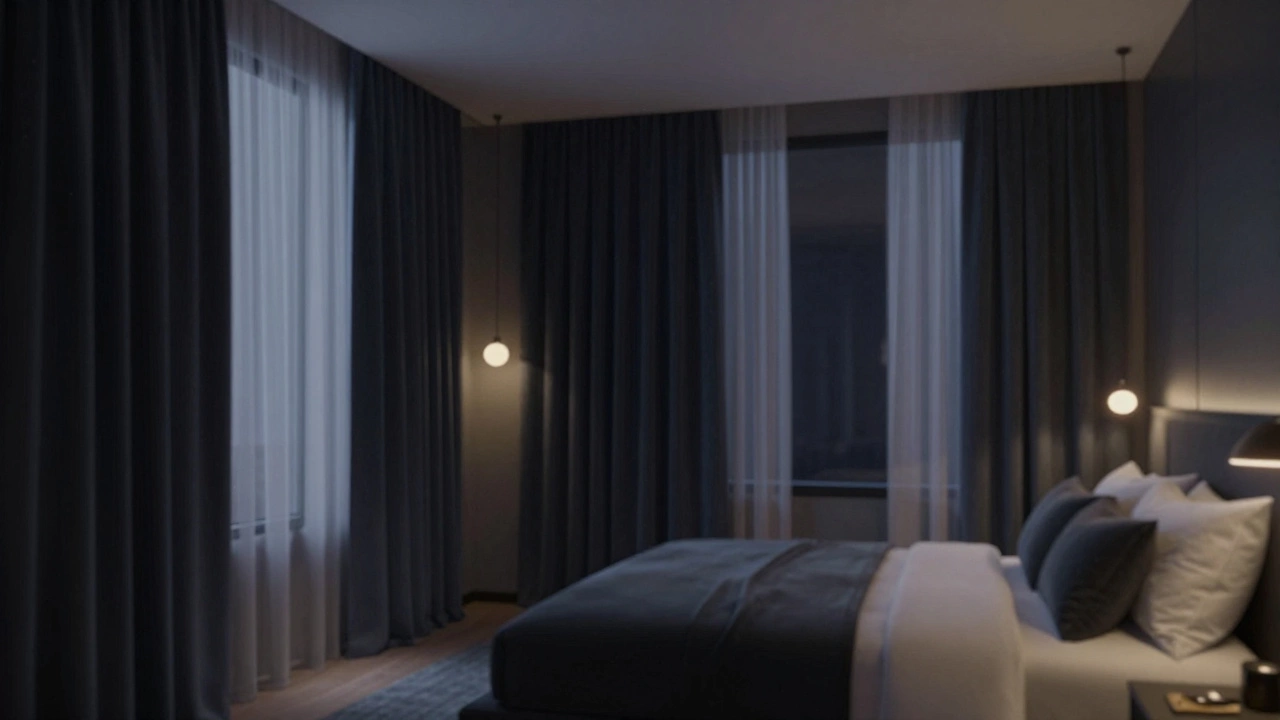
Consider the window as well. Even on the second floor, a balcony railing might be unstable. Some urban hotels have sliding glass doors that lack proper locking mechanisms. Close any gaps between the frame and the glass. If curtains don't provide complete blackout, they might not block prying eyes from the fire escape next door either. Physical barriers remain your first line of defense against unwanted access.
Detecting Hidden Cameras and Surveillance
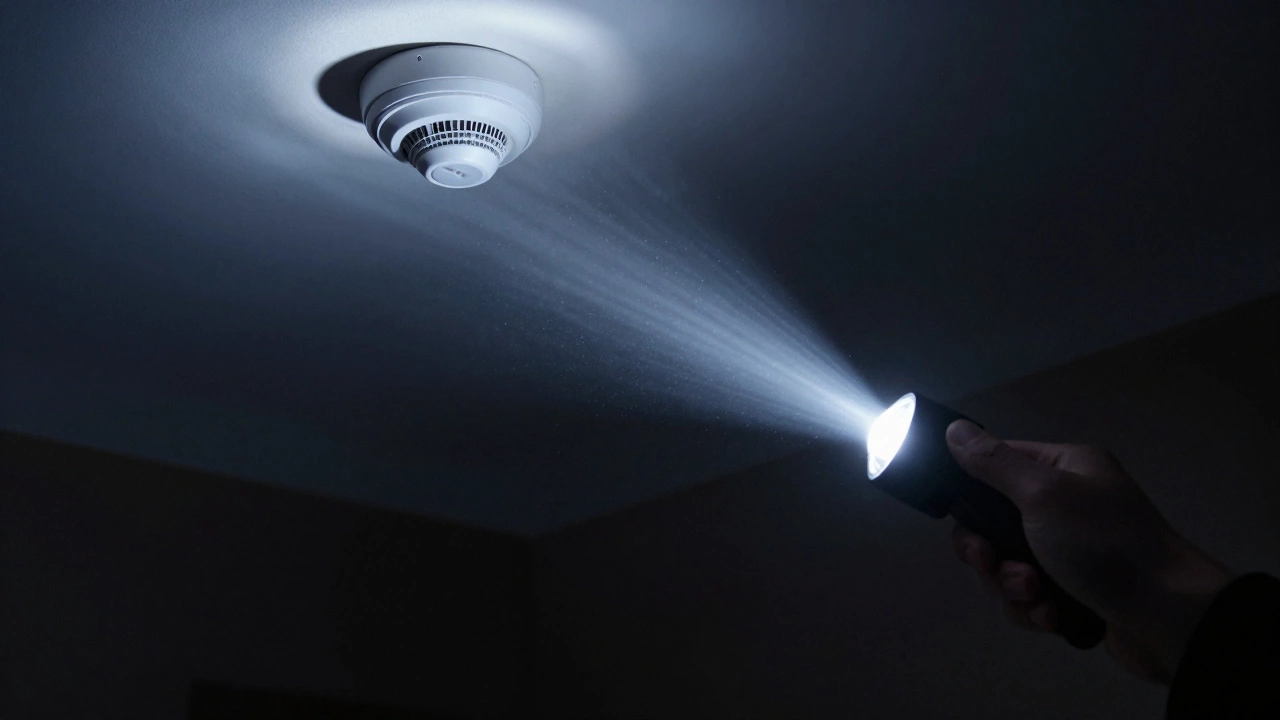
This is where most modern anxiety stems from. With the rise of compact lens technology, anyone can set up a recording device in seconds. While professional hotels rarely install these themselves, third-party devices left behind are the bigger threat. Here is exactly how you spot them. Start by scanning smoke detectors and alarm clocks. Look for red LEDs that blink when you move or shine a flashlight beam across potential hiding spots. Light reflecting off a lens often reveals its position even when it is turned off.
Check power outlets and USB charging ports. Tiny cameras sometimes hide inside fake electrical plugs. Unplug everything unnecessary from the wall during private moments. Do not leave your phone plugged into a suspicious port you find on the desk. Hackers can sometimes upload footage through an active data stream if the device is compromised. Disconnecting hardware physically breaks that link.
Smart Technology Risks in Modern Rooms
Hospitals are no longer just brick and mortar; they are digital ecosystems. Your Smart TV connects to the internet to show streaming apps, but that connection requires permission to share data. In some cases, firmware vulnerabilities allow unauthorized access to built-in microphones. Turn off the television completely at the source, not just via remote control. Power strips offer an easy solution here. Plug your laptop into the wall only when absolutely necessary.
Voice assistants like Alexa or Google Home units installed in some premium suites record ambient sound constantly. While encryption protects data in transit, local storage can be accessed by maintenance staff. Before you get intimate, mute these devices permanently. Some hotels have moved away from these features due to privacy scandals, but luxury suites still feature them prominently. Treat smart home tech as open channels until proven otherwise.
Sleep Comfort vs. Soundproofing
Intimate Travel often depends on the acoustic environment of the accommodation provided. Sound isolation varies wildly between budget motels and five-star resorts. Thin drywall partitions fail miserably at blocking human noise. You hear neighbors, hallways, and HVAC systems echoing through the walls. Ask for a corner room or a suite at the end of the corridor. These locations typically have fewer shared walls, meaning less sound transmission to other guests.
If the building is old, pipes might vibrate with footsteps above. Newer construction uses resilient channel framing to dampen vibration. You won't know this detail until you test the walls, though. Knock gently. Solid sounds suggest better insulation. A hollow echo usually means flimsy materials. Bring earplugs just in case, but a white noise machine works wonders to mask external conversations or creaking floors during sensitive activities.
| Area to Check | What to Look For | Action Step |
|---|---|---|
| Door | Deadbolt, Chain, Window | Test All Latches Firmly |
| Electronics | Smoke Detectors, Clocks | Scan with Flashlight Beam |
| Power | USB Ports, Plugs | Unplug Suspicious Hardware |
| Windows | Locks, Curtain Coverage | Ensure Total Darkness |
| Walls | Knock Test Hollow Spots | Choose Corner Suite |
Hygiene and Bedding Safety
Your peace of mind depends on knowing what touched the bed before you arrived. Cleanliness varies significantly by brand standards. High-end chains usually wash linens after every guest, but lower-tier motels might skip steps. Check the sheet condition upon arrival immediately. Look for discoloration, hairs, or tears near the zipper of the comforter. Pull back the pillows to inspect the underside for crumbs or stains.
If you see anything untoward, call the front desk right away. Do not ask for a quick towel drop; demand a deep clean of the bedding. Replacing the mattress pad adds another layer of protection against pests like bed bugs. Spray luggage in the bathroom before bringing it onto the bed. Bathrooms have non-porous tiles that kill insects, unlike wood floors. Keep your bags closed until you have verified the mattress cleanliness.
Legal Rights and Staff Access
Most jurisdictions allow housekeeping to enter your room if you haven't explicitly requested "do not disturb." However, they cannot enter while you are clearly engaged in private acts without cause. Policies differ regionally, but your consent governs access. Hanging the sign on the door usually buys you a few hours of guaranteed solitude. Some hotels have updated policies requiring two signatures or verification calls before sending staff into occupied rooms during quiet hours.
Know that your data stays within the property management system. Front desks keep logs of check-ins for security audits. Legitimate operators delete personal details after checkout according to privacy laws. If you feel unsafe, ask to view the CCTV monitoring log. In rare cases, guests report harassment from staff accessing rooms improperly. Document any interaction numbers and timestamps. This creates a paper trail that discourages misconduct.
Choosing the Right Hotel for Intimacy
Selecting the property matters as much as the room itself. Boutique hotels often focus more on romance and privacy than large conference centers. Look for properties with dedicated wellness or spa amenities, as these tend to prioritize quiet zones over crowded lobbies. Read reviews specifically mentioning noise levels and privacy breaches rather than general food ratings. Search terms like "quiet room" or "secure lobby" filter out problematic listings.
Booking platforms often highlight "honeymoon packages" or "couples suites." These inventory types usually come with extra privacy features like separate bathtubs or blackout blinds. Don't pay extra unless the description confirms soundproofing upgrades. Email the manager directly with your specific concern about privacy before booking. Their response time and willingness to assure you indicate their level of care regarding guest discretion.