All-Inclusive vs. Standard Hotel Cost Calculator
Your Trip Details
Option A: All-Inclusive Package
Option B: Standard Hotel + Local
Ready to Calculate
Adjust the values on the left and click "Compare Costs" to see which option fits your budget best.
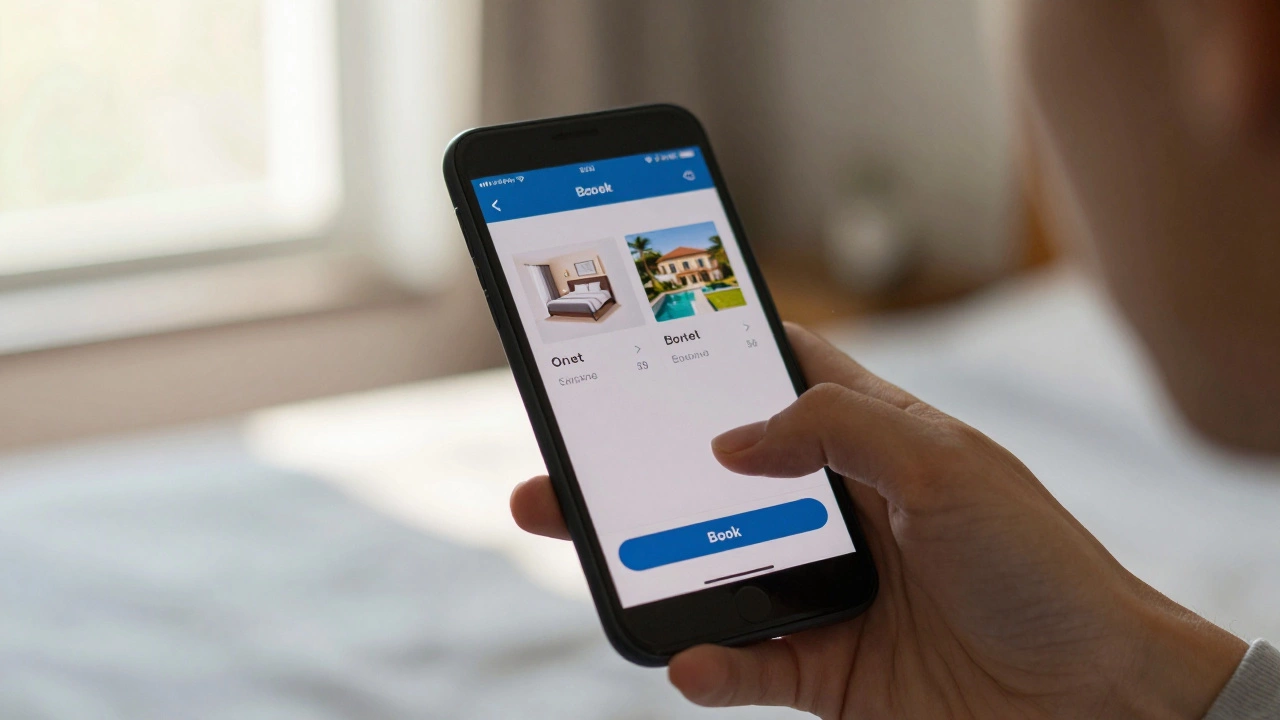
You stare at the booking screen. On the left, a standard hotel room for $150 a night. On the right, an all-inclusive package for $280. Your brain does the math: that’s $130 extra per day. It feels like a rip-off until you remember what you’re actually buying. You aren’t just paying for a bed; you are pre-paying for every meal, every cocktail, and every activity.
The question isn’t whether all-inclusive is cheaper on paper. It is whether it saves *you* money based on how you travel. If you are a light drinker who eats at local diners, the answer is no. But if you love cocktails, eat three big meals a day, and want to book excursions in advance, the all-inclusive model might be the only way to keep your wallet intact.
Decoding the Price Tag: What Are You Actually Paying For?
To figure out if all-inclusive hotels are resorts where accommodation, food, drinks, and activities are bundled into one upfront price worth it, you have to break down the components. Most people look at the total number and panic. Instead, look at the daily rate of individual items in your destination.
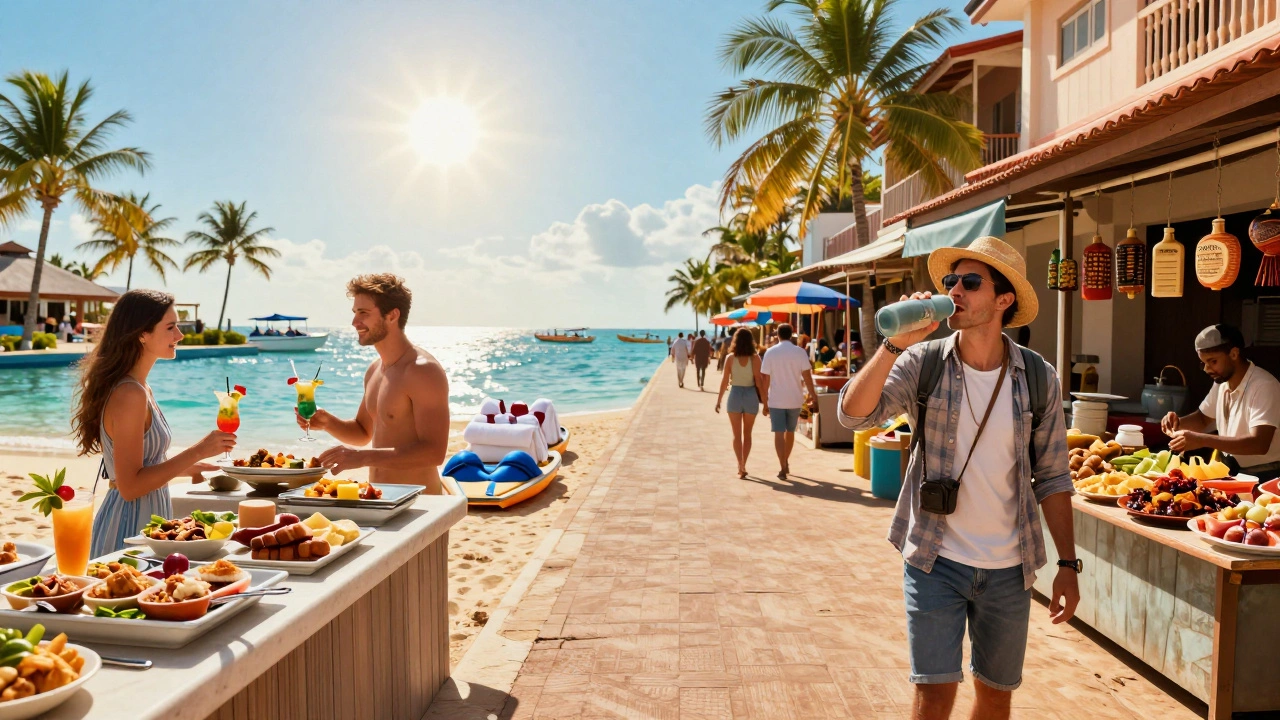
In popular tourist hubs like Cancun, Punta Cana, or Zanzibar, prices inflate significantly for visitors. A simple beer at a beach bar might cost $8 to $12 USD. A three-course dinner with wine can easily hit $40 to $60 per person. Add in water sports, spa treatments, or guided tours, and those small costs stack up fast.
When you buy an all-inclusive package, you are locking in today’s prices. This protects you from two things: impulse spending and inflation during your stay. You know exactly what your trip will cost before you even pack your bags. That predictability has value, especially if you are traveling with a fixed budget.
The "Heavy User" vs. "Light User" Math
Here is the golden rule of all-inclusive economics: you save money only if you use the services included. If you pay $300 a day for all-inclusive but spend half the day eating sandwiches from your room and drinking tap water, you are losing cash. Conversely, if you eat five times a day, order premium spirits, and join every free excursion, you are likely saving hundreds.
Let’s look at a concrete example for a couple traveling for seven days in the Dominican Republic in 2026.
| Expense Category | Standard Hotel + Local Spending | All-Inclusive Package |
|---|---|---|
| Accommodation | $1,050 ($150/night) | Included |
| Meals (Breakfast/Lunch/Dinner) | $490 ($70/day for two) | Included |
| Drinks (Alcohol & Soft Drinks) | $350 ($50/day for two) | Included |
| Activities & Excursions | $200 (One major tour) | Included (Basic) |
| Total Estimated Cost | $2,090 | $1,960 ($280/night) |
In this scenario, the all-inclusive option saves the couple $130. But notice the assumptions. They are eating out every meal and drinking alcohol daily. If they skipped the alcohol, the standard hotel option would drop to around $1,740, making it the clear winner.
Hidden Costs That Kill the Budget
All-inclusive sounds comprehensive, but the fine print is where budgets bleed. Many resorts charge extra for "premium" experiences. Here is what usually falls outside the base price:
- Premium Alcohol: Basic brands of liquor are often included. Top-shelf vodka, specific champagnes, or craft beers may require a surcharge or points system.
- A La Carte Dining: While buffet meals are free, reservation-only restaurants often limit guests to one visit per stay or charge a cover fee.
- Spa Services: Massage chairs by the pool might be free, but actual spa treatments almost always cost extra.
- Off-Site Excursions: Snorkeling trips, zip-lining, or city tours booked through third parties are rarely covered.
- Wi-Fi: Surprisingly, some lower-tier all-inclusives still charge for high-speed internet access.
If you plan to indulge in these extras, calculate their estimated cost and add it to your all-inclusive total. Then compare that new total to your standard hotel estimate.
The Psychological Trap of "Unlimited" Spending
There is a behavioral economics concept called the "sunk cost fallacy," but in all-inclusive travel, we see something else: the "moral license" to spend. Because you’ve already paid for everything, you feel entitled to consume more. You order the expensive steak because it’s "free." You open another bottle of wine because it’s "included."
This mindset can lead to overeating and overspending on calories rather than cash, which might not matter to everyone. However, for those watching their health, the all-inclusive model can be tricky. When money isn’t a barrier, self-control becomes the only limit. Ask yourself: do I need the psychological guardrail of paying per item to keep my consumption in check?
When All-Inclusive Is NOT Cheaper
Not every traveler fits the all-inclusive mold. You should skip the package deal if:
- You prefer local cuisine: Some of the best travel memories come from street food stalls and family-run restaurants. All-inclusive resorts isolate you from the local culinary scene.
- You are a non-drinker: If you don’t drink alcohol, the bulk of the premium you pay goes unused. A standard hotel allows you to spend that saved money on experiences instead.
- You travel lightly: If you eat breakfast at home, grab lunch on the go, and have one nice dinner out, your daily food/drink bill might be under $30. An all-inclusive package rarely breaks below $150-$200 per person per day.
- You seek authenticity: Resorts are bubbles. If your goal is to interact with locals, learn the language, and explore off-the-beaten-path locations, staying inside the resort walls defeats the purpose.

How to Calculate Your Personal Breakeven Point
Before booking, do this simple exercise. Take a calculator and estimate your daily spending habits in your destination.
- Research local prices: Check recent reviews or forums for the cost of a meal, a drink, and a taxi ride in your target location.
- Estimate your usage: How many meals will you eat out? How many drinks will you have? Will you book any activities?
- Add them up: Multiply your daily estimate by the number of nights.
- Compare: If the all-inclusive price is lower than your estimate, book it. If it’s higher, stick with a standard hotel.
For example, if you estimate spending $50 a day on food and drinks, and the all-inclusive rate is $200 a day, you are losing $150 daily by choosing the package. But if you estimate $120 a day, the package saves you $70 daily plus the hassle of carrying cash.
Final Thoughts: Value vs. Price
Is all-inclusive cheaper? Sometimes. But more importantly, is it better value? For families with kids, couples celebrating anniversaries, or groups who want zero friction, the convenience often outweighs the slight cost difference. You trade potential savings for peace of mind.
However, for solo travelers, backpackers, or foodies who prioritize local culture, the all-inclusive model is often a financial trap. It locks you into a generic experience while draining your budget for services you might not fully utilize. Know your travel style, do the math, and choose the option that aligns with how you actually spend your time-and your money.
Are all-inclusive resorts really all inclusive?
Mostly, but not entirely. Standard packages usually cover room, basic meals, and house-brand alcohol. Premium alcohol, spa services, off-site excursions, and sometimes even Wi-Fi or certain à la carte restaurants require extra payment. Always read the fine print before booking.
What is the average cost of an all-inclusive hotel per night?
In 2026, average prices range from $150 to $400 per person per night depending on the destination and season. Luxury destinations like the Maldives or private islands can exceed $1,000 per night, while Caribbean and Mexican resorts often offer deals starting around $150-$200.
Do all-inclusive hotels include flights?
Some packages do, particularly when booked through large travel agencies or online travel platforms. These are often marketed as "fly-drive-stay" deals. However, many resort websites only list accommodation and amenities, requiring you to book flights separately.
Is it cheaper to eat out or use all-inclusive dining?
It depends on your appetite and preferences. If you eat three large meals and drink alcohol daily, all-inclusive is usually cheaper. If you eat lightly, skip alcohol, or prefer cheap local street food, eating out at a standard hotel will likely cost less.
Can you bring your own food and drinks to an all-inclusive resort?
Policies vary. Most resorts allow small snacks or special dietary items, but prohibit bringing in outside alcohol due to licensing laws and revenue protection. Check the specific resort's policy before packing coolers or wine.