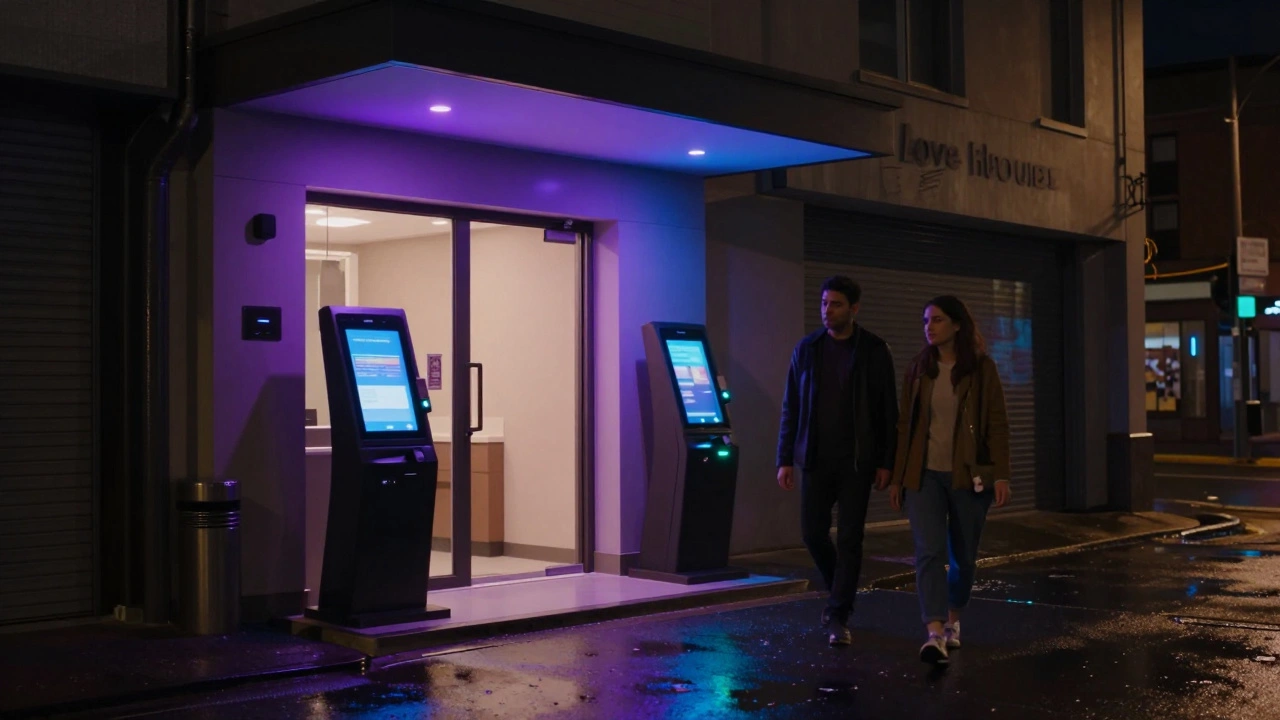
They’re not what you think. Love hotels aren’t just a relic from the 1970s or something you only find in Tokyo movies. They’re real. They’re everywhere. And yes, they’re still going strong - even in 2025.
What exactly is a love hotel?
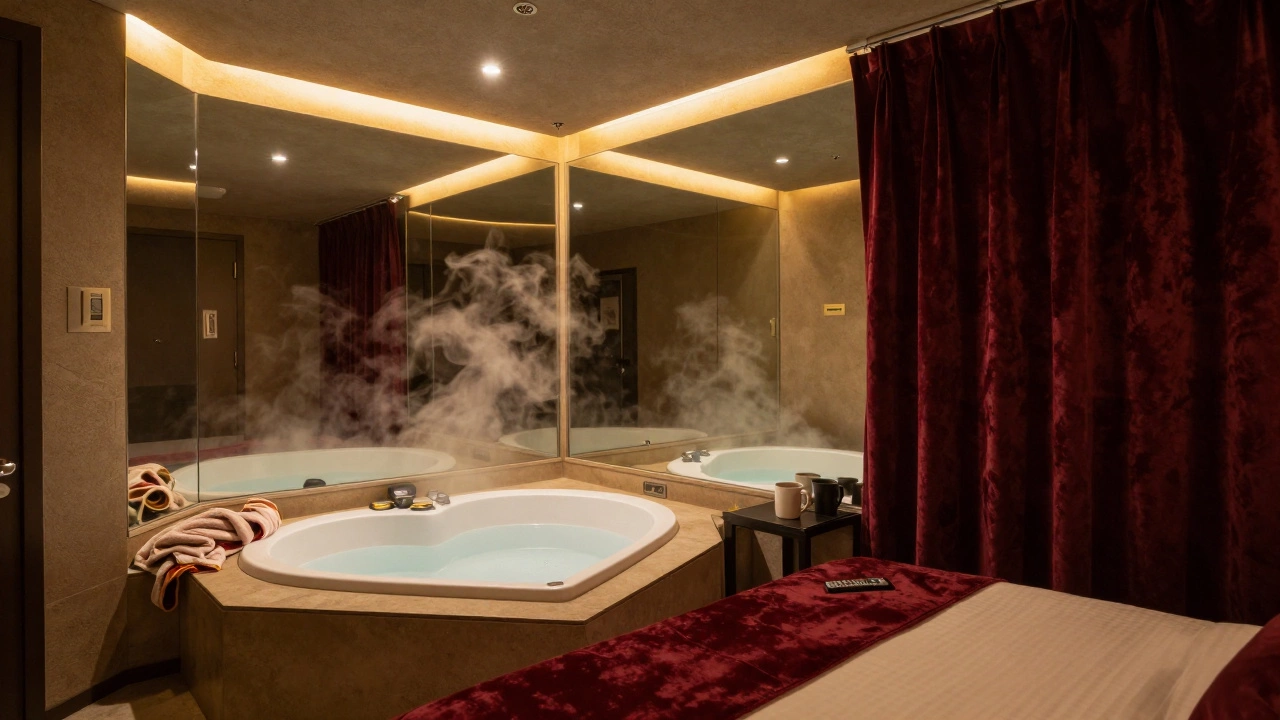
A love hotel is a place designed for short-term stays, usually by couples who want privacy without the scrutiny of a regular hotel front desk. You check in with a machine. No ID required. No questions asked. You pay by the hour, or for the night. Some have themed rooms - think neon lights, heart-shaped tubs, or mirrors on the ceiling. Others look like ordinary business hotels from the outside, but step inside and you’ll find velvet curtains, mood lighting, and soundproof walls.
The name sounds playful, but the function is practical. In countries like Japan, South Korea, and parts of Europe, love hotels fill a real gap. They’re not for tourists looking for luxury. They’re for people who need a quiet, private space - whether it’s for a quick break, a secret meeting, or just a night away from home.
They’re not just in Japan
Most people think love hotels are a Japanese thing. And sure, Japan has the most famous ones - over 30,000 of them, according to industry estimates. But they exist in dozens of countries. In South Korea, they’re called ‘motels’ and often have digital check-in kiosks with touchscreens. In France, you’ll find them tucked into quiet side streets in Paris and Lyon. In Poland, they’re called ‘hotele godzinowe’ - hourly hotels - and they’re common near train stations.
In the U.S., they’re harder to spot. You won’t find them on Booking.com or Airbnb. But drive through rural areas in Nevada, Texas, or Florida, and you’ll see them: plain buildings with dim signs that say ‘24-Hour Rooms’ or ‘Instant Check-In’. They’re not marketed as romantic. They’re marketed as convenient.
Why do they still exist?
Because people still need them.
Think about it: not everyone has a private space at home. Maybe you live with family. Maybe you’re in a small apartment. Maybe you’re traveling and your partner isn’t with you. Maybe you’re in a relationship that’s still secret. Maybe you just want to get away for a few hours without explaining yourself to anyone.
Love hotels don’t judge. They don’t ask for your relationship status. They don’t care if you’re married, dating, or just friends. All they care about is that you pay, you stay, and you leave when you’re done.
In Japan, where housing is expensive and privacy is rare, love hotels are a cultural necessity. A 2024 survey by the Japan Hotel Association found that 62% of users are under 35. Many are students or young professionals. Some use them for naps. Others use them for date nights. A few use them to escape stress.
How do they work?
Check-in is usually automated. You walk up to a vending machine-style kiosk. You pick your room type - ‘Standard’, ‘Deluxe’, ‘Romantic’, ‘Luxury’ - and choose your time: 2 hours, 6 hours, overnight. You pay with cash or card. A key card pops out. You go to your room. No staff ever shows up.
Some places have a ‘night rate’ that kicks in after 10 p.m. Others charge less during the day. You can often extend your stay without leaving the room. Just press a button on the wall, and the machine adds more time.
Most rooms come with basic amenities: a bed, TV, fridge, bathroom. Higher-end ones have jacuzzis, karaoke machines, or even built-in projectors. Some have themed decor - space, castle, anime, or retro 80s. The goal isn’t luxury. It’s distraction.
Are they safe?
Yes - if you know what to look for.
Reputable love hotels are clean, well-maintained, and discreet. They’re often inspected by local health departments. In Japan, they follow strict hygiene rules. Rooms are deep-cleaned between guests. Linens are changed. Air filters are replaced.
But like any place that operates in the shadows, there are bad actors. Avoid places with no visible signage, broken lights, or no security cameras. If the front desk is staffed by someone who looks nervous or avoids eye contact, walk away. Legit love hotels don’t need to hide. They just don’t advertise.
Most don’t have security cameras in the rooms - that’s illegal in most countries. But the hallways and entrances? Usually monitored. That’s not for spying on guests. It’s to keep out troublemakers.
Are they romantic?
They can be - if you want them to be.
They’re not the candlelit, champagne-and-roses kind of romantic. But they’re the kind of romantic that says, ‘We don’t have to be perfect. We just need to be together.’
For couples who’ve been together for years, a love hotel can be a reset button. A chance to reconnect without the distractions of kids, bills, or chores. For new couples, it’s a low-pressure way to be intimate without the weight of expectations.
One woman in Osaka told a local news outlet in 2023 that she and her husband started using a love hotel every six months - just to remember what it felt like to be alone together. ‘It’s not about sex,’ she said. ‘It’s about silence. And knowing no one’s listening.’
What’s changing in 2025?
Love hotels are getting smarter.
Many now accept Apple Pay, Google Pay, and even cryptocurrency. Some have apps where you can book ahead, choose your room theme, or order snacks to be delivered to your door. A few in Tokyo have AI assistants that speak in calming voices - ‘Good evening. Your room is ready. Would you like soft music or silence?’
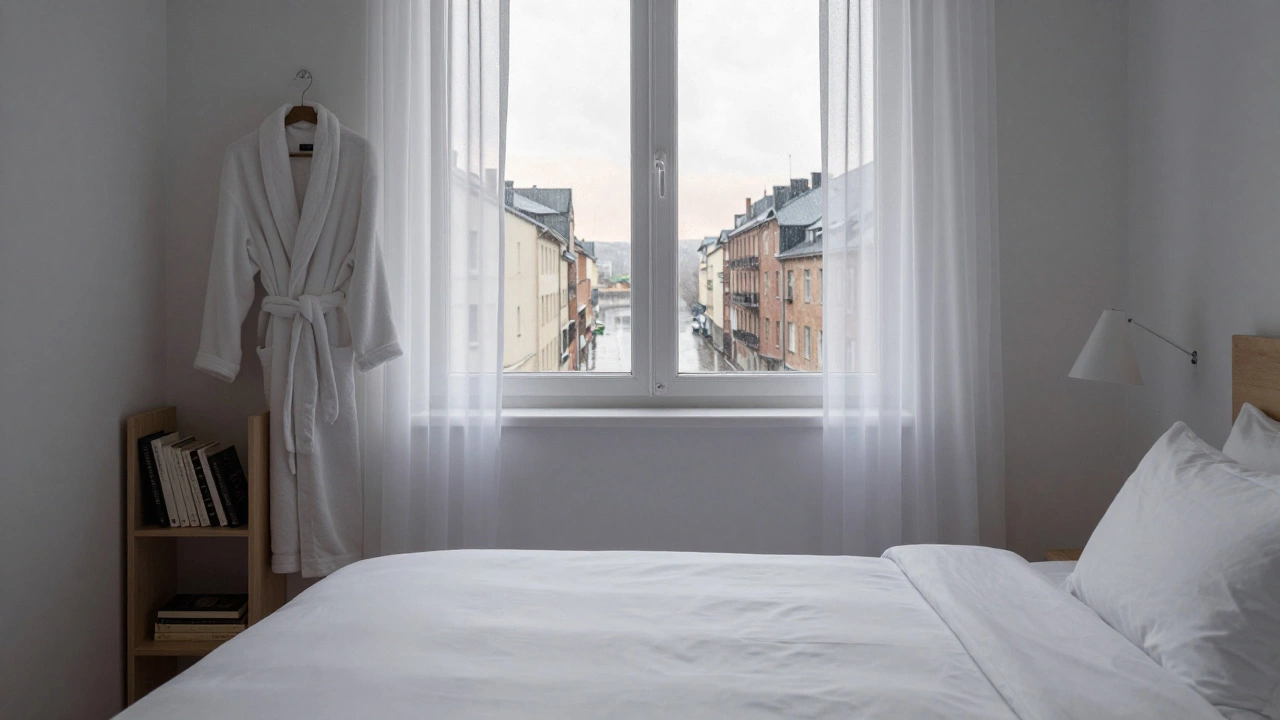
There’s also a quiet shift toward inclusivity. More places now welcome single travelers, LGBTQ+ couples, and non-couples. A hotel chain in Seoul launched a ‘Solo Escape’ package last year - a quiet room with a bath, a bookshelf, and no judgment. It sold out every weekend.
And while some older love hotels are closing down, new ones are opening in unexpected places: near university campuses, beside airports, even in small towns in Italy and Canada. The demand hasn’t gone away. It’s just changing shape.
Are they legal?
Yes - in most places.
In Japan, they’re fully regulated. In South Korea, they’re taxed like regular hotels. In the U.S., they operate in a legal gray area. Some states classify them as ‘transient lodging’ - which means they need permits, fire safety inspections, and sanitation standards. Others don’t regulate them at all.
What’s banned? Anything involving illegal activity. Prostitution, drugs, underage guests - those are always illegal. But two consenting adults paying for privacy? That’s not against the law anywhere in the world.
And here’s something surprising: many love hotels are owned by the same companies that run regular hotels. They’re just different brands under the same roof.
Why do people talk about them like they’re weird?
Because we’re uncomfortable with privacy.
We’ve been trained to think that love, intimacy, and rest should happen in public spaces - in homes, in bedrooms, in ‘appropriate’ settings. But real life doesn’t always fit that mold. Sometimes, you just need a place where no one knows you, no one expects anything, and no one asks why you’re there.
Love hotels don’t break rules. They bypass expectations.
They’re not about sex. They’re about autonomy. About having control over your space, your time, and your quiet.
And in a world that’s louder than ever - with constant notifications, social media pressure, and crowded homes - that’s not weird. It’s necessary.
Should you try one?
If you’ve ever wished you could disappear for a few hours - just you and someone else - then maybe.
Start small. Look for one near you. Check reviews on local forums. Avoid the ones with flashing neon signs and cartoon hearts. Look for clean, quiet buildings with digital check-in. Pay with a card so there’s a record. And don’t overthink it.
It’s not a fantasy. It’s a service. And like any service, it works best when you understand what it’s for.
Love hotels aren’t dying. They’re adapting. And as long as people need privacy - real, unjudged, uninterrupted privacy - they’ll keep existing.