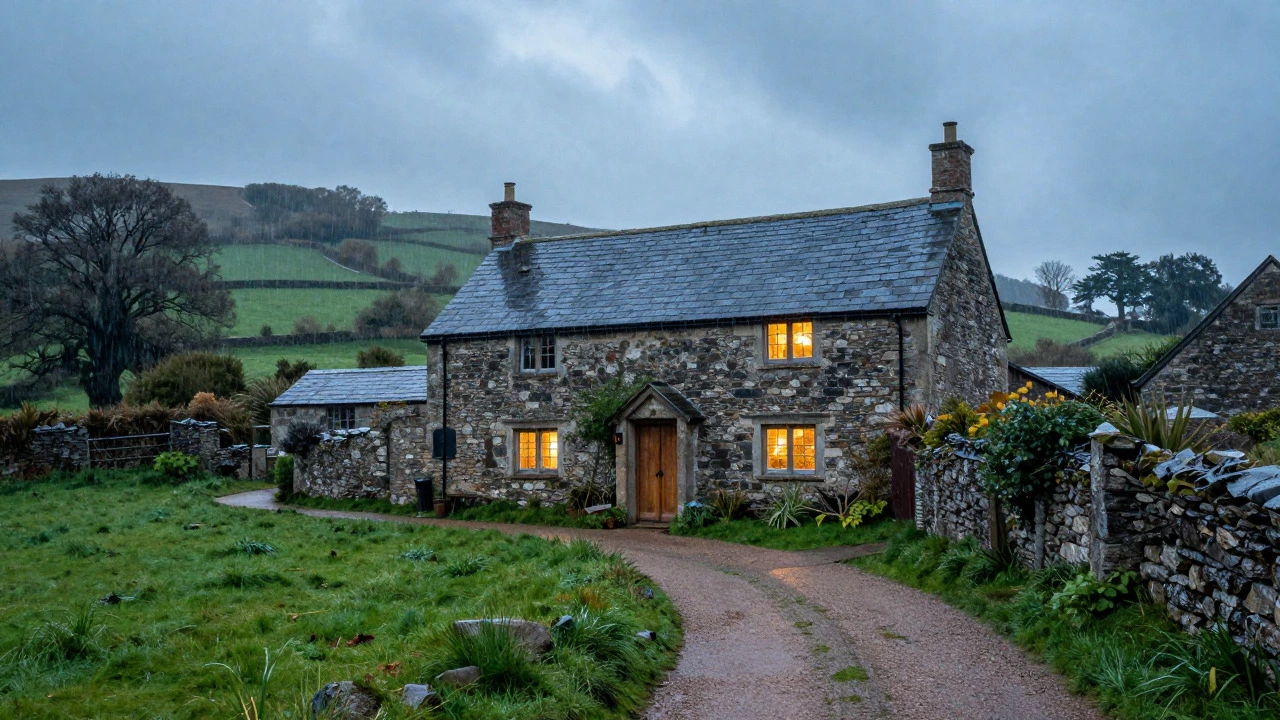
Cottage Rental Profitability Calculator
Your Cottage Details
Financial Breakdown
Based on a 30-day month
Expense Breakdown
- Cleaning & Turnover $1,200
- Utilities & Internet $400
- Maintenance Reserve $850
- Fees & Taxes $1,850
Picture this: it’s a rainy Tuesday in Devonport. You’re staring at your bank account, wishing that empty cottage down the lane could pay the bills instead of sitting there collecting dust. It’s a common dream. We all see those glossy photos of cozy cabins with fireplaces and hot tubs on Instagram and assume the money just falls into our laps. But can you actually make money off cottages?
The short answer is yes. The long answer is a lot more complicated than buying a property and hitting 'publish' on a listing site. Making real cash from a cottage rental requires treating it like a small business, not a passive hobby. If you get the math right, you can build a steady income stream. If you guess, you’ll be scrubbing toilets at 2 AM for minimum wage.
Understanding the Cottage Rental Market
To make money, you first need to understand what people are actually looking for. In 2026, the travel landscape has shifted. People aren't just booking weeks in advance anymore. There is a massive surge in demand for last minute cottages. Travelers want spontaneity. They want to escape the city stress of the week without planning a month ahead. This creates a unique opportunity for owners who can manage their calendars flexibly.
However, "cottage" is a broad term. Are you talking about a rustic shed in the woods or a luxury retreat with a chef's kitchen? Your target audience changes completely based on the asset. A budget-friendly cabin attracts backpackers and young couples looking for a cheap weekend away. A high-end eco-lodge attracts corporate retreats or affluent families willing to pay a premium for privacy and amenities. Knowing your niche is step one.
The Math Behind the Money
Let’s talk numbers. Most beginners fail because they look at the gross revenue and ignore the expenses. Here is a realistic breakdown of how the money flows.
| Category | Estimated Cost (NZD) | Notes |
|---|---|---|
| Gross Revenue (70% occupancy) | $8,500 | Avg $150/night x 21 nights |
| Platform Fees (Airbnb/Vrbo) | $850 | Typically 3-15% depending on host model |
| Cleaning & Turnover | $1,200 | $60 per turnover x 20 guests |
| Utilities & Internet | $400 | Heating, water, high-speed WiFi |
| Maintenance Reserve | $850 | 10% of revenue for repairs |
| Taxes & Insurance | $1,000 | Varies by local council rates |
| Net Profit | $4,200 | Before mortgage payments |
Notice the gap between gross and net? That’s where the dream dies if you aren’t careful. Also, remember that 70% occupancy is optimistic for a new listing. In the first six months, you might only hit 40%. You need cash flow to survive that ramp-up period.
Strategies to Maximize Occupancy
If you have a cottage, sitting idle is losing money. How do you fill those gaps? One powerful strategy is leveraging the trend of last-minute bookings. Many platforms now allow you to set dynamic pricing. When a weekend slot is empty three days out, you can drop the price significantly to attract impulse bookers. It’s better to get $100 for a night than $0.
Another angle is targeting specific events. Living in New Zealand, we know that local festivals, marathons, or school holidays drive huge spikes in demand. Aligning your marketing with these dates can boost your average daily rate (ADR) by 30-50%. For example, if there’s a major music festival nearby, promote your cottage as a "glamping basecamp" with shuttle info included.
Don’t underestimate the power of direct bookings. Once you’ve built a reputation on Airbnb or Booking.com, encourage guests to book directly next time for a discount. This saves you the hefty platform fees. Simple tools like email newsletters or a basic website can help you capture this recurring revenue.
The Hidden Costs: Maintenance and Management
You might think, "I’ll just clean it myself." Sure, for the first month. Then reality hits. Guests spill wine on carpets. Toilets clog. Wi-Fi goes down during a storm. Every issue costs you time or money. Professional cleaning is non-negotiable if you want good reviews. Bad reviews kill your search ranking, which kills your income.
Consider the wear and tear. A cottage used by short-term renters deteriorates faster than a long-term tenant. You’ll need to replace furniture, appliances, and decor more frequently. Budget for a full refresh every two to three years. This isn’t an expense; it’s an investment in keeping your prices competitive.
Also, check your local regulations. In many parts of New Zealand, including Auckland and surrounding areas, short-term rentals are subject to zoning laws and council consents. Operating illegally can lead to heavy fines that wipe out your profits instantly. Always verify with your local council before listing.
Marketing Your Cottage Effectively
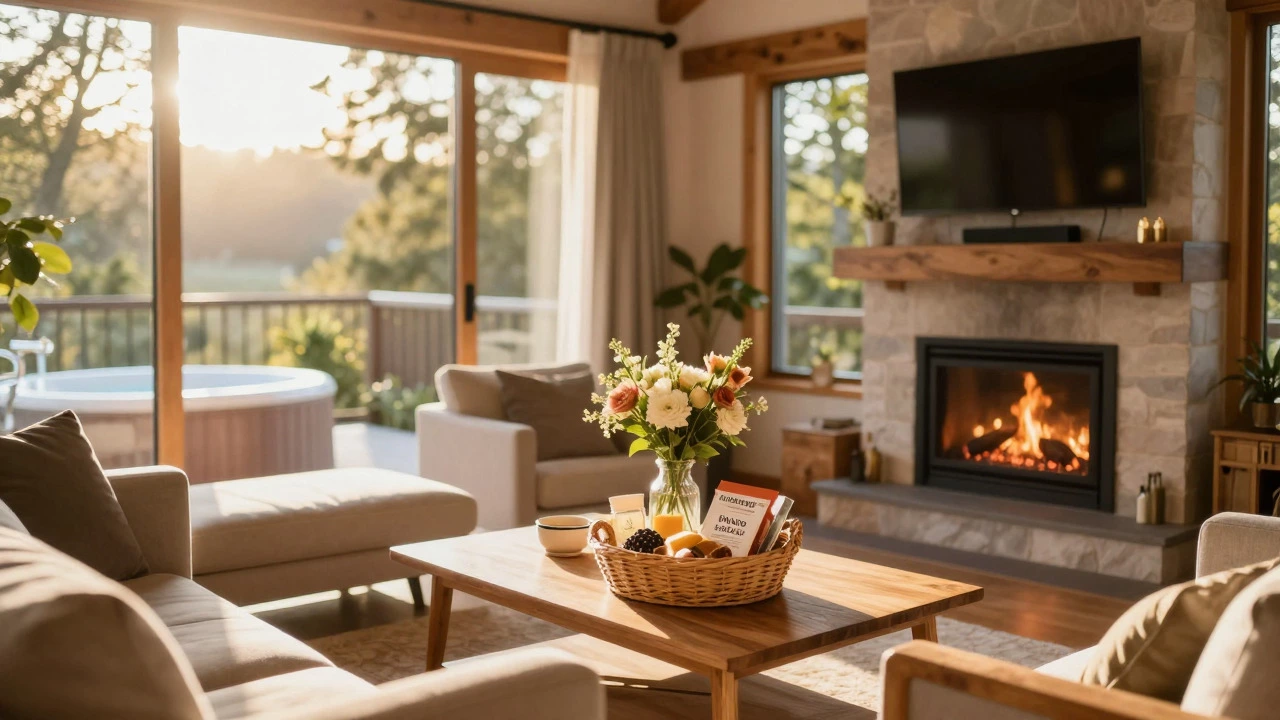
In a sea of thousands of listings, why should someone pick yours? Photos are everything. Hire a professional photographer. Not your cousin with an iPhone. Good lighting and composition sell the experience, not just the room. Show the view, the cozy fireplace, the outdoor shower. Make them feel the relaxation before they arrive.
Your description should tell a story. Instead of "3-bedroom cottage," try "Escape to nature in our secluded woodland retreat, perfect for disconnecting and reconnecting." Use keywords that travelers search for, like "pet-friendly," "hot tub," or "last minute availability." These terms help you appear in relevant searches.
Engage with your guests quickly. Response time affects your ranking. If someone messages you at 9 PM, reply then, even if it’s just to say you’ll get back to them in the morning. Personal touches, like a welcome basket with local treats, can turn a one-time guest into a loyal repeat customer who refers friends.
Risks and How to Mitigate Them
No business is risk-free. What happens if a guest trashes your place? Get solid insurance. Standard home insurance often excludes short-term rentals. Look for specialized policies that cover property damage and liability. Require verified IDs and security deposits through your booking platform.
Economic downturns also impact travel. During recessions, discretionary spending drops. Diversify your income by offering longer stays at discounted rates. Digital nomads often look for monthly rentals with reliable internet. This provides stable cash flow even when weekend tourists disappear.
Finally, burnout is real. Managing keys, cleaning, and guest inquiries can become a second job. If you hate it, you’ll quit. Consider hiring a property manager if your income allows. They take a cut, usually 15-20%, but they handle the headaches. Calculate if the trade-off makes sense for your lifestyle.
Is It Worth It?
So, can you make money off cottages? Absolutely. But it’s not a get-rich-quick scheme. It’s a grind. It requires attention to detail, smart pricing, and excellent customer service. If you love hospitality and enjoy managing operations, it can be incredibly rewarding both financially and personally. If you want passive income with zero effort, stick to index funds.
Start small. Maybe convert a spare room or a granny flat first. Test the waters. Learn the ropes. Then scale up. With the right strategy, your cottage can become a profitable asset that funds your own adventures while providing memorable experiences for others.
How much profit can I expect from renting out a cottage?
Profit varies widely based on location, size, and season. On average, after expenses, you might net 40-60% of your gross revenue. For a cottage earning $150/night with 70% occupancy, expect around $4,000-$5,000 NZD monthly profit before mortgage payments. Always calculate conservatively.
Are last-minute bookings profitable?
Yes, if managed correctly. Last-minute bookings fill empty slots that would otherwise earn nothing. While you may need to offer a slight discount, the marginal cost is low since fixed expenses are already covered. It’s better to have a paying guest at a lower rate than an empty house.
Do I need special insurance for short-term rentals?
Most likely, yes. Standard homeowner insurance often excludes commercial use like Airbnb or Vrbo. Look for policies specifically designed for short-term lets that cover property damage, liability, and loss of income due to unforeseen events.
What are the biggest expenses in cottage rentals?
The top expenses are cleaning, maintenance, utilities, and platform fees. Cleaning costs add up quickly with frequent turnovers. Maintenance includes replacing worn-out items and fixing unexpected issues. Utilities can spike in winter or summer due to heating and cooling needs.
How do I stand out among thousands of other cottages?
Focus on unique selling points. Offer exceptional photos, personalized welcome packs, and fast communication. Highlight specific amenities like hot tubs, pet-friendliness, or work-friendly spaces. Encourage positive reviews and respond to all guest inquiries promptly to boost your search ranking.