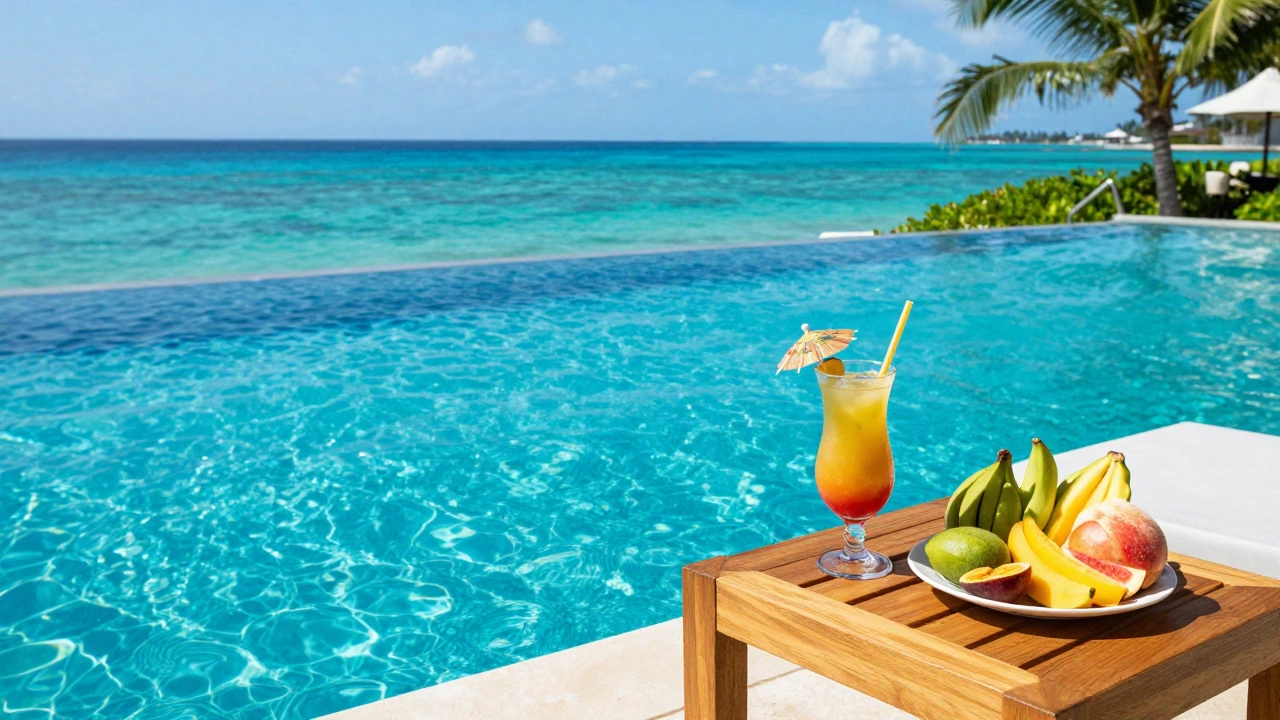
All-Inclusive Value Calculator
Resort Pricing
Standard Hotel Alternative
Your Estimated Daily Spending (A La Carte)
Quick Takeaways for Your Budget
- Best for: Families with kids (who eat a lot), heavy drink users, and people who want zero mental effort.
- Worst for: Foodies who love local street food, solo travelers who prefer exploring, and light drinkers.
- The Hidden Trap: 'All-inclusive' doesn't always mean everything. Top-shelf liquor and spa treatments usually cost extra.
- Money Tip: Compare the resort price against a standard hotel plus an estimated daily food/drink budget.
The Math Behind the Buffet
To figure out if you're getting a deal, you have to look at the all-inclusive resorts cost as a daily average. Let's say a resort costs $400 per night per person. If a standard hotel in the same area is $150, you're paying a $250 premium for food and drinks. If you eat three meals a day and have four cocktails, you're spending roughly $60 per 'item.' In a touristy area of Cancun or Punta Cana, that's often cheaper than the local restaurants. However, if you're someone who just wants a coffee and a sandwich, you're effectively donating money to the hotel.
The psychological win here is the removal of "decision fatigue." When every drink is 'free,' you stop calculating the cost of every luxury. This can lead to a more relaxing trip, but it can also lead to overconsumption. I've seen people drink five margaritas they didn't actually want just because they felt they needed to 'get their money's worth.' That's not a vacation; that's a chore.
Comparing the Experience: All-Inclusive vs. A La Carte
| Feature | All-Inclusive | A La Carte (Standard Hotel) |
|---|---|---|
| Budgeting | Predictable; paid upfront | Variable; depends on spending |
| Food Variety | High volume, buffet-style | Authentic, local, diverse |
| Flexibility | Low; encouraged to stay put | High; encourages exploration |
| Stress Level | Zero payment friction | Requires constant tracking |
When It's a No-Brainer
There are specific scenarios where paying the premium is just logical. Take families with teenagers, for example. A 16-year-old can easily put a dent in a travel budget with snacks, sodas, and desserts. In an all-inclusive setting, the Unlimited Dining model removes the stress of the "Can I have this?" conversation. You don't have to worry about the price of a burger at the pool bar when the kids are hungry every two hours.
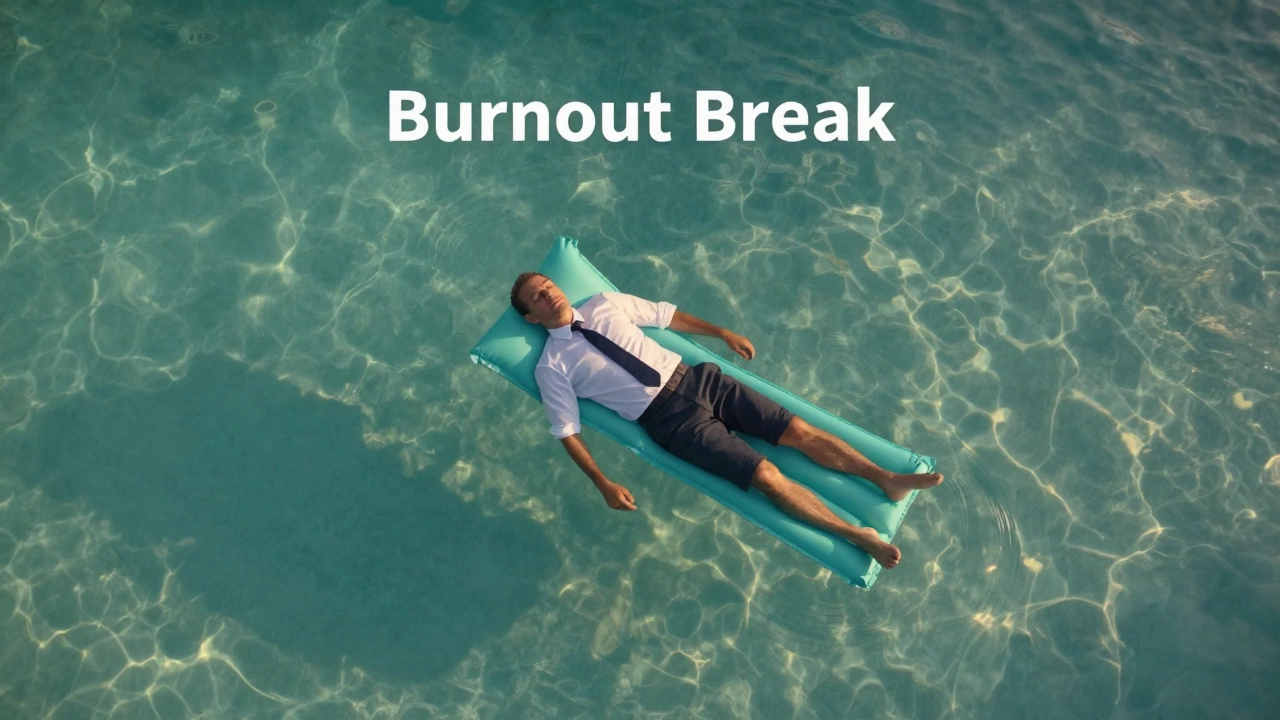
Another case is the "Burnout Break." If you've spent the last six months managing a team of twenty people or dealing with a chaotic home renovation, you might not want to make a single choice. Deciding which restaurant to visit for dinner can feel like a project. Staying at a resort where the food is already there, and the Resort Amenities like pools and gyms are steps away, allows your brain to actually shut off.

The Red Flags and Hidden Costs
Don't let the phrase "all-inclusive" trick you into thinking you can leave your credit card in the safe. Most resorts have a tiered system. You'll find that the "house wine" is mediocre, but the Premium Spirits-the stuff you actually like-requires an upgrade package or a per-glass fee. This is a common tactic to increase the Average Daily Rate (ADR) of the guest.
Then there are the activities. While a basic volleyball game on the beach is usually free, a motorized water sport or a guided excursion is almost always an add-on. If you're booking a place in the Caribbean, be wary of "included" tours that are actually high-pressure sales trips to jewelry stores. True value comes from the things you actually use, not the long list of amenities in the brochure that turn out to be optional.
How to Get the Most Value
If you decide to go the all-inclusive route, you need a strategy to make it worth the money. First, check the dining options. Many resorts have a main buffet and several "a la carte" specialty restaurants. The specialty spots are usually higher quality but require reservations. If you only eat at the buffet, you're missing out on the best value the resort offers.
Second, utilize the non-food perks. Does the resort include Non-Motorized Water Sports? If you can get free kayaking, paddleboarding, and snorkeling gear, that's an extra $100+ per day in value. Use the gym, the yoga classes, and the nightly entertainment. The more of these built-in services you use, the lower your "effective cost" per hour of enjoyment becomes.
Is Local Exploration Worth the Trade-off?
The biggest cost of an all-inclusive resort isn't actually the money-it's the experience. When you pay for everything upfront, there's a powerful psychological urge to stay inside the "bubble." You might skip that amazing hole-in-the-wall taco shop in town because you've already paid for the hotel buffet. This is where travelers often feel a sense of regret after the trip.
If your goal is cultural immersion, an all-inclusive is a terrible choice. You're essentially staying in a gilded cage. However, if your goal is strictly recovery and relaxation, the cage is exactly what you're paying for. The key is to be honest about why you're traveling. Are you going to see a new part of the world, or are you going to forget that the world exists for a week?
Do I still need to tip at an all-inclusive resort?
Yes. While the room is paid for, the staff-bartenders, maids, and servers-often rely heavily on tips for their income. Many resorts claim tips are included, but a few small bills given directly to the staff usually result in much better service and a friendlier experience.
Are all-inclusive resorts more expensive than standard hotels?
Upfront, yes. The nightly rate is significantly higher. However, when you factor in three meals, snacks, and unlimited drinks for a family of four, the total cost is often lower than paying for those items individually at a standard hotel.
What usually isn't included in the "all-inclusive" price?
Common exclusions include premium alcohol, spa treatments (massages, facials), airport transfers, motorized water sports (like jet skis), and specialty excursions outside the resort.
Is the food at all-inclusive resorts actually good?
It varies wildly. Budget resorts rely on massive buffets which can feel repetitive. Luxury resorts often have world-class chefs and multiple themed restaurants that rival standalone eateries. Always check recent guest reviews specifically mentioning the food quality.
Can I book an all-inclusive resort for just a few days?
Absolutely. Most resorts allow any length of stay, though some offer discounts for 7-day or 14-day packages. Keep in mind that for very short trips (1-2 days), the time spent traveling to these often remote locations might outweigh the benefits of the resort.
Next Steps for Your Planning
If you're still on the fence, start by auditing your last three vacations. Did you spend hours tracking expenses in a spreadsheet? Did you find yourself skipping meals to save money? Or did you spend too much and feel a "financial hangover" when you got home? If the latter is true, a resort is your best bet.
For the adventurous, consider a "hybrid" approach. Book a standard hotel for the first half of your trip to explore the city and eat local food, then switch to an all-inclusive for the final three days to recover before flying home. This gives you the best of both worlds: the thrill of discovery and the bliss of total relaxation.