Cottage vs. Cabin vs. Chalet: Which Retreat Suits You?
Find Your Perfect Stay
Answer three quick questions to discover whether you should book a Cottage, Cabin, Chalet, or Bungalow.
Select your preferences above
We will analyze your choices to recommend the perfect rural retreat style for your next getaway.
Have you ever booked a last minute cottages getaway and wondered why we call these cozy retreats "cottages"? It’s not just because they look like little houses. The word carries centuries of history, shifting from a description of a worker's home to a symbol of rural luxury. Understanding the name helps you appreciate what you’re actually booking when you click that "reserve" button.
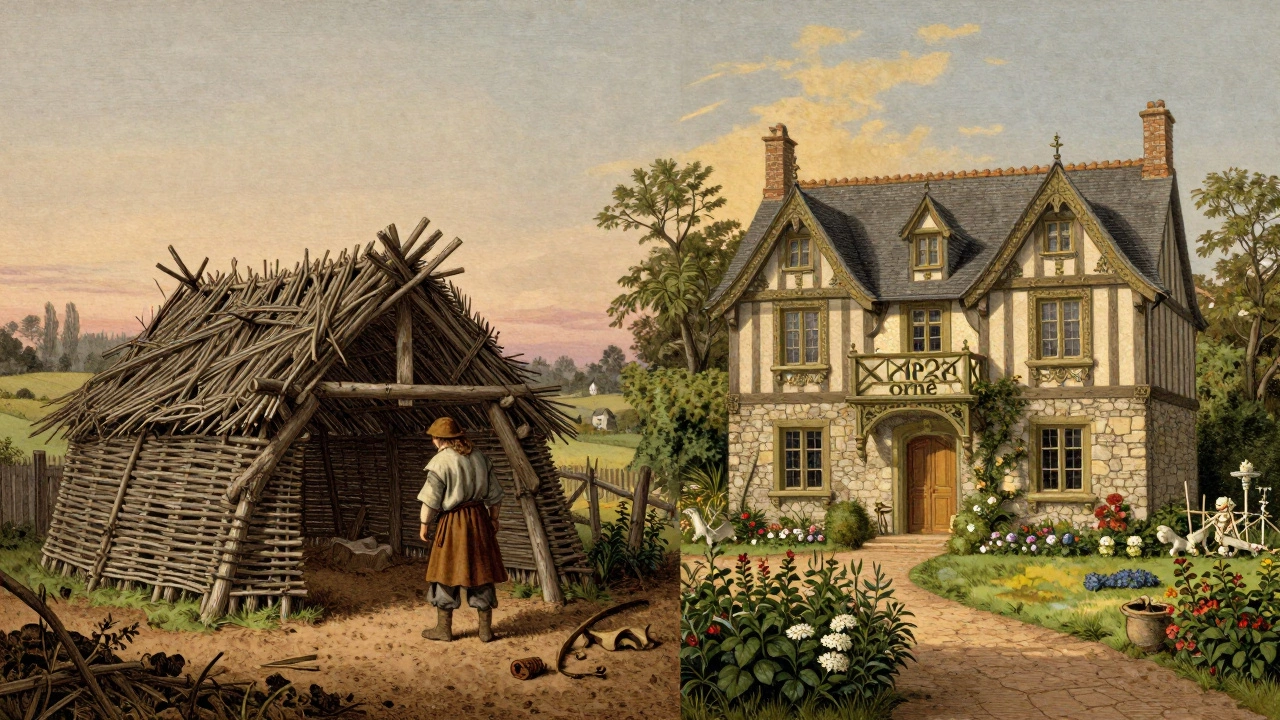
The story starts with a simple Latin root. The word "cottage" comes from the Old French cote, which means a hut or small house. This itself traces back to the Latin cobata, meaning a woven basket or container. Think about it: early homes were often built with wattle and daub-woven branches covered in mud. So, linguistically, a cottage is literally a woven shelter. That image of something handcrafted and humble has stuck around for over a thousand years.
From Worker's Hut to Rural Retreat
In medieval England, a cottage wasn’t a vacation spot. It was the home of a peasant or agricultural laborer. These structures were tiny, usually consisting of one or two rooms, built directly on the land where the person worked. The term "cotter" referred to the tenant farmer who lived there. Over time, as industrialization moved people into cities, the countryside became romanticized. The cottage transformed from a place of survival into a place of escape.
By the 19th century, the Arts and Crafts movement championed the cottage aesthetic. Architects like Richard Norman Shaw designed "cottage ornés"-ornate country homes that looked rustic but were built with high-quality materials and modern comforts. This shift changed the public perception forever. A cottage became associated with charm, simplicity, and a connection to nature, rather than poverty or hard labor.
Today, when you search for accommodation, you’re buying into that romantic ideal. You aren’t looking for a basic shelter; you’re looking for the feeling of stepping out of the fast-paced world and into a quiet, self-contained space. Whether it’s a stone-built hideaway in the Lake District or a wooden cabin in New Zealand, the promise remains the same: privacy and peace.
What Defines a Cottage Today?
So, if the original definition was a small, single-story home for a farm worker, what counts as a cottage now? The definition has stretched significantly. In the modern rental market, a cottage is generally defined by its character and setting rather than its strict architectural dimensions.
- Size: Usually smaller than a traditional hotel room or a large villa, often featuring an open-plan living area.
- Setting: Located in rural, semi-rural, or scenic areas, away from dense urban centers.
- Architecture: Often features traditional materials like stone, timber, or brick, with pitched roofs and chimneys.
- Privacy: Standalone structures that offer more seclusion than shared apartment buildings.
You might see luxury properties with five bedrooms and hot tubs labeled as cottages. Does this break the rules? Not really. As long as the property maintains that intimate, homely feel, the label fits. It’s less about square footage and more about atmosphere. If it feels like a home you could live in for a week, it’s likely being marketed as a cottage.
The Rise of Last Minute Bookings
One interesting trend in the cottage industry is the surge in last-minute bookings. Why do so many people wait until the weekend before to book their stay? Partly, it’s spontaneity. People crave quick escapes from stress. But there’s also an economic driver. Owners of independent cottages often lower prices for unsold nights to ensure some revenue. This creates a win-win: you get a discount, and the owner avoids an empty calendar.
However, hunting for this resource style deals requires flexibility. You can’t always pick your favorite date or location. The best last-minute cottage deals often appear on Tuesday afternoons or Sunday evenings, when owners reassess their weekly occupancy rates. Apps and platforms that specialize in short-term rentals have made this easier, sending notifications for price drops within a specific radius.
It’s worth noting that "last minute" doesn’t always mean "cheap." During peak seasons-summer holidays, Christmas, or major local festivals-demand outstrips supply. In those cases, last-minute bookings can actually be more expensive because only premium options remain available. Timing is everything.
Cottages vs. Cabins vs. Chalets
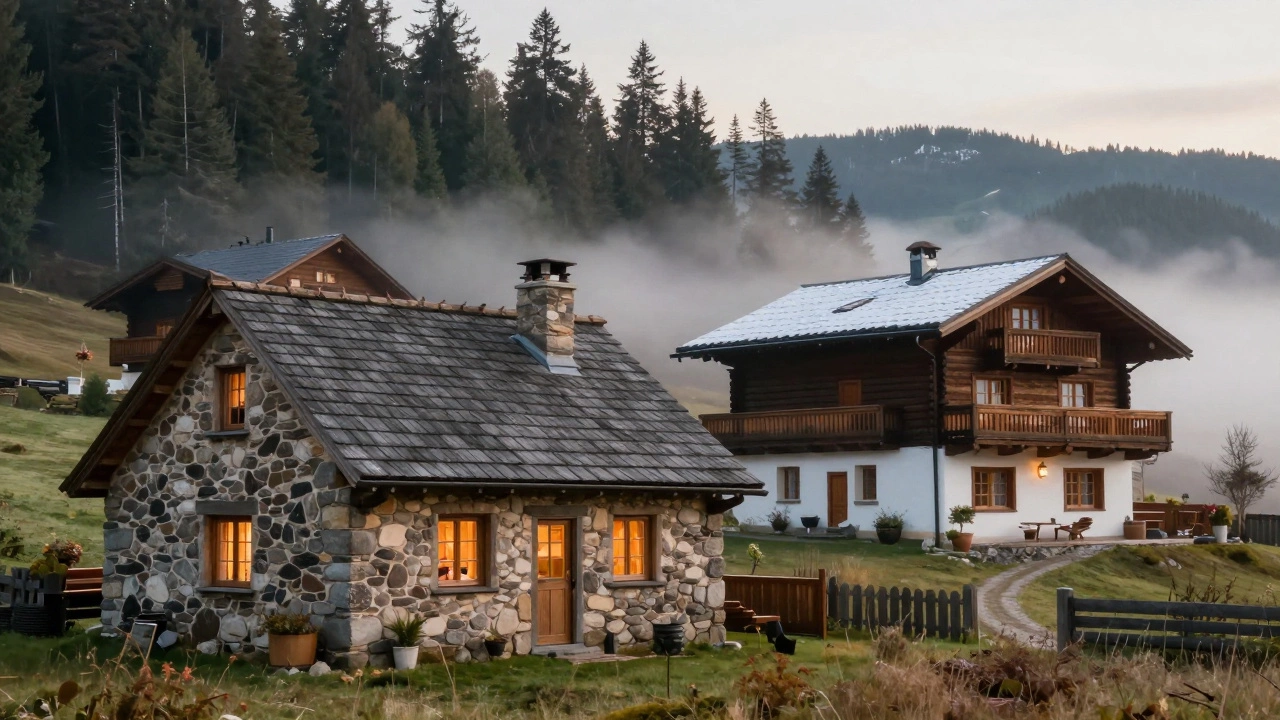
If you’re browsing rental sites, you’ll notice similar terms used interchangeably. Are they all the same? Not quite. While the lines are blurry, there are subtle distinctions based on geography and construction.
| Type | Origin | Typical Material | Vibe |
|---|---|---|---|
| Cottage | England/Europe | Stone, Brick, Timber | Cozy, Historic, Homely |
| Cabin | North America | Wood Logs | Rugged, Wilderness, Simple |
| Chalet | Alps/Switzerland | Timber with Balconies | Snow-ready, Spacious, Alpine |
| Bungalow | India/British Raj | Various | Single-story, Ground-level access |
A cabin is typically log-based and found in forest settings, emphasizing ruggedness. A chalet is specifically designed for snow, with steep roofs and large balconies. A cottage, by contrast, emphasizes comfort and domesticity. Even if a cottage is made of wood, it’s usually finished with plaster or paint to look more refined than a raw log cabin. Knowing these differences helps you choose the right experience. Do you want roughing it in the woods (cabin) or relaxing in a stone-walled living room (cottage)?
The Eco-Friendly Shift
In recent years, the cottage concept has merged with sustainable living. Many new builds and renovations focus on reducing environmental impact. This isn’t just a marketing gimmick; it’s a response to traveler demand. Guests want to know that their holiday isn’t harming the landscape they came to enjoy.
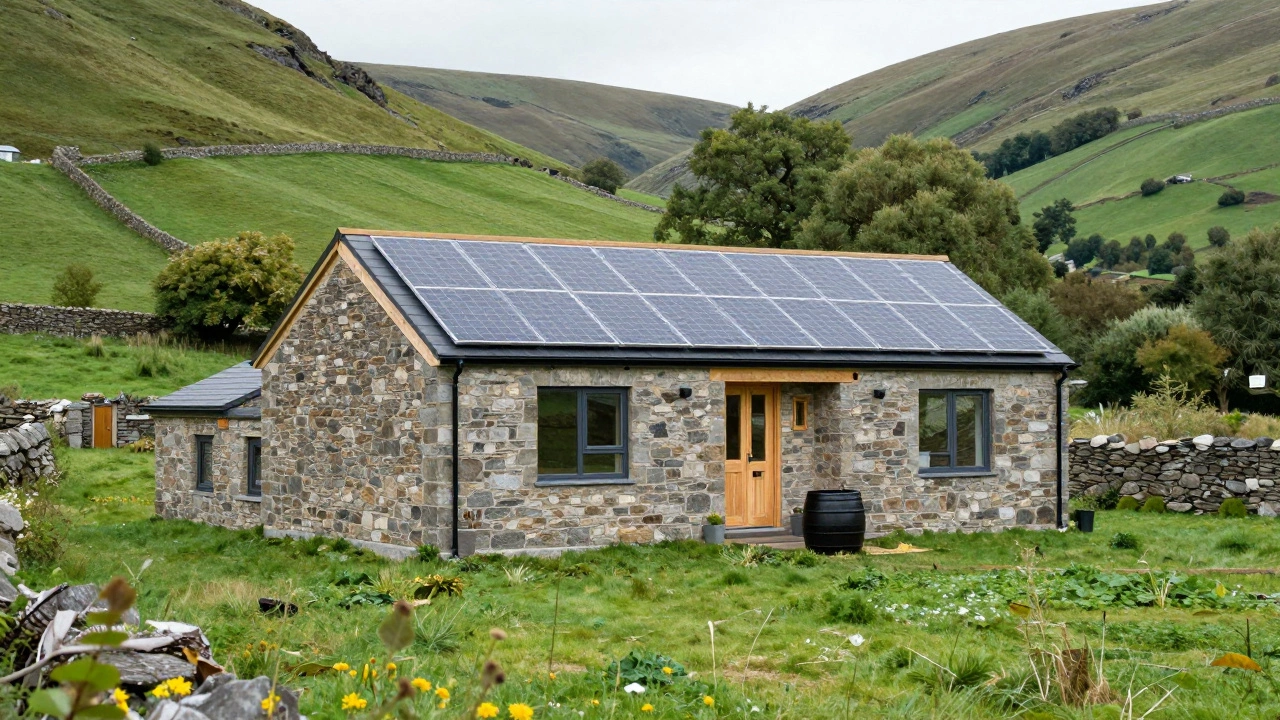
Eco-friendly cottages often feature solar panels, rainwater harvesting systems, and natural insulation materials like sheep’s wool or hemp. Some are even off-grid, relying entirely on renewable energy. This aligns perfectly with the historical roots of the cottage-self-sufficiency and harmony with the land. When you book an eco-cottage, you’re participating in a modern interpretation of that old-fashioned independence.
For travelers, this means checking the amenities carefully. An eco-cottage might not have air conditioning or a dishwasher. Instead, it might offer ceiling fans, composting toilets, and a kitchen set up for low-impact cooking. Being prepared for these differences enhances the experience rather than detracting from it. It forces you to slow down, much like the original purpose of the cottage retreat.
Choosing the Right Cottage for Your Trip
With so many options, how do you decide? Start by defining your goal. Are you seeking romance, family bonding, or solo reflection? Each type of cottage serves a different need.
For couples, look for properties with private outdoor spaces-hot tubs, fire pits, or secluded gardens. For families, prioritize layout and safety. A split-level cottage might be charming but dangerous for toddlers. Check if the kitchen is fully equipped if you plan to cook meals. And always read recent reviews. Photos can be deceiving; a review mentioning "drafty windows" or "slow Wi-Fi" tells you more than a glossy brochure.
Location matters too. A cottage in a national park offers hiking and wildlife but might lack nearby restaurants. A cottage near a village provides easy access to pubs and shops but might be noisier. Balance convenience with seclusion based on your travel style.
Preserving the Heritage
As cottages become popular rental assets, there’s a risk of losing their authentic character. Developers sometimes build generic boxes and slap "cottage" on the listing. To preserve the true spirit, support owners who maintain historical integrity. Look for listed buildings or properties that use traditional restoration techniques.
This preservation effort extends beyond architecture. It’s about keeping local culture alive. Many cottage communities rely on tourism for their economy. By choosing locally owned properties over large corporate chains, you help sustain the villages that make these stays special. You’re not just renting a bed; you’re supporting a way of life.
Next time you book a getaway, take a moment to appreciate the word itself. From a woven basket to a stone sanctuary, the cottage has evolved, but its core promise remains unchanged: a safe, warm place to rest away from the noise of the world.
Why are they called cottages instead of houses?
The term "cottage" historically referred to a small, modest dwelling occupied by a peasant or farm worker. Unlike a "house," which implies a broader range of sizes and statuses, a cottage specifically denotes a small, often rural, and traditionally constructed home. The distinction highlights its humble origins and cozy scale.
Is a cottage the same as a cabin?
Not exactly. While both are small rural accommodations, cabins are typically made of logs and associated with wilderness or forest settings. Cottages are often made of stone or brick, feature more domestic interiors, and are rooted in European agricultural history. Cabins feel rugged; cottages feel homely.
What does "last minute cottages" mean?
Last minute cottages refers to accommodation bookings made shortly before the check-in date, often within 48 hours. These bookings can offer significant discounts as owners try to fill empty nights, but availability is limited and requires flexible travel plans.
Are cottages suitable for families?
Yes, many cottages are family-friendly. They often provide more space than hotel rooms, including kitchens and multiple bedrooms. However, you should check for safety features like railings on stairs and secure outdoor areas, as older cottages may not be designed with modern child-safety standards in mind.
Do cottages have Wi-Fi?
Most modern rental cottages offer Wi-Fi, but signal strength can vary depending on the rural location. If reliable internet is essential for work or streaming, check the listing details or reviews specifically for mentions of connectivity speed and reliability.