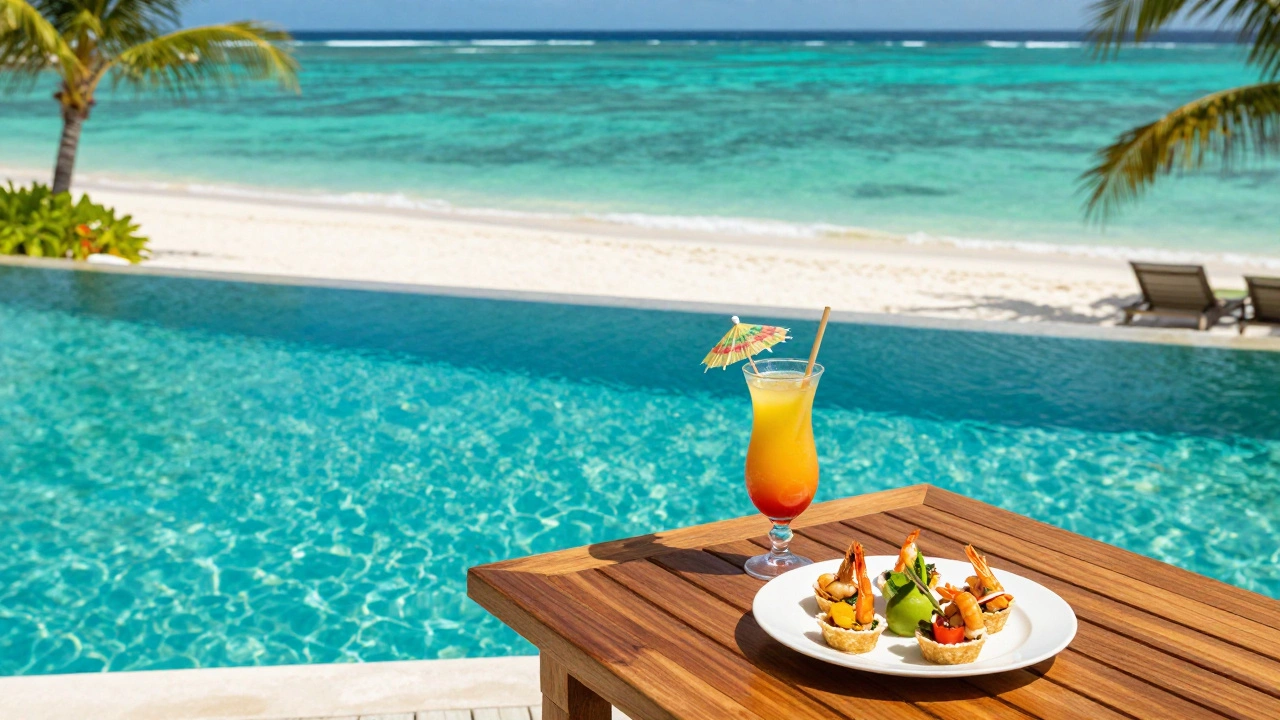
All-Inclusive vs. A La Carte Cost Estimator
1. Hotel Room Pricing
2. Estimated Daily Spending (A La Carte)
Quick Value Guide
- Best for: Families with kids, heavy drinkers, and people who hate budgeting on the fly.
- Worst for: Solo explorers, fine-dining enthusiasts, and light eaters.
- The "Break-Even" Point: Usually occurs when you spend more than 30% of your daily budget on food and drink alone.
- Hidden Costs: Watch out for "premium" alcohol, motorized water sports, and spa treatments.
The Math of All-Inclusive vs. A La Carte
To figure out if all-inclusive hotels save you money, you have to look at the "invisible" costs of a standard hotel stay. In a traditional hotel, you pay for the room and then face the daily grind of deciding where to eat. A mid-range dinner in a tourist area might cost $40 per person. Add in breakfast, lunch, and three cocktails, and you're looking at $100-$150 per day, per adult.
All-in resorts bake these costs into the nightly rate. If a standard room is $200 and an all-inclusive version is $350, you're effectively paying $150 a day for everything. If your daily food and drink spend would have been $200, you've just saved $50. But if you're a budget traveler who eats at local tacos stands for $5, you're paying a massive premium for food you don't actually prefer.
| Expense | All-Inclusive (Bundled) | Standard Hotel (A La Carte) | Local/Budget Approach |
|---|---|---|---|
| Room Rate | $300 (Included) | $150 | $100 |
| Meals (3x Day) | $0 (Included) | $60 | $20 |
| Drinks/Alcohol | $0 (Included) | $40 | $15 |
| Activities | $0 (Some Included) | $30 | $10 |
| Total Daily | $300 | $280 | $145 |
The Psychological Trap of the "Free" Buffet
There is a strange phenomenon that happens at resorts: the urge to overeat. When you've already paid for the food, the subconscious mind switches to a "maximization" mode. You find yourself ordering a third dessert not because you're hungry, but because it's "free." This often leads to a sluggish feeling that actually ruins the vacation experience.
Moreover, the quality of the food is a gamble. To keep costs low, many all-in resorts rely on massive buffets. While efficient, buffets often lack the freshness and authenticity of local eateries. You might find yourself paying for a high-end experience but eating lukewarm pasta. If you value culinary authenticity, the "savings" of an all-inclusive are illusory because you'll likely end up spending extra money to eat at restaurants outside the resort anyway.
Where the Hidden Costs Hide
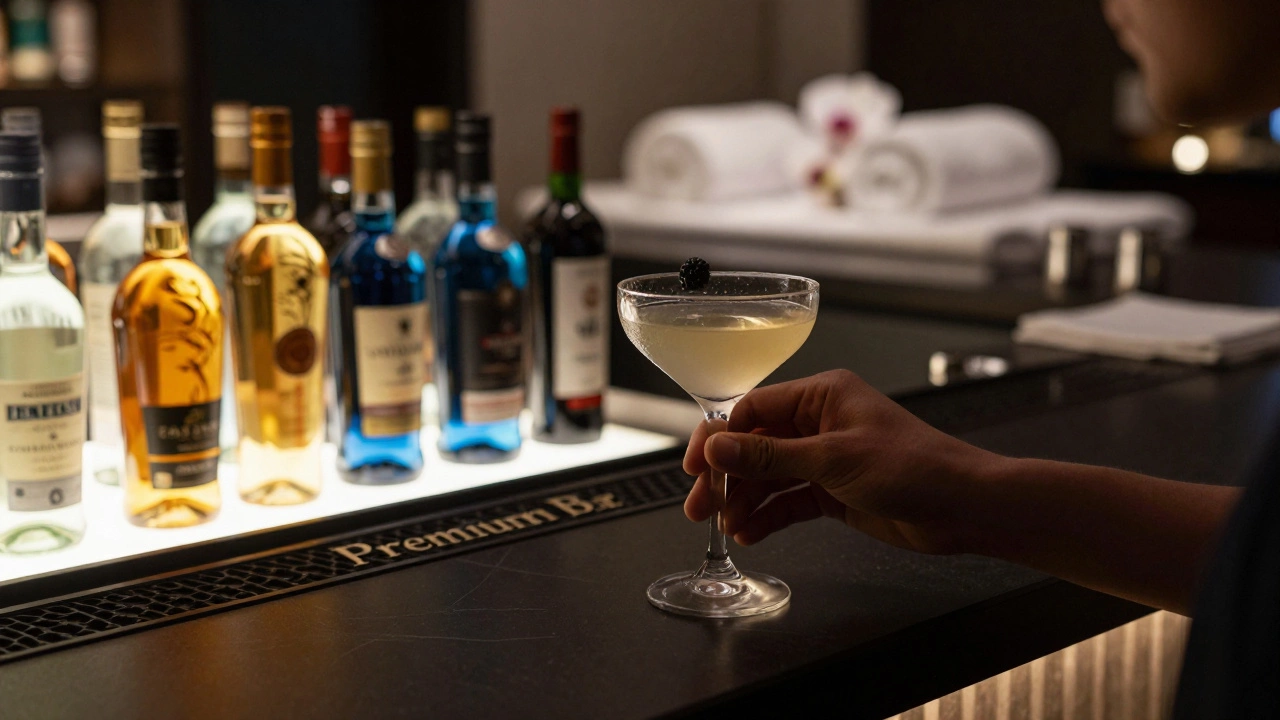
Don't let the "everything included" label fool you. Almost every resort has a tier system. You'll find that the house wine is mediocre, but the good stuff requires a trip to the Premium Bar, where drinks are charged a la carte. This is a classic pricing strategy: lure you in with a bundled price, then upsell you on the quality.
Then there are the activities. The "non-motorized" water sports like kayaking are usually free. But the moment you want a jet ski or a parasailing trip, you're hit with a bill that often exceeds local market rates. Similarly, the Spa is almost never included. If your idea of a relaxing trip involves three massages and a facial, that "all-inclusive" price tag is just the starting point.
Comparing Destination Types
The value of these hotels varies wildly by geography. In the Caribbean, where infrastructure is built around tourism, all-inclusives are the norm and offer decent value because local transport and dining can be expensive or inaccessible. However, in a city like Tokyo or Paris, an all-inclusive hotel would be a nightmare. These cities thrive on exploration; staying inside a hotel for your meals would mean missing the very essence of the trip.
Consider the Cruise Ship model. Cruises are essentially floating all-inclusive resorts. They offer similar cost-predictability, but the "extra" charges (like specialty dining or shore excursions) are often more aggressive than those found in land-based resorts. When comparing the two, land-based all-inclusives usually offer more space and a slower pace, whereas cruises offer more variety in scenery for the same bundled price.
Is It Right for Your Persona?
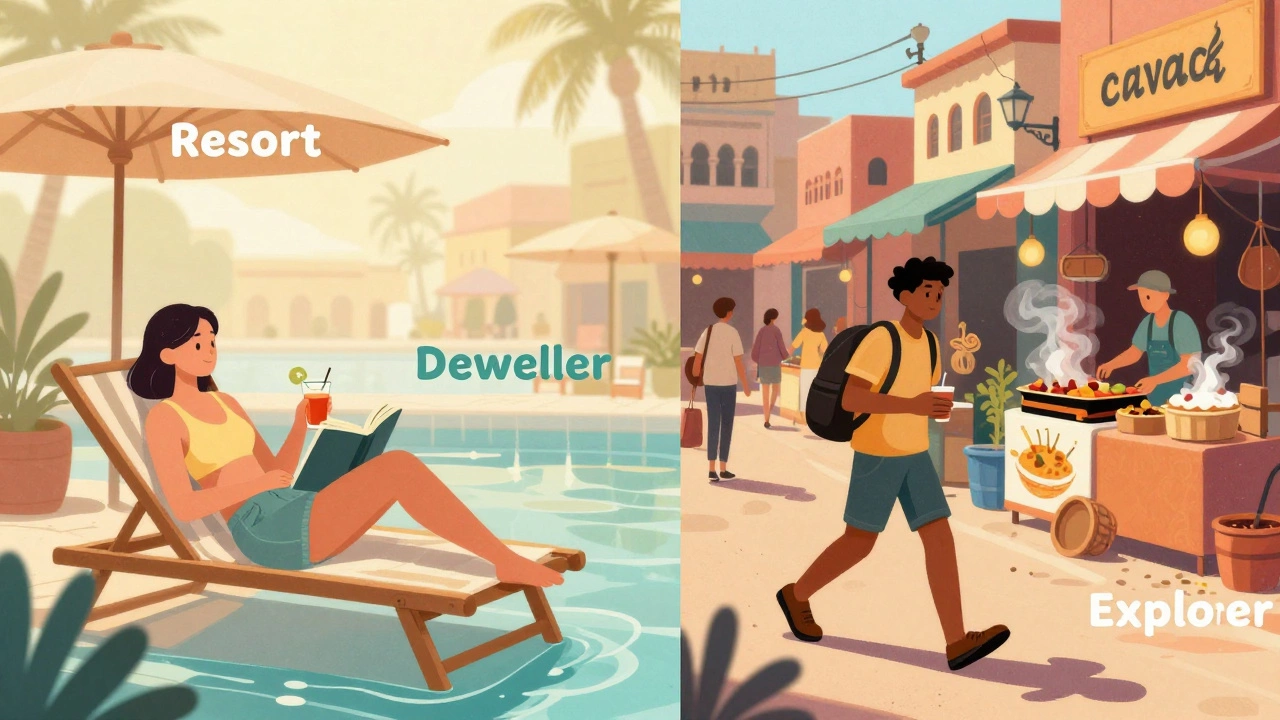
To decide, you need to be honest about who you are on vacation. Are you a "Resort Dweller" or an "Explorer"?
The Resort Dweller: You want to read a book, drink a mojito, and not think about your wallet for seven days. For you, all-inclusive is 100% cheaper because the stress reduction is worth the premium, and you'll actually use all the services provided. You avoid the "nickel and diming" that happens at standard hotels.
The Explorer: You wake up and ask, "Where is the best local coffee?" or "Which hidden alley has the best seafood?" For you, an all-inclusive is a waste of money. You're paying for a buffet you won't use and a beach you'll leave every morning. You'll save more by booking a Boutique Hotel or an Airbnb and eating like a local.
Decision Checklist: To Bundle or Not to Bundle?
- Drinking habits: Do you have 3+ alcoholic drinks a day? (Yes $\rightarrow$ All-Inclusive)
- Dining style: Do you prefer a variety of choices in one place over searching for new restaurants? (Yes $\rightarrow$ All-Inclusive)
- Traveling with kids: Do you want to avoid the stress of ordering kids' meals every single time? (Yes $\rightarrow$ All-Inclusive)
- Local interest: Is the local culture and street food a primary reason for your trip? (Yes $\rightarrow$ Standard Hotel)
- Budgeting style: Do you prefer one large payment now or several small payments throughout the trip? (One large $\rightarrow$ All-Inclusive)
Do all-inclusive resorts include tips?
Usually, no. While some resorts claim that gratuities are included in the price, it's often a courtesy. Staff members rely heavily on tips for their income. It is standard practice to bring small bills to tip bartenders, servers, and housekeeping separately, even if the package says it's "all-in."
Are the drinks actually free?
Most of the time, "house" spirits and sodas are free. However, top-shelf liquor, imported champagne, and certain cocktails are often marked as "premium" and will appear on your final bill. Check the drink menu for a star or a specific symbol that indicates a paid beverage.
Can I get a discount if I don't want the meal plan?
Some resorts offer a "Room Only" or "European Plan" rate. If you see these options, compare them against the all-inclusive price. If the difference is more than $100 per night, and you plan to eat out, the Room Only option is almost always the cheaper route.
Is it cheaper for families?
Generally, yes. Kids are expensive to feed, and the unpredictability of their appetites can blow a budget. All-inclusives provide a safety net where you don't have to worry about a child ordering three desserts or five juices at a restaurant.
What happens if I don't eat the food?
You cannot get a refund or credit for unused meals. The price is for the access to the services, not a per-meal charge. If you spend your days exploring the city, you are essentially donating the cost of those meals back to the hotel.
Next Steps for Budgeting Your Trip
If you're still on the fence, try this exercise: Look at your last "non-bundled" vacation. Total up every single receipt for food, coffee, and drinks. Divide that by the number of days you were gone. If that daily number is close to the price difference between a standard room and an all-inclusive room, go for the bundle. If it's significantly lower, you're better off staying at a standard hotel and paying as you go.
For those who want a middle ground, look for "Half-Board" options. This usually includes breakfast and dinner, leaving lunch open for you to explore local cafes. It's the best of both worlds-budget predictability in the morning and evening, with culinary adventure in the afternoon.