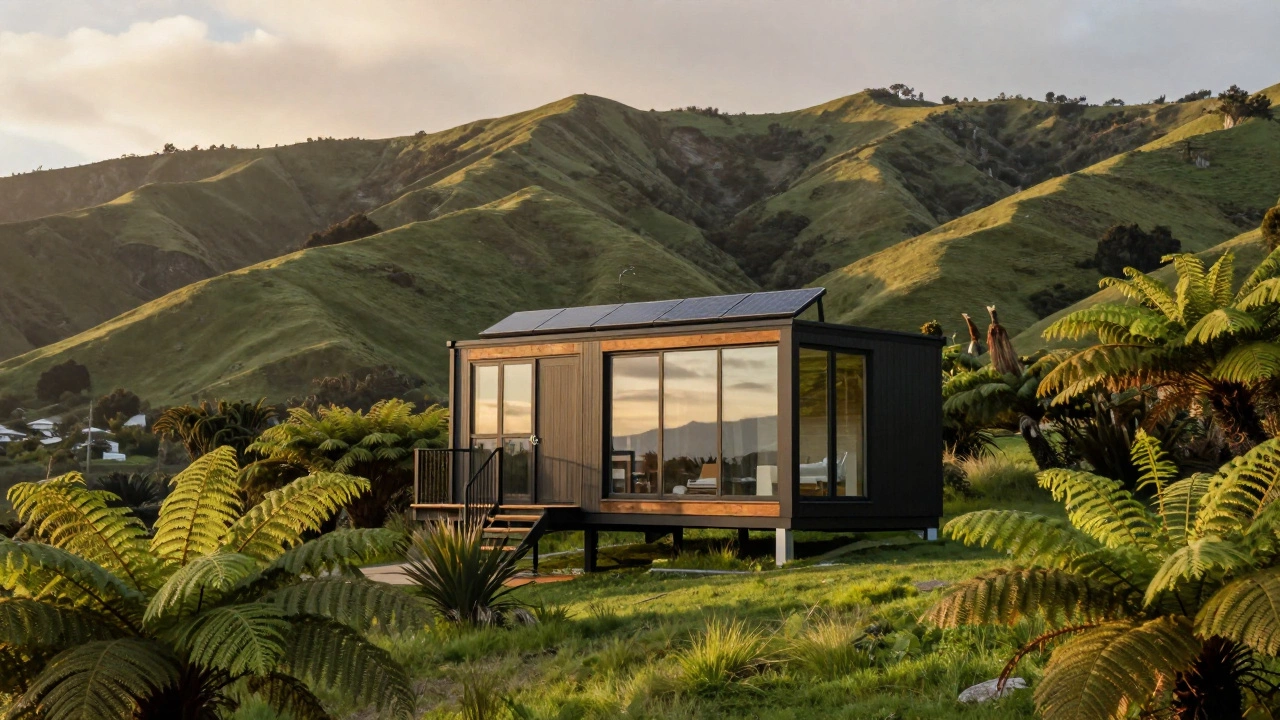
Tiny House Eco-Impact Calculator
Enter your current home details to see how much you could save by downsizing to a tiny house.
Your Potential Impact
Financial Savings
- Estimated Annual Savings: $0
- Monthly Savings: $0
Environmental Impact
- CO2 Emissions Avoided/Year: 0 kg
- Equivalent Trees Planted: 0
Summary: By moving to a tiny house, you would reduce your living space from 2000 sq ft to approximately 300 sq ft. This drastic reduction allows for significantly lower energy usage, often enabling off-grid solar power capabilities that are impossible for larger homes.
Imagine a home that uses less energy than your refrigerator. It sounds like science fiction, but for thousands of people around the world, this is their daily reality. The tiny house movement has exploded in popularity over the last decade, but it’s not just about downsizing or saving money on rent. At its core, the tiny house revolution is an environmental statement. When you shrink the square footage, you dramatically shrink the ecological footprint.
Living in Devonport, New Zealand, I’ve seen how housing choices impact our local environment. From the way we heat our homes to the materials we use, every decision matters. So, how exactly are tiny houses eco-friendly? It’s not magic; it’s physics, smart design, and a conscious shift in lifestyle. Let’s break down why these small spaces are big on sustainability.
The Physics of Less: Energy Efficiency by Design
The most obvious reason tiny houses are green is simple math. A standard family home might be 2,000 square feet or more. A typical tiny house ranges from 100 to 400 square feet. That means you have significantly less air to heat in winter and less space to cool in summer.
Think about your own home. How many rooms do you actually use every day? In a large house, you’re likely paying to heat the guest room, the formal dining room, and the hallway. In a tiny house, you live in one open space. This reduces the load on your HVAC system (heating, ventilation, and air conditioning) drastically. Many tiny homeowners report using less than 5% of the electricity compared to a conventional home.
This efficiency extends to lighting too. With fewer windows and a smaller volume of space, natural light penetrates deeper into the home. You spend less time with lights on during the day, further cutting down on power consumption.
Material Matters: Building with a Conscience
It’s not just about how much energy you use to run the house; it’s about what the house is made of. Traditional construction generates massive amounts of waste. Drywall scraps, leftover lumber, and packaging end up in landfills. Tiny house builders, however, tend to be meticulous planners because there’s no room for error when you’re working with such limited space.
Many builders prioritize reclaimed materials. Imagine building your walls with wood salvaged from old barns or shipping containers repurposed into sturdy frames. This practice, known as adaptive reuse, keeps waste out of dumps and reduces the demand for new timber. Logging destroys habitats and releases stored carbon. By reusing existing materials, tiny houses bypass this cycle entirely.
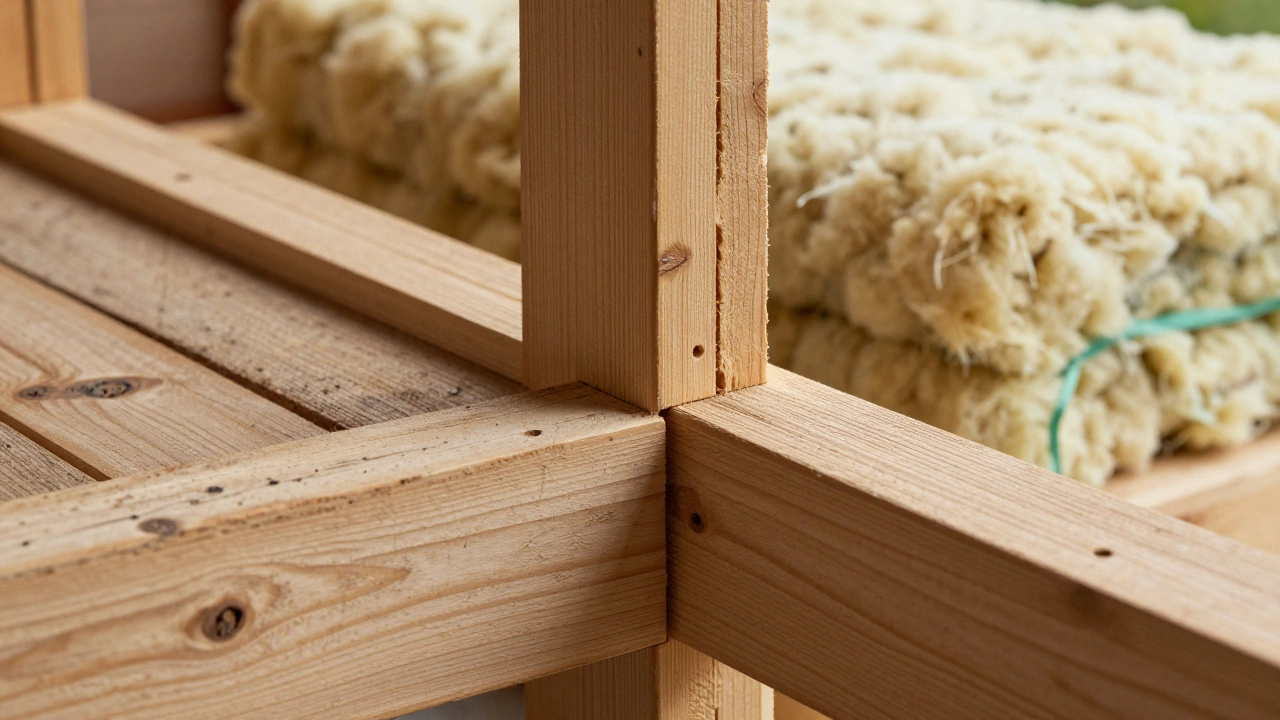
Furthermore, the scale allows for higher quality insulation. Since the budget isn’t stretched thin across thousands of square feet, owners can invest in premium insulation like sheep’s wool, cellulose, or rigid foam. Better insulation means less reliance on mechanical heating and cooling, creating a virtuous cycle of energy savings.
Off-Grid Capabilities: Independence from the Grid
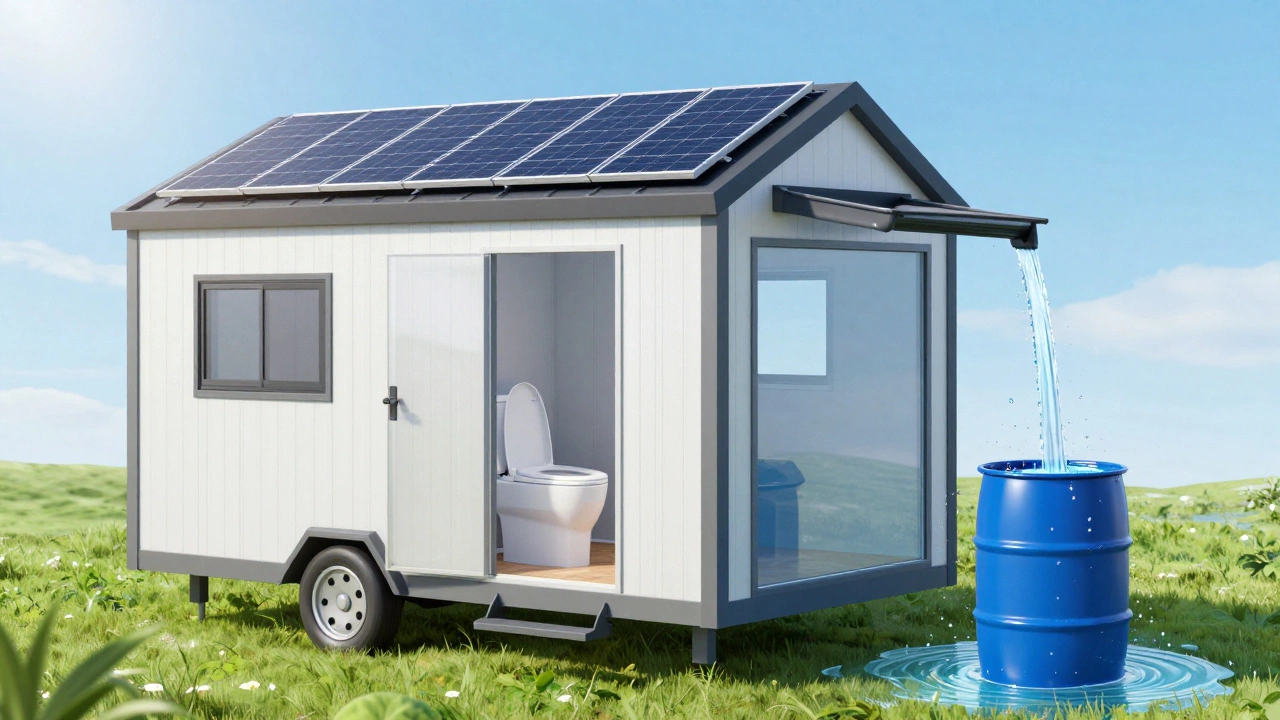
One of the coolest aspects of tiny house living is the potential to go completely off-grid. Because the energy demand is so low, it’s feasible to power your entire life with renewable sources. Solar panels, which might only cover 20% of a large home’s needs, can easily provide 100% of a tiny house’s electricity.
- Solar Power: A modest array of solar panels on the roof can charge batteries that run your fridge, lights, and electronics.
- Composting Toilets: These systems eliminate the need for water-intensive flushing and septic tanks. They turn waste into nutrient-rich compost safely and odorlessly.
- Rainwater Harvesting: Collecting rain from the roof provides water for washing dishes and showering, reducing strain on municipal water supplies.
In places like New Zealand, where weather can be unpredictable, wind turbines are sometimes added to supplement solar power. This combination ensures a steady supply of clean energy regardless of the clouds. Living off-grid doesn’t mean living without comfort; it means generating your own resources responsibly.
Water Wisdom: Conservation at Every Drop
Water scarcity is a growing global crisis. Traditional homes use gallons of water daily for toilets, showers, laundry, and irrigation. Tiny houses challenge this norm through compact fixtures and mindful usage.
Consider the shower. In a tiny house, showers are often compact and efficient. Some designs use recirculating hot water systems that keep the pipes warm, so you don’t wait minutes for hot water to arrive-wasting cold water down the drain. Others use composting toilets, which use zero water for human waste. Instead of sending millions of gallons of potable water into sewage systems, these systems handle waste biologically.
Even dishwashing changes. With less space, you naturally accumulate less dirty dishes. Many tiny homeowners wash dishes by hand in a small sink, using far less water than a full-sized dishwasher cycle. It’s a small change, but multiplied by millions of households, the savings are enormous.
The Lifestyle Shift: Consuming Less
You can’t fit clutter in a tiny house. This physical constraint forces a mental shift toward minimalism. When you have limited storage, you stop buying things you don’t need. You stop participating in the throwaway culture that plagues modern society.
This reduction in consumption has a direct environmental impact. Fewer purchases mean less manufacturing, less shipping, and less packaging waste. Think about the carbon footprint of a single pair of jeans: the cotton farming, the dyeing process, the trucking to stores, and the eventual disposal. If you buy half as many clothes because you literally have no closet space, you halve that impact.
Tiny house dwellers often prioritize experiences over possessions. They might spend their saved money on travel, education, or community projects rather than accumulating stuff. This mindset aligns perfectly with sustainable living principles, which emphasize long-term well-being over short-term gratification.
Comparison: Tiny House vs. Standard Home
| Feature | Standard Home (2,000 sq ft) | Tiny House (300 sq ft) |
|---|---|---|
| Annual Electricity Usage | 10,000 - 15,000 kWh | 500 - 1,500 kWh |
| Heating/Cooling Cost | $1,500 - $3,000/year | $100 - $300/year |
| Water Consumption | 100+ gallons/day | 10 - 20 gallons/day |
| Construction Waste | High (tons of debris) | Low (minimal debris) |
| Carbon Footprint | High | Very Low |
Challenges and Considerations
While tiny houses are incredibly eco-friendly, they aren’t without challenges. Zoning laws in many areas still restrict where you can place them. In New Zealand, for example, council regulations vary widely between regions. Some areas welcome tiny homes as secondary dwellings, while others ban them outright.
Additionally, the initial cost per square foot can be high due to custom craftsmanship. However, when you look at the total cost and long-term savings, tiny houses often pay for themselves within a few years through reduced utility bills and lower maintenance costs.
There’s also the issue of durability. Not all tiny houses are built equally. Cheaply constructed units may not withstand harsh weather conditions, leading to premature replacement and increased waste. Choosing a reputable builder who focuses on longevity is crucial for true sustainability.
Conclusion: A Step Toward a Greener Future
Tiny houses offer a compelling model for sustainable living. By reducing energy use, minimizing waste, and encouraging mindful consumption, they address some of the most pressing environmental issues of our time. They prove that you don’t need a mansion to live comfortably-you just need to be smart about how you live.
Whether you’re looking to reduce your carbon footprint, save money, or simplify your life, tiny houses provide a viable path forward. As more people adopt this lifestyle, the collective impact could be significant. We’re not just talking about individual homes; we’re talking about a cultural shift toward respect for our planet.
Are tiny houses legal everywhere?
No, legality varies by location. In many countries, including New Zealand and the US, zoning laws dictate minimum square footage for permanent residences. Always check local council regulations before building or placing a tiny house.
Can tiny houses really be heated efficiently?
Yes. Due to their small size, tiny houses require very little energy to heat. Electric blankets, small propane heaters, or even body heat can often suffice in mild climates. Proper insulation is key to maintaining warmth.
What happens to waste in a tiny house?
Many tiny houses use composting toilets, which convert human waste into compost without using water. Greywater (from sinks and showers) is often filtered and used for gardening or disposed of via septic systems depending on local laws.
Do tiny houses save money?
Generally, yes. While the upfront cost per square foot can be high, the total purchase price is much lower than a traditional home. Ongoing savings come from drastically reduced utility bills, property taxes, and maintenance costs.
Is it hard to live in a tiny house?
It requires adjustment. You must declutter and organize carefully. Multi-functional furniture is essential. However, many residents report feeling freer and less stressed due to reduced cleaning time and financial burden.